
Spain is shifting to hybrid cars: these are the reasons why they convince more and more buyers
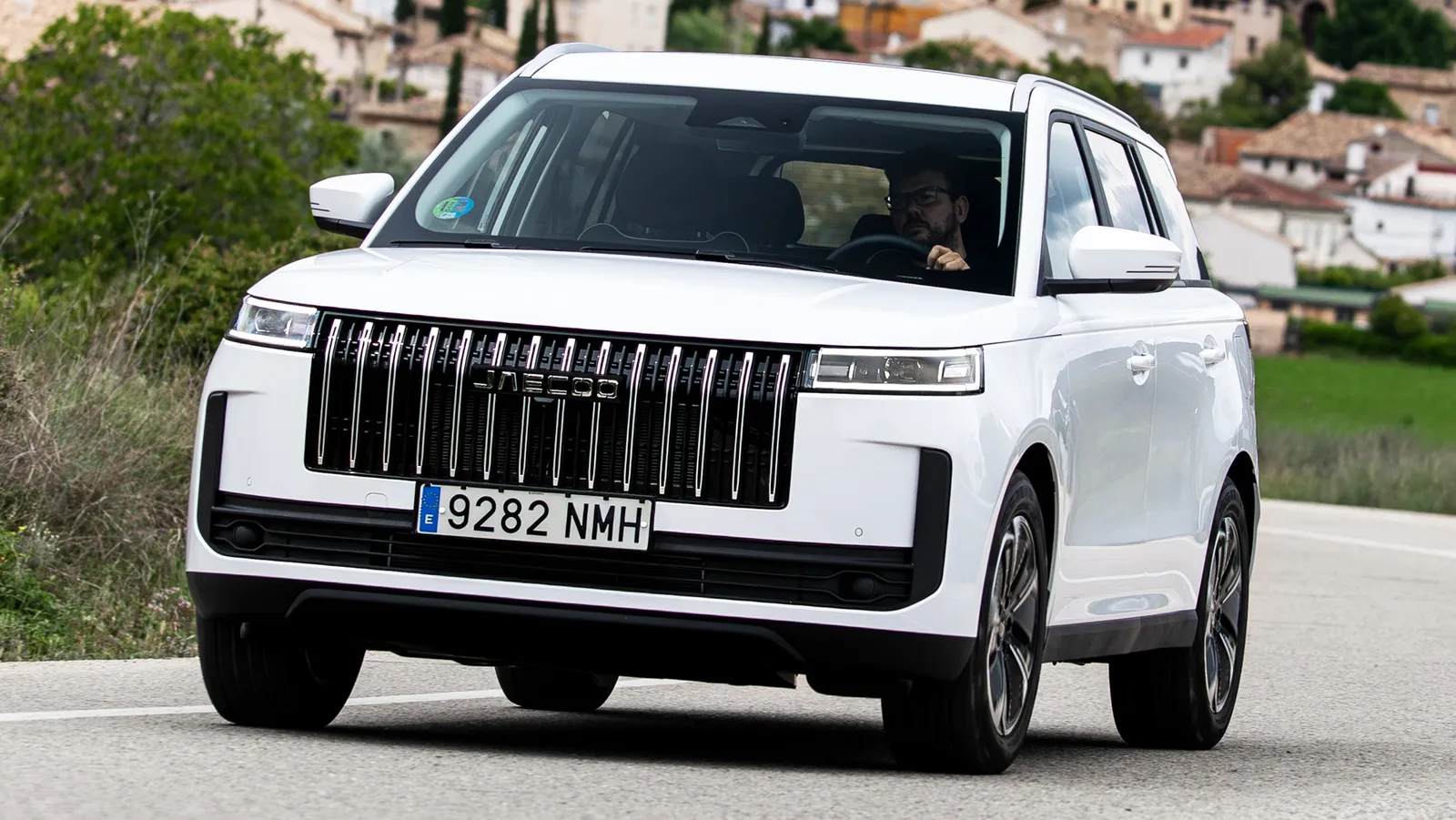
The Spanish market is making it clear that the transition to electric vehicles does not follow a single path. There is growing space for intermediate solutions between traditional combustion engines and pure electric vehicles, with conventional hybrids and plug-in hybrids gaining prominence in this area.
According to ANFAC’s data, from January to August 2026, 387,507 HEV hybrid vehicles were registered in Spain, accounting for 39.8% of the market. During the same period, plug-in hybrids reached 108,958 units, a 36.4% increase from the previous year, while pure electric vehicles saw 93,508 registrations. Together, electric and PHEV vehicles accounted for 20.75% of the market.
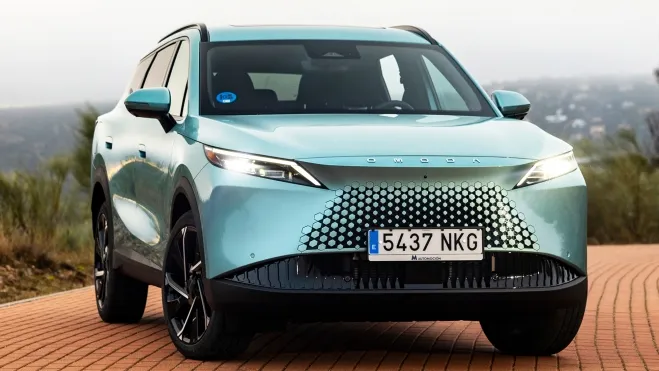
This doesn’t mean buyers are rejecting electric cars. Rather, it shows that today there are different levels of electrification available, and they choose based on how they actually use the vehicle.
Going electric without completely changing habits
For some buyers, the option seems to be reducing reliance on internal combustion engines without yet fully committing to charging. Conventional hybrids allow for electric propulsion without the need to plug in the vehicle. On the other hand, PHEVs come with a larger battery to cover most daily trips using electricity, though charging is still required, with a thermal engine kept for longer journeys.
Those who don’t have a charger at home may find HEVs more logical; those who can charge regularly can benefit more from plug-in vehicles. The ECO and ZERO labels also play a role with the introduction of low-emission zones.
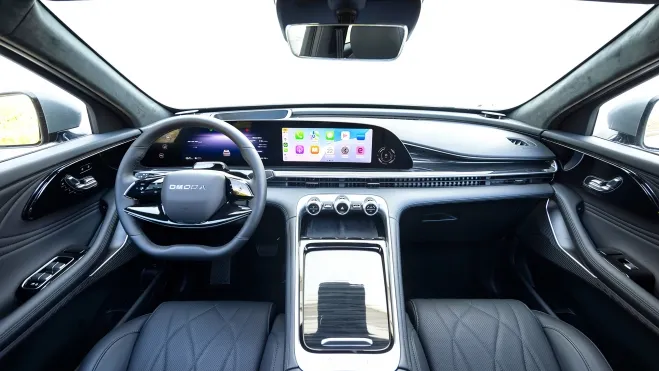
The conclusion is simple: there is no single way to go electric.
A case that helps understand the shift
In this context, the growth of OMODA and JAECOO is particularly notable—two brands newly established in Spain that have built much of their expansion around hybrids and plug-in hybrids.
Between January and August 2026, the company registered 13,412 hybrid vehicles and another 8,697 plug-in hybrids equipped with the same technology family. In other words, over 20,000 cars featuring its SHS technology in just eight months.
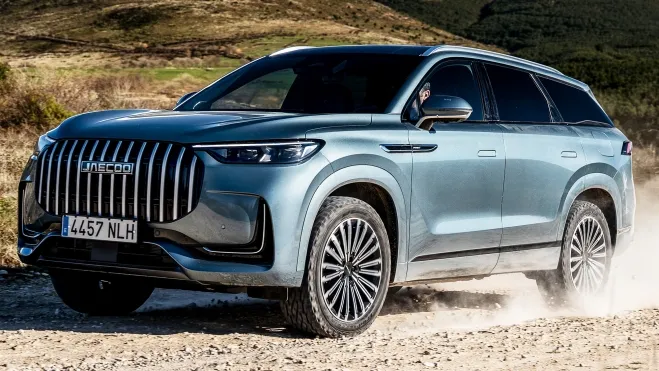
92% of its registrations now consist of electrified vehicles (HEV, PHEV, and BEV), and according to data provided by the company, OMODA & JAECOO holds fifth place overall in Spain’s annual market for such electrified models.
The driver doesn’t have to worry about which engine is running
OMODA & JAECOO’s response centers around their Super Hybrid System, or SHS. However, its logic is better understood through practical use rather than engineering details.
The system aims to emphasize electric propulsion while automatically managing the combination of electricity and an internal combustion engine. It can operate in series or parallel with electric motors, a thermal engine, and the DHT transmission. The key is to keep this complexity hidden in the background.
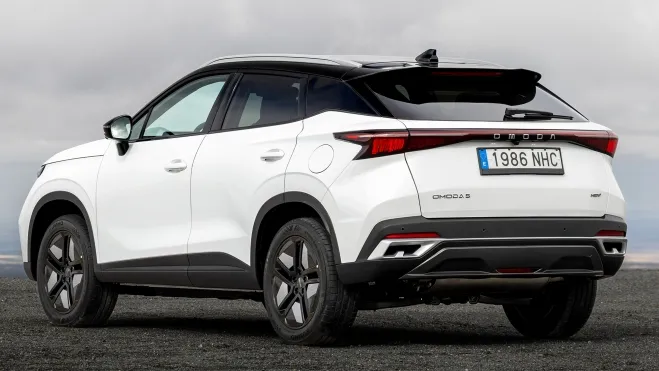
In the OMODA 5 SHS hybrid, JAECOO 5 SHS hybrid, and JAECOO 7 SHS hybrid models, the hybrid version delivers 224 horsepower, has a WLTP fuel consumption of 5.3 liters per 100 kilometers, and earns an ECO rating.
For those who can charge regularly, the OMODA 7 SHS plug-in hybrid and JAECOO 7 SHS plug-in hybrid use an 18.4 kWh battery, achieve up to 92 kilometers of electric range, and have a total range of over 1,200 kilometers, with 279 horsepower and a ZERO rating.
At the higher end, the OMODA 9 SHS plug-in hybrid offers 537 horsepower, a 34.46 kWh battery, all-wheel drive, and up to 145 kilometers of electric range, in addition to a total range of over 1,100 kilometers.
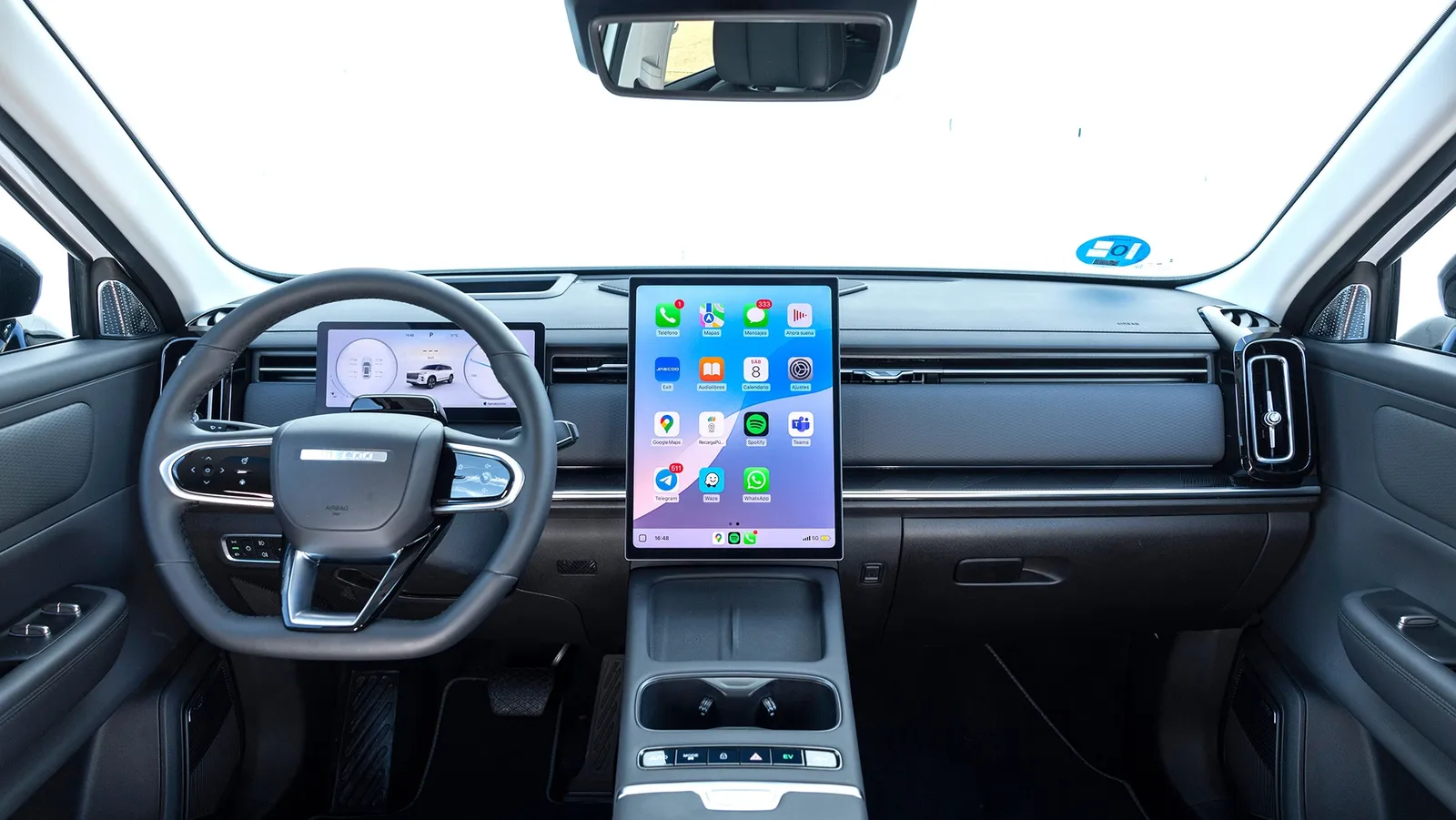
Rather than focusing on each individual model, these figures show how the same technological philosophy can cater to very different user profiles.
Technology alone doesn’t explain all sales
A car is not purchased solely based on its range, power, or fuel consumption. And when it comes to a new brand, trust after purchase can be just as important.
OMODA & JAECOO has established a network of around 115 dealerships in Spain in less than three years. According to the company, the average travel time to one of its sales outlets is 23 minutes. Additionally, its specialized parts logistics ensure that 98% of the parts are available and can be delivered within 24 hours, while batteries come with a warranty of up to eight years or 160,000 kilometers.
This combination helps explain the growth: technology, ease of use, product range, sales network, and after-sales service.
The Spanish market shows that electrification isn’t progressing along a single path. Pure electric vehicles continue to grow, but hybrids still hold significant market share, while plug-in vehicles are advancing rapidly.
For buyers, the final questions are much simpler than the engineering involved: how far can it travel on electricity, how much does it consume, whether it needs to be plugged in, what range will it have during trips, and what support is available after purchase.
And perhaps that lies one of the key reasons why these technologies are gaining so much traction in Spain.