
Spain is wasting more and more renewable energy while gas use increases: electricity waste surged by 55% in one year
31/10/2026 17:30
Updated to
31/10/2026 17:30
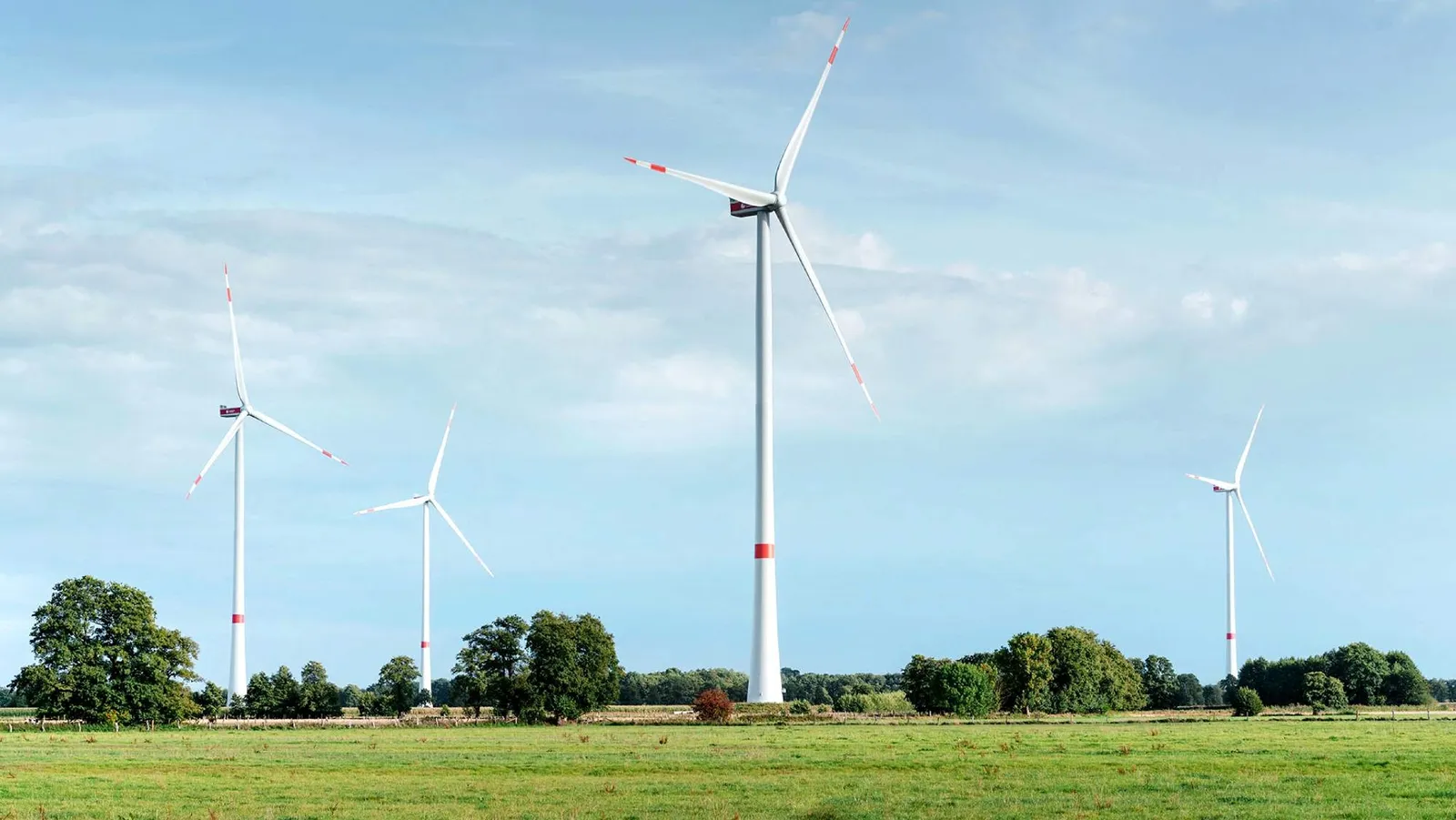
The 2025 Study on the Macroeconomic Impact of Renewable Energies in Spain, prepared by Deloitte and presented by the Association of Renewable Energy Companies (APPA), has revealed a concerning finding: Spain is wasting an increasing amount of renewable energy as gas-based electricity generation rises.
According to the report, electricity waste in the Iberian Peninsula reached 19.69 terawatt-hours (TWh) in 2025, 55.2% higher than the previous year. This increase in untapped energy coincides with only a 1% growth in renewable energy generation, while gas-based electricity production saw a rise of over 16%.
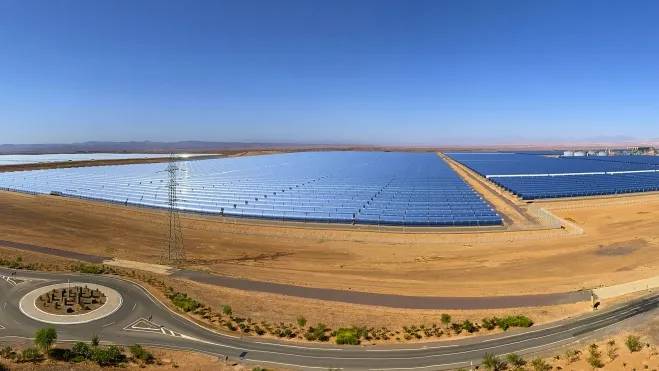
A renewable energy source being wasted because it cannot be utilized
The data reveal a contradiction in Spain’s energy sector development, as the country set a record in 2025 for installing new renewable capacity, adding 12,520 megawatts (MW), yet this expansion did not result in a corresponding increase in renewable electricity generation. According to APPA, rising waste limited the utilization of the installed capacity, while gas-powered generation gained prominence to meet the system’s needs.
What are those curtailments? They occur when part of the available power generation cannot be fed into the electrical system or must be reduced due to grid operation conditions. An increase in curtailments indicates difficulties in integrating and utilizing all the electricity that existing facilities can produce. For this reason, the association emphasizes that it is necessary to align the growth of renewable energy with improvements in electrical grids, storage, interconnections, and demand management. Otherwise, an increasing portion of the installed renewable capacity will go untapped.
Santiago Gómez Ramos, president of APPA Renovables, said: “Renewables are a competitive advantage for Spain: they generate activity, create jobs, and enable our companies to have access to competitive energy with less reliance on imported fossil fuels. The challenge is to consolidate this advantage through a stable energy and industrial policy that links the deployment of renewables to the electrification of our economy and the development of our value chain.”
An energy problem that is also economic
The issue is highly significant for several reasons, one of which is the economic benefits that renewables can bring to the Spanish economy. The report estimates that savings generated in the daily electricity market by 2025 due to these technologies will amount to 7,589 million euros, an 8.8% increase compared to 2024. The estimated reduction was 60.71 euros per megawatt hour (MWh) traded, as the average daily market price was 65.28 euros/MWh, compared to nearly 126 euros/MWh that the study suggests would have been the case in a scenario without renewables.
Not only that, according to APPA, renewable energies prevented the import of 24.9 million tons of oil equivalents, with an estimated economic value of 14,814 million euros. The report also calculates that these sources avoided the emission of 69.2 million tons of CO2, which would have saved 5,115 million euros in emission allowances.
The study also notes that the contribution of the renewable sector to Spain’s gross domestic product reached 17,501 million euros in 2025, equivalent to 1.04% of the national economy, while related employment reached 140,621 jobs, 5.6% more than in the previous year.
José María González Moya, the association’s general director, said, “Reaching 140,621 jobs with a 5.6% growth rate is a positive sign of recovery. The construction of new facilities plays a significant role in this trend. To maintain these levels, we need a continuous portfolio of projects and a value chain that sustains activities in manufacturing, engineering, operation, and maintenance. Additionally, the development of renewable energy sources related to bioenergy, such as biogas and biofuels, will be crucial in the coming years.”