
It is more than an electric and autonomous vehicle as we understand it: in Germany, they are already testing remote driving via 5G without a driver.
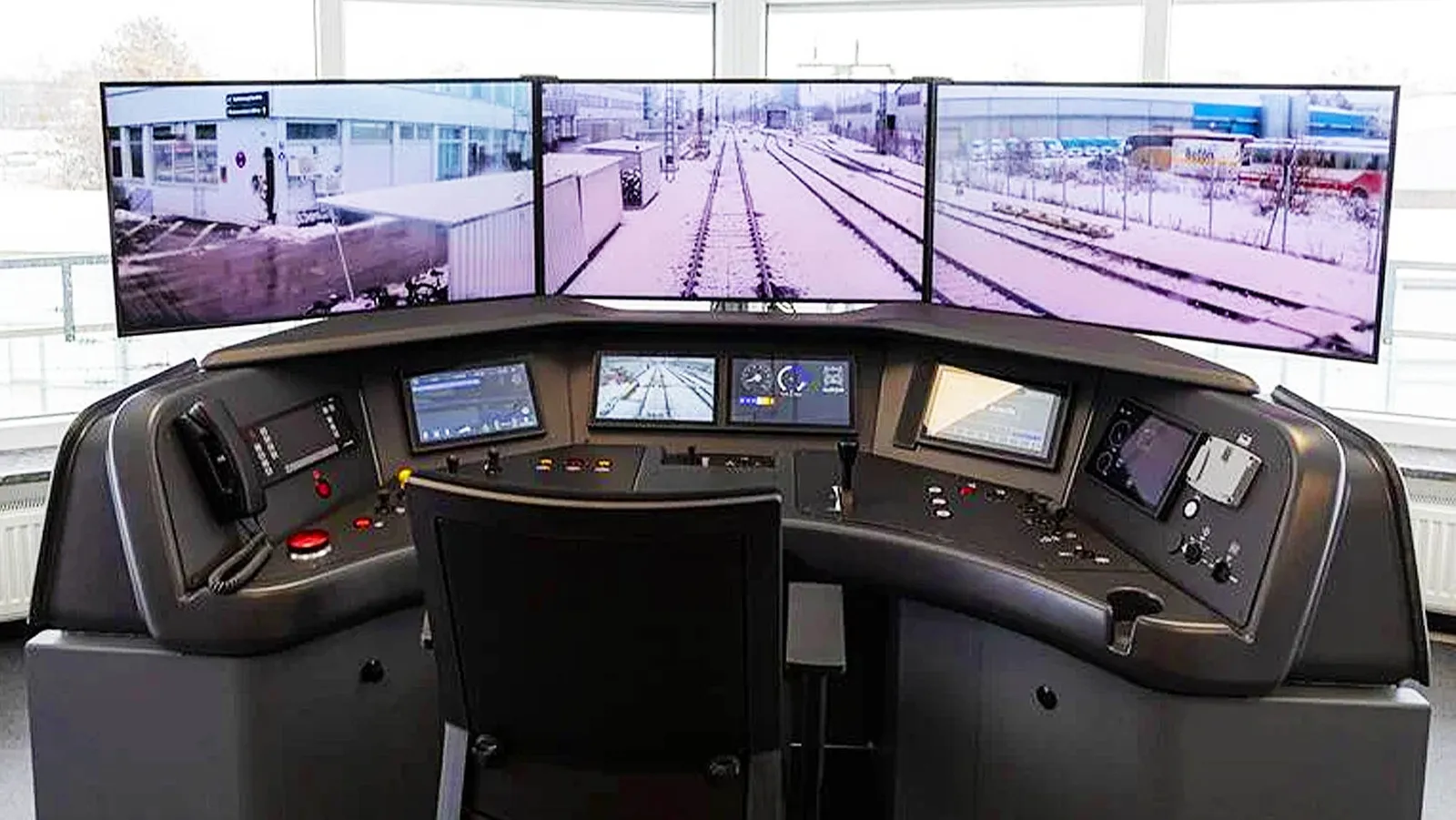
Germany has taken a concrete step toward railway automation with a technology that allows trains to be operated without a driver physically on board. Deutsche Bahn and Alstom have tested a Remote Train Operation (RTO) system in Munich, which transfers control of the train to a control center located within the railway facilities.
This is not yet an autonomous train that can operate on a conventional line without human intervention. The driver still controls the vehicle, but does so remotely.
A commuter train controlled from the ground
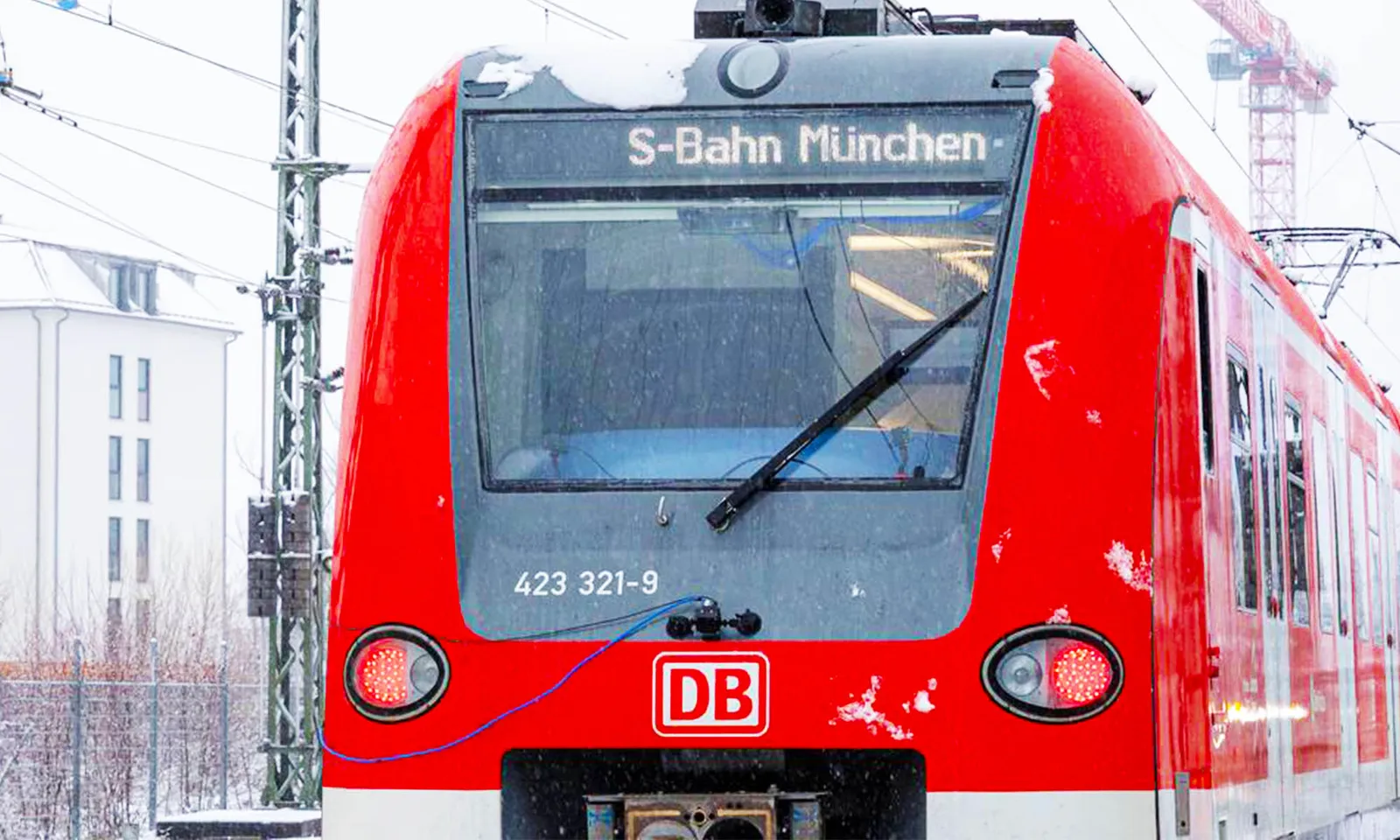
The test was conducted at the Munich-Steinhausen depot using a unit from Munich S-Bahn’s 423 series. The train was equipped with cameras, sensors, and the necessary systems to transmit information in real time to a remote control center.
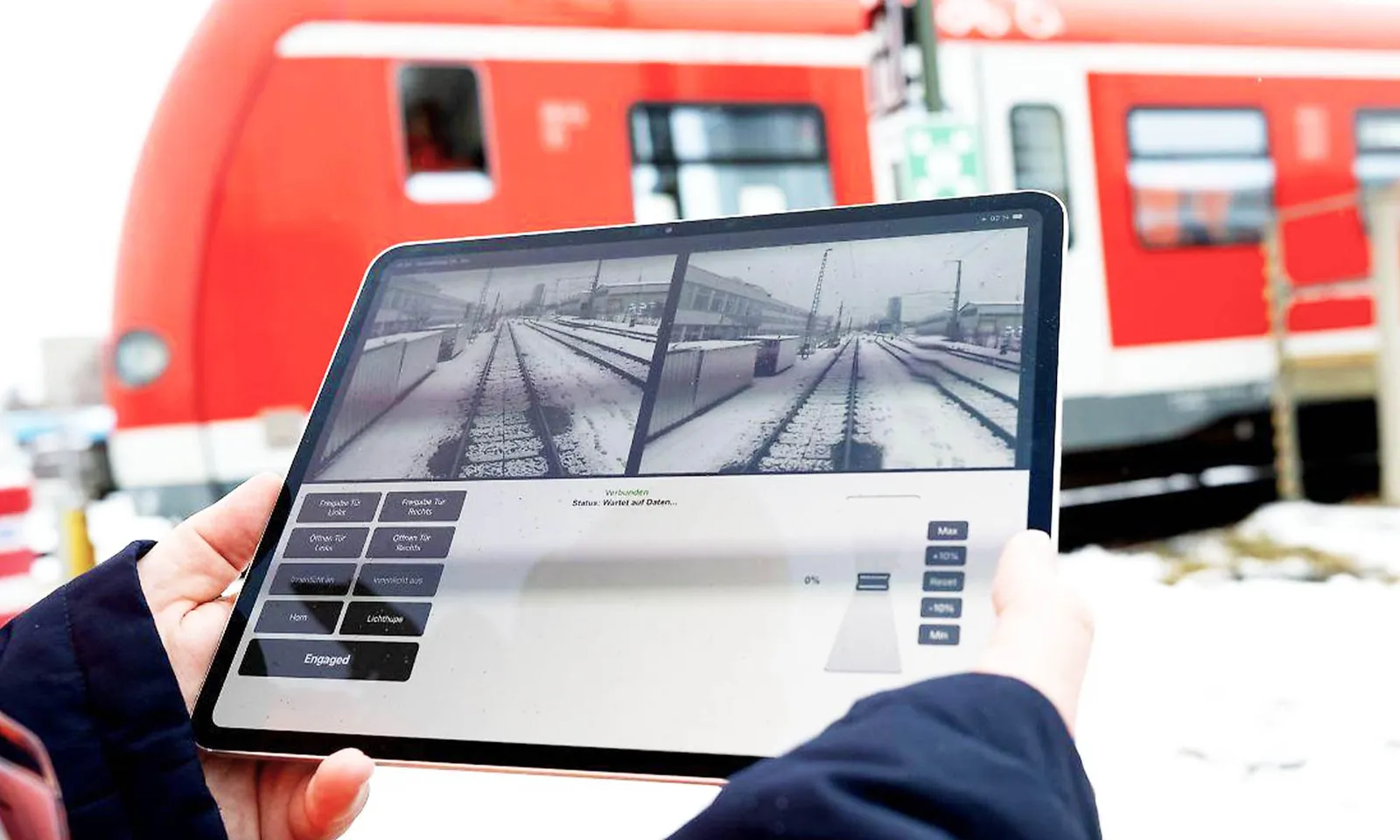
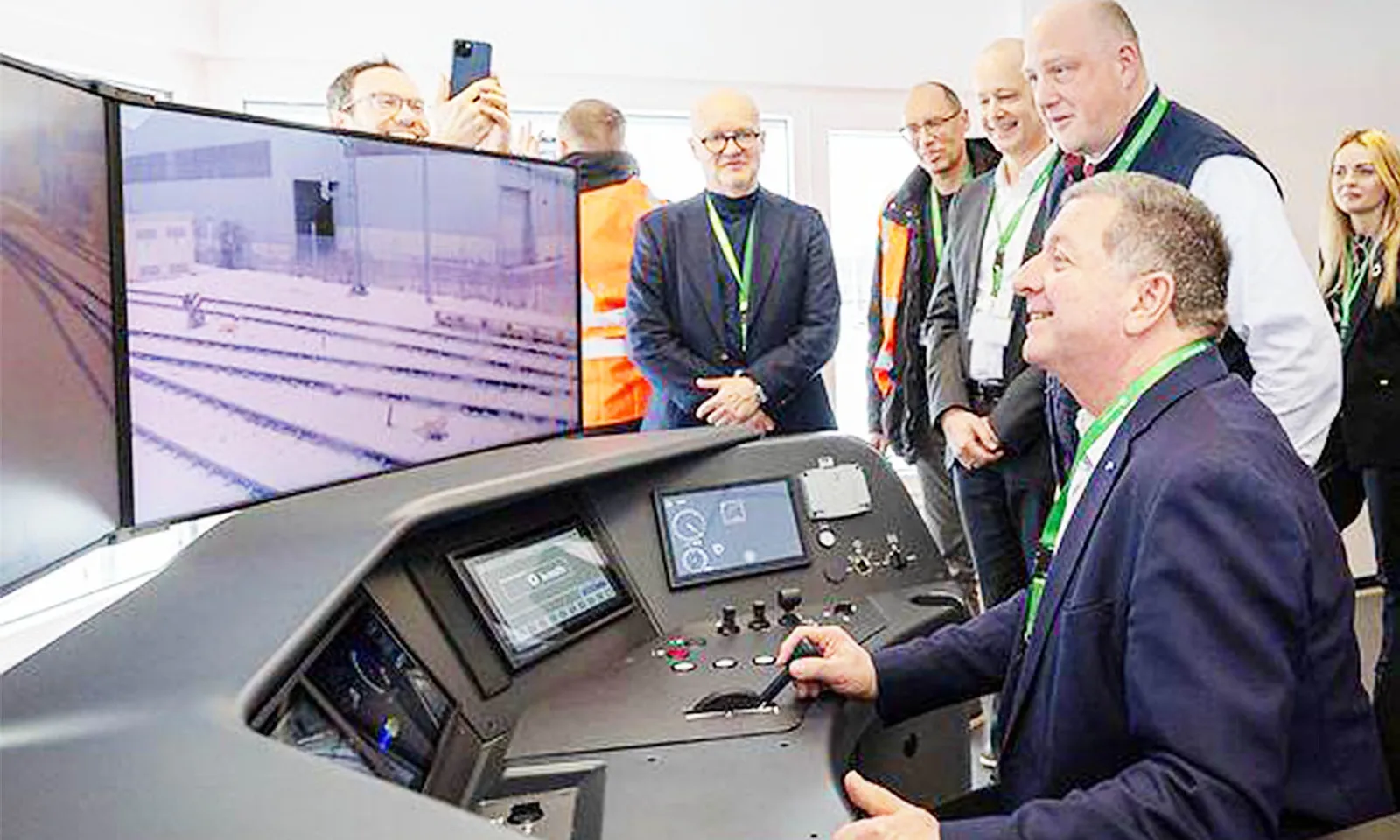
The connection is established through a private 5G network installed specifically for this project. The control center replicates the main elements of a conventional cabine, allowing the operator to manage the train while viewing images from the vehicle on screens. Functions such as door closing, lighting activation, and audio signals were also tested.
Deutsche Bahn and Alstom claim the system was put into operation in just four months, from the deployment of the 5G network to the installation of the technology on the train and at the remote control station. Deutsche Bahn’s investment in the test vehicle and control station amounts to around one million euros.
What’s the point if the train still needs a driver?
The first application is not designed for transporting passengers but rather for maneuvers within the depots. In Munich-Steinhausen, approximately 350 movements are carried out daily to move trains to cleaning facilities, workshops, or tracks where they are prepared for service.
Currently, these operations require staff to travel to the train and remain physically on board. With RTO, the operator can control the vehicle from a station located within the facility.
The advantage, therefore, is not to eliminate the driver outright, but to change where they perform their work and reduce travel time and idle periods. Deutsche Bahn believes this could speed up maneuvers and allow trains to be available sooner for commercial service.
In the Munich test, cameras and sensors have been added so that the operator can monitor the train’s surroundings during maneuvers. Alstom states that this approach can be applied to several train families, including the BR423, BR430, BR442, BR490, and BR1440 series, which together total several hundred units in Germany.
Deutsche Bahn also notes that around 400 trains of the 423 series are in operation in Germany, meaning there is a large fleet that could benefit from this technology.
RTO does not mean autonomous driving
This is one of the fundamental differences. RTO (Remote Train Operation) means that a person remains involved in driving, but is located in a control center. ATO (Automatic Train Operation) involves gradually transferring certain driving functions to the automated system itself.
According to DLR, at the GoA2 level of automation, the system can handle tasks such as accelerating, braking, and maintaining speed, but a driver is still on board. At GoA4, the highest level, the train can operate without any crew aboard. RTO, on the other hand, keeps humans part of the system, even if they are physically on land.
Therefore, describing the German system as an “autonomous train” would be inaccurate. It is a remote driving system that could become part of future highly automated rail operations.
The environment around a railway installation is much more controlled than an open line for traffic. On a conventional network, vehicles may appear at level crossings, people on the tracks, animals, fallen trees, or other obstacles. A fully automated system would need to detect and interpret these situations and respond safely.
DLR is researching exactly these technologies, including camera and sensor systems, artificial intelligence, positioning, communication, and methods for validating critical safety systems.
The company is working on a standardized remote control unit that is independent of the specific train model, with RTO and ATO being part of its efforts in railway automation.