
"It's self-destructive": Porsche's CEO attacks the Chinese market
02/10/2026 14:30
Updated to
02/10/2026 14:30
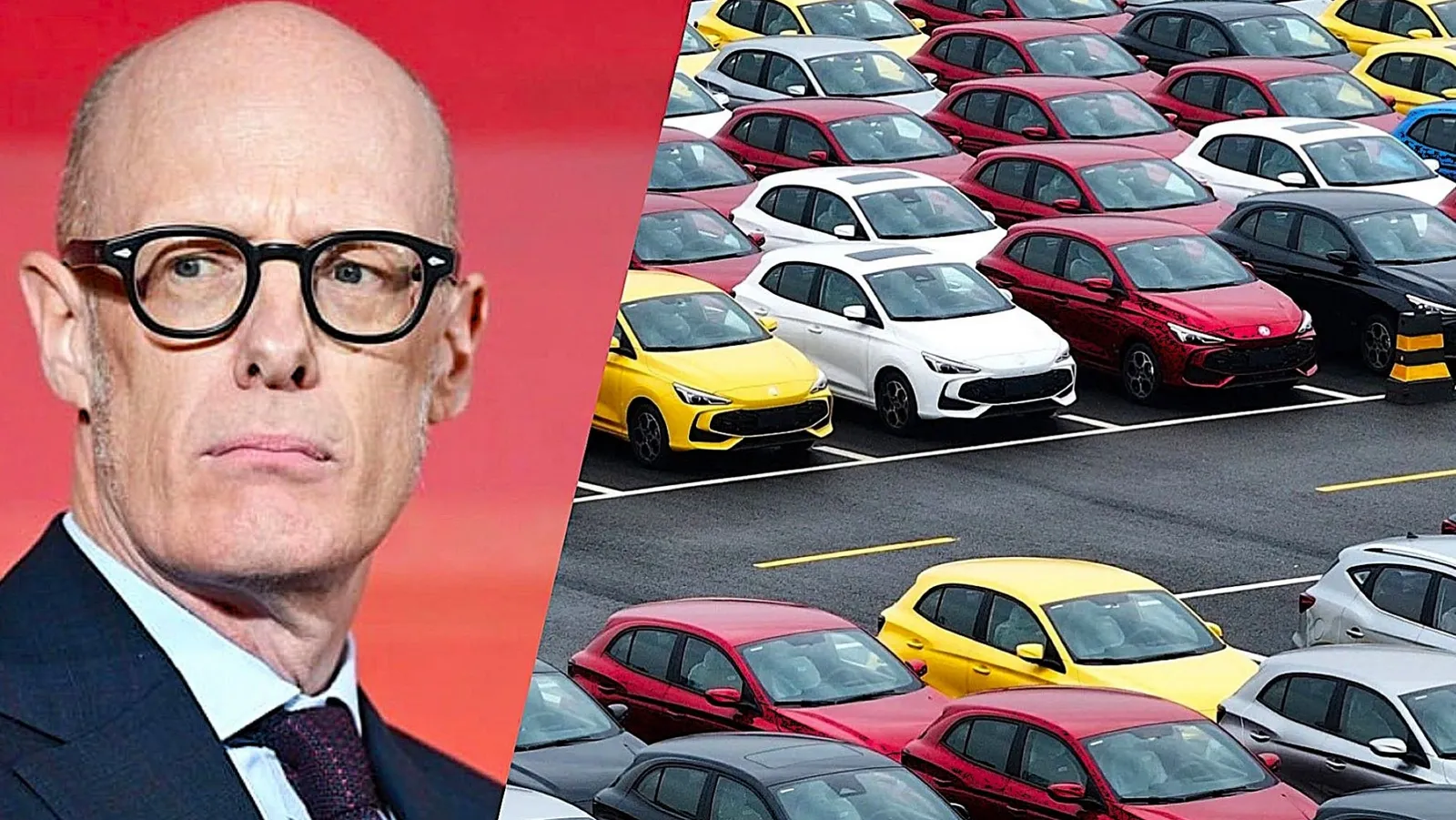
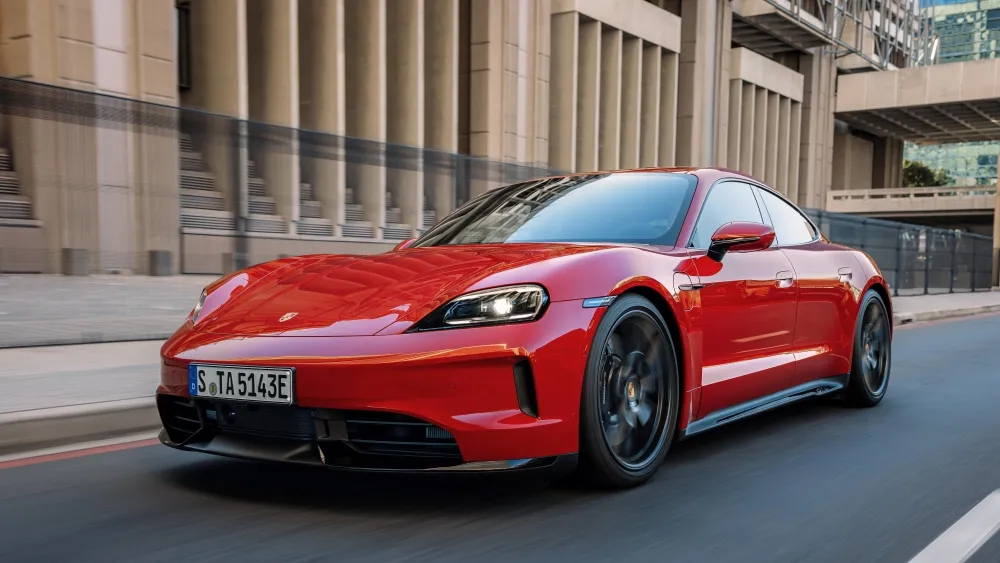
Porsche has been one of the most affected premium European brands by changes in the Chinese market over the past few years. Chinese nationalism regarding domestic cars has led to a sharp decline in sales of the Porsche Taycan — which we have tested — since 2024.
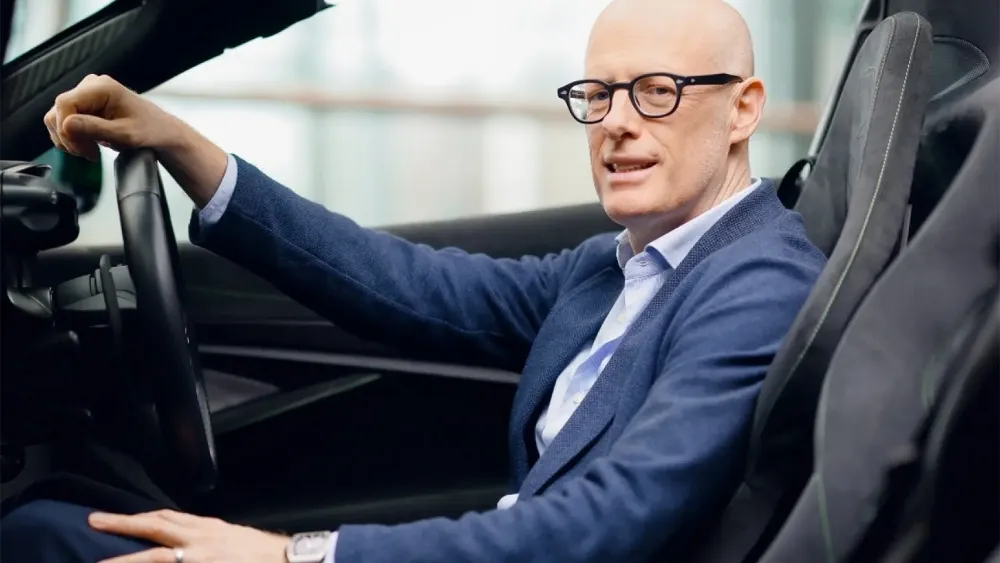
The new Porsche CEO is well aware of this. Michael Leiters took office at the end of last year, and during the first half of 2026, Porsche’s sales in China continued to drop by 32%. But it isn’t for this reason that the Porsche CEO considers this market, which represents “a huge challenge” for the Stuttgart-based brand, to be “self-destructive” as well.
The Chinese market: self-destructive according to Porsche and others
Porsche’s CEO is just the latest executive to criticize the current state of the Chinese market, as he explained in an interview with the financial newspaper Financial Times. According to Leiters, approximately two new products are launched in the Chinese market each day—sometimes even nearly four. This rate is unsustainable in the long term, prompting him to wonder how much longer it will last. His verdict is clear: such a competitive market “is self-destructive.”
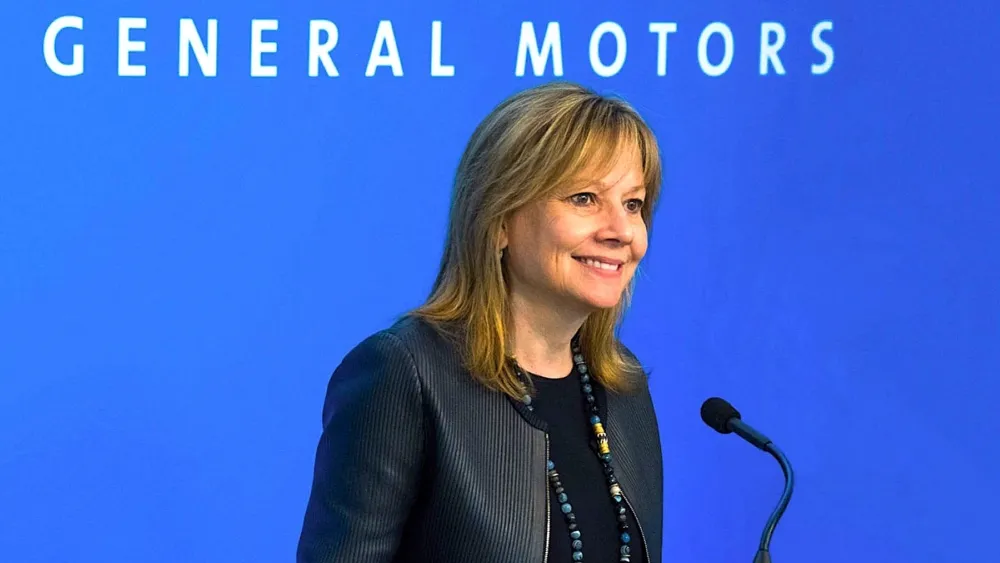
But this view on the world’s largest automobile market is shared by many others: from China’s Minister of Industry and Technology, who says there are “too many manufacturers” — a view echoed by GM CEO Mary Barra — to He Zhiqi, BYD’s executive vice president, who has described this launch frenzy as “completely crazy” and called the Chinese market simply “brutal.”
A Chinese market that Europe could match if…
Indeed, this situation in the Chinese market, where it increasingly relies on exports as a lifeline amid a nearly 20% drop in domestic demand, doesn’t surprise Porsche’s CEO.
Leiters knows that Asian manufacturers’ secrets lie in their rapid development speed and significantly lower costs—advantages that Porsche’s own CEO and other premium manufacturers in Germany and Europe could “catch up” to.
However, Leiters is also clear that the reason European brands cannot keep up with the speed of the Chinese market stems from various factors, such as differences in labor and energy costs between China and Europe, as well as the European regulatory environment.
"Solve this issue and we’ll succeed," he tells the Financial Times, adding that there’s no need to underestimate the strengths of European manufacturers. He ends with a strong message: "If we have equal conditions [in Europe as in China], we have no reason to fear competition."
