
E.On’s survey: Lower energy costs drive electric car choices
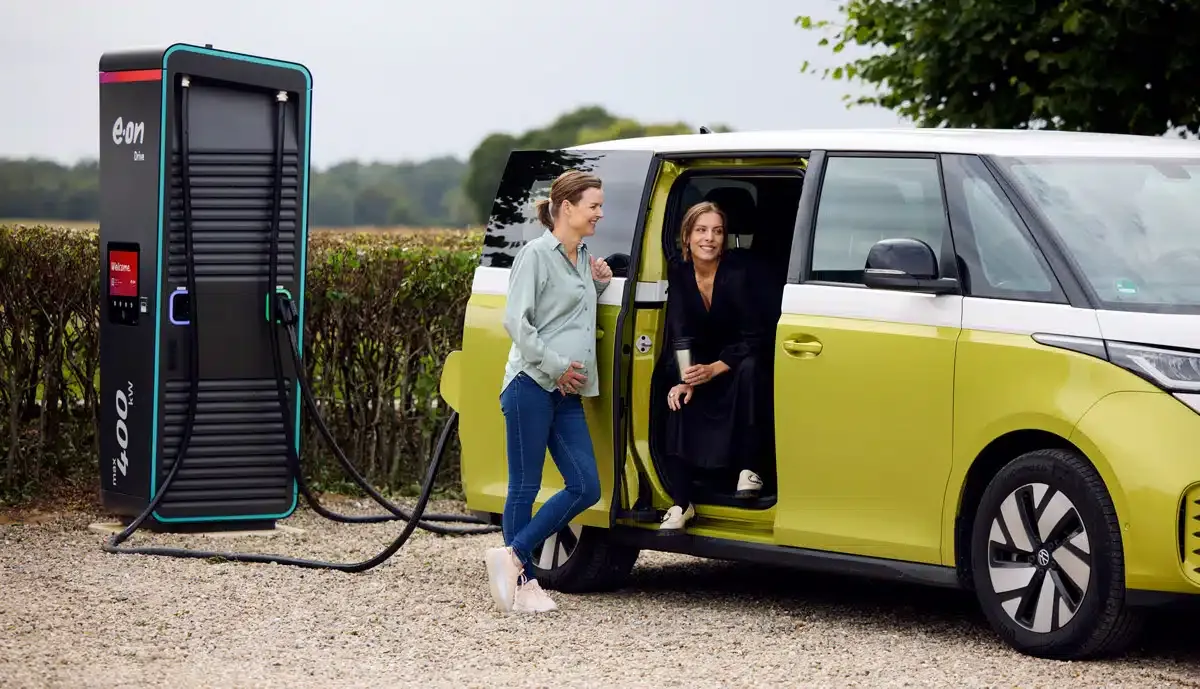
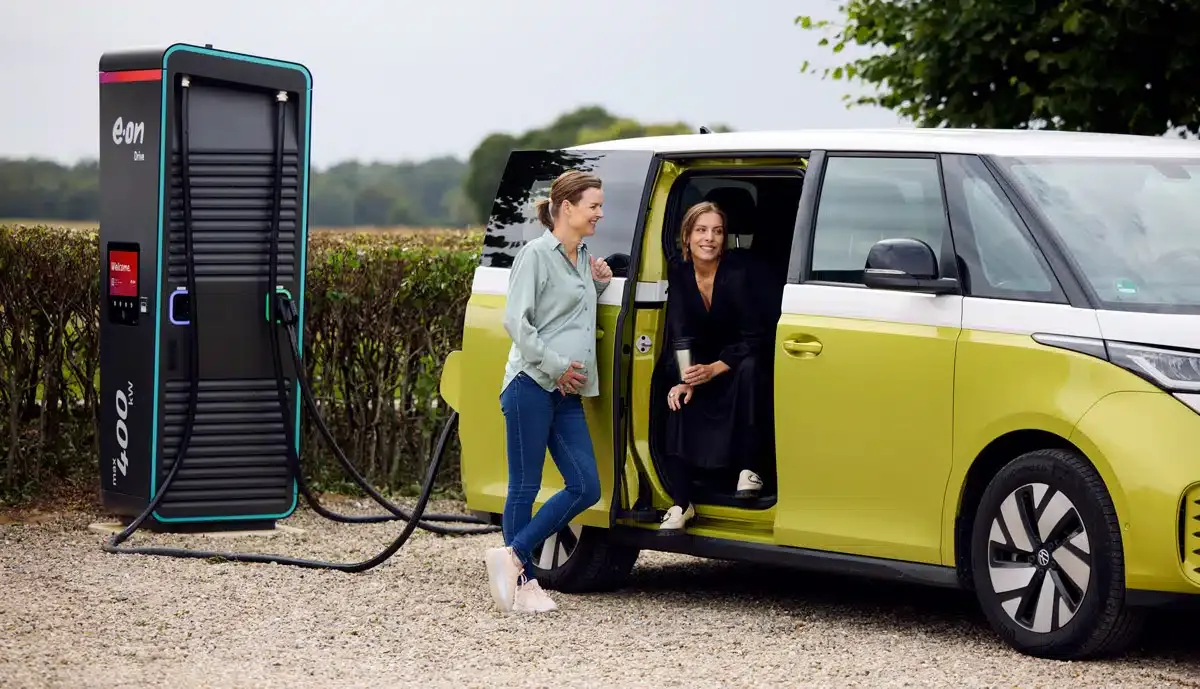
Image: E.On
A survey by E.On identifies lower energy costs compared to gasoline and diesel as the main reason for driving electric vehicles: 56 percent of electric car owners cite this factor first. Over 44 percent mention independence from fossil fuels, while just under 42 percent point to climate protection. Nearly 37 percent cite lower costs for maintenance, taxes, and parking as a deciding factor.
"Electric mobility is becoming the new normal for many people. By 2026, nearly 450,000 all-electric cars were newly registered, and in June, electric vehicles became the most popular type of vehicle in new registrations for the first time. This market surge is no longer a vision for the future; it is happening now and becoming increasingly visible on Germany’s roads and in the statistics," says Martin Endress from E.On Deutschland’s management team.
"Electric mobility also offers consumers a tangible economic advantage: those who can charge at home often benefit from lower energy costs compared to similar gasoline-powered vehicles. With their own solar panels or smart tariffs that shift charging to cheaper times, customers can further benefit financially while also supporting our energy system," Endress adds.
Those Who Drive Electric Stay That Way
Among all respondents, 26 percent would choose a fully electric model in their next purchase or lease. 29.5 percent would opt for a gasoline car, while 14 percent would choose a diesel one. Among those who already drive electric vehicles today, 90 percent would choose an electric car again.
Almost four percent of current electric vehicle owners would switch to a hybrid or plug-in hybrid in their next car purchase. Nearly three percent are still undecided. For those who would not choose an electric car at the moment, their main concerns are resale value and battery life, public charging costs, and range in everyday use.
28 percent of these drivers want more information on the battery’s resale value and lifespan, nearly 28 percent on the costs of public charging, and 26 percent on range.
Also interesting
About the author
Thomas Langenbucher is an expert in electromobility with professional experience in the automotive industry and finance sector. Since 2011, he has been covering electric vehicles, sustainable technologies, and mobility solutions for ecomento.de. Learn more.
Reader interactions