
E.ON study: Flexible electricity use could save households 1.65 billion euros per year
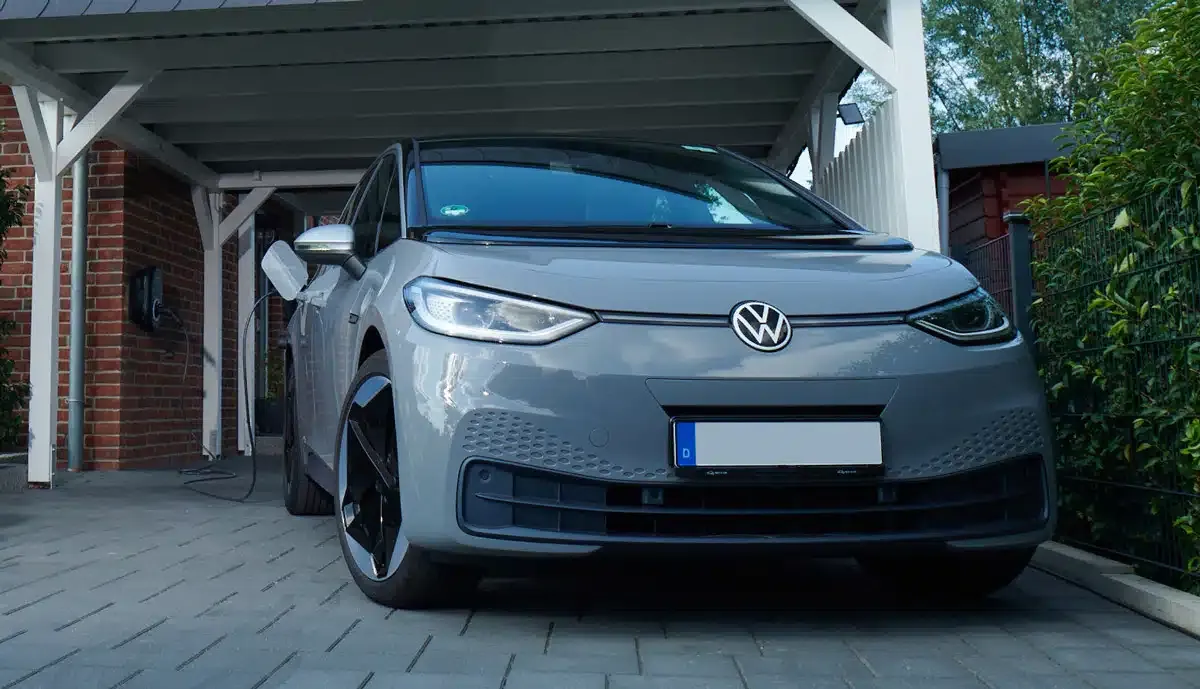
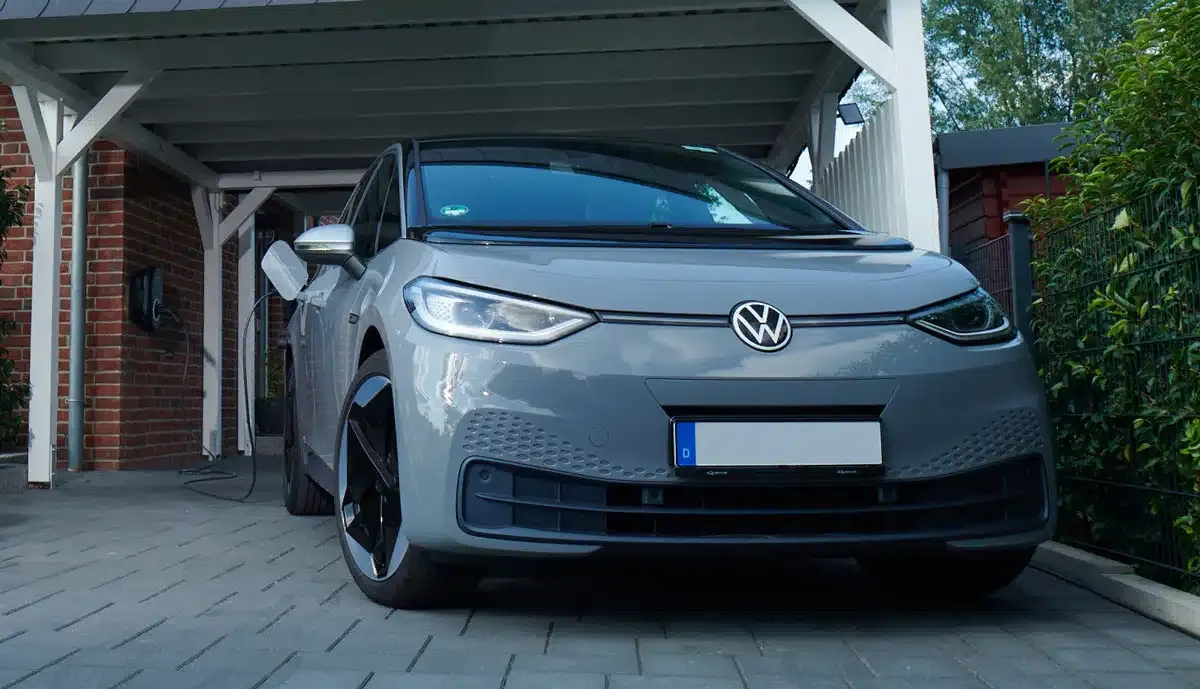
Image: E.ON | Malte Braun
The “E.ON Flexibility Check,” developed by the energy company in collaboration with the Research Institute for Energy Economics (FfE), estimates that German households currently have a maximum flexibility potential of 18.3 terawatt-hours of electricity per year. This figure takes into account electric cars, heat pumps, home energy storage systems, as well as washing machines, dryers, and dishwashers. Through optimized use, households could save up to 1.65 billion euros annually without reducing their overall electricity consumption.
The annual savings potential for existing electric cars, heat pumps, and home batteries is estimated at up to 762 million euros. If washing machines, dryers, and dishwashers are used optimally in terms of timing, the potential amount increases to 1.65 billion euros. The available flexible energy capacity is currently distributed as follows: 4.9 TWh from 2.2 million home batteries, 3.6 TWh from over 2 million electric cars, and 1.5 TWh from nearly 2 million heat pumps.
By 2031, the maximum flexibility potential is projected to be around 34 TWh. At that time, 5.2 million home batteries are expected to provide 13.7 TWh, 5.6 million electric cars 9.3 TWh, and 3.6 million heat pumps 2.9 TWh of flexible energy capacity. The number of washing machines, dryers, and dishwashers remains largely unchanged in the projections.
By utilizing the considered devices and energy solutions flexibly over time, it is possible to save over one million tons of CO2 per year. Optimal times for electricity consumption usually correspond to periods when there is abundant wind and solar power in the grid. Smart tariffs can either offer fixed flexibility bonuses for shifting consumption times or be dynamic tariffs that adjust based on current market electricity prices.
In a representative public survey, nearly 46 percent of respondents said they were already aware of dynamic tariffs or those with flexibility bonuses. 68 percent are willing to shift certain consumption activities to cheaper times of day if it benefits them financially; when choosing between the two tariff types, more than three times as many prefer flexibility bonuses over dynamic tariffs.
In the federal state ranking for the Flexibility Check (PDF), Bavaria ranks first with 550 kWh of shiftable potential per household, followed by Baden-Württemberg with 505 kWh and Lower Saxony with 515 kWh. The ranking takes into account not only the amount of shiftable energy per household but also the level of awareness and willingness of the population to use electricity flexibly.
"Our joint study shows that the potential is enormous and people are ready to make use of it," said Filip Thon, CEO of E.ON Energie Deutschland. "With appropriate tariffs that we already offer successfully, we create the foundation for this. But the regulatory framework also needs to be in place... When used correctly, flexibility not only reduces electricity costs for individual households but also lowers the overall costs of the energy system for everyone."
Also interesting
About the Author
Thomas Langenbucher is an expert in electromobility with professional experience in the automotive industry and finance sector. Since 2011, he has been covering electric vehicles, sustainable technologies, and mobility solutions for ecomento.de. Learn more.
Reader Interactions