
Offshore wind: government cuts funding, Emilia Romagna and Puglia protest
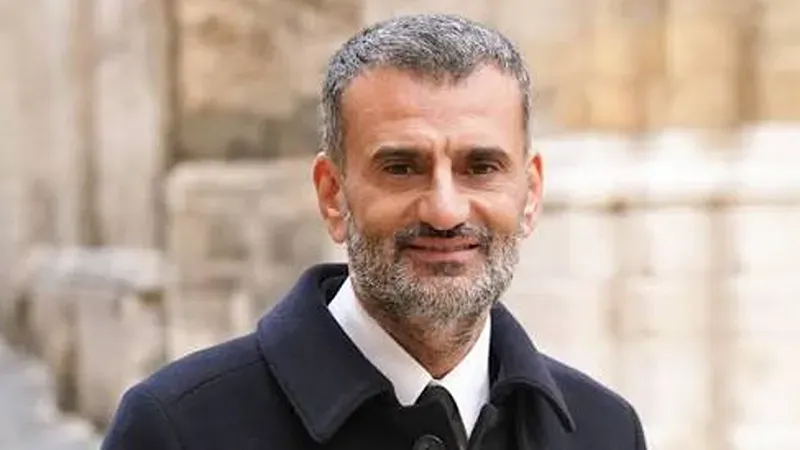
The government is slowing down offshore wind projects and cutting funding for them. Two regions—Emilia-Romagna and Puglia—are criticizing this move. Michele De Pascale, the governor of Emilia-Romagna, said as much in Vaielettrico (“The government is hindering us”), and now Irene Priolo, the environment minister, repeats this view: “Nothing has been resolved.” Puglia also condemns the situation, where Meloni’s government halved the funds allocated to the facility linked to the port of Taranto, from 28.5 million to just under 14 million. Antonio Decaro, the regional president, is demanding explanations from the government. Considering the total funding allocated to the two national hubs for offshore wind development—Taranto and Augusta—the funds have dropped from over 78 million to 38.3 million. Protests are also emerging in Sicily, where several companies warn of a slowdown in the industry there.
Funding Cut in Puglia and Sicily by Half, Decaro: “Ununderstandable Decision”
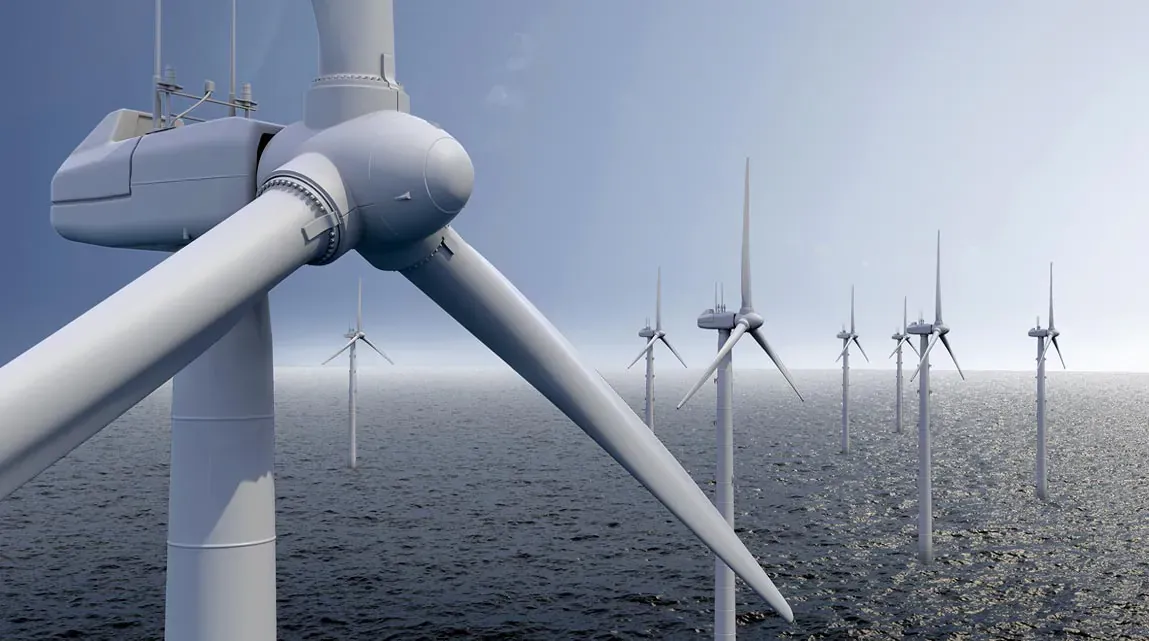
The funding for the ports of Taranto and Augusta, intended for the development of the offshore wind industry, has been halved. Let’s clarify what this means: with the initial allocation of over 78 million, these two ports were planned to host production and pre-assembly areas for floating wind turbines, docks and landing pads for handling components, as well as logistical infrastructure for launching and managing offshore structures. These investments were meant to create jobs in two cities that are supposed to lead the transition from heavy industry and fossil fuels to new economic opportunities.
Regarding the cut to funding — part of the overall reductions across ministries — Environment and Energy Security Minister Gilberto Pichetto Fratin tried to address the issue by guaranteeing that all amounts would be restored by 2027. The minister’s explanation is that the reallocation of spending for the current year was determined based on the actual progress of projects and their respective timelines. It’s a technical matter.
Nine EU countries will develop 100 GW of offshore wind power in the North Sea
But politics and local economic representatives argue otherwise: “The Ionian Sea Port System Authority has already completed the technical and functional adjustments to the port development plan.” This is stated in a statement from the Puglia region, where President Antonio Decaro emphasizes: “It’s an incomprehensible decision that we at least ask to be explained to us.”
Offshore development is also advocated by industry leaders and Cgil
It is not just a political dispute. Salvatore Toma, president of Confindustria Taranto, condemns this decision as one that causes “great concern and alarm.” As reported in the Gazzetta del Mezzogiorno, the industry representative emphasizes “the role that offshore wind energy could play in the region’s industrial transformation, through investments, assembly and maintenance activities, training, and new employment opportunities for workers from the former Ilva plant.”
Giovanni D’Arcangelo, general secretary of Cgil Taranto, joins this criticism, denouncing “yet another cut in funding for the region” and highlighting the employment impacts of the project, including for workers from the former Tct plant.
Offshore wind making a comeback: Two plants shut down by Trump now operational
The statement from the Ionian Sea Port System Authority (AdSPMI) is highly detailed, containing numerous dates and legislative references. It states that all requests from the ministry have been addressed and that it “only learned this Tuesday about the reallocation of resources, thus the need to adjust the project accordingly.” There is a lack of clear push from Rome to accelerate the project.
Emilia-Romagna region: “There’s a risk of driving investors away”
In May, in Vaielettrico, President De Pascale made it clear that the region aims to far exceed its targets by 2030, but there are political obstacles. “It is the government that approves and then, in our case, hinders offshore wind projects, causing delays that we cannot afford given the current geopolitical situation.” A clear message.
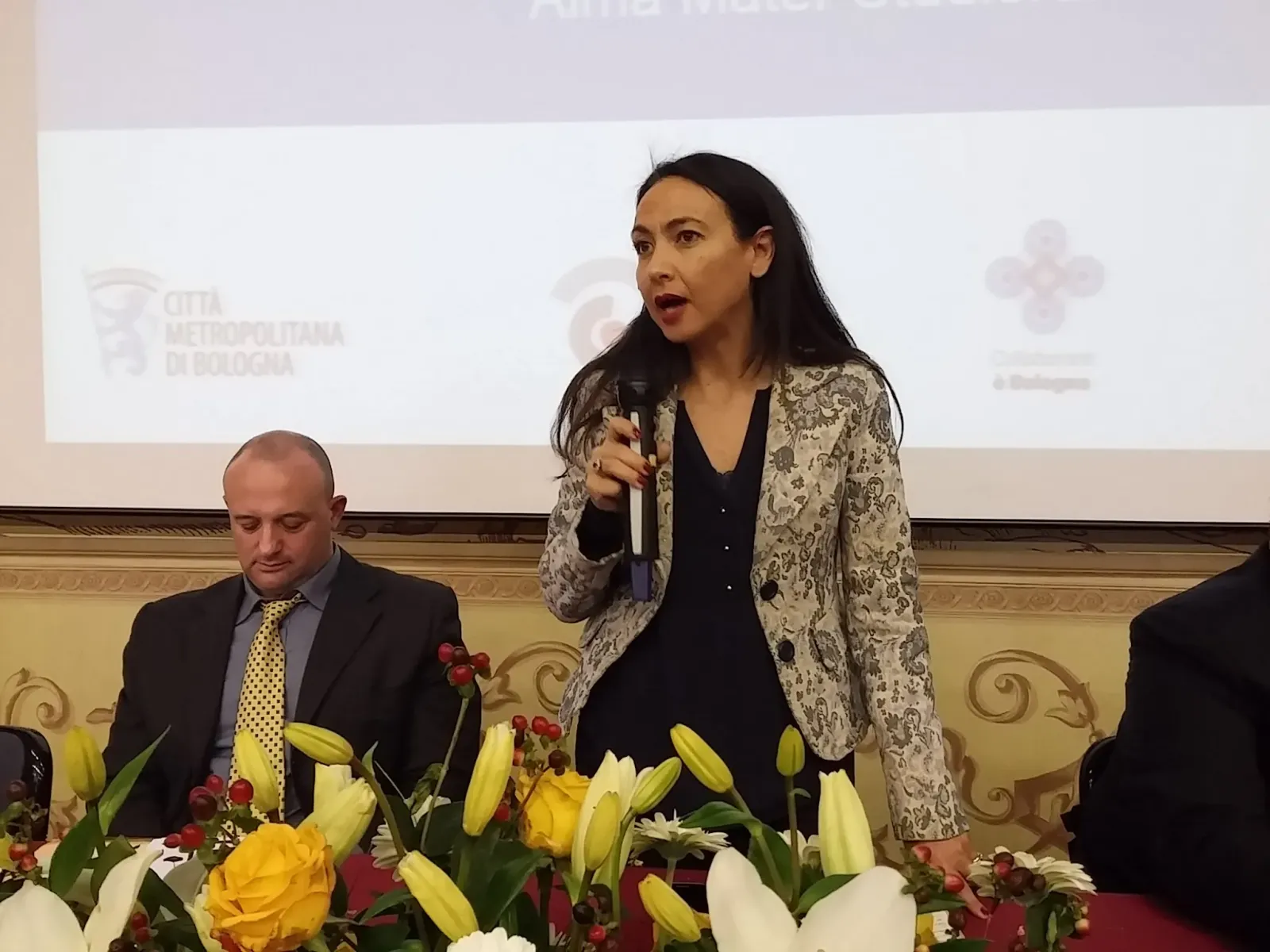
Almost five months later, nothing has moved, as Ravenna’s Environment Councillor Irene Priolo reports on the Agnes project: “Nothing has been resolved.” A risk is emerging: “The longer things take, the more investors may decide to back out. And that would be a real problem for us.” She is referring to the goals that must be achieved by 2030. “For us, it would mean one gigawatt of capacity, so in terms of the target objectives, it would put us in a very strong position.”
Agnes Project: Ravenna Outcompetes Rimini for Offshore Wind Park
If in Taranto the minister reassured them regarding resources, what is the response for Romagna? “In our latest discussion with Minister Gilberto Pichetto Fratin, there was an issue related to auctions and their value depending on the type of plant—floating or traditional. Auctions are currently suspended, which would be a real problem for us: especially since the plant in Ravenna had the potential for further capacity expansion. It connected wind and floating solar power, so Ravenna could have been positioned as an energy hub.” It seems like a De profundis.
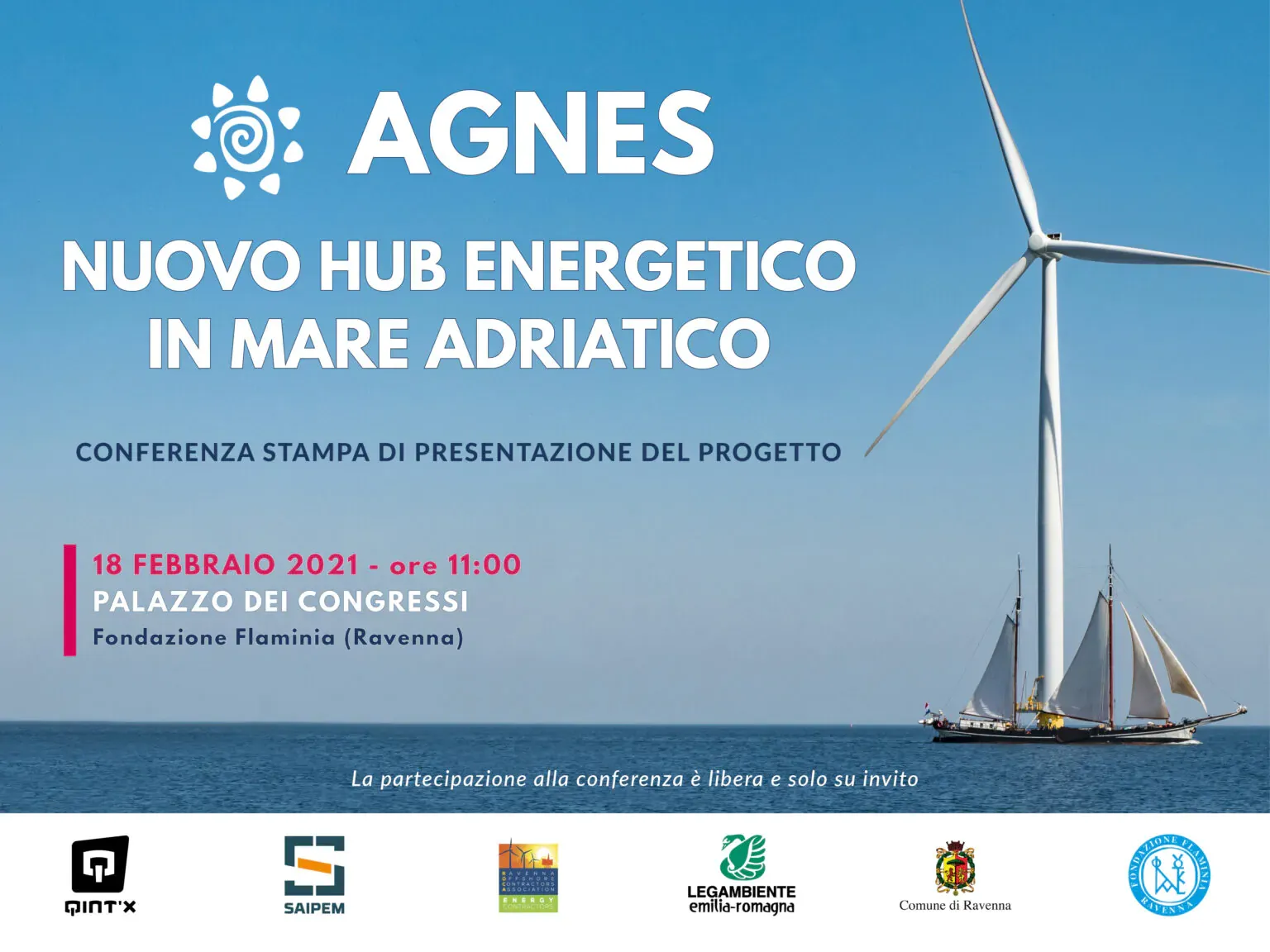
Vice President Vincenzo Colla, in August, told Sole 24 Ore about the auctions: “Agnes already has all the permits. She is just waiting for the tender that will set an appropriate tariff to ensure investment.” In this case, it is not the regions holding things up.
READ ALSO: Those excluded from the charging station bonus speak out, furious; WATCH THE VIDEO
Previous Article
Eni and Enel relaunch charging subscription plans
Next Article
Journey to electric China: 4,000 km to understand their direction