
With a range of 344 to 497 kilometers and starting at 29,995 euros, the new Hyundai Ioniq 3 already has prices in Spain
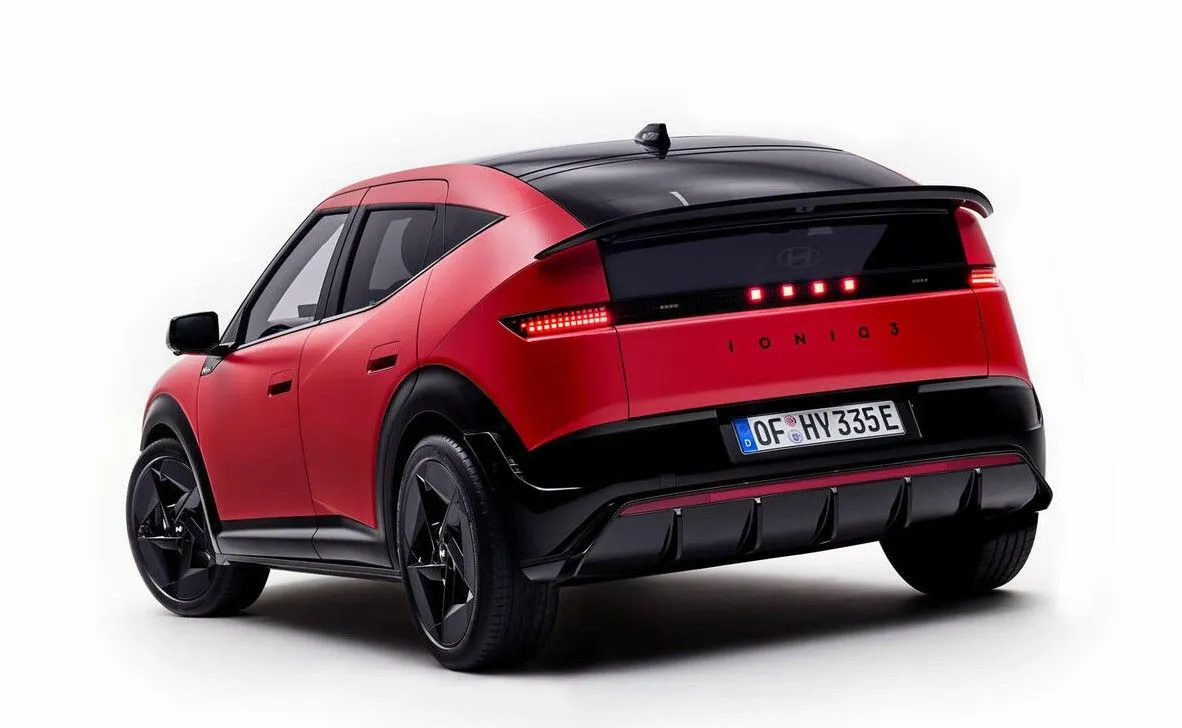
Hyundai is almost ready to introduce the IONIQ 3 in Spain, a compact electric vehicle that the Korean brand aims to use to gain a stronger foothold in one of the market’s most important segments. The new model features a five-door design, an entry price below 30,000 euros, and a maximum range of 497 kilometers, though the Spanish lineup will be much broader than what was initially announced.
The IONIQ 3 occupies a particularly interesting position within Hyundai’s lineup. The previous i30 is no longer available, and this new model has become one of the brand’s key strategies to regain its presence in the compact segment, but this time with an entirely electric powertrain. Hyundai also developed it specifically for the European market and manufactures it at its plant in İzmit, Turkey.
The Spanish lineup offers five finish levels and two battery options, with a significant difference between them. The entry-level version comes equipped with a 42.2 kWh battery and a 108 kW motor, while the higher-range option features a 61 kWh battery and a 99 kW motor. Interestingly, the version with the larger battery is not the most powerful, as Hyundai has clearly prioritized efficiency and range.
A compact electric vehicle with five finishes and up to 497 kilometers of range
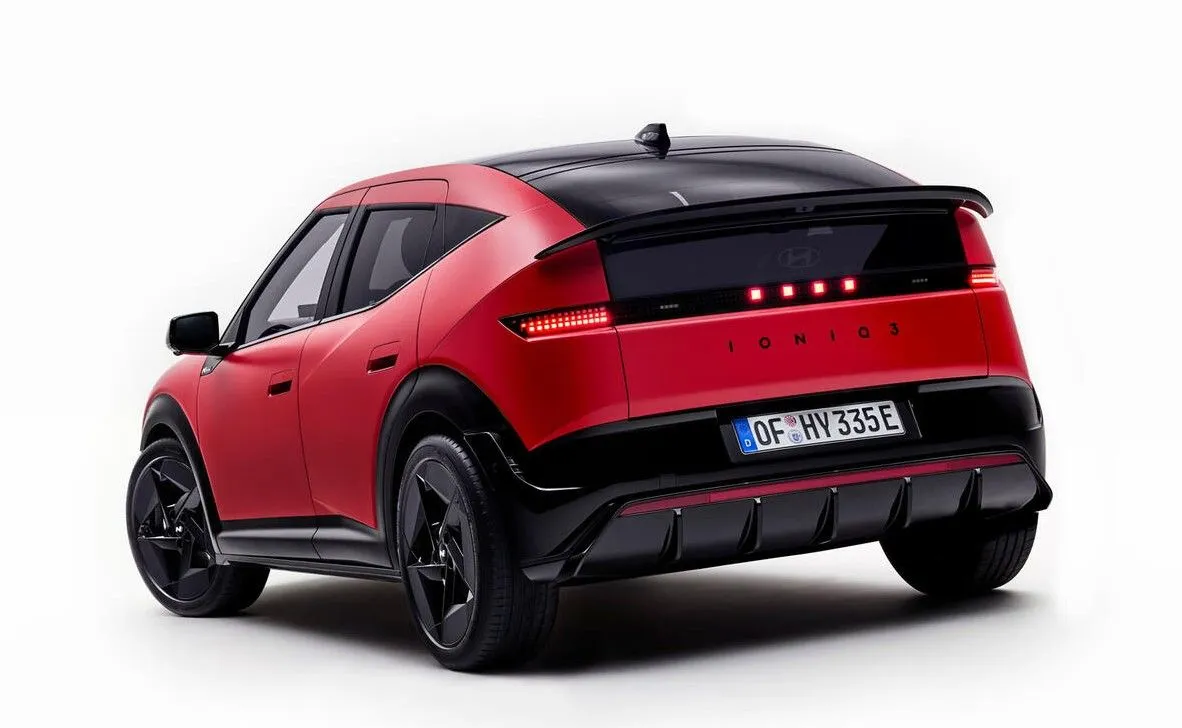
The Hyundai IONIQ 3 features a five-door body design heavily focused on aerodynamics. The brand has worked diligently on this aspect to achieve an aerodynamic coefficient of 0.263, a figure that helps reduce fuel consumption and allows for better utilization of the battery. It also retains the distinctive pixelated lighting units from the IONIQ family, with the four dots representing the letter H in Morse code.
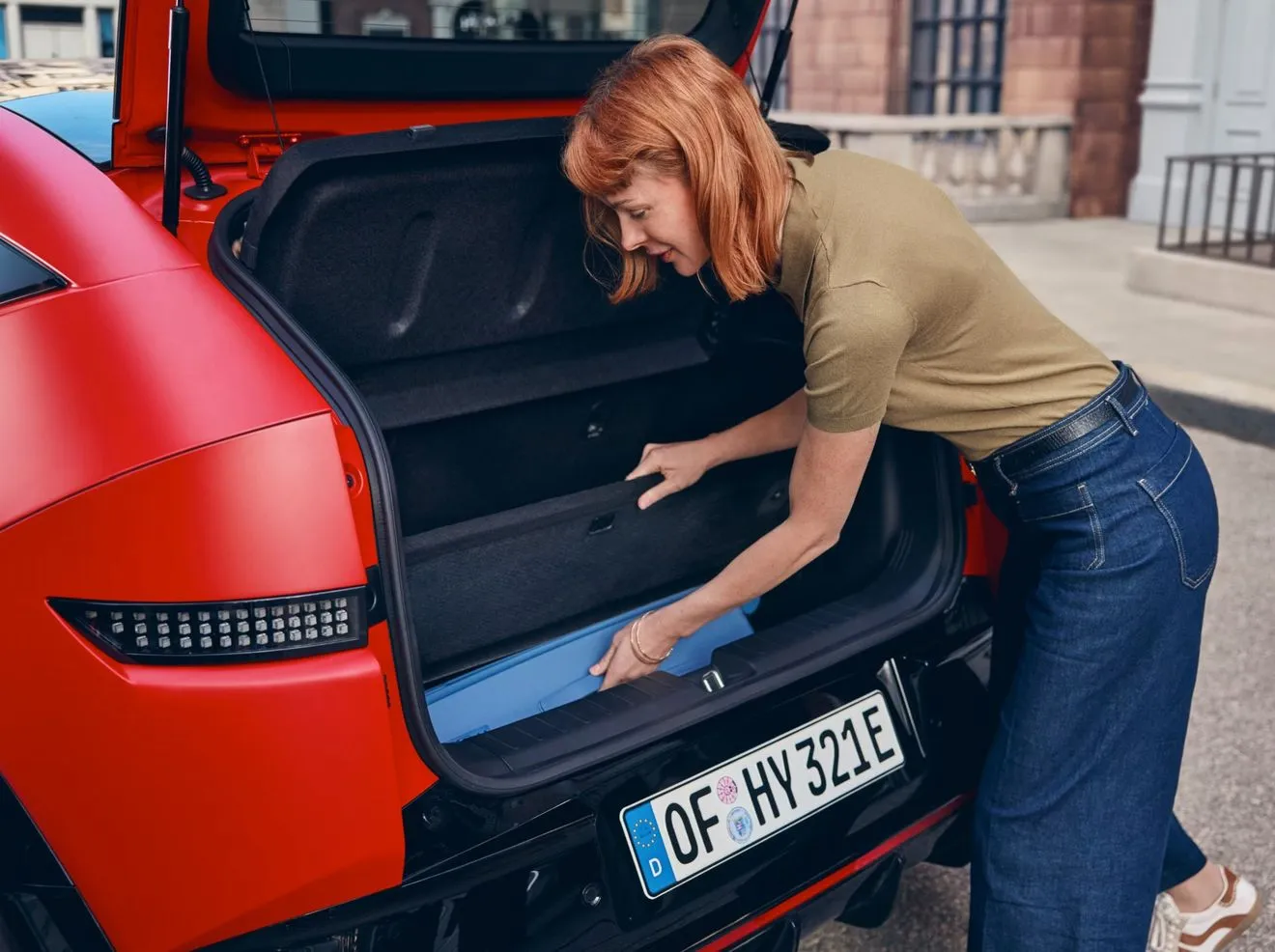
Inside, the IONIQ 3 offers five seats and a trunk space of 322 liters, which can be expanded to 441 liters when including the space available under the hood. Hyundai has focused on creating a tech-driven interior while still maintaining the practicality expected from a compact car for daily use.
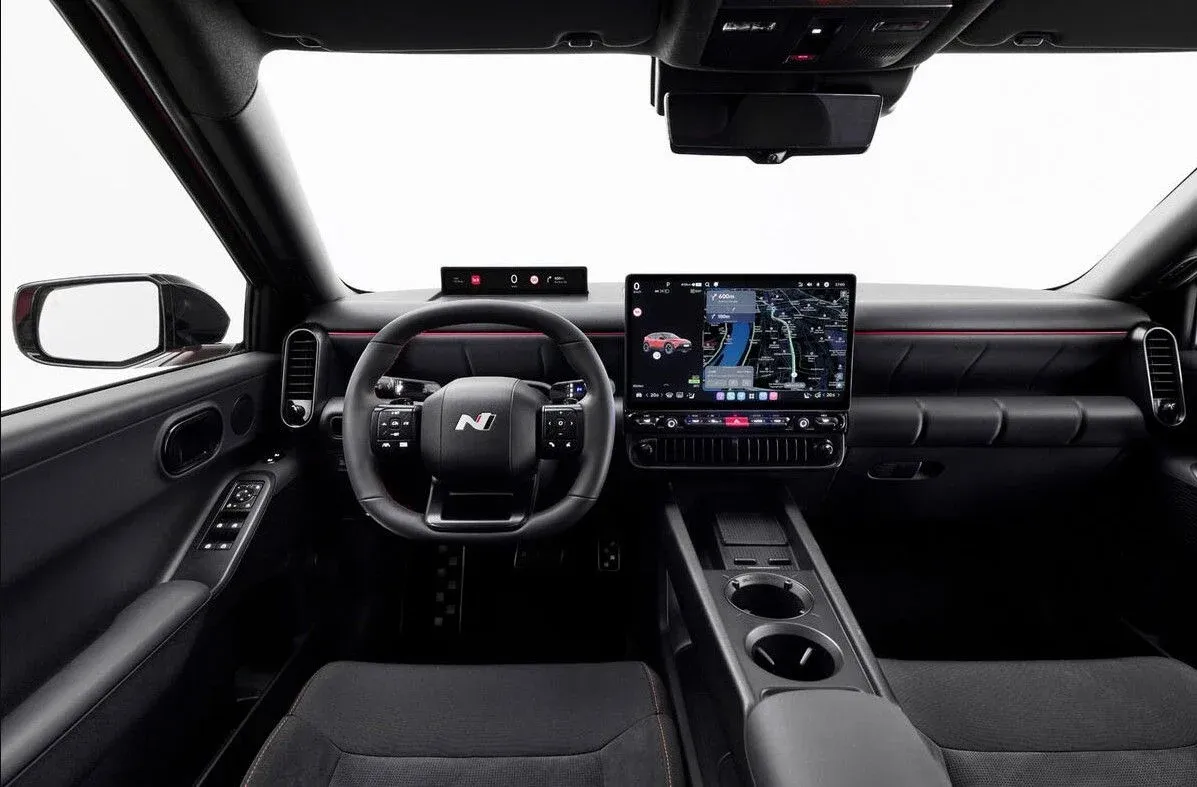
The Select trim already includes features such as 16-inch alloy wheels, LED lighting, a two-zone automatic climate control system, front and rear parking sensors, and a 12.9-inch central display with the Pleos Connect system. It also offers wireless connectivity for Apple CarPlay and Android Auto, Bluelink services, rear USB ports, along with various safety and driving assistance systems.
The next trim level, Trend, adds pre-conditioning for the battery, 17-inch tires, wireless charging for mobile phones, a heated steering wheel, heated outer rear seats, tinted rear windows, electrically folding mirrors, and a driver’s seat with electronically adjustable lumbar support.
Above that is the Prime trim, which includes a heat pump, 18-inch tires, Full LED headlights with IFS technology, a navigation system, ambient lighting, fabric upholstery with a leather-like finish, and Highway Driving Assistant 2.0. The N Line offers a more sporty appearance, featuring specialized 18-inch tires, red stitching, metal pedals, a 14.6-inch touchscreen, 360-degree camera coverage, blind spot monitoring, and remote parking assistance.
The range is topped by the N Line Evo, which features 19-inch tires, a 22 kW three-phase charger, V2L functionality to power electrical devices from the car, a digital key, Bose audio system, and more advanced front seats. These seats offer electric adjustment and memory functions, as well as relaxation and ventilation features, while both front and rear seats come equipped with heating.
In terms of mechanics, the IONIQ 3 is available in two configurations. The 42.2 kWh battery comes with a 108 kW motor, equivalent to about 147 horsepower, and allows for a range of up to 344 kilometers. This combination is available only on the Select and Trend trims.
The 61 kWh option uses a 99 kW motor, equivalent to 135 horsepower, and provides the maximum range of 497 kilometers. It is available across a much wider range of trims, though the exact certification figures may vary depending on the trim and equipment. Hyundai Europe officially confirms a maximum range of 497 kilometers for the IONIQ 3.
This choice might seem surprising at first glance. Typically, a battery with higher capacity comes paired with a more powerful engine, but Hyundai has opted for the opposite strategy. The IONIQ 3 with greater range sacrifices power to reduce consumption, a decision that makes sense for a compact vehicle designed primarily for daily commuting and long trips.
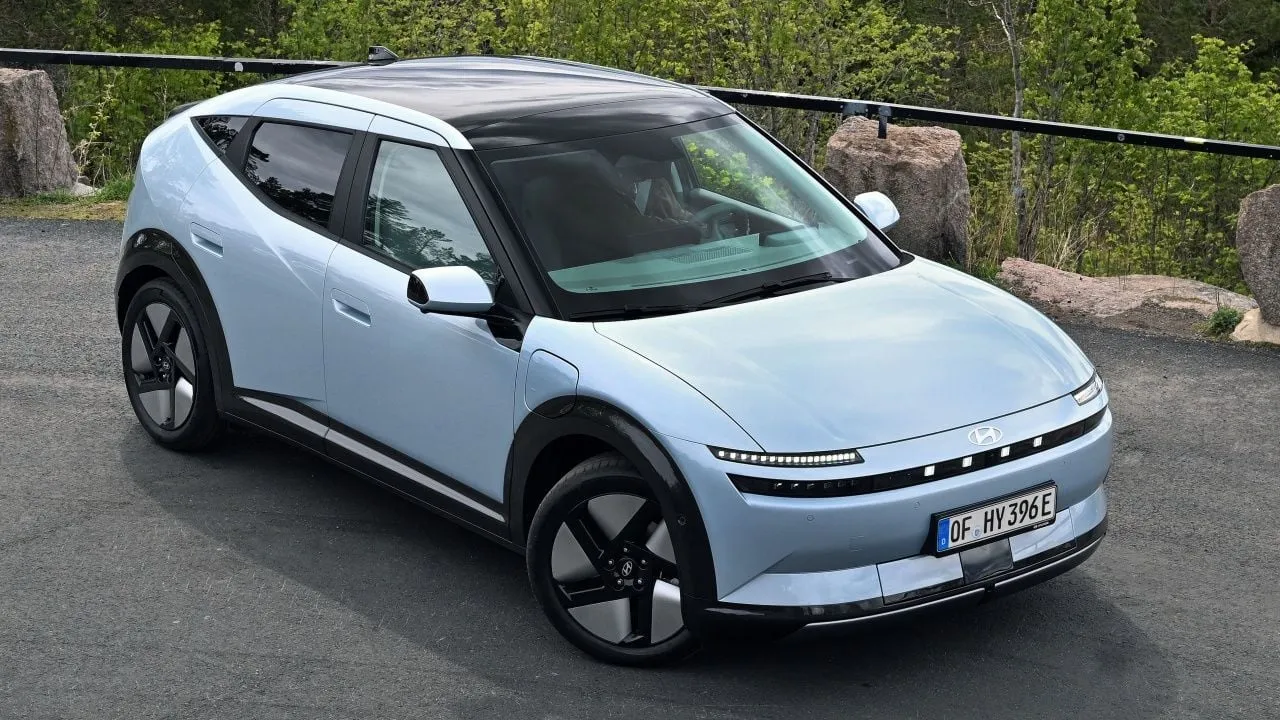
Fast charging should not be a problem either. Hyundai claims approximately 29 minutes to go from 10% to 80% in compatible versions, while the Spanish brand reports a similar official figure for its model. The IONIQ 3 also features V2L technology in higher trims, allowing the energy stored in the battery to power various devices.
The most interesting aspect for Spanish buyers is the pricing. The announced range starts at 29,995 euros for the IONIQ 3 with a 42.2 kWh battery, 108 kW power output, and the Select trim. The same propulsion system with the Trend trim costs up to 33,895 euros.
For the 61 kWh battery, the price starts at 33,995 euros for the Select trim and rises to 37,895 euros for the Trend trim. The Prime version costs 43,495 euros, while the N Line Evo reaches 44,795 euros. The N Line is positioned as one of the mid-tier configurations in the range, although Hyundai Spain is still finalizing all official prices for the configurator.
Version
Select
Trend
Prime
N Line
N Line Evo
108 kW / 42.2 kWh
29,995 euros
33,895 euros
—
—
—
99 kW / 61 kWh
33,995 euros
37,895 euros
43,495 euros
—
44,795 euros
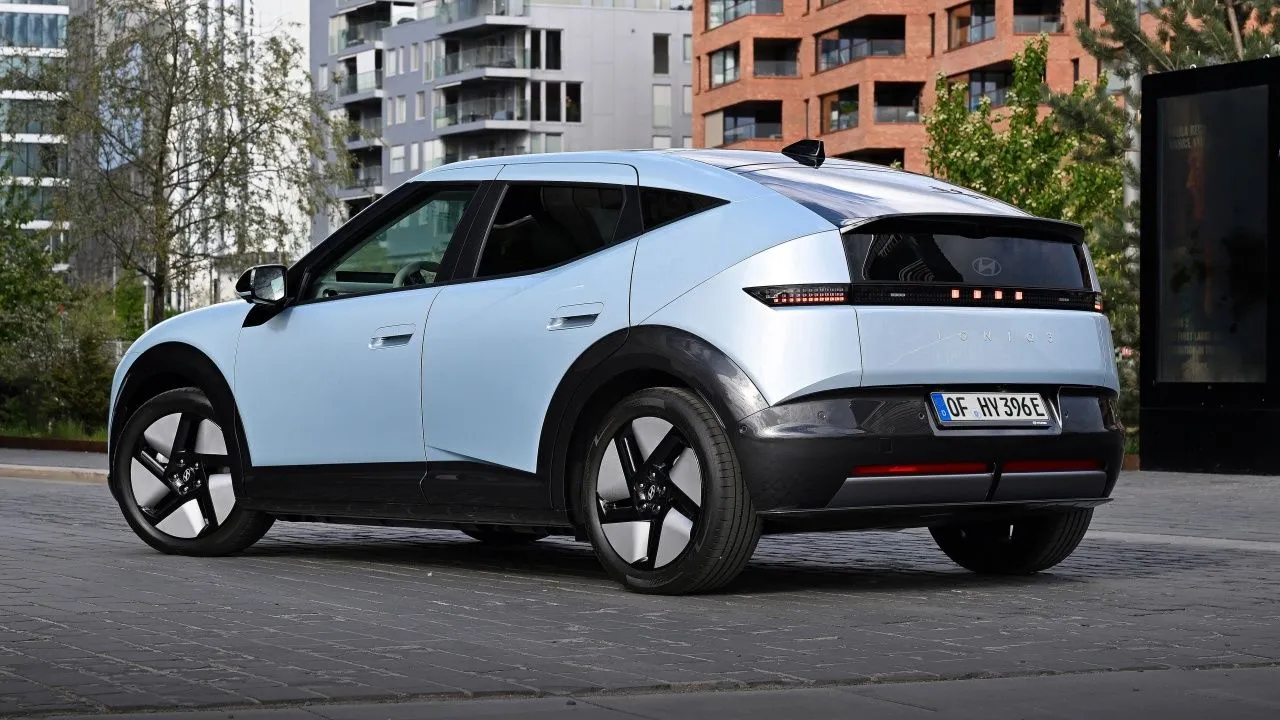
It should be noted that Hyundai España has already set the launch terms for the first 200 units, with an IONIQ 3 N Line available at a monthly payment of 145 euros, including a down payment of 3,825 euros under the Plan Auto+ program. The listed reference price for this car is 39,995 euros before any discounts.
The fact that the price remains at 29,995 euros is one of the main selling points of the new IONIQ 3. However, it’s important to put this figure in context, as production takes place at Hyundai’s plant in İzmit, Turkey. Hyundai has invested 250 million euros to adapt the facilities for this model’s production, with an initial capacity of around 30,000 units per year.
This is significant for those considering taking advantage of the Auto+ scheme. The IONIQ 3 is not manufactured in the European Union, so it should not qualify for the additional incentives reserved for cars produced within the EU, although the specific terms of these subsidies will depend on regulations and calls for applications in effect at the time of purchase.
In any case, Hyundai has managed to place the IONIQ 3 in a very advantageous position. A compact electric vehicle with up to 497 kilometers of range, five trims, and a starting price below 30,000 euros has sufficient strengths to compete in an increasingly competitive category. What remains to be seen is what the final prices will be after discounts and incentives are applied once Hyundai finishes developing its Spanish configuration tool.