
BDEW Energy Association: Charging infrastructure for electric trucks is developing positively
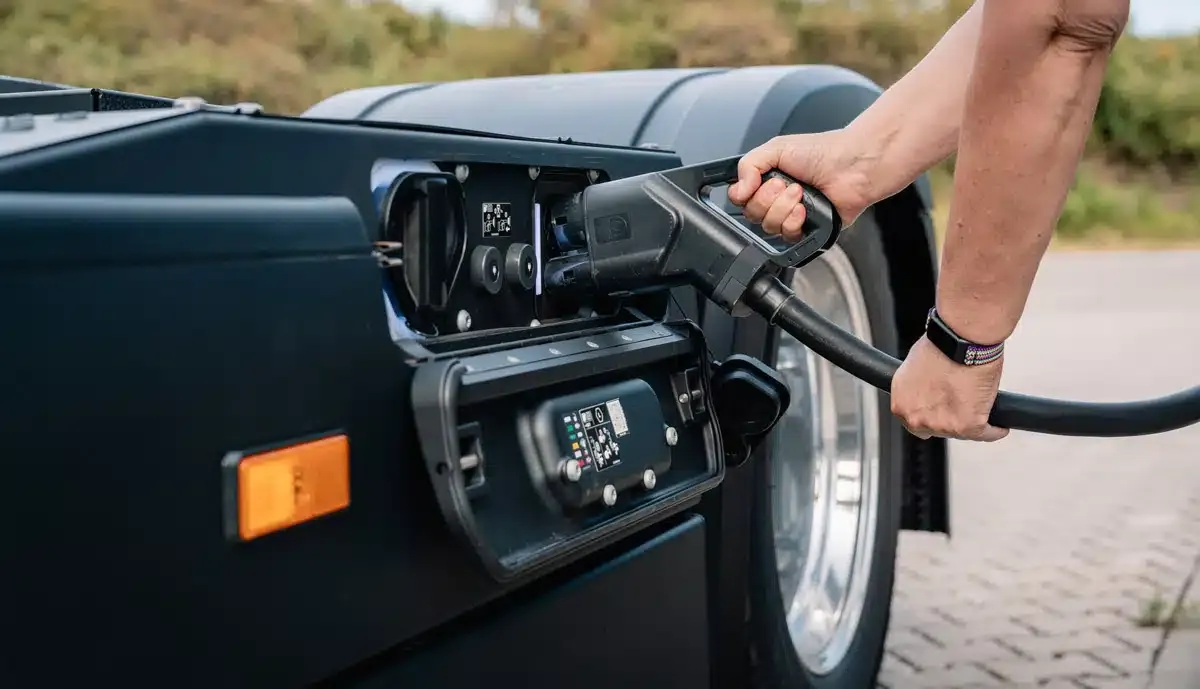
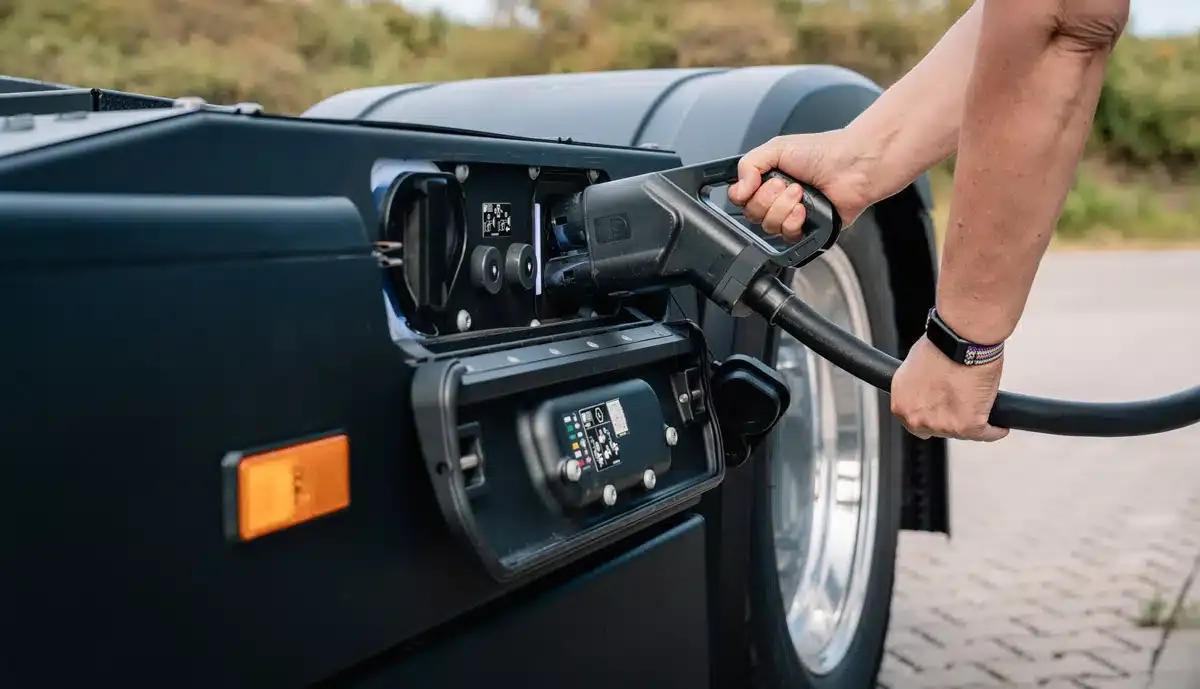
Image: Daimler Truck (illustrative)
The expansion of public charging infrastructure for heavy electric commercial vehicles has made significant progress in just a few years, according to the Federal Association of Energy and Water Economy (BDEW).
According to the “eTrucker” app used by logistics companies, there were approximately 790 charging locations available across Germany for electric trucks in September 2026, states the energy association. These figures have been verified through actual charging activities on site. In addition to charging stations designed specifically for trucks, the list also includes particularly fast charging stations in passenger vehicle charging hubs that can be used by electric trucks due to their accessibility and facilities.
"The charging market for electric trucks is a very young sector — and it’s developing positively," says Kerstin Andreae, head of BDEW’s management board. "Companies in this market invested heavily early on in building charging infrastructure. For further expansion to continue, these companies need investment certainty and reliable regulatory conditions. This includes not only a clear political direction but also attractive financing options, better access to suitable locations, and a practical framework for calibration regulations."
A key factor is also faster and simpler grid connections. In this context, charging infrastructure competes with data centers, large heat pumps, storage systems, electrolyzers, and industrial consumers for grid connection capacity. “In addition to the grid connection package, what is now needed is the announced distribution network package, which can effectively accelerate network expansion. The BDEW has already submitted extensive proposals for this,” said Andreae.
Also interesting
About the author
Thomas Langenbucher is an expert in electromobility with professional experience in the automotive industry and finance sector. Since 2011, he has been covering electric vehicles, sustainable technologies, and mobility solutions on ecomento.de. Learn more.
Reader interactions