
In China, Volkswagen struggles to promote its electric vehicles developed with Xpeng.
To regain its footing in China’s electric vehicle market, Volkswagen relies heavily on its partnership with Xpeng. Unfortunately, sales of the first models developed through this collaboration have been disappointing.
Facing challenges in China’s electric vehicle sector, Volkswagen launched a major push with new models designed locally in partnership with local firms. While it continues to rely on its long-standing partners FAW and SAIC, it has also teamed up with Xpeng. The first results of this partnership have been available on the market for a few months now. The initial outcomes… fall far short of the ambitions set in Wolfsburg.
Also read
With Xpeng, Volkswagen hopes to compete with the Xiaomi YU7 in China
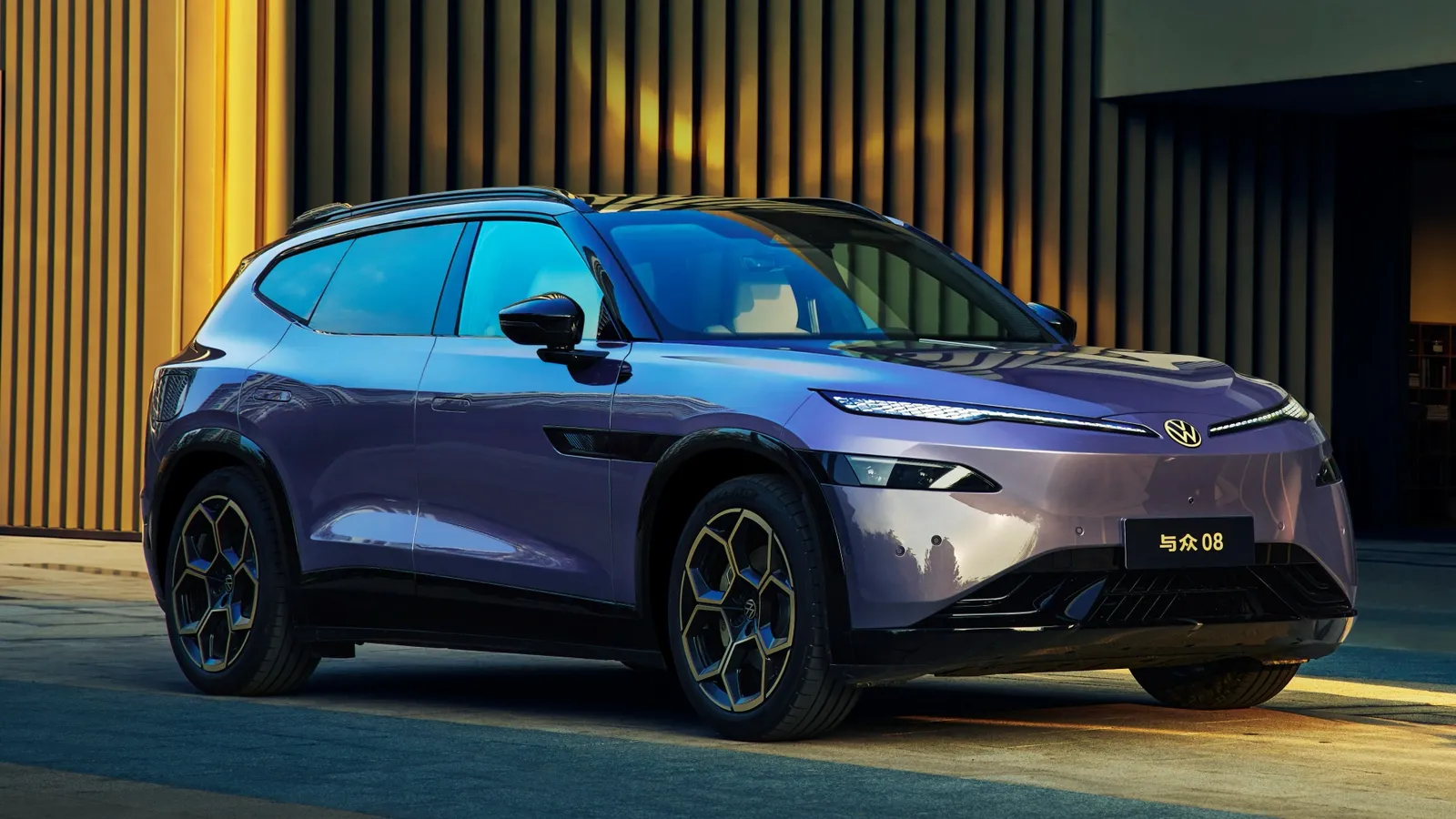
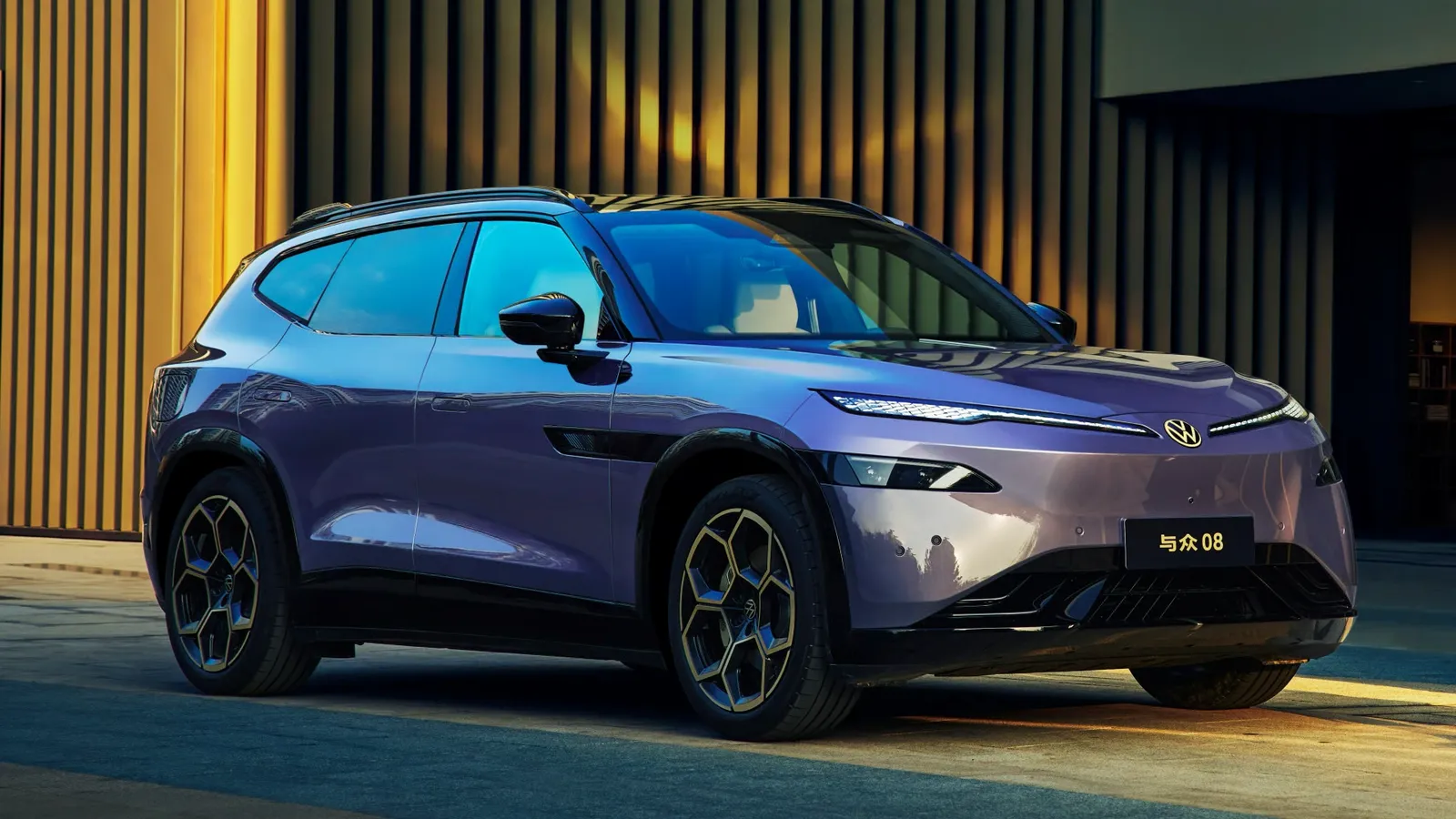
Since the launch of the large SUV ID.Unyx 08 in April, Volkswagen has reportedly sold only 1,300 units of it. Internal documents reviewed by Reuters suggest a target of 32,600 units by 2026 and 70,400 units the following year. For context, during the same period, Xiaomi sold 57,000 units of the YU7, while Zeekr secured 21,000 customers for its 7X. These two models are direct competitors to Volkswagen’s SUV, powered by Xpeng technology.
A direct consequence of these weak sales in the early months, Volkswagen is forced to cut prices. The price of the large SUV ID.Unyx 08 has dropped by 40,000 RMB, starting at 189,900 RMB (approximately 25,000 euros).
The other models in Volkswagen-Anhui’s lineup (the joint venture with JAC that produces vehicles designed in collaboration with Xpeng) are not faring any better. The ID.Unyx 07 sedan is now listed below the symbolic 100,000 RMB mark (just over 13,000 €). These prices are now lower than those of comparable models offered by Chinese brands.
This news comes as the German automaker prepares to launch its ID.Unyx 09 sedan, a close relative of the Xpeng P7. It’s clear that the target of selling 4,900 units per month already seems unrealistic. To make up for this, these vehicles are expected to be sold outside China in the near future. The group has recently confirmed its intention to sell electric models produced in China in Australia.