
In France, they already have a plan for an electric vehicle costing less than 15,000 euros.
Forget giant batteries, long ranges, and fast charging. To reach 15,000 euros, the solution is much simpler.
Creating an inexpensive electric vehicle is today one of the biggest headaches for the European automotive industry. Expensive batteries, strict safety requirements, and high production costs make it difficult to lower prices without affecting manufacturers’ finances.
It was precisely this challenge that a study conducted by the Fondation pour la Nature et l’Homme (FNH), the Institut Mobilités en Transition (IMT), and consulting firm C-Ways sought to address, aiming to understand the potential of this type of approach.
The result is a new “recipe” for affordable electric cars, leveraging the much-talked-about but yet-to-be-implemented M1E category. The recipe starts by reducing its weight. It then cuts down on the battery size. It limits range. It eliminates fast charging. And finally, it restricts the top speed.
It seems too simple for a market that has been doing the exact opposite over the past few years. But it is this simplicity, according to the study, that could enable the creation of a European electric car for less than 15,000 euros, without subsidies.
The study also sought to determine whether there would be a market for a car with these features. And the answer is surprising: up to three million units per year.
DO NOT MISS:
These two cheap electric cars will cost less than 15,000 euros.
The weight starts at 800 kg.
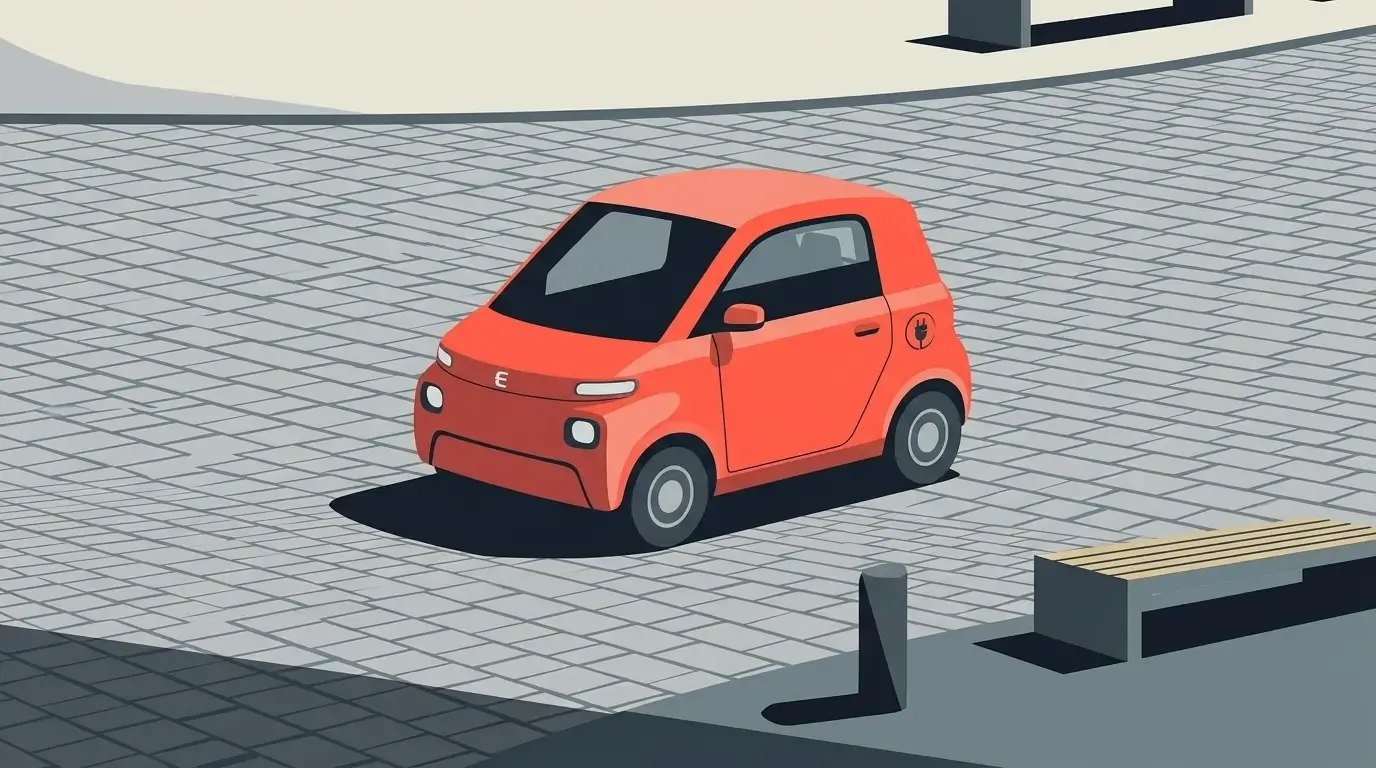
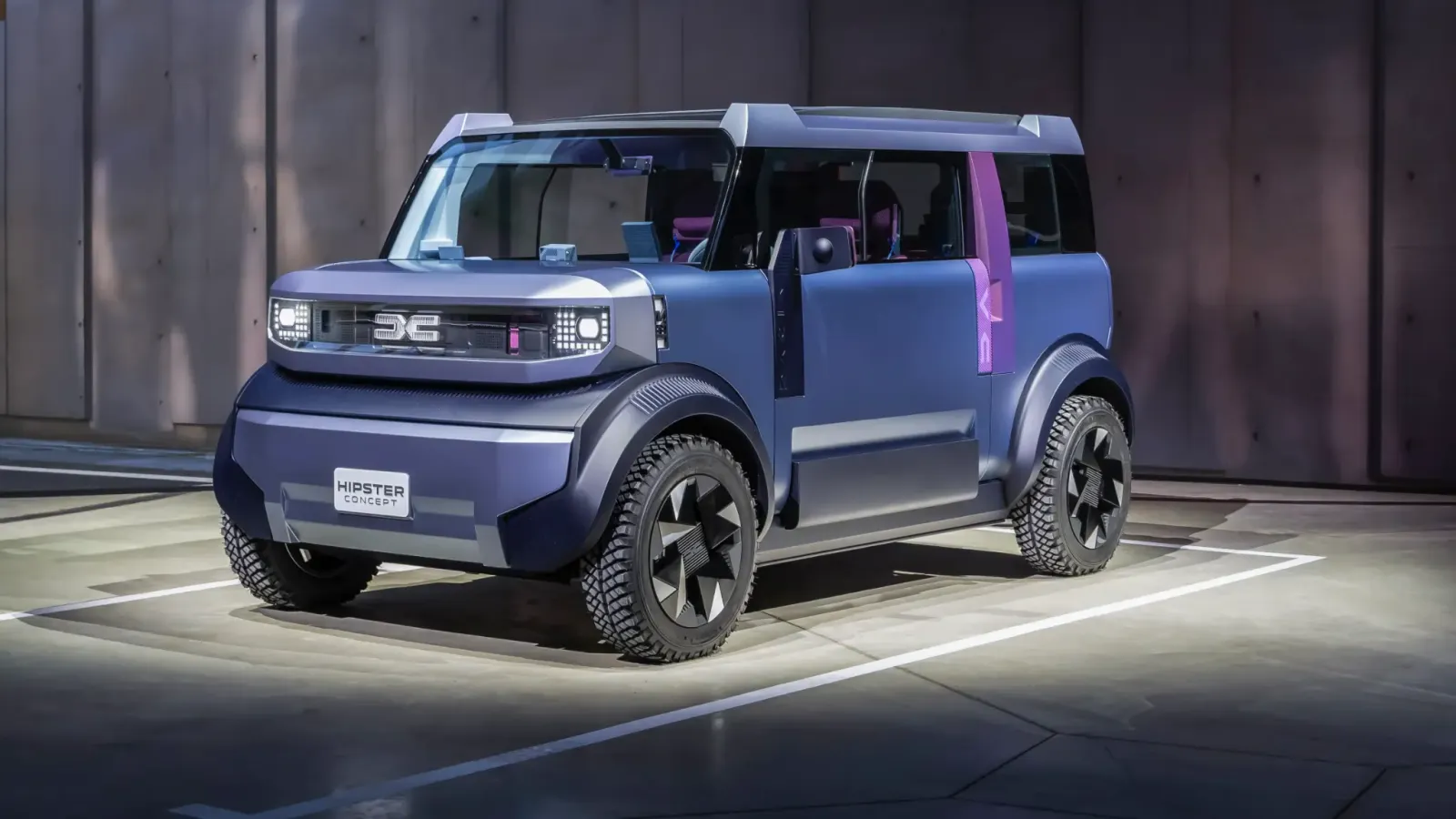
The starting point is a car very different from most electric vehicles on the market today. It would be 3.60 meters long and weigh less than 800 kg empty. It would be a four-seater and use a battery with only 15 to 22 kWh of capacity.
Actual range? Between 140 and 200 km. It would also lack fast charging, with a top speed limited to 110 km/h.
According to the study, these specifications would be sufficient to meet the needs of 54% of vehicles currently in use in France. In Germany and Italy, those figures would be 53% and 55%, respectively.
And there’s an important nuance: the authors believe the criteria used are quite stringent, so the numbers presented represent a minimum potential.
Up to three million per year
By combining the actual usage of cars with the total cost of ownership and the appeal of the concept, the study estimates a potential of 2.5 million units per year in the EU between 2030 and 2035. Once the market is fully developed, it could reach three million per year, accounting for nearly 20% of passenger car sales.
This is not a sales forecast, but rather the volume the market could absorb if such vehicles were available for less than 15,000 euros.
Approximately 40% of sales would replace new cars in the A and B segments, while the remaining 60% would come from used car buyers.
A 15,000 euro electric vehicle remains more expensive than many 10- or 15-year-old combustion engine SUVs. However, according to the study, after five years, its total cost of ownership could already be lower than that of maintaining a B-segment vehicle over 15 years old.
Less weight and a smaller battery also mean lower energy and raw material consumption. Replacing a 10-year-old B-segment combustion engine vehicle with this electric car would reduce greenhouse gas emissions associated with manufacturing and use by 3 to 3.5 times, according to the study. The smaller battery would also allow for approximately 26 TWh of electricity saved per year starting in 2035, along with around 6,000 tons of lithium per year, equivalent to 52 GWh of battery capacity.
14 million cars by 2035
FNH and IMT estimate that these vehicles could replace 14 million cars in the EU by 2035, accounting for about 6% of the total vehicle fleet. In the long term, the potential could reach 63 million vehicles, or nearly 29% of the current fleet.
Since much of the demand would come from consumers who currently buy used cars, sales of new cars could increase by 1.5 million units per year, representing a net increase of around 12%.
It Must Be Done in Europe
Finally, there is a condition “imposed” by the study’s authors: the 15,000-euro car must be produced in the European Union.
The proposal involves linking any potential government support for development and commercialization to requirements regarding local content, as well as creating or adapting a specific regulatory category with requirements proportional to the characteristics of these vehicles.
The recipe is given; what remains to be seen now is whether the European industry can do what this study seems to consider essential: stop trying to make electric cars appear expensive like traditional cars, and simply start producing simpler electric vehicles that people can afford.
