
US Elections: Why the White House Matters More for EV Tariffs and Incentives
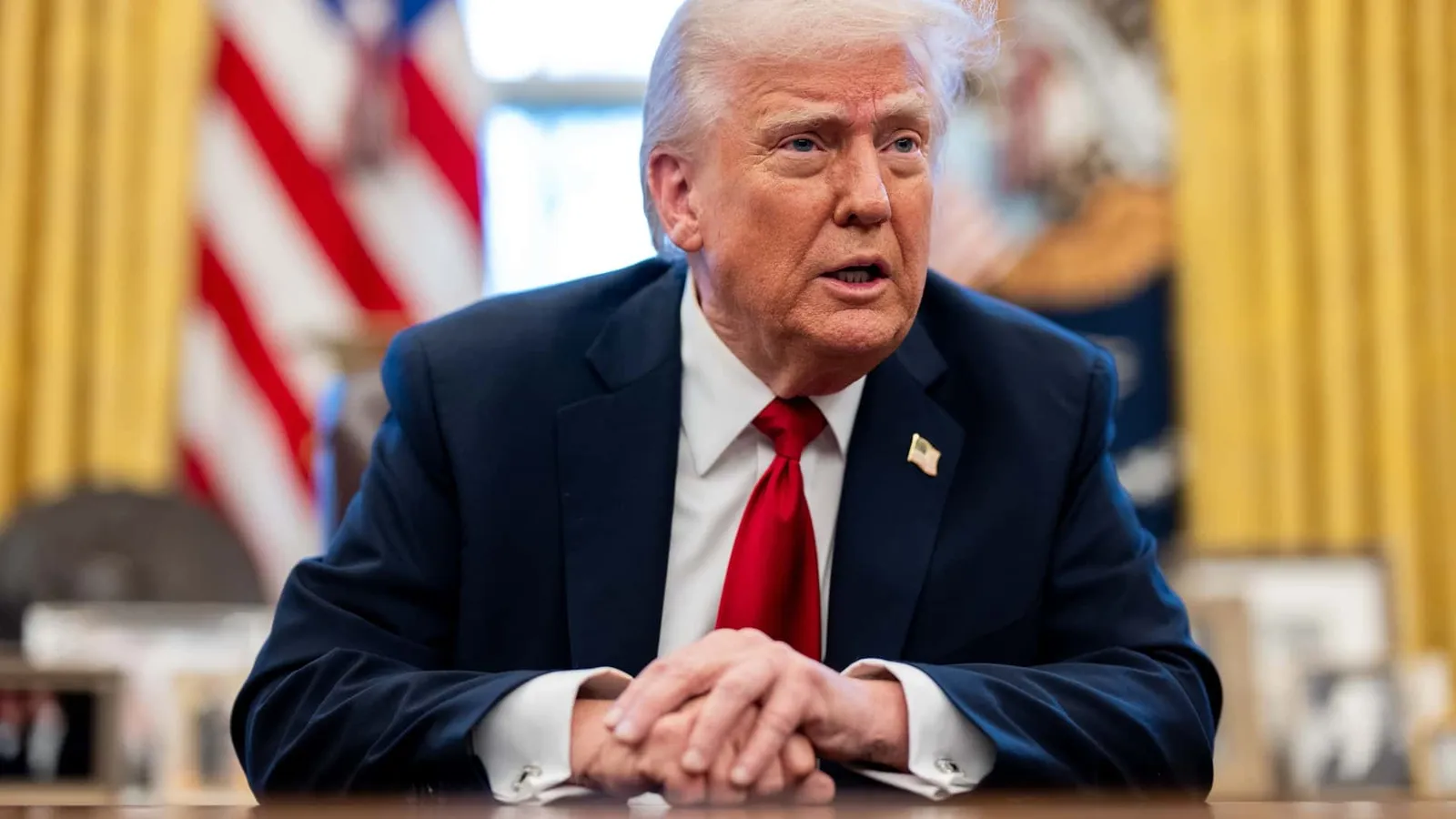
April 20, 2026, did not mark a new turning point for the American automotive industry: the most significant decisions had already been made in the months prior. The Trump administration had in fact begun to dismantle the environmental regulations introduced in previous years.
In particular, the EPA, the U.S. environmental protection agency, overturned the 2009 decision that recognized greenhouse gases as a threat to health and removed the emission limits for CO₂ and other pollutants applied to cars and engines starting in 2012. Federal incentives for purchasing electric vehicles also ended, expiring on September 30, 2025.
The mid-term elections, therefore, cannot automatically overturn these decisions. Their outcome will still be important for determining who will control Congress,即 the U.S. Parliament: holding a majority allows one to pass new laws or, conversely, to block those proposed by the president.
As for car tariffs, however, Congress’s room for action is more limited. The tariffs introduced by Trump in March 2025 depend primarily on decisions made by the White House. A change in majority could influence future choices, but it would not automatically cancel the tariffs already in place.
What remains unchanged after the election
The tariffs on imported cars — as a reminder — stem from a proclamation dated March 26, 2025, taking effect on April 3 for cars and by May 3 for many categories of parts and components. According to the Congressional Research Service, additional rates reach 25% for certain passenger and commercial vehicles. There are variations for some parts and exceptions for Mexico and Canada under the USMCA, the agreement governing trade between the United States, Mexico, and Canada.
For buses, heavy vehicles, and their parts, the tariff structure is more fragmented, with various customs entries and additional surcharges. Trucks and heavy vehicle parts often face a 25% tariff, consistent with rates applied to certain imported car categories. According to official tariff tables and materials from the United States Trade Representative, the base rates for vehicles from the European Union, Japan, South Korea, and the United Kingdom depend on individual customs entries and any applicable quotas. These measures remain in effect regardless of which parties win or lose seats in Congress, as they stem from executive actions.

The EPA is repealing the 2009 greenhouse gas rule and vehicle emission limits.
Photo by: Motor1 Italia visual (AI-assisted)
The cancellation of emission standards follows the same logic. On February 12, 2026, the EPA approved a rule that voids the 2009 greenhouse gas determination and all federal emission standards for vehicles and engines from model years 2012 through 2027 and beyond, with enforcement set to begin 60 days after publication in the Federal Register.
The NHTSA, the agency that regulates vehicle fuel consumption, finalized a fuel efficiency standard on September 28, 2026, effective for model years 2022 through 2031. The publication in the Federal Register sets an effective date of November 30, 2026, a deadline that is now imminent but already established. Neither of these deadlines depends on the outcome of the November elections.
Incentives, standards, and fees: who can still intervene
The tax credits for clean vehicles were established by one law, and another law ended them. Public Law 119-21, signed on July 4, 2025, made the clean vehicle credit available only for vehicles purchased by September 30 of the same year. Reviving it would require a new vote by Congress, not an executive order: it is the only one of the three areas—tariffs, emissions, incentives—where the new parliamentary balance truly matters.
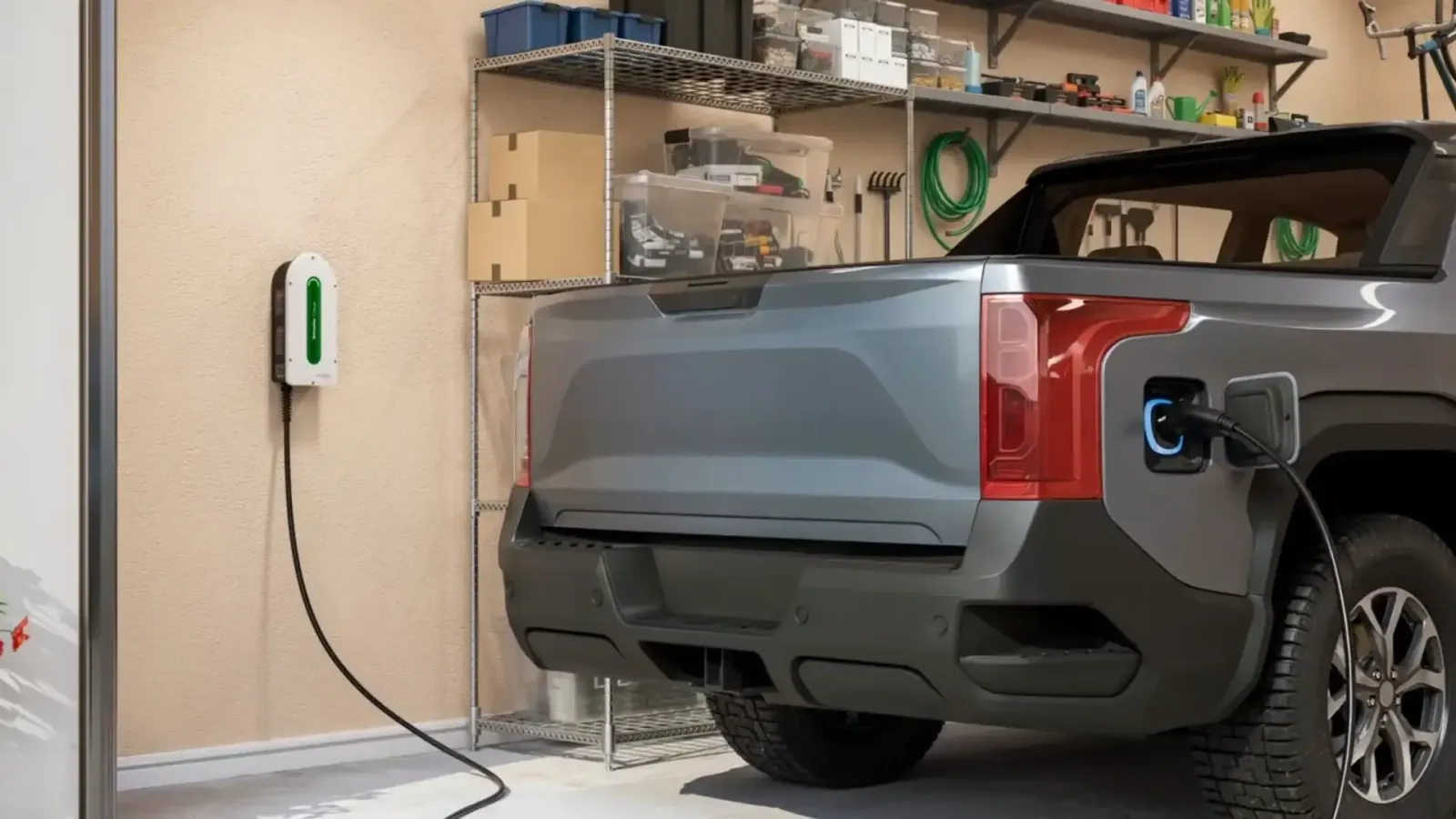
Some incentives for charging infrastructure still remain, valid for installations activated by June 30, 2026.
Photo by: Schneider Electric
Other federal credits related to electric mobility did not end on that date. The credit for installing charging and alternative fuel infrastructure remains available for facilities put into service by June 30, 2026, along with other energy and transportation incentives that continue to apply beyond 2025. These tools can also affect the actual cost of an electric vehicle and its charging.
Emission standards remain under the jurisdiction of the EPA and NHTSA. A change in congressional majority could initiate investigations or threaten budget cuts to these agencies, but it does not automatically rewrite a rule that is already in effect. To reverse it requires new agency action, a lengthy process, or a court ruling to overturn it.
Tariffs remain the most powerful tool in the hands of those in the White House. The presidential decrees that imposed them can be modified or revoked using the same mechanism, without going through Congress.
Those considering buying an electric car today, or watching Chinese manufacturers try to enter the American market, are therefore paying more attention to the White House and federal agencies than to the new Congress elected by the people.
Read also