
Electric vehicles may have to pay fees to operate on roads
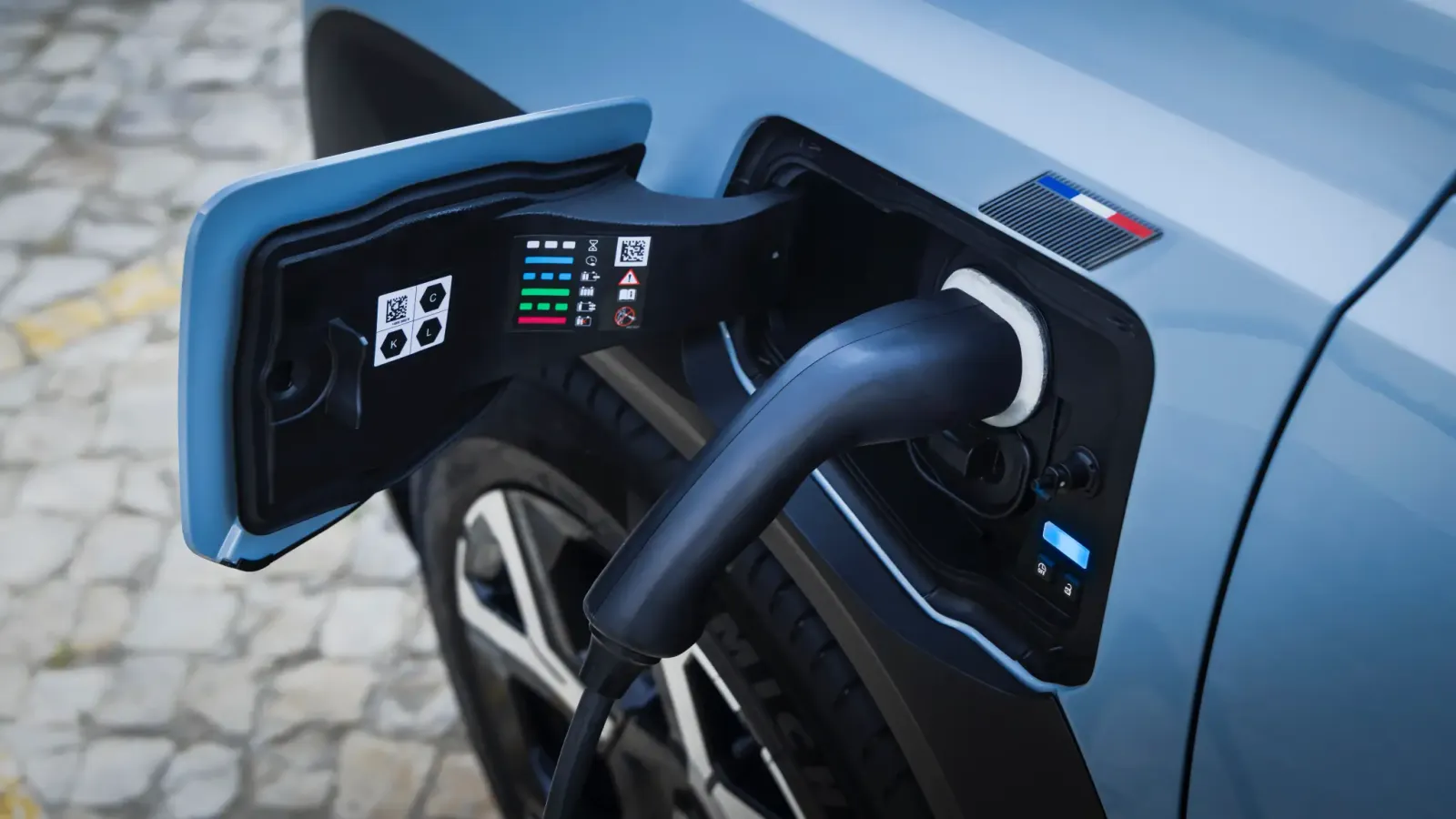
Less fuel sold means less money for roads. For the AMT, all cars must pay, regardless of their engine type.
The electrification of the national vehicle fleet is changing one of the main sources of funding for road networks: taxes related to fuel consumption. In light of this development, the Authority for Mobility and Transport (AMT) believes it is necessary to rethink the current funding model.
This issue is discussed in the Strategic Study on Road Network Financing, which, although it does not establish a final model, identifies the “user-pays” principle as one of the foundations for the system’s evolution.
In practice, AMT advocates for a stronger link between payment and the actual use of infrastructure. This could mean that electric vehicles also start contributing directly to road financing through mechanisms that do not depend on fuel consumption, as is the case currently.

What is happening?
Today, road network financing relies primarily on two sources: the Road Service Charge (CSR) and tolls.
CSR accounts for about 2/3 of the revenues and mainly consists of the portion of the Petroleum Products Tax (ISP) that is allocated to Infraestruturas de Portugal (IP). In 2025, it generated around 691 million euros — roughly 20% of the total ISP revenue and about 16% of all revenues from ISP, ISV, and IUC — while tolls amounted to 234.3 million euros.
This model, however, is directly linked to fuel consumption. As electrification leads to a reduction in gasoline and diesel use, the revenue base associated with CSR may also decrease.
The AMT study highlights that there are incentives for purchasing less polluting vehicles, but no equivalent financing mechanisms for road infrastructure to compensate for the reduced revenues traditionally associated with fossil fuel consumption.
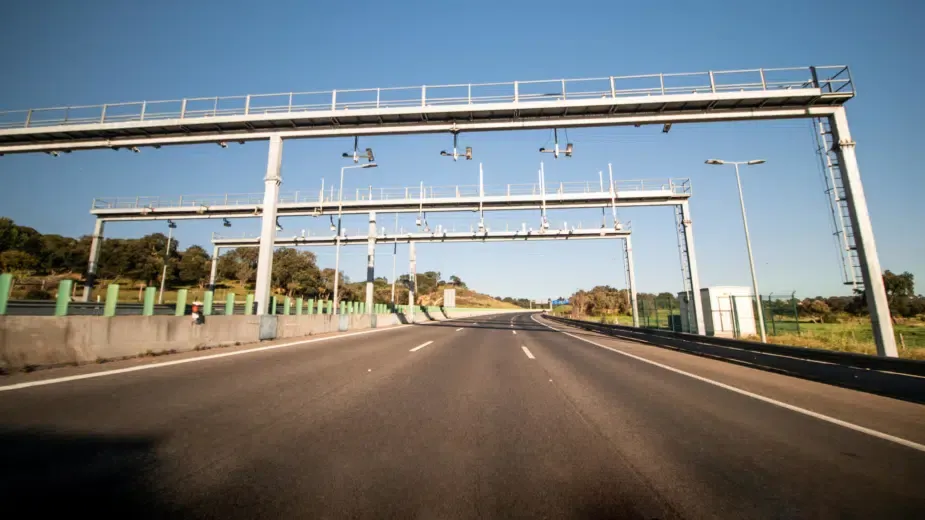
200 million euros at risk
The potential scale of this change is quantified in the study through estimates from IP. According to data cited by AMT, a 20% to 30% share of electric mobility by 2030 could result in an annual revenue loss of between 140 and 200 million euros.
It is within this context that AMT considers it necessary to gradually adapt the financing model for the road network to the transformation of the vehicle fleet.
What is proposed
With this issue in mind, the organization suggests a possible hybrid model in which the user-payer principle plays a more significant role. Among the mechanisms considered are tolls, distance-based pricing systems, and other forms of direct charging for using the infrastructure.
According to the study, the pricing method could take into account various factors such as vehicle class, emissions, usage period, or the intensity of network utilization.
In addition, the CSR itself can also be reformed. AMT argues that the methodology used for its calculation should be defined “independently of the energy source used by vehicles,” following a principle of “technological neutrality.”
The study states, “The gradual electrification of the vehicle fleet does not eliminate the costs associated with using infrastructure, which remain regardless of the propulsion technology employed.”
The study itself clarifies, however, that “it does not seek to identify a single financing model, nor to reformulate a definitive recommendation regarding the solution to adopt.”
When does it start?
This study serves only as a supporting document for public policy decisions and is not binding. If any of these measures are approved, they will be implemented in phases. By 2028, stabilization of existing mechanisms and approval of the Strategic Plan for the National Highway are expected.
Subsequently, between 2028 and 2032, the “gradual introduction of new financing instruments more closely linked to infrastructure usage” is planned, and finally, by 2040, the financing model to be adopted should be finalized.
