
Electric vehicles covered 145,000 km experience MOT inspections less frequently. The battery is exempt from testing.
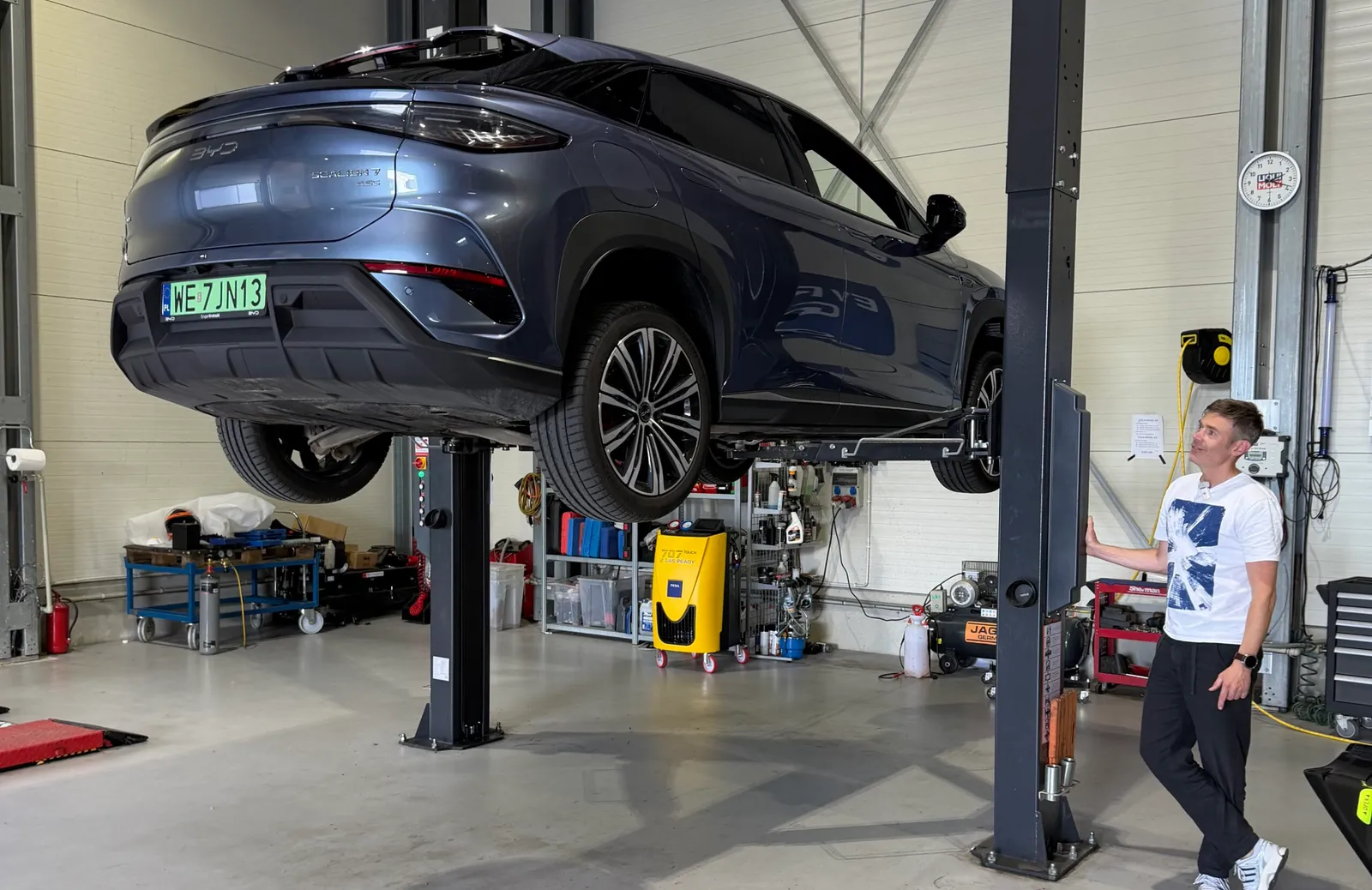
Electric vehicles with 145,000–193,000 km of mileage are less likely to fail British MOT tests than gasoline cars of similar age. New AutoMotive analyzed 47.4 million MOT test results on behalf of the rental and leasing organization BVRLA. The statistics are reassuring, but they say nothing about the condition of the most expensive component in electric vehicles—the traction battery.
The advantage of BEVs increases with high mileage
In the group of vehicles with 90,000–120,000 miles, or about 145,000–193,000 km of mileage, 16.5% of electric vehicles and 22.1% of gasoline cars failed MOT tests. This means BEVs were about 25% less likely to receive a negative result.
At over 120 thousand miles, or 193 thousand kilometers, the difference was even greater. The test failed 16 percent of electric vehicles and 23.5 percent of gasoline cars. At lower mileage levels, however, the performance of both types of propulsion systems was similar.
MOT checks things such as brakes, suspension, steering system, lighting, and tires. Electric vehicles lack an exhaust system, a multi-speed transmission, and many components of internal combustion engines that can develop faults over time.
"High mileage is not an indicator of poor mechanical condition in the way buyers traditionally assume," said Ben Nelmes, CEO of New AutoMotive. He believes the mechanical simplicity of electric propulsion systems brings more advantages as mileage increases.
Toby Poston from BVRLA noted that even mileage levels above 60-70 thousand miles, or 97-113 thousand kilometers, affect the perception of a used car. In his view, a well-maintained electric vehicle with high mileage can still be a durable used car. This is valuable information before purchasing a car from a company or lease program, where a six-figure mileage reading is not unusual.
Tires and brakes ruin good performance
Electric vehicles had almost twice as many tire-related issues as gasoline cars. The analysts attribute this to the greater weight of these vehicles and the high torque available from a standstill. Therefore, driving style and proper tire pressure can quickly turn this statistical advantage into an expense at the tire shop.
In older BEVs with low mileage, problems with regenerative brakes also occurred more frequently. Regeneration reduces wear on brake discs and pads, while components that have not been used for a long time corrode.
The biggest red flag relates to the battery. MOTs do not measure its degradation, usable capacity, or charging parameters, so a positive result cannot replace a battery health report and DC charging test.
A mileage of 150,000 km should not automatically disqualify a used BEV, but the service history needs to be supplemented with battery diagnostics. Would you buy an electric vehicle with 200,000 km of mileage if its SOH report showed 90 percent?
LovEV Newsletter
Want more content like this?
Sign up — we’ll send you a weekly summary once the newsletter starts.