
Electric vehicles on the blacklist. Carrefour is closing off rooftop parking spaces for electric cars!
In short:
Carrefour has imposed a ban on electric cars entering rooftop parking lots in Belgium
The decision applies to 18 supermarket parking lots located on rooftops
Why? Excessive risk of structural collapse and fire hazards
The decision has sparked controversy. Heavy diesel SUVs can use the chain’s parking lots without restrictions
Carrefour relies on sheer volume as its argument
Carrefour Belgia took a step that sparked discussion across Europe by banning electric cars from the rooftops of 18 of its supermarkets. According to the French website BFM Business, these are buildings from the 1980s designed for much lighter gasoline-powered vehicles. “The building structures are not necessarily suited to the additional weight imposed by these new vehicles,” explained Carrefour Belgia spokesperson Damien Bytebier, as quoted by RTL Info television.
According to data from France’s Agency for Ecological Transition (ADEME), an average gasoline car weighs around 1150 kg, while the battery alone in an electric vehicle can weigh between 250 and 600 kg. It is the weight of these batteries that is seen as the main source of concern. The agency emphasizes that it is not a ban on electric vehicles per se, as they can park unrestrictedly in surface parking lots, but rather a risk that dozens of heavy vehicles on the roof of an old building could overload the structure.
Heavy SUVs can park
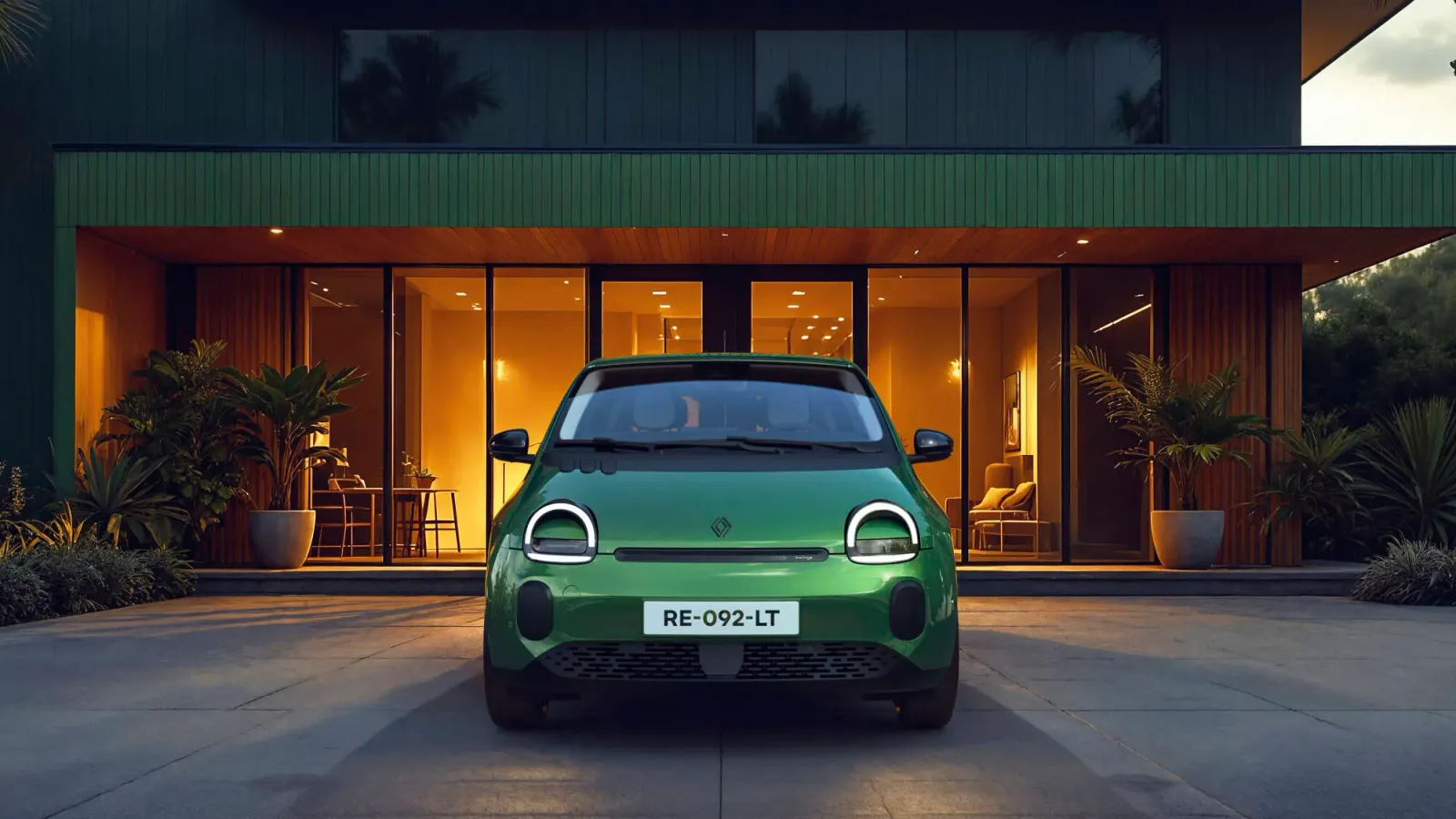
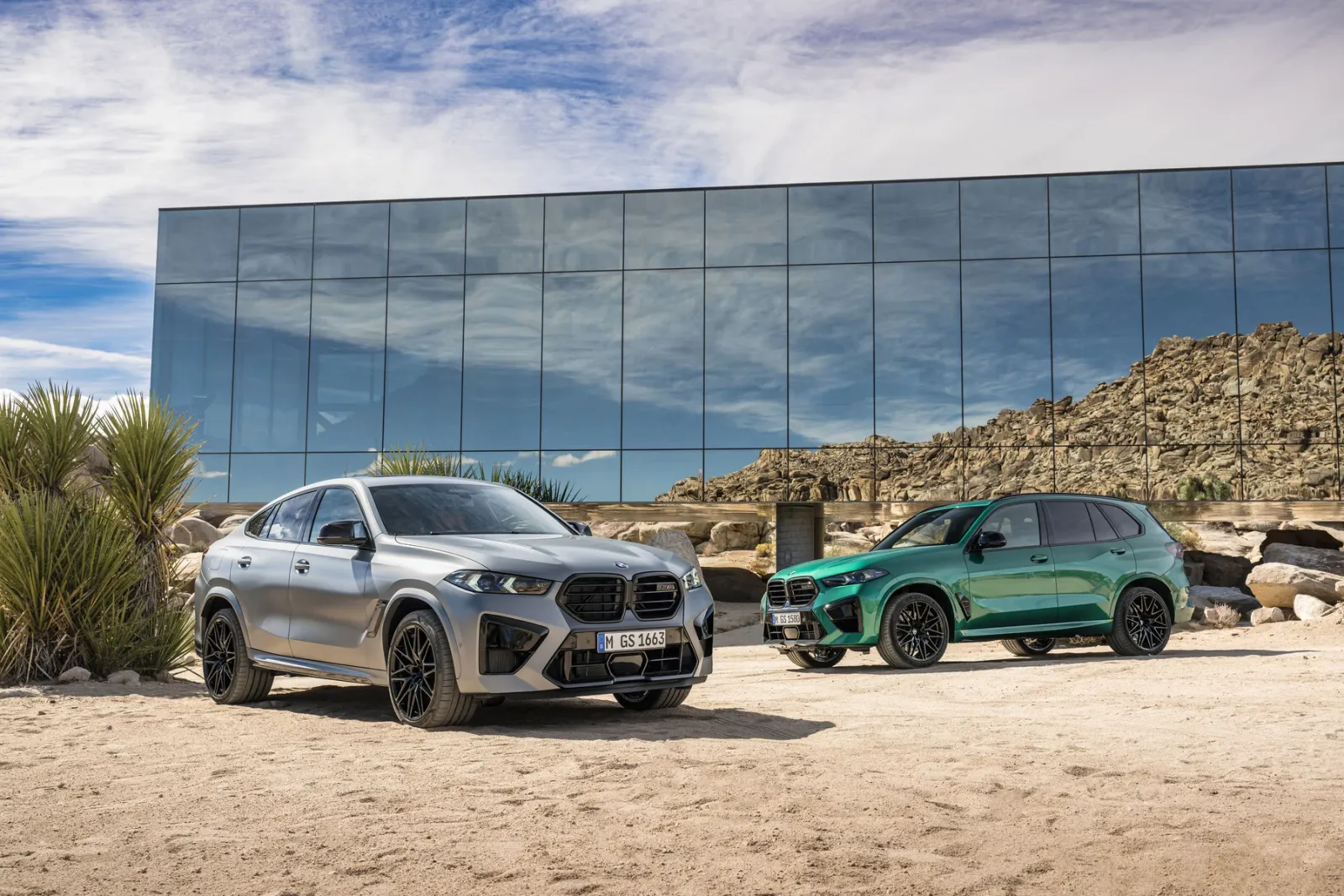
The problem is that the ban does not relate to the actual weight of the vehicle, but only to its type of propulsion. This is a paradox that quickly became fuel for critics of the decision. An electric Renault Twingo weighing 1168 kg cannot be parked on a roof, but a gasoline-powered BMW X5 xDrive weighing 2430 kg can.
BFM Business points out that "electric cars are banned due to their alleged excessive weight, even though they are sometimes lighter than diesel SUVs." Examples given include the Dacia Spring (970 kg), Fiat 500e (1250 kg), and Tesla Model 3 Propulsion (1772 kg), all of which fall within the weight limits of many diesel cars.
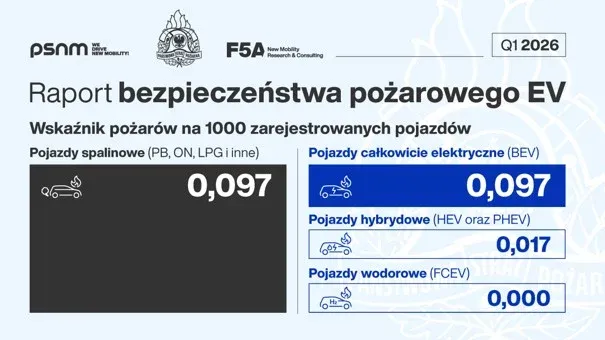
The other reason for the ban is fire safety. Carrefour emphasizes that it’s not about the frequency of fires—the chain isn’t claiming electric vehicles catch fire more often, but rather the difficulty in extinguishing them. “In the event of a fire on a building’s roof, it’s harder for rescue services to respond than on an underground parking lot,” says a company spokesperson. Extinguishing lithium-ion batteries requires large amounts of water, and often involves submerging the vehicle in a special container, which is impossible at heights.
Others are also being cautious
Similar restrictions are already emerging in other countries — we covered this on Elektromobilni.pl. In South Korea, after a fire in an underground garage that damaged 140 cars, a ban was imposed on electric vehicles charged above 90 percent. In Greece, electric cars transported by ferries may have batteries charged to a maximum of 40 percent. In the United Kingdom, the British Parking Association warned back in 2022 that old multi-level parking garages from the 1960s and 1970s are not suitable for the increasing weight of modern cars.
In Belgium, Carrefour’s decision sparked particularly intense debate. Philippe Vangeel from EV Belgium asks in an interview with Gocar.be, “Is the real problem that electric cars are too heavy? Or is it rather that some parking lots were designed for a car fleet that no longer exists?” This question hits the nail on the head, as the ban applies not to heavy vehicles in general but only to battery-powered ones, raising the risk of accusations of discriminatory use.
A voice of reason
Experts emphasize that introducing similar restrictions in France is unlikely. First, most stores there have surface parking lots. Second, Carrefour invests in fast chargers at its parking lots, so banning certain parking spaces for “electric vehicles” would go against the network’s development direction. Third, the law would require setting a weight limit rather than banning a specific type of propulsion system.
Carrefour Belgium’s decision thus recalls the situation in the 1990s, when LPG vehicles were excluded from underground parking lots due to the risk of gas explosions. The same thing happens in Poland as well. Today, similar caution applies to electric vehicles, though this time it’s not about gas but rather weight and battery characteristics.
Oskar Włostowski