
Electrifying fleets: not “if,” but “when”
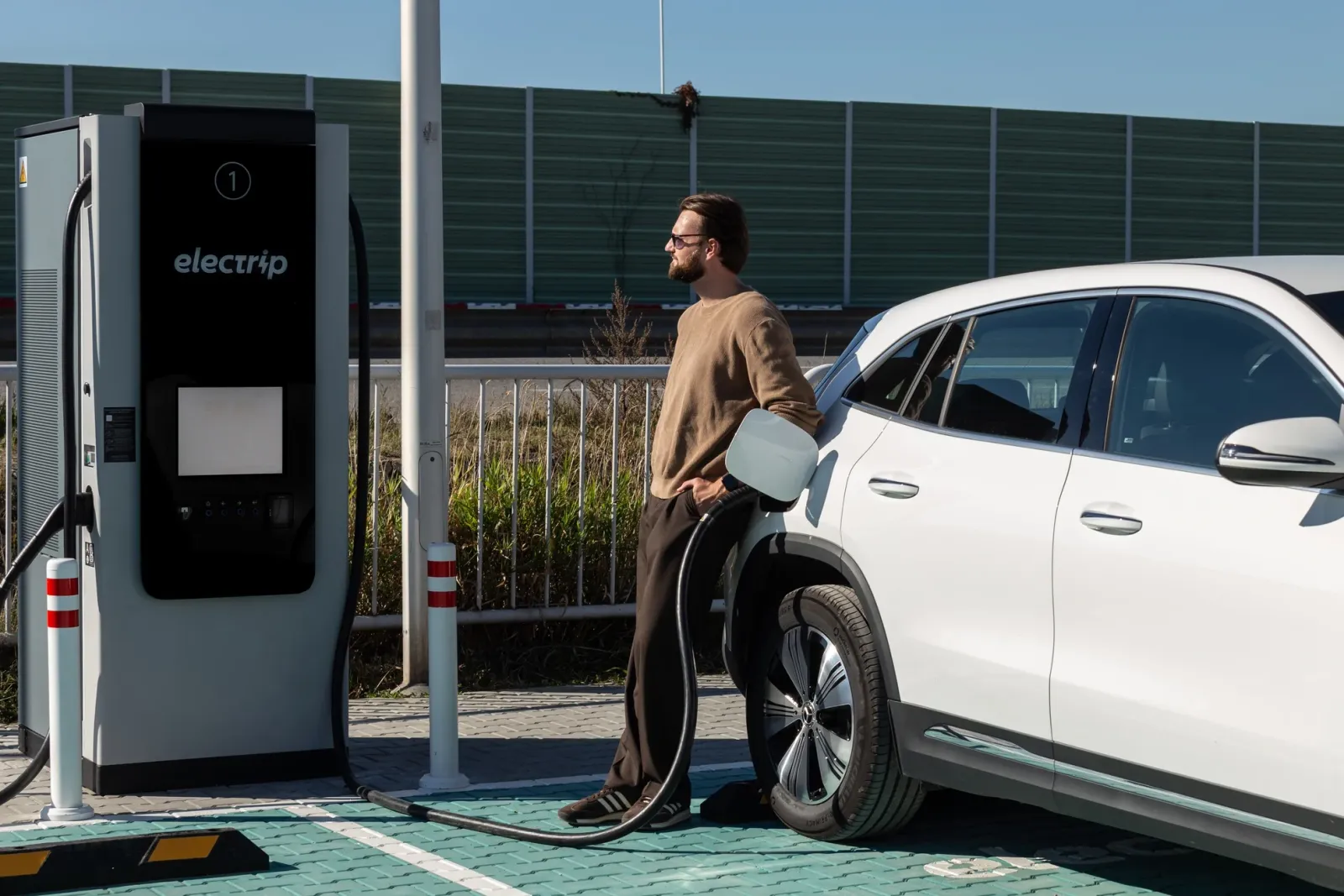
– Sponsored content –
"When it comes to electrifying fleets, the question is increasingly not whether it’s worth doing, but when and how quickly to implement it. Companies choosing electric vehicles focus primarily on costs. The energy needed to travel one kilometer costs less than fuel, and a simpler drivetrain means fewer components that require maintenance. For large fleets, these differences start to matter significantly for the overall budget," notes Arkadiusz Miętkiewicz, General Director of Electrip Poland.
Thus, EVs are no longer just a trend or a branding issue for fleets. With proper use, they can mean lower daily operating costs.
What might hold back electrification?
A vehicle can be purchased. Then the question arises: where will it be charged?
Range, station availability, and drivers' habits remain common concerns. Added to this are route planning and charging costs. For vehicles that cover hundreds of kilometers every day, these issues cannot be left to chance.
Barrriers to fleet electrification are very real. The biggest one remains drivers' fear of running out of range on the road, along with a lack of reliable infrastructure. A company may buy electric vehicles, but if employees are unsure where to charge them along major routes or at their destinations, the process stalls.

"This is compounded by changes in habits: route planning or new billing procedures. As operators, we don’t sit idly by—our role is to eliminate these concerns step by step. That’s why we build fast charging stations exactly where businesses and fleets truly need them," emphasizes Wojciech Kaleta, Operation Manager at Electrip Poland.
Before replacing a fleet, it’s worth checking which vehicles travel regular routes, where they stop most often, and how much time they spend at the base or office. This helps determine which vehicles are best to start with.
What about EU directives?
Regulations also influence corporate decisions. AFIR aims to develop charging infrastructure along major routes in the European Union. CSRD, on the other hand, imposes reporting requirements for environmental issues on certain groups of companies.
For fleets, this means that transportation and emissions-related issues are increasingly coming up in company planning. Not every company needs to replace its entire fleet with electric vehicles right away. However, more and more businesses must take this direction into account when planning for the years ahead.
A charger alone is not enough
Electrification doesn’t end with buying cars and setting up a few chargers outside the office. The infrastructure must fit how the fleet actually operates. Location, available power, charging time, and the ability to manage charging stations are all important factors.
That’s why infrastructure operators can become part of fleet planning. Companies need access to charging points where their vehicles actually drive and stop: at bases, offices, warehouses, routes, or destinations.
Electrip is expanding its network of such locations to include hubs along highways and service points on expressways, as well as shopping malls and campuses.

When will EVs become the standard?
There is no fixed date by which all fleets will switch to electric power. Vehicles that cover short, repetitive routes have different needs than those that travel hundreds of kilometers daily.
However, change is already underway. Companies are assessing which vehicles can be converted to electric power, calculating costs, and finding locations where drivers can easily charge their cars.
Therefore, the question increasingly isn’t “will electric vehicles appear in the fleet?” but “when will they become a permanent part of it?” This moment won’t arrive at the same time for everyone, and not every fleet will follow this path at the same pace. One thing is certain: the decision about adding another electric vehicle will increasingly depend not only on which car to choose but also on what the entire route it has to cover will look like.