
The electric Volkswagen XL1, also known as VW Mission Efficiency. Battery capacity ~58 (54.9) kWh, nearly 1,280 km per charge
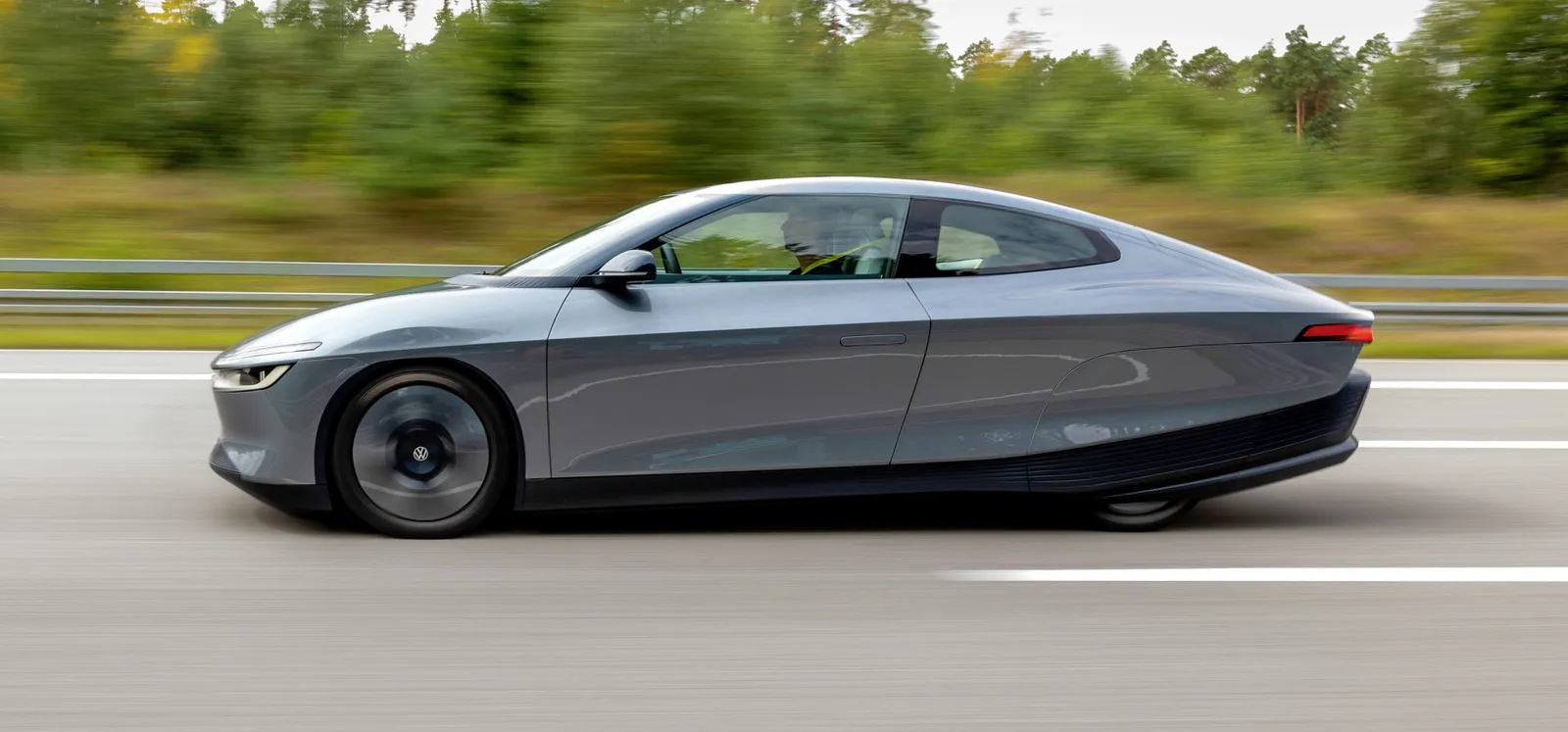
Volkswagen unveiled a conceptual electric car that closely resembles the “1-liter car,” namely the gasoline-powered VW XL1. It is the Volkswagen Mission Efficiency, an exceptionally aerodynamic model that also signals the brand’s strategy for the coming years (Mission: Efficiency). The VW ME features a battery with a capacity of only about 58 (54.9) kWh, and during a trip from Germany through Poland and the Czech Republic to Austria, it required just one stop for charging.
Actual range of VW Mission Efficiency = 721 kilometers on a 55 kWh battery?
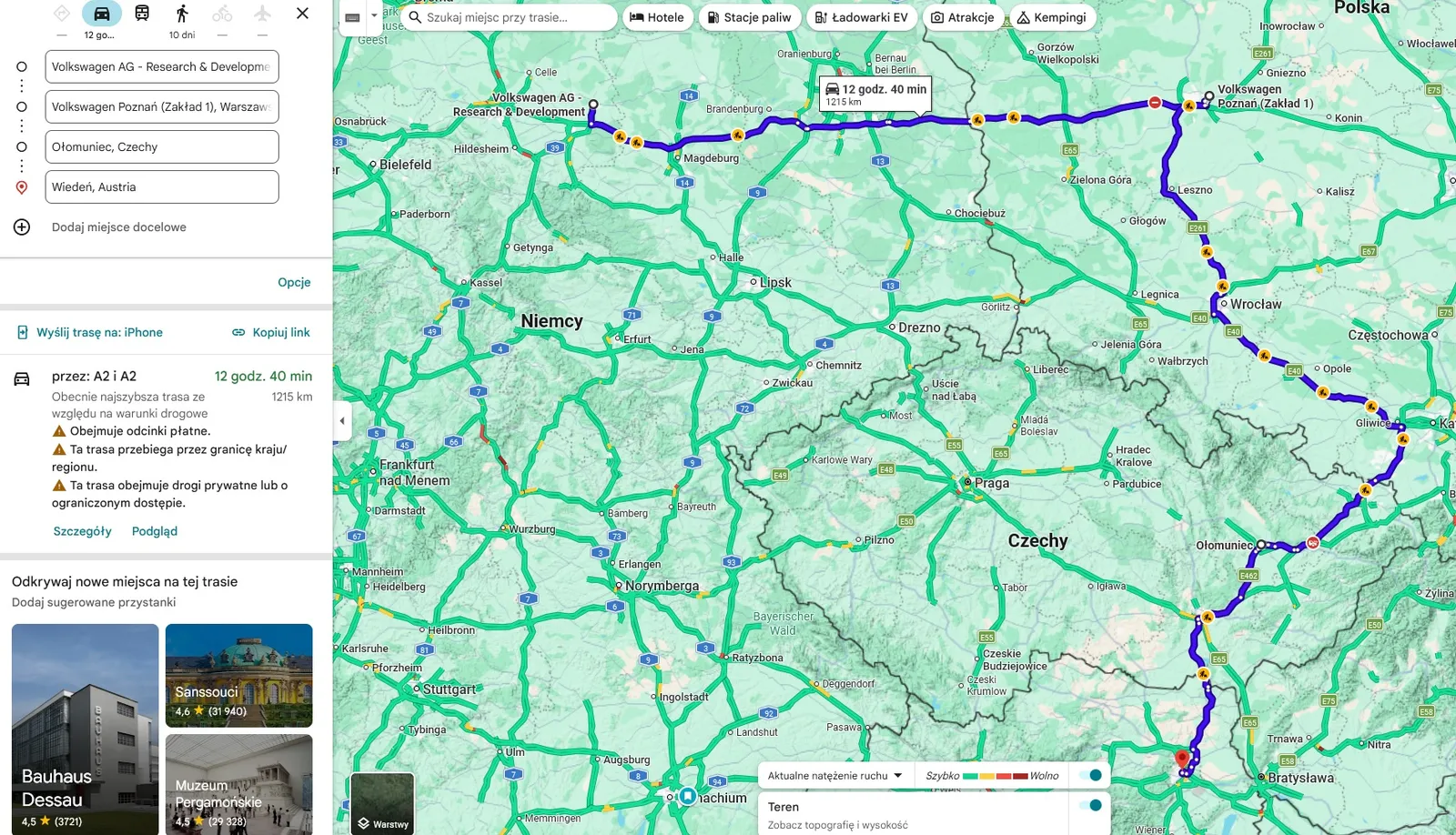
VW ME started from the development center in Wolfsburg (Germany), traveled through Poznań (Poland) and Olomouc (Czech Republic), to conclude its journey in Vienna (Austria). The entire route was exactly 1,278.36 kilometers long, with one stop for charging, and upon arrival the vehicle still had 164 kilometers of range remaining. Unlike other pseudorecords where drivers are overtaken by more efficient cyclists, the performance here wasn’t that poor.
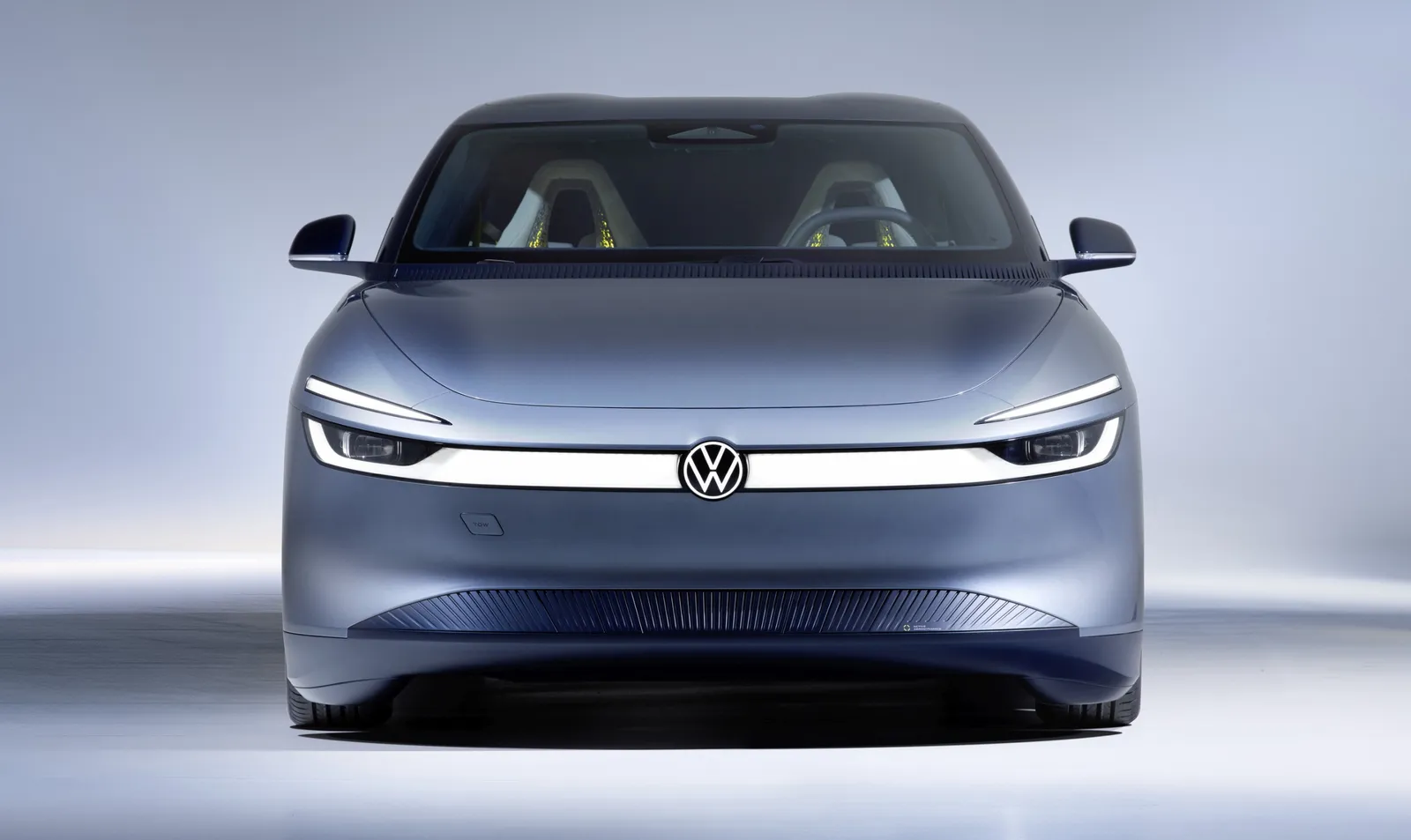
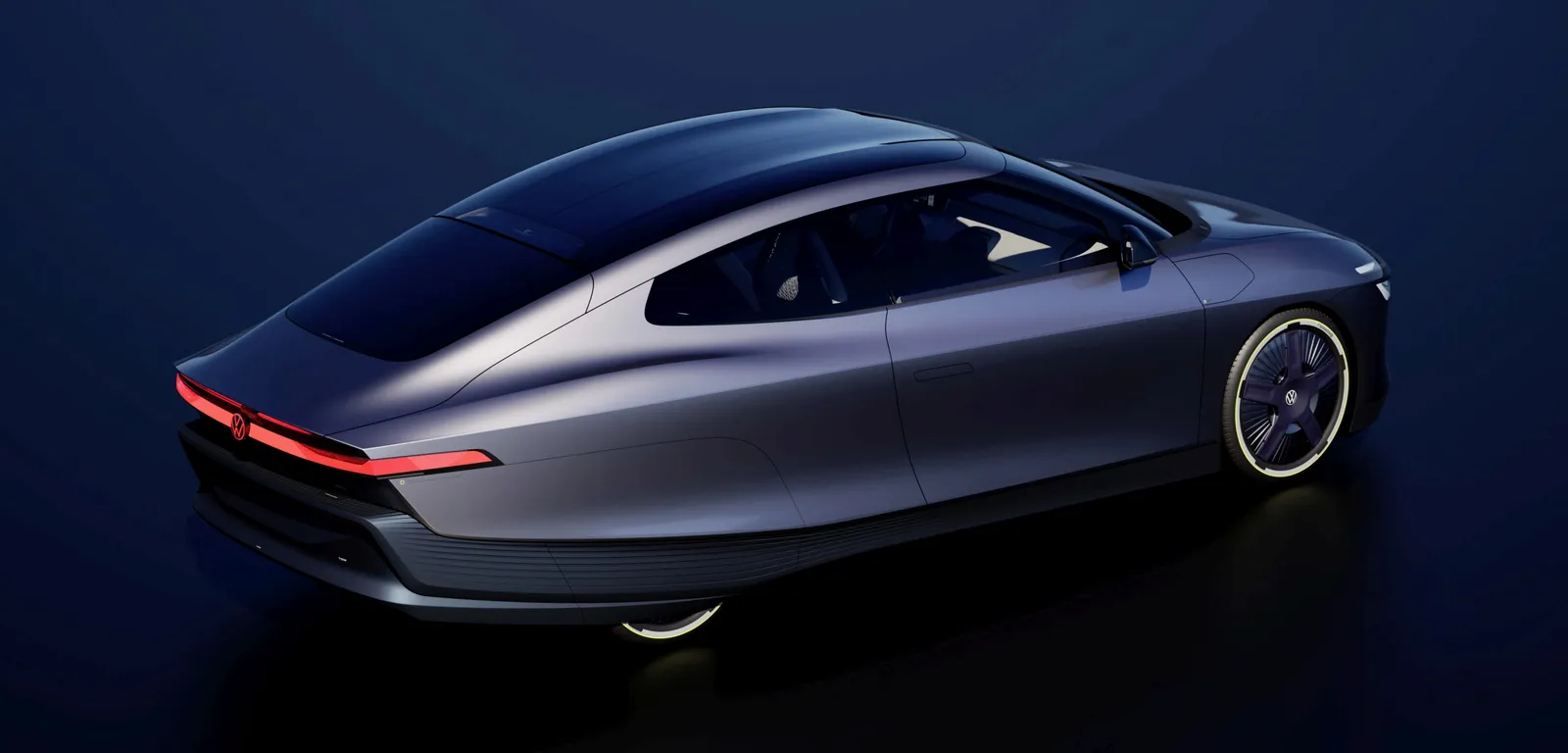
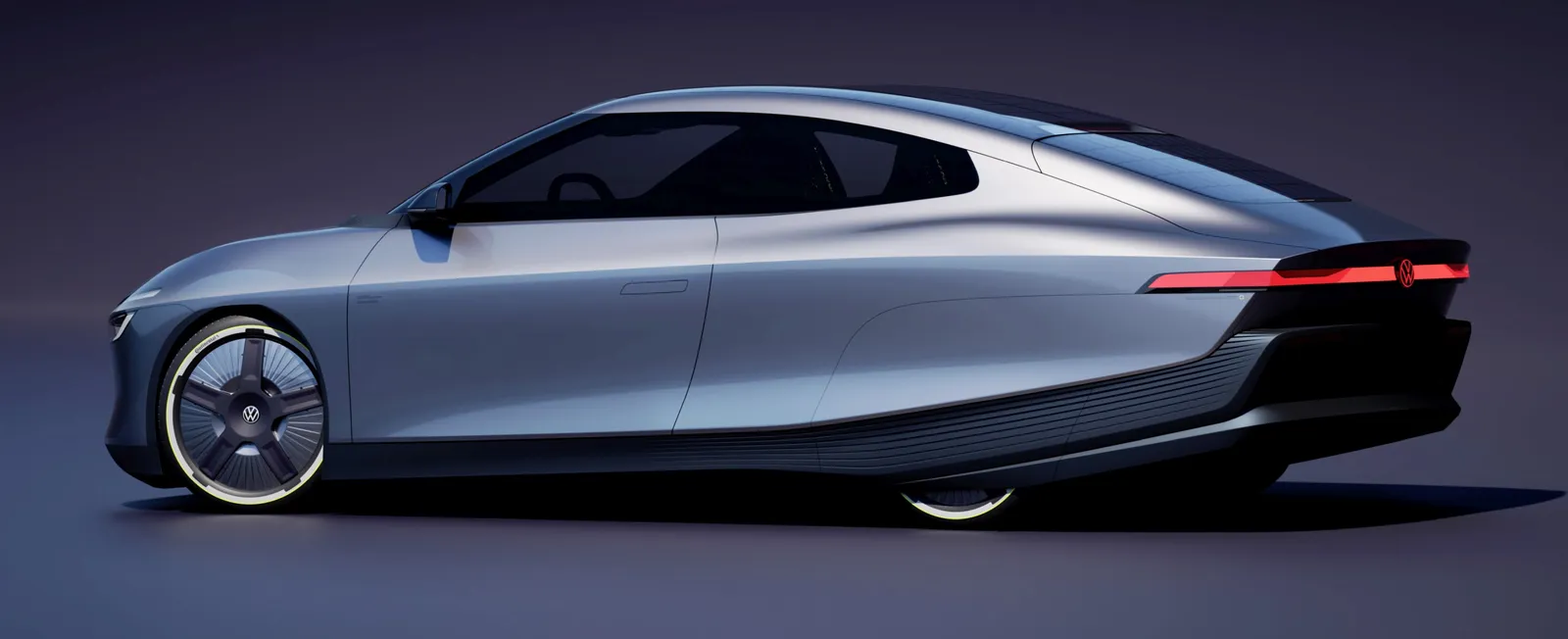
Volkswagen Mission Efficiency as advertising for the VW ID. Polo and a preview of Volkswagen Group’s new strategy. All illustrations (c) Volkswagen
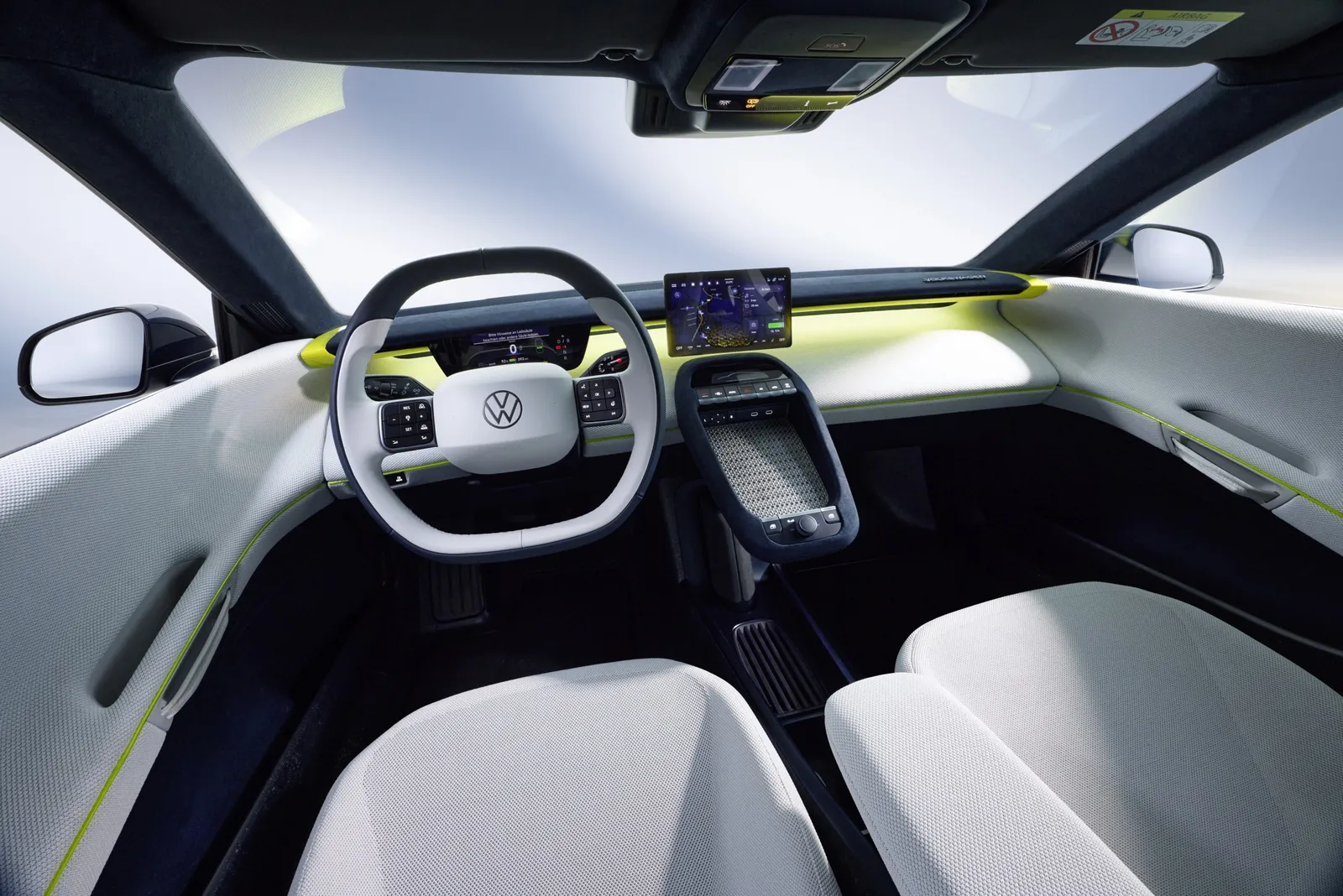
The interior of the VW ME
The maximum speed achieved was 138 km/h, with an average speed for the entire route at 67.7 km/h. Considering the types of roads used (mainly highways but also cities), this suggests driving with the cruise control set at around 70-80 km/h. On expressways, this is too low for psychological comfort—in Poland we would even be overtaken by trucks—but on national and regional roads, this would be a completely realistic speed:
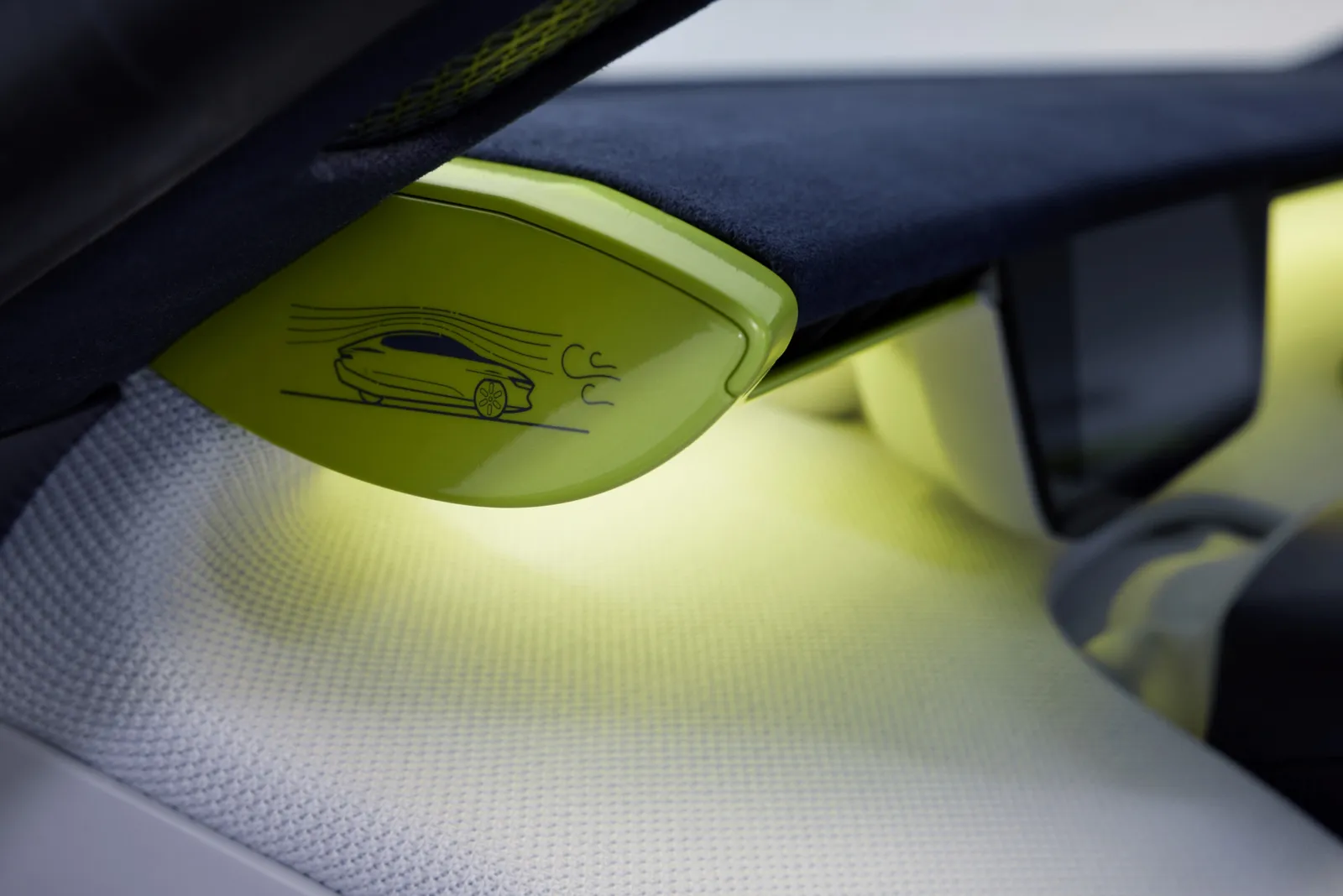
Turning off the air conditioning seems less of an issue when driving, as this can only be done when it’s several degrees Celsius outside in the sun or around 20-23 at night. It’s worth noting that the VW Mission Efficiency vehicle has a drag coefficient of just 0.158, with an average energy consumption of 6.48 kWh per 100 km. Thanks to extensive optimization of its design, energy use at speeds over 80 km/h was 30 percent lower than that of the VW ID. Polo. At 140 km/h, its energy consumption was equivalent to that of the ID. Polo at 100 km/h.
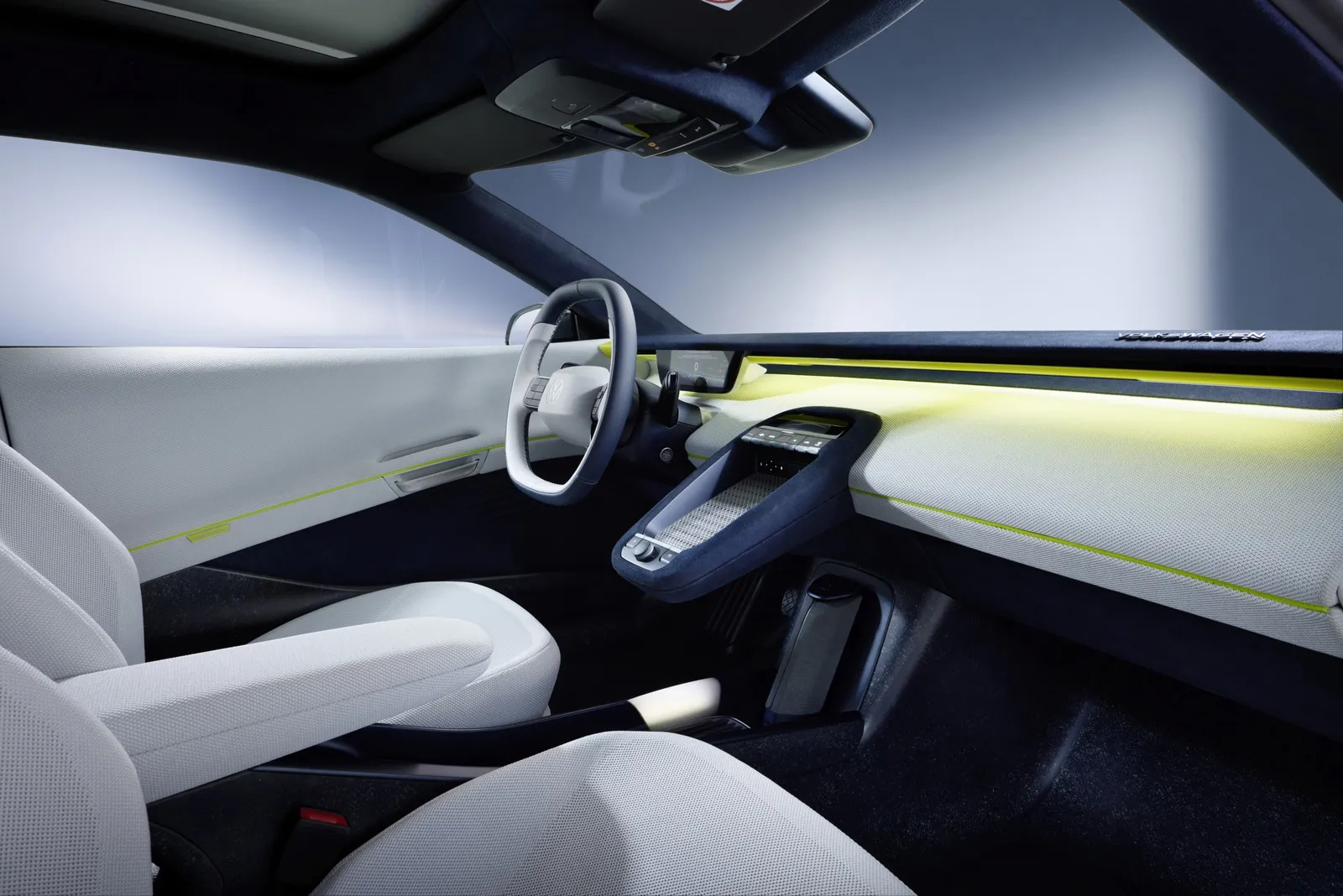
VW ME Cockpit
The VW ME was developed on the MEB+ platform with front-wheel drive, powered by an APP290 engine from the VW ID. Polo producing 99 kW/135 hp. It has seating for 2+2 passengers, with rear passengers able to stand up to 1.6 meters tall. The trunk capacity is 481 liters, and there’s also a storage compartment behind the right wheel for the charging cable. Solar panels with a capacity of 0.37 kW are installed on the roof, which “could add 30 kilometers of range per day,” but no significant results were achieved during the experimental drive.
Volkswagen Mission Efficiency and VW ID. Polo
Article Rating
Reader Ratings
[Total: 3 votes Average: 5]
Don’t miss new content—CLICK and FOLLOW Elektrowoz.pl on Google News. You might also be interested in the following ads: