
BETA Technologies' electric airplane has received a groundbreaking approval. It can take passengers on board.
In short:
- BETA A250 is the first electric vertical takeoff and landing air vehicle to receive such approval in the US
- The aircraft can carry up to five passengers or over 540 kg of cargo
- The approval is not yet a full type certificate and does not allow for regular commercial ticket sales
BETA Technologies with the approved license
Electric vertical takeoff and landing aircraft (eVTOLs) have been appearing at trade shows, in manufacturers’ presentations, and in announcements about future air taxis for several years. However, getting such a vehicle approved for actual operation with people on board turns out to be much more difficult than building a flying prototype.
BETA Technologies has just passed another milestone on this journey. The Federal Aviation Administration (FAA) granted the ALIA A250 electric aircraft a special airworthiness certificate allowing it to conduct so-called market tests.
It may sound modest, but this is the first such approval issued in the United States for an electric vertical takeoff and landing aircraft.
A potential customer can already board the A250
Until now, the test program had significantly stricter limits on the number of people who could be on board. The new approval allows BETA Technologies to conduct flights with operators, potential customers, and other participants who want to evaluate the aircraft’s capabilities.
This is not yet a situation where passengers buy tickets and fly the A250 from one city to another. Instead, BETA can take, for example, a representative from an airline, logistics company, or potential operator on board to showcase the aircraft’s features in real conditions.

The FAA refers to such operations as market surveys. Special flight eligibility certificates can be used for things like sales demonstrations, market research, or training for customer crews.
This is important for manufacturers because the future operator no longer needs to evaluate the aircraft based solely on presentations, technical data, and ground-based demonstrations.
The first such flight has already taken place
BETA did not wait long to utilize the new permit. The first flight under it occurred on October 20, 2026.
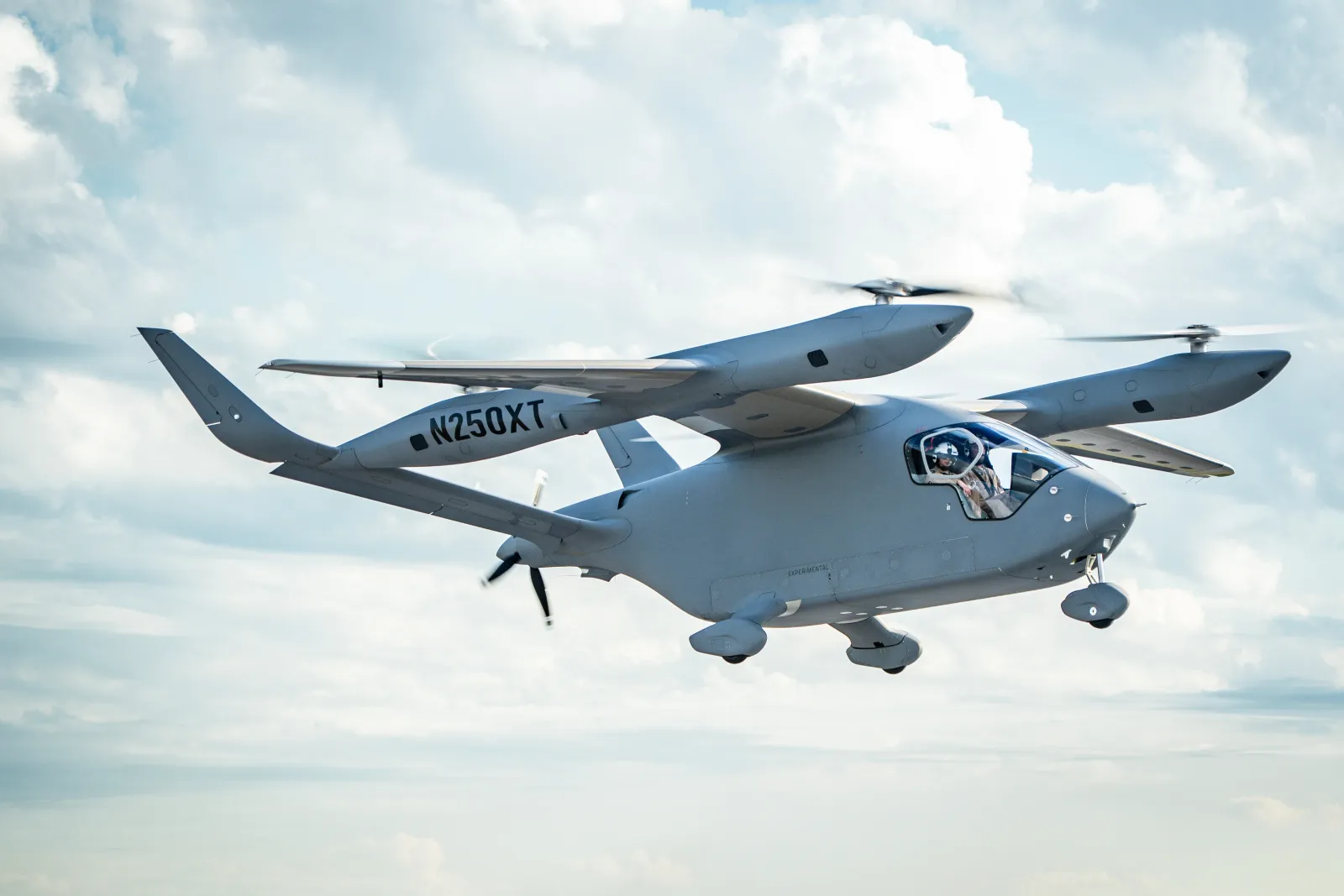
The A250 took off vertically from Plattsburgh International Airport in New York state. It then transitioned to level flight and landed vertically at Patrick Leahy Burlington International Airport in Vermont after about 20 minutes. The route covered 34 nautical miles, or approximately 63 kilometers.

The moment of transitioning from vertical takeoff to level flight is one of the key elements in the operation of similar aircraft. The A250 uses separate rotors for vertical takeoff and landing, while in forward flight it behaves more like a conventional plane that relies on wing lift.
Five people and over half a ton of cargo
The ALIA A250 is not a small one- or two-seater vehicle designed solely for short flights over cities.
The aircraft has a wingspan of 50 feet, which is approximately 15.2 meters. The manufacturer plans to accommodate a pilot and five passengers. Alternatively, it can be used for cargo transport—BETA mentions a capacity of over 1,200 pounds, or about 544 kg.
The machine is equipped with one main electric engine responsible for horizontal flight and four engines that power the rotors used for vertical takeoff and landing.
The manufacturer states a maximum speed of 153 knots, or 283 km/h. The longest range demonstrated so far for the ALIA family is 336 nautical miles, around 622 km, though the actual range of the A250 depends on factors such as flight profile, load, and vertical takeoff usage. BETA also claims an optimized charging time of 35 minutes.
The same aircraft can transport people, packages, or patients
BETA is not designing the A250 solely as an urban air taxi. The company envisions a much broader range of applications: passenger transport, regional travel, logistics, medical transportation, and military missions.
The ability to take off vertically is crucial here. The aircraft does not require a traditional runway, allowing it to use appropriately prepared landing sites and vertiports.
At the same time, its large wings enable it to fly more efficiently during longer journeys compared to designs that rely solely on the thrust of rotors.
BETA is also developing a second variant of ALIA, designed for conventional takeoff and landing (CTOL). The versions share common components such as propulsion systems, flight control computers, batteries, and charging systems. According to the manufacturer, both programs have accumulated over 250,000 nautical miles of flight time combined.
This is not yet approval for regular passenger flights
The main concern relates to the implications of the FAA’s latest decision. The special airworthiness certificate intended for market research is not a full type certification. It also does not mean the opening of regular routes or the ability to sell seats to passengers under normal conditions.
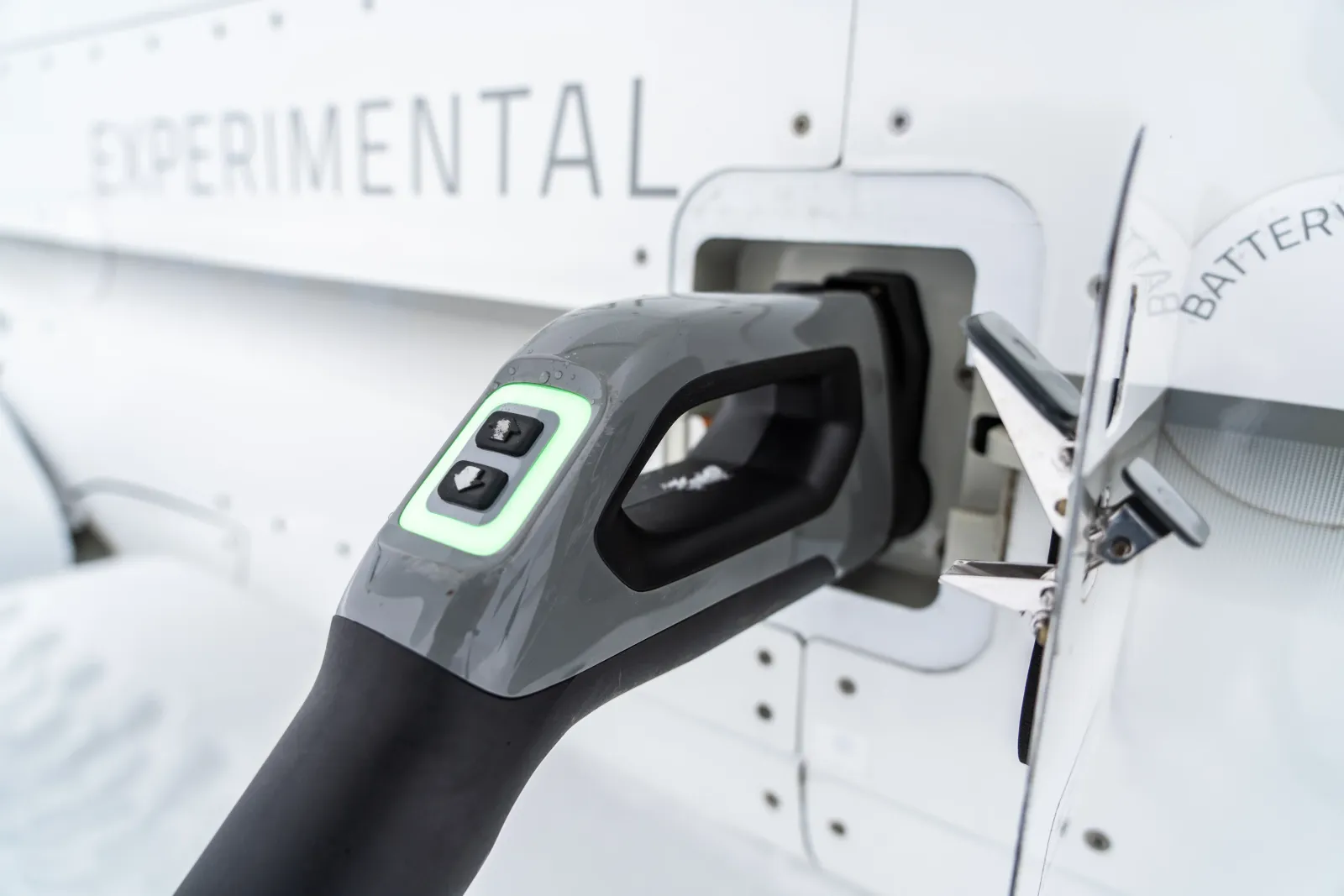
A250 is still undergoing certification, which must be completed before it can begin regular commercial operation. BETA will need to prove to regulators that the design meets requirements regarding safety, system reliability, propulsion, and the aircraft’s performance in various emergency scenarios.
However, the significance of this decision is different. For the first time, the FAA has allowed an electric eVTOL manufacturer to move from closed-test phases to a stage where future users can directly experience the aircraft.
Electric aviation enters another phase
The eVTOL industry has for years envisioned aircraft taking off from small landing sites in cities and performing short flights without combustion engines. Progress has been slower than initial promises, mainly due to the complex certification process.
The FAA decision does not yet mean the A250 will start carrying paying passengers anytime soon. However, it shows the program has moved beyond the standard prototype testing phase.
Potential operators can now board the aircraft, see vertical takeoff and landing in action, and begin developing their own procedures, infrastructure, and usage plans for such a vehicle. For BETA Technologies, the next significant step is full type certification. Only then will it be possible to pursue actual commercial operations.
Piotr Sobczyk