
Electric trucks in the offensive. T&E: they already outperform diesel trucks today, and IAA shows why
In short:
Rising fuel prices are beginning to change the economics of road transport
The total cost of ownership (TCO) for electric trucks is lower than that of their diesel counterparts in six out of nine major EU markets analyzed, according to a T&E study
Manufacturers are ready for full commercialization. The range of their vehicles already reaches 700 km
Competition from outside the Old Continent is increasingly entering the European market
Electric trucks have been, and seem to still be, viewed primarily as a solution for urban and regional transportation. Today, they are increasingly entering the long-haul transport sector, with sustainability being just one factor and economic efficiency being the main driver. Proof? The latest report by Transport & Environment and its findings show that electric trucks offer a lower total cost of ownership (TCO) in six out of the nine largest EU markets analyzed.
These countries account for 46 percent of new heavy truck sales in the Union. According to the organization’s calculations, freight operators in Germany can save up to 85,000 euros over five years of operating an electric truck, while in the Netherlands they can save even 100,000 euros. With current high diesel prices, these savings could increase to 106,000 and 123,000 euros respectively.
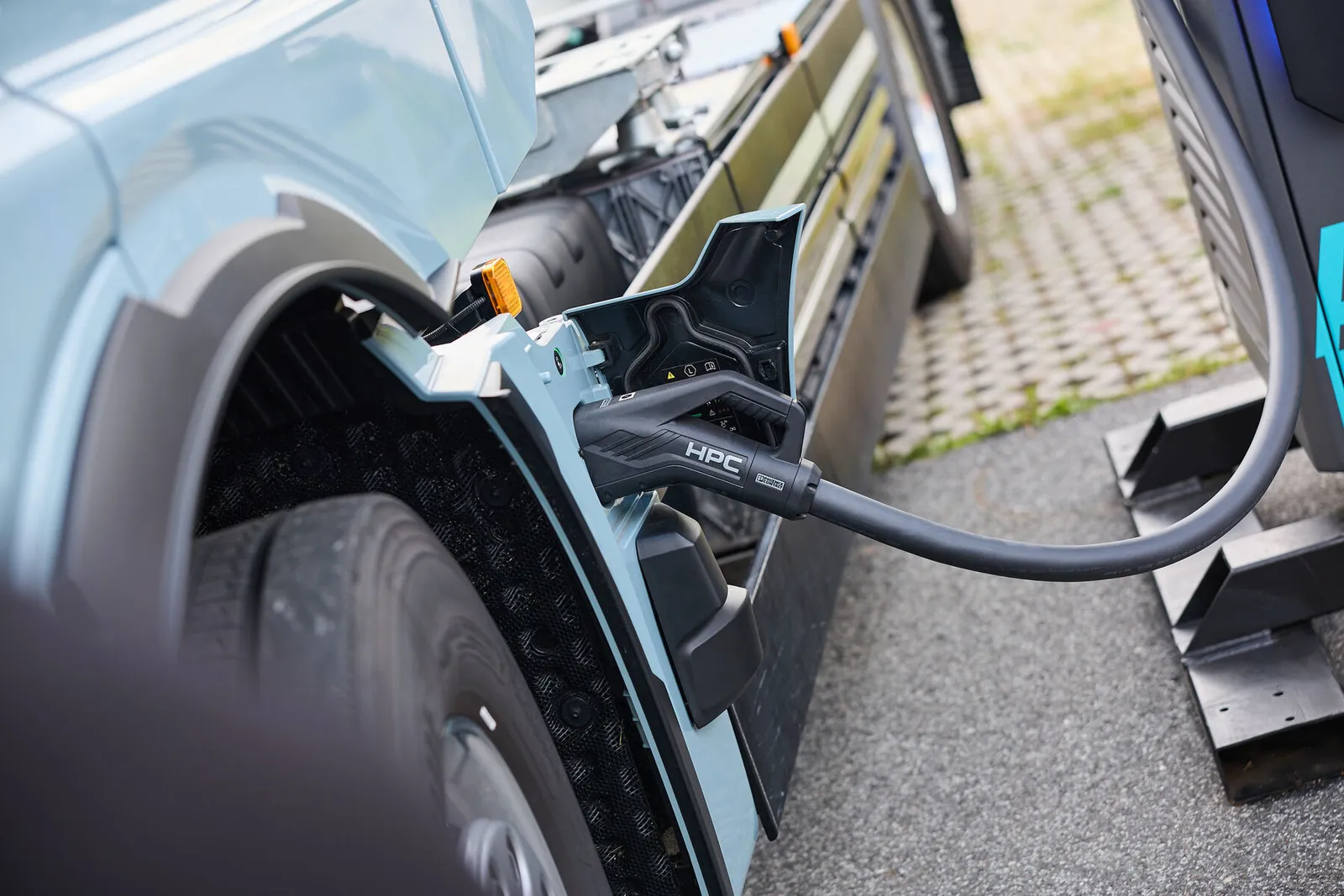
"European carriers are at the forefront of the diesel crisis. Now is the best time to switch from diesel to electric power," said Stef Cornelis, director of freight transport and fleets at T&E. He believes manufacturers and governments should support this transition by developing charging infrastructure, power grid connections, and exempting electric trucks from road tolls.
Goal: Maintain the EU emissions target
T&E argues that by 2030, electric trucks could be cheaper to operate in all nine countries analyzed. The organization also calls for maintaining the EU’s goal of reducing truck CO₂ emissions by 43% by 2030, expanding the emission-based road toll system, and continuing to support investments in charging facilities at carrier locations.
Who are these recommendations aimed at? Poland, among others! T&E suggests directly: “Expansion of CO2-based road toll systems: Italy, France, Spain, and Poland must implement the eurovignette directive and exempt zero-emission trucks from road tolls by 100% by 2031, and to a greater extent—50-75%—in subsequent years.”
Deluge of news
The report came at a particularly timely moment. At the IAA Transportation 2026 exhibition in Hanover, manufacturers demonstrated just how rapidly electric heavy vehicle technology is advancing.
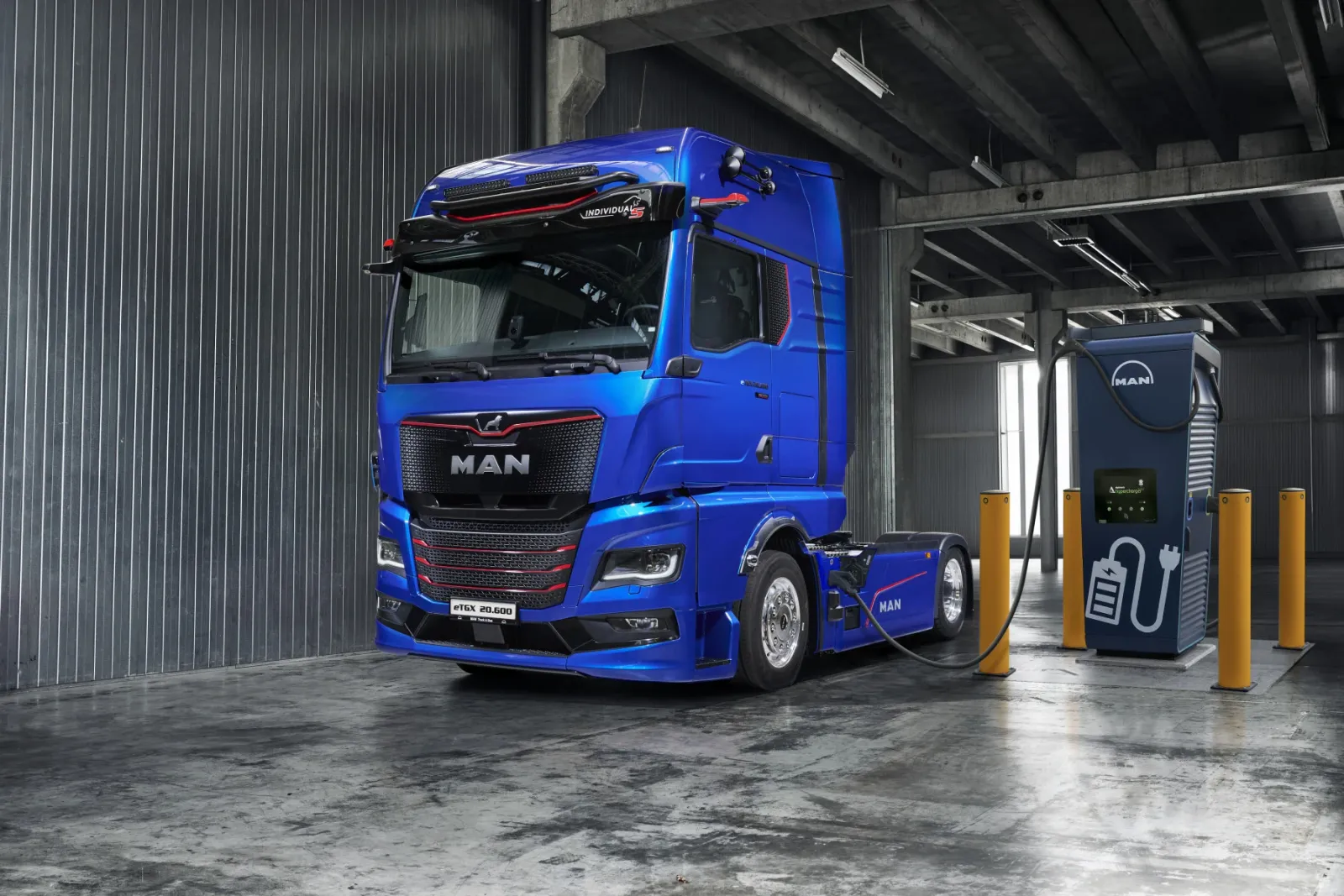
The greatest interest was drawn to the new models from MAN and Scania. Both manufacturers unveiled electric long-haul trucks with a claimed range of up to 720 km. MAN used a new generation of batteries with higher usable capacity and improved aerodynamics, while Scania increased energy storage by adding additional battery packs behind the cab. In both cases, support for a megawatt-level MCS charging system is provided.
Renault Trucks has also joined the long-range race. The E-Tech T 780 model is designed to cover up to 660 km on a single charge while maintaining all the functionality of a traditional tractor unit. Volvo, on the other hand, has focused on increasing the total weight of its fleets.
The new FH Electric is equipped to handle payloads of up to 80 tons, while the FH Aero Electric Extended Range version is expected to offer a range of 700 km.
Mercedes-Benz has expanded its eActros family with a Lowliner version intended for high-volume transport using mega-trailers. DAF, meanwhile, has emphasized versatility by significantly broadening its range of axle and chassis configurations for electric vehicles.
Offers outside the Old Continent
However, another equally important signal from Hanover was the growing pressure from Chinese manufacturers. BYD showcased the ETT 44 tractor equipped with a Blade Battery holding 651 kWh and capable of charging at up to 1.5 MW. MAXUS entered the 42-ton electric tractor segment, FOTON presented the CAVAN BEACON platform, while SANY brought five battery-powered truck models aimed at the European market. Meanwhile, Dongfeng promoted hydrogen technology, and Skyworth showcased autonomous trucks designed for use in ports and logistics terminals.
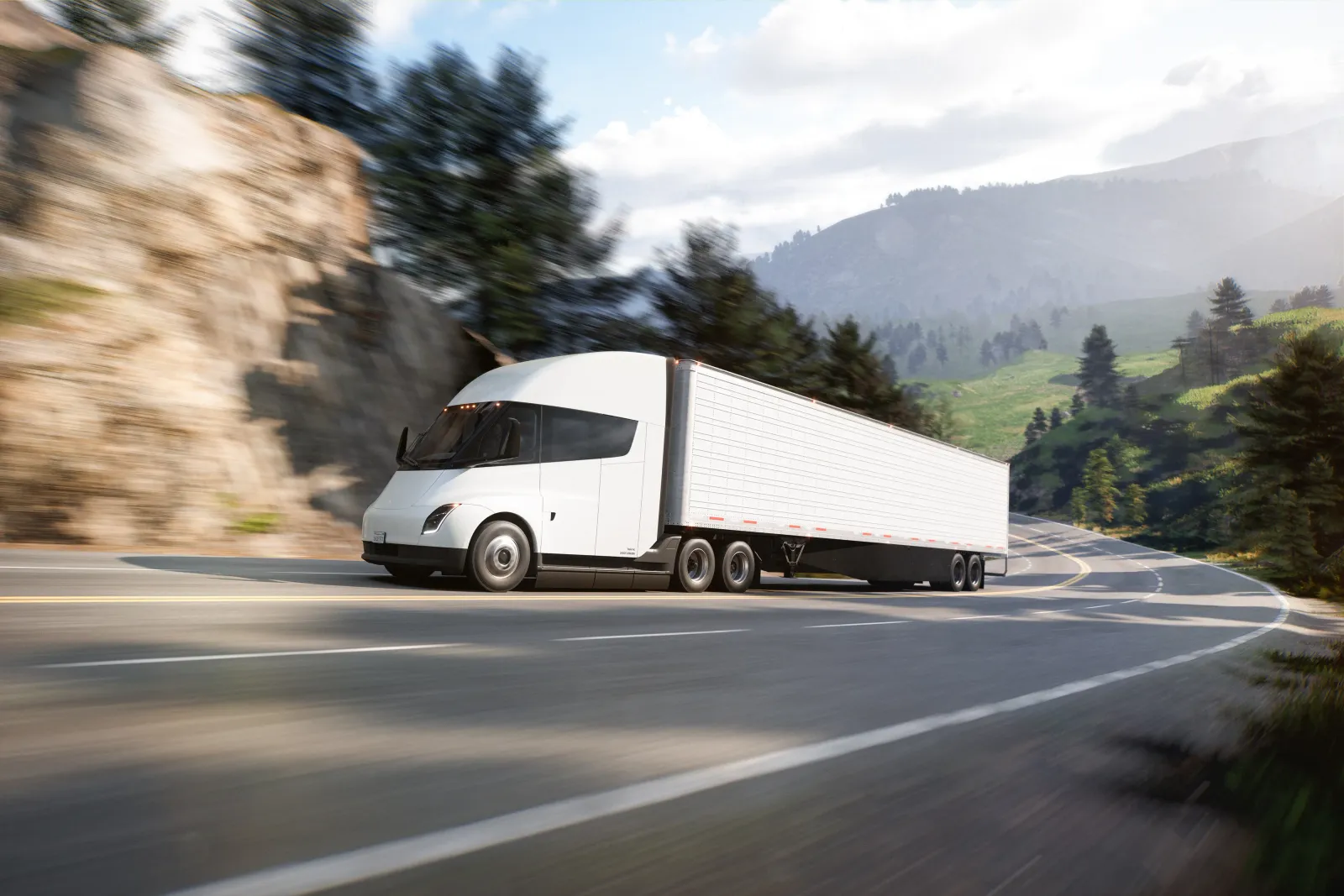
No, there’s also Tesla with its long-awaited Semi model, which is finally entering Europe nearly a decade after its high-profile debut overseas. Elon Musk’s electric truck aims to convince customers with 1,088 horsepower, a range of 550 kilometers, and the ability to regain 330 kilometers of range after a half-hour charge.
Furthermore, at the 2026 IAA Transportation exhibition in Hanover, Tesla Semi program head Dan Priestley revealed details about the electric truck’s expansion into Europe and the dedicated charging infrastructure. Tesla plans to launch a network of 21 public locations in Europe, equipped with over 100 charging stations using the MCS (Megawatt Charging System) standard.
Conclusions
The rising level of competition may turn out to be one of the most important factors accelerating market transformation. T&E points out that competitively priced trucks from China and the US are already putting pressure on European manufacturers today. According to the organization, rather than seeking to ease climate regulations, the European industry should focus on increasing production scale and reducing costs for domestic electric vehicles.
Oskar Włostowski