
PwC’s electric vehicle analysis: “The Introduction Phase Is Complete”
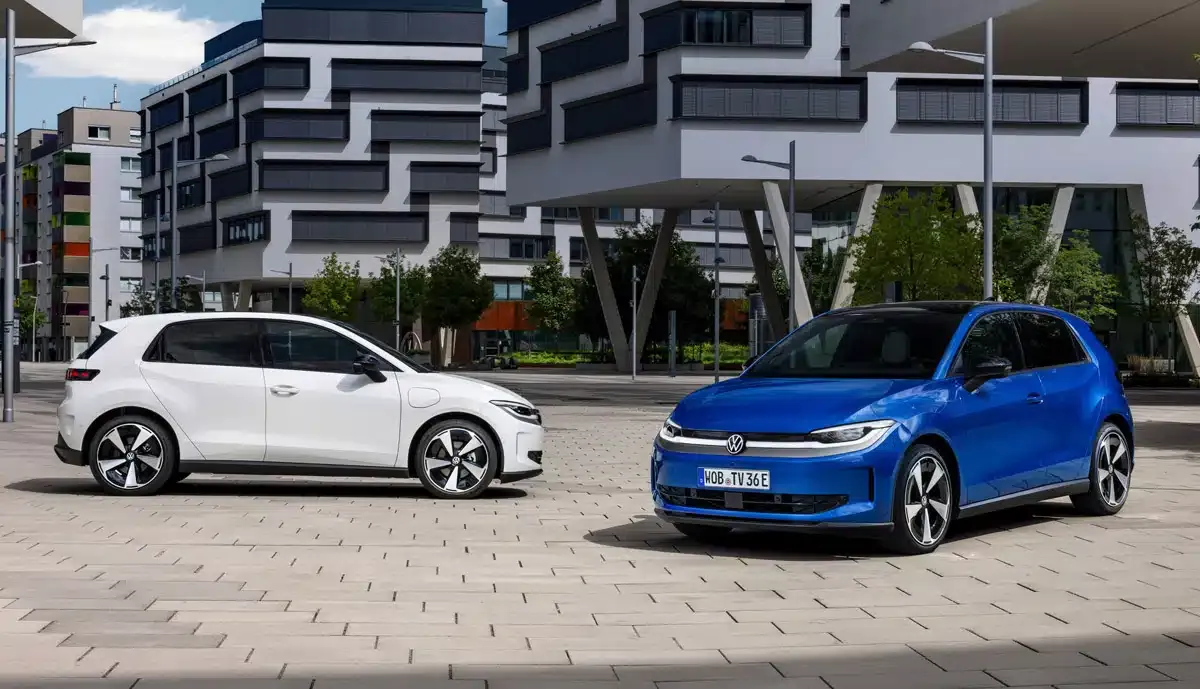
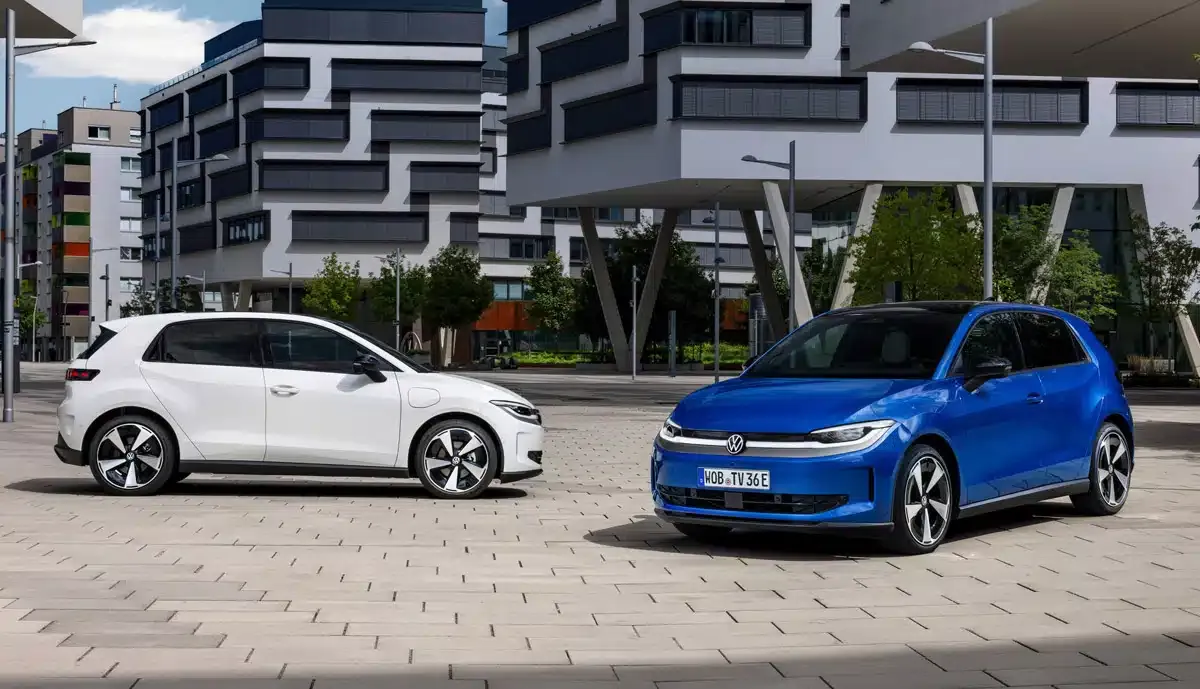
Image: VW (illustrative)
The shift toward electric mobility accelerated globally once again in the third quarter of 2026. This is shown in PwC’s latest “Electric Vehicle Sales Review” (EVSR), which analyzes new vehicle registrations in 43 international markets.
According to the report, 4.3 million pure battery electric vehicles (BEVs) were registered worldwide in the third quarter, the highest figure ever recorded. The five largest European markets—Germany, France, Italy, Spain, and the United Kingdom—showed particularly strong growth. New vehicle registrations there increased by 66% compared to the previous quarter, exceeding 600,000 BEVs for the first time.
With 27 percent, BEVs also reached a new high in terms of market share. Meanwhile, sales of vehicles with purely internal combustion engines dropped by 27 percent, falling below 25 percent market share for the first time. As a result, in the five key European markets, more than three out of four newly registered vehicles are now electric.
After several quarters of strong growth, BEV sales in Germany reached a new high of around 236,000 units according to the analysis. The third quarter also marked a historic turning point: for the first time, the market share of battery-electric vehicles at 32 percent exceeded that of conventional internal combustion engines at 29 percent. At the same time, all types of electrified powertrains saw growth, while internal combustion engines continued to lose market share.
China sets the pace for technological change
The development in China is even more advanced: there, the share of BEVs reached a new high of 49 percent in the third quarter of 2026. With 2.5 million newly registered vehicles, the People’s Republic also recorded the highest ever BEV sales volume in a single third quarter. The market share of electrified vehicles (NEVs) exceeded 65 percent in every month of the quarter, reaching a new peak of just under 66 percent in September.
While electric vehicles were still a niche product in China just a few years ago, the rapid increase in market shares, according to PwC, resembles classic technological transitions in other industries. “The current data demonstrate a market breakthrough for electric vehicles—the introduction phase is over,” says consultant Harald Wimmer.
"The pace of technological replacement will also accelerate; it often happens faster than is perceived during the transition period. Looking at the example of vinyl records, CDs, and streaming services, the superior technology has taken hold within a few years each, and this has occurred in increasingly shorter transition phases. In Europe, the sharply rising fuel prices act as a catalyst, and in about two years, half of all new cars sold could already have electric drives."
Unlike Europe and China, development in the US is becoming increasingly detached from the rest of the world. After the end of government subsidies in the third quarter of 2025, the BEV market share dropped to 6 percent in the third quarter of this year. Meanwhile, hybrid vehicle sales rose by 26 percent to 649,000 units. The record 10 percent BEV market share from the third quarter of 2025 remains out of reach for now.
"Energy costs continue to favor electric vehicles."
The analyses show that battery electric vehicles continue to offer clear economic advantages over gasoline and diesel vehicles in Germany, the US, and China in terms of energy costs. This advantage is particularly significant for users who can charge at home or at work. In Germany, with an energy budget of 100 euros, a BEV with a high proportion of home charging can cover more than twice as many kilometers as a comparable gasoline vehicle.
"The economic business case for electric vehicles is becoming increasingly strong for consumers," says consultant Steven van Arsdale. "Our analysis shows that users of electric vehicles in all markets studied are already driving at significantly lower costs than with gasoline or diesel vehicles today. At the same time, lower operating costs alone do not sell a car. What matters most remains the combination of an attractive product offering, charging access, and price. Current market data clearly show, however, that the economic conditions for electromobility are continuing to improve, further strengthening the competitive position of electric vehicles."
Have you found any errors? Please let us know
by email
about them. Thank you!
Also interesting
About the author
Thomas Langenbucher is an expert in electromobility with professional experience in the automotive industry and finance sector. Since 2011, he has been covering electric vehicles, sustainable technologies, and mobility solutions for ecomento.de. Learn more.
Reader interactions