
Electric cars suddenly popular in Russia due to gasoline shortage
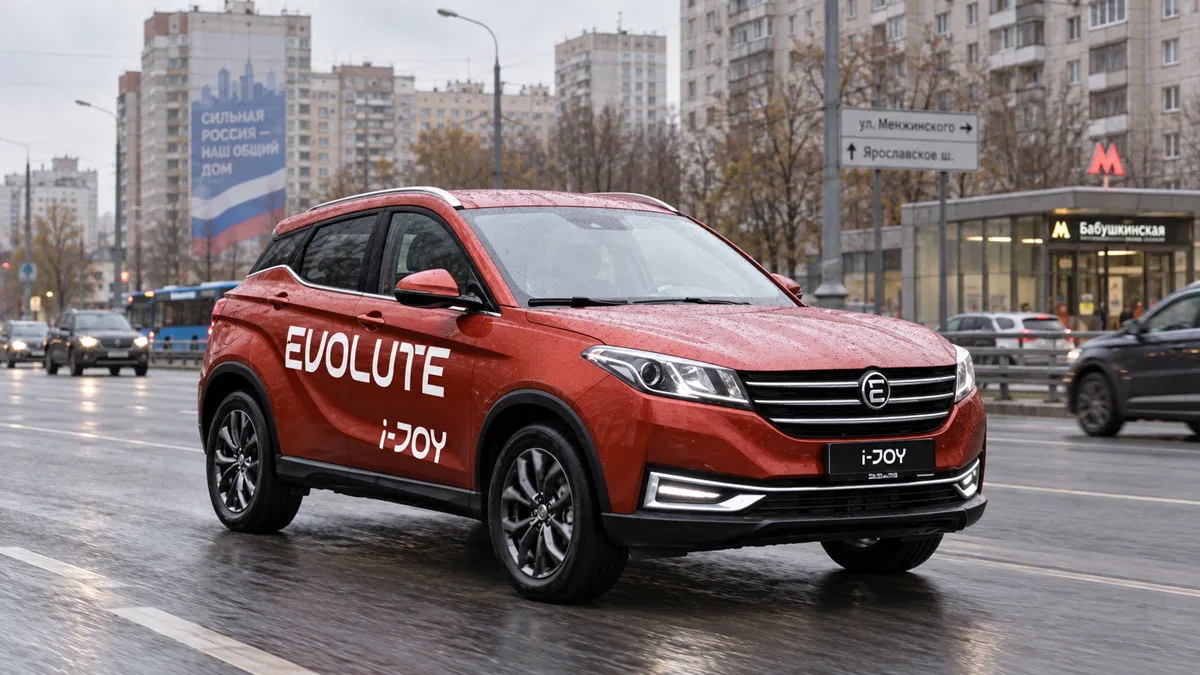
The sales of electric cars in Russia are gaining momentum from an unexpected source. As gasoline becomes scarce in parts of the country, sales of plug-in cars rose by nearly 118 percent this summer. Russia’s energy transition has thus acquired a rather unusual campaign leader: the gas pump.
Electric cars in Russia benefit from fuel shortages
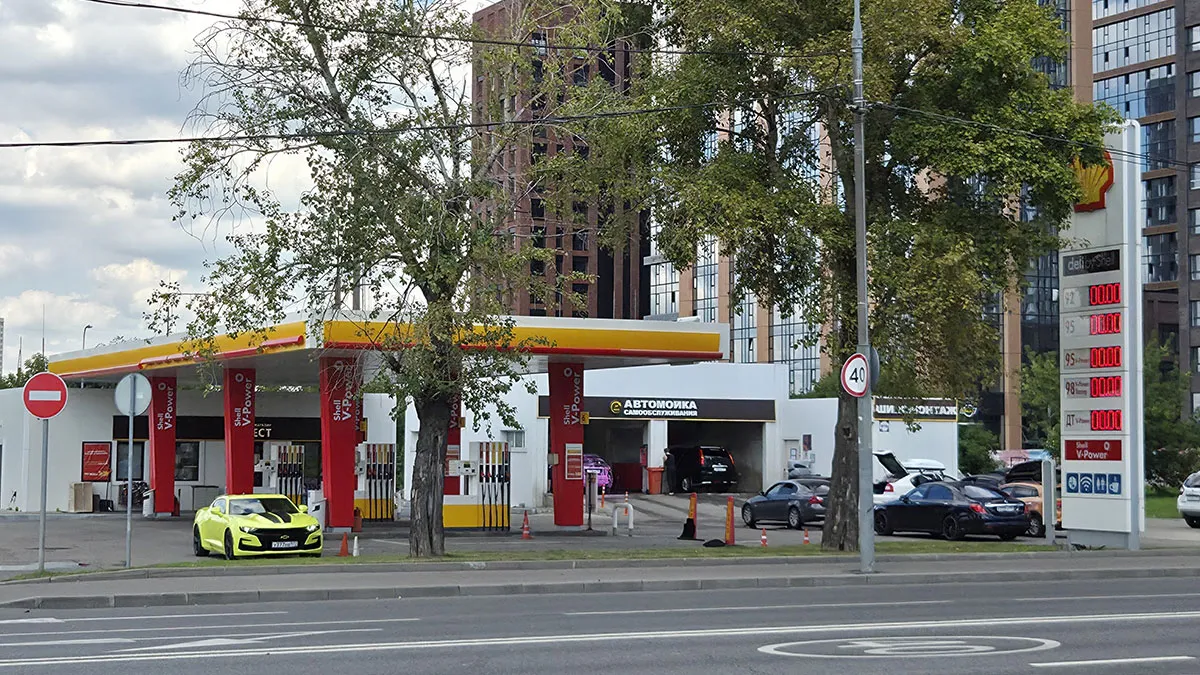
Russia and a gasoline shortage. It sounds a bit like the Netherlands without electricity, but this summer it became a reality. Ukraine launched attacks on Russian oil refineries starting in June. As a result, several refineries had to temporarily shut down or reduce their production. By the end of August, Russian gasoline production was only about 70 percent of domestic demand according to sources in the oil industry.
This led to empty gas pumps, sales restrictions, and long queues at gas stations in various Russian regions. Some drivers had to search for hours before finding a place to fill up. Those who had previously shown little interest in a charging cable suddenly had a practical reason to consider one after all.
It is tempting to draw a direct line from this to the sales of electric cars in Russia. Yet we must be cautious about that. A new car is usually not bought on the day the local gas station runs out of gasoline. Autostat pointed this out earlier this summer as well: the time between the first idea to replace a car and the actual purchase can easily be two to three months.
Sales rise by nearly 118 percent in three months
The figures are still striking nonetheless. Between June and August, 26,543 new fully electric cars and plug-in hybrids were sold in Russia. In the same three months of 2025, that number was 12,187. That represents a 117.8 percent increase.
A key nuance needs to be noted here. It refers not only to fully electric cars but to both BEVs and plug-in hybrids combined. Those who look only at the headline figure might easily assume that the Russian population has largely abandoned internal combustion engines. It’s not that far yet.
This is also evident from the figures for the first half of this year. According to market researcher Autostat, 30,730 new plug-in hybrids were sold at that time, 132 percent more than a year earlier. The sales of fully electric cars during the same period amounted to 4,606 units, which was only a 4.7 percent increase from the first half of 2025.
Plug-in hybrids thus play a significant role in driving those impressive growth figures. This isn’t really surprising. In a country with vast distances and a limited public charging network outside major cities, a vehicle that can both charge and refuel offers an attractive compromise. Especially when refueling suddenly becomes less convenient.
Electric cars in Russia mainly come from China
Those looking for electric cars or plug-in hybrids in Russia now almost inevitably turn to Chinese technology. Many European, American, Japanese, and South Korean manufacturers have significantly reduced or completely halted their operations in Russia since 2022. Chinese automakers have seized the resulting gap with enthusiasm.
Brand names such as Voyah, Geely, Avatr, Zeekr, and Li Auto have become much more prominent as a result. Imports from China also continue to rise. According to Autostat, alone in July 32,700 new passenger cars were imported directly from China to Russia, 63 percent more than in July 2025. In particular, exports of Chinese NEVs—the umbrella term for electric cars and various plug-in models—are growing rapidly.
Those who want to see at what pace China’s industry continues to develop new electric models can also check out our articles on the latest electric cars from China. The range there is changing now faster than some European brands update their infotainment systems.
Evolute is Russian on the label, Chinese underneath
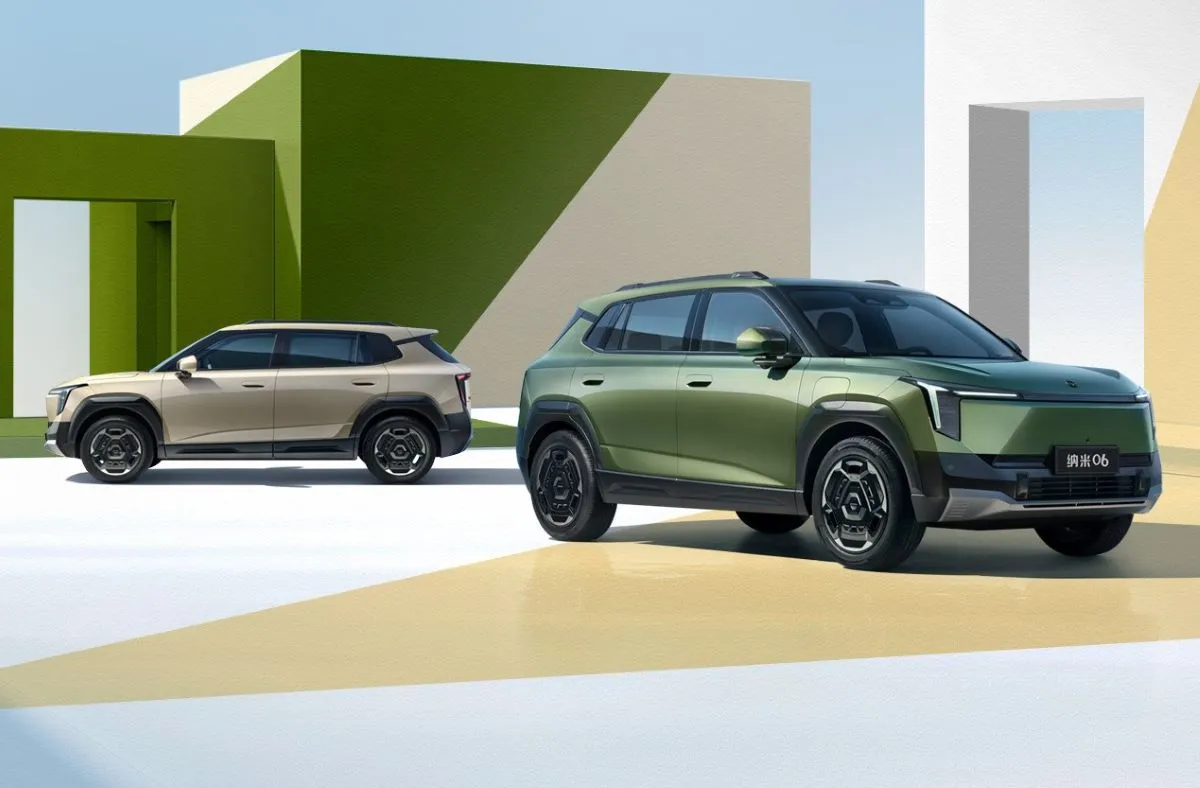
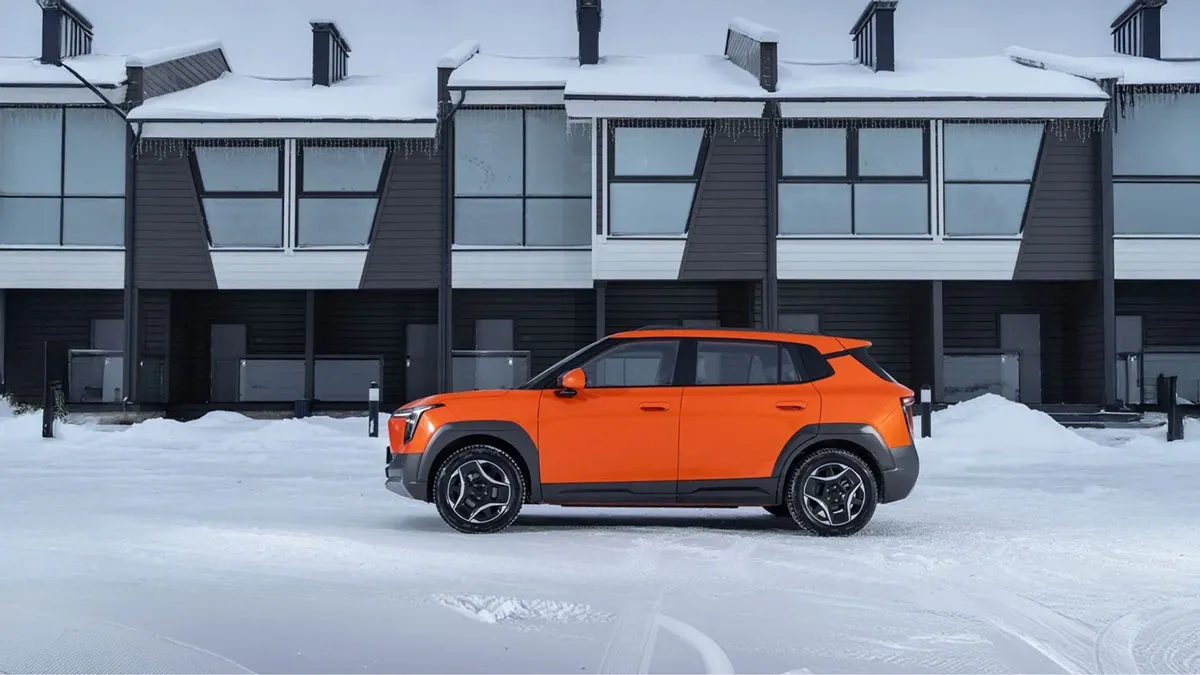
The role of Evolute is also interesting. The brand is positioned in Russia as a domestic manufacturer and assembles cars in Lipetsk. However, the Chinese influence beneath the surface is hard to overlook. The current Evolute i-JOY is based on the Dongfeng Nammi 06. This is actually a different car from the first-generation i-JOY, which still shared its base with the Dongfeng Fengon E3.
The latest i-JOY is manufactured locally, allowing it to benefit from Russian government incentives. When purchased through an eligible credit program, the state subsidy can reach up to 35 percent of the recommended price, with a cap of 925,000 rubles (€9,300!). As a result, Evolute lists the price starting at 2.199 million rubles (€22,200), while the recommended selling price is 3.124 million rubles (€31,550).
This helps explain why Evolute has been particularly successful. According to Autostat, in the first half of 2026 the brand was the leader in the market for new all-electric cars in Russia. The i-JOY, with 1,350 units sold, was even the best-selling electric model in the country.
No electric revolution has yet occurred
Despite all the percentage growth, Russia’s electric vehicle market remains small. As of July 1, 2026, there were approximately 229,800 fully electric cars and plug-in hybrids on the roads according to Autostat. That represents only about 0.5 percent of a total vehicle fleet of 47.74 million cars. Moreover, 63 percent of those 229,800 vehicles are plug-in hybrids, with only 37 percent being fully electric models.
This illustrates how relative the current growth surge is. Electric cars are becoming more attractive in Russia, but charging infrastructure, long distances, and cold winters remain serious obstacles. Especially outside major urban areas, a fully electric car is far from an obvious choice for everyone.
At the same time, the use of charging stations is increasing. At Rosatom’s charging stations under Moscow’s charging program, over 110,000 charging sessions took place in the first six months of 2026. In June alone, there were approximately 2,000 more sessions than in May. Thus, the infrastructure is expanding alongside this growth, albeit starting from a relatively modest base.
An empty gas pump turns out to be a compelling sales argument
It remains to be seen whether Russia’s EV market will continue to grow at such a rapid pace structurally. Once fuel supply normalizes, some of this extra interest may fade away. Dealers also warn that the limited availability of electric cars and hybrids could slow further growth.
Yet this summer shows something interesting. Consumers don’t necessarily need to be convinced to drive electric through climate policies, tax incentives, or attractive brochures. Sometimes, a line of twenty cars at a gas station is enough.
The irony is hard to miss. Russia is one of the world’s largest oil producers, but precisely problems with its own fuel supply are causing more Russians to consider cars with electric plugs. For electric vehicles in Russia, a gasoline shortage is currently more effective than many marketing campaigns.
Text: Marc Verweij