
Electrification in road construction: Research project shows technical possibilities and limitations
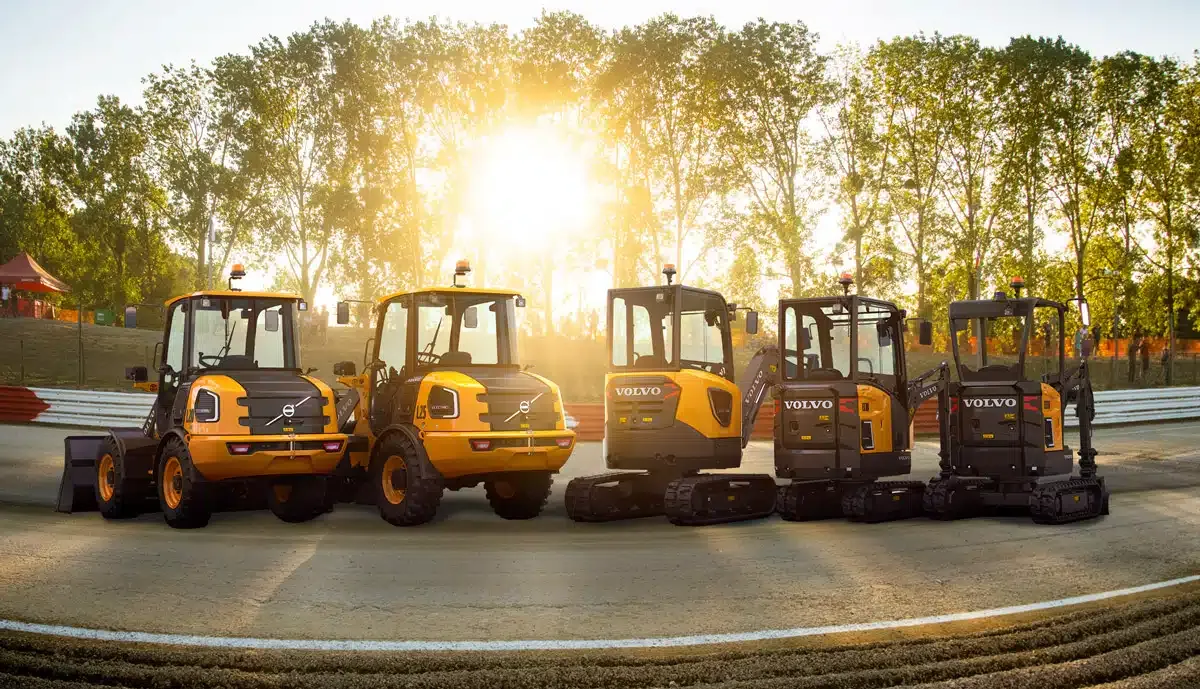
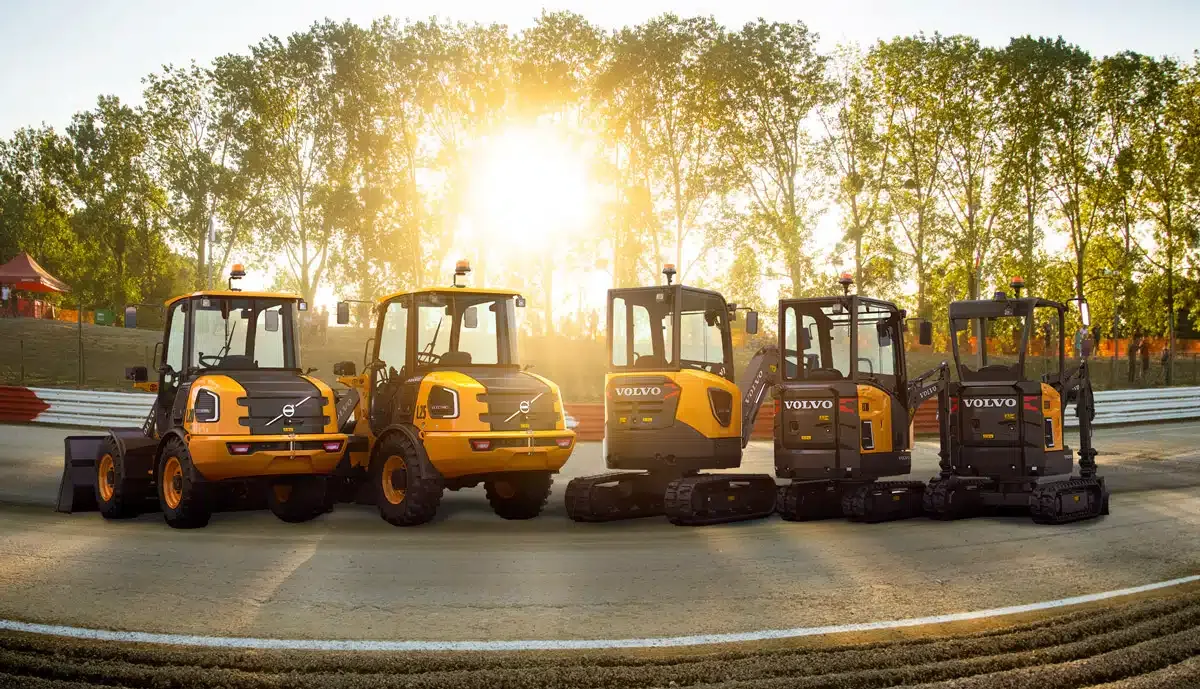
Image: Volvo CE (illustrative)
The VoltaVia research project demonstrates that widespread electrification of large road construction sites is technically feasible under the conditions studied today. Electric models are available for up to 86 percent of the required machine categories, according to the project leaders. Limitations exist regarding continuous power output, operating time, charging requirements, and flexibility of use, as well as for specialized machines such as feeders and formwork producers.
A key challenge is power supply, as reliable grid connections are often lacking at construction sites. While long-term major projects can utilize dedicated medium-voltage connections, shorter-term or mobile construction tasks primarily require portable power systems. VoltaVia has developed calculation and testing methods that take into account factors such as energy demand, charging areas, peak power requirements, logistics, and safety standards.
Electric construction machinery is often more expensive than conventional models, but it can have lower energy, maintenance, and repair costs. Its cost-effectiveness depends on factors such as utilization rate, operating hours, energy prices, and infrastructure costs. At the same time, low demand, limited market availability, and a lack of economic incentives hinder its adoption.
New procurement criteria aim to promote electrification
For public tenders, VoltaVia developed an electrification index designed to favor machine concepts with lower emissions. It evaluates the performance characteristics of drives, as well as the quantity and significance of the machines used in the construction process, rather than the actual proven reduction in CO₂ emissions. The index is intended to serve first as a selection criterion and to be gradually developed into a mandatory minimum standard, without prescribing specific drive technologies or outright excluding conventional machines from the start.
According to the project, long-term, reliable political frameworks and predictable demand are prerequisites for a broader market expansion. Anticipated rising requirements announced in advance are intended to support investments in electrified machinery and supply systems. To this end, measurable goals for reducing CO₂ emissions or increasing the proportion of low-emission construction processes are recommended.
The energy needs of large road construction sites are gradually shifting from fossil fuels to electricity, with renewable hydrogen being a potential future option. The project assessment considers the additional national electricity demand to be generally manageable, while ensuring local and timely supply of sufficient power remains crucial. A comprehensive environmental assessment must take into account not only machine operation but also the life cycles of machines and supply equipment, material production, material transportation, and other life cycle stages of road infrastructure.
VoltaVia recommends integrating the developed machine, power supply, and evaluation approaches gradually into regular road construction tenders, rather than limiting them to demonstration projects. The practical experience gained should help further develop and standardize the requirements. Early application is intended to strengthen demand and planning certainty, support the establishment of appropriate supply structures, and establish electrification as a long-term practice in road construction.
Have you found any errors? Please let us know
by email
about them. Thank you!
Also interesting
About the author
Thomas Langenbucher is an expert in electromobility with professional experience in the automotive industry and finance sector. Since 2011, he has been covering electric vehicles, sustainable technologies, and mobility solutions for ecomento.de. Learn more.
Reader interactions