
The XPeng L05 will arrive in Spain in 2027: everything we know about a model aiming to disrupt the market
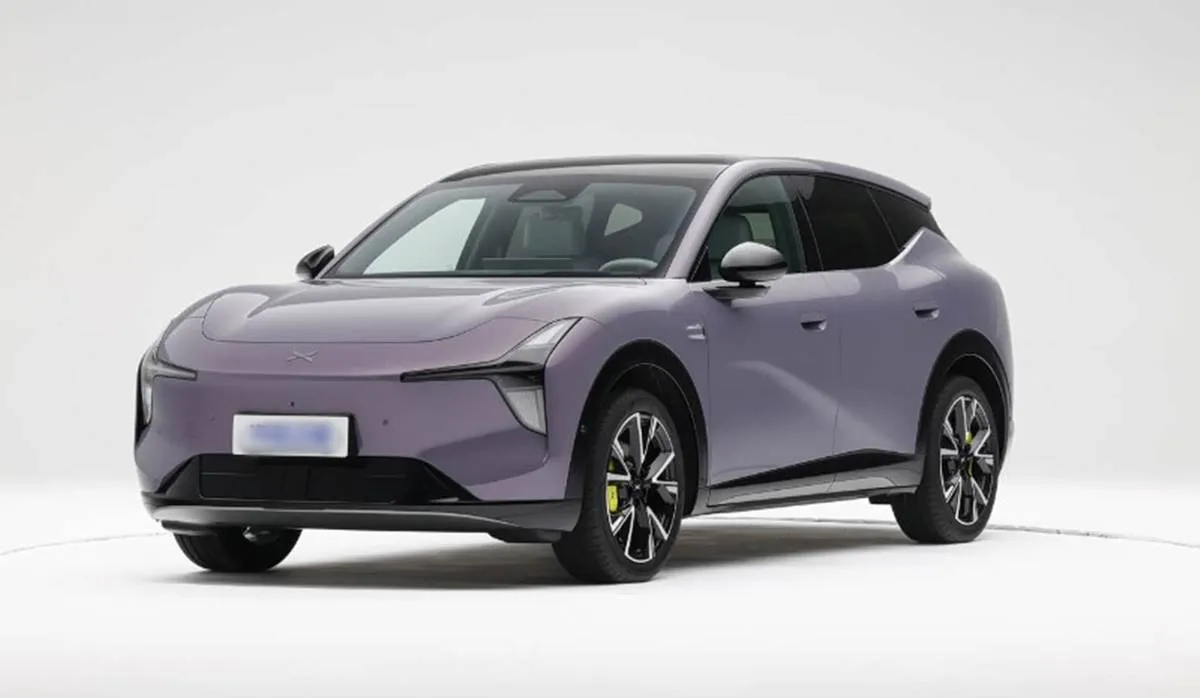
XPeng is preparing a new option for families looking for a spacious, tech-driven car with a price that should be competitive on paper. The new L05 has already begun sales in China, and its arrival in Europe is confirmed. For Spanish buyers, its main appeal will lie in the combination of space and various propulsion options, though key details are still missing to determine its exact position in the market.
The brand will unveil the specifics of the European version at the Brussels Motor Show from January 8 to 17, including powertrains, equipment, driving assistants, and prices. A specific timeline for Spain remains undecided.
The L05 belongs to the MONA family, through which XPeng aims to expand its presence in more affordable segments. But affordable doesn’t mean small: it measures 4.87 meters in length, 1.93 meters in width, and 1.64 meters in height, with a wheelbase of 2.94 meters.
These are the dimensions of a large family SUV. For those traveling with children and luggage, this size can be attractive; for those who park daily in a narrow garage, the width is a factor worth considering before making a decision.
Its design retains the clean surfaces and distinctive lighting style of the MONA family, but it features a body structure less affected by a low roof compared to the L03. The goal is to offer more usable space in a five-seater cabin.
XPeng claims a trunk volume of 702 liters (up to the rear window, not VDA measured), which increases to 1,913 liters with the rear seats folded down. The all-electric versions add a 102-liter front compartment, which is not available in the range with extended range capability.
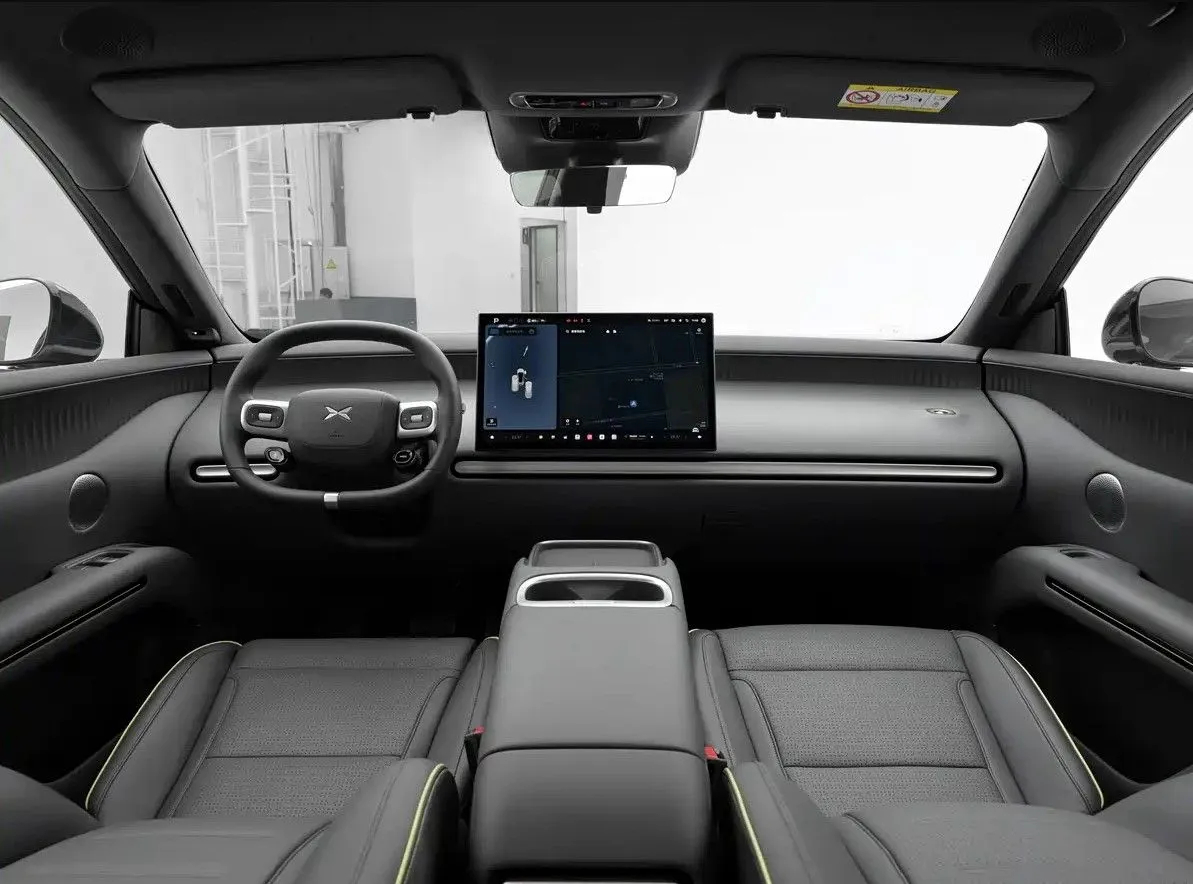
The interior adopts a minimalist design, featuring a 17.3-inch central screen and a 26.8-inch windshield projection system announced for the Chinese market. The specific equipment available in this region has not yet been finalized.
Electric or with extended range: what might interest Spanish buyers
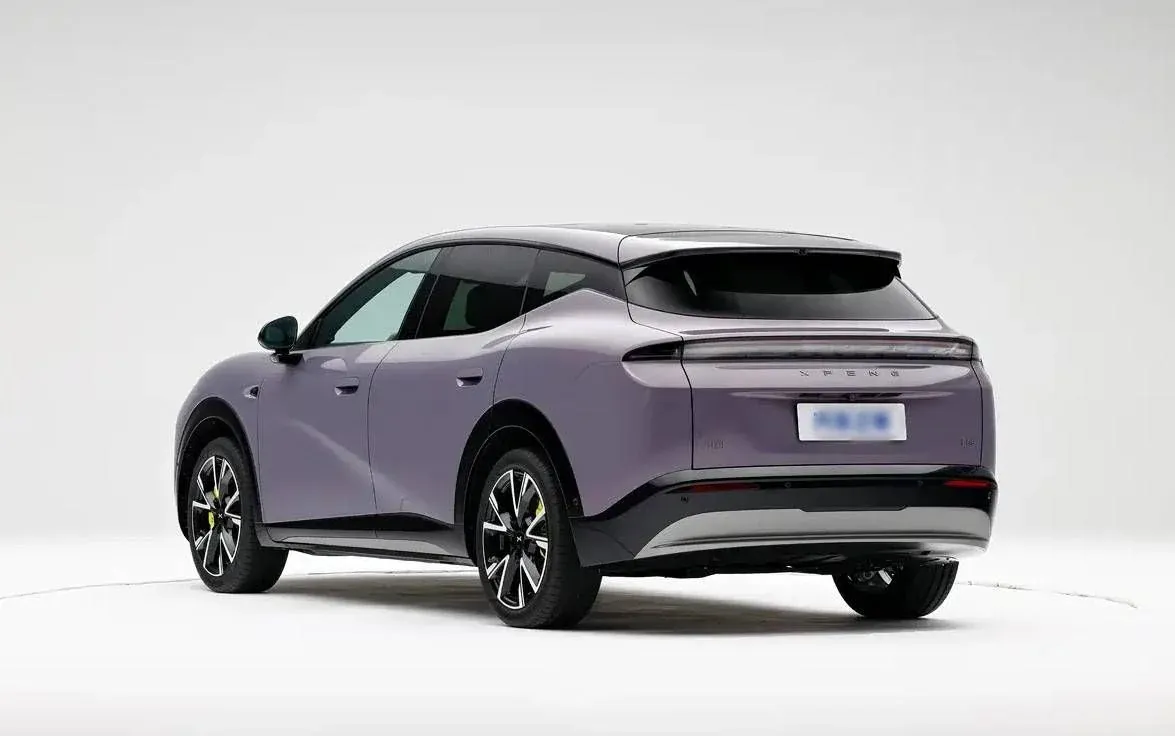
The Chinese version uses an 183 kW —249 HP— rear motor and offers two configurations: a battery-only electric version or an electric version with an extended range option.
The all-electric versions are equipped with LFP batteries of 58.2 or 71.1 kWh. Depending on the configuration, they claim ranges of 535 to 635 kilometers on the CLTC cycle. In Europe, the 71 kWh configuration is typically available, offering around 575 kilometers on the WLTP cycle.
For those who frequently drive long distances on highways, it’s particularly interesting to know the actual fuel consumption of the 71.1 kWh version. Battery capacity helps determine the car’s value, but it alone cannot predict how many kilometers it can travel at 120 km/h.
In fast charging, the Chinese specifications indicate a time of 19.1 minutes to go from 10% to 80% in the electric versions, under the manufacturer’s test conditions. This is a promising figure for commuting, though it remains to be verified in the European configuration and through independent tests.
The EREV variant features a 37.2 kWh battery and a gasoline engine that generates electricity. The wheels are still driven by the electric motor, while the range extender allows the vehicle to continue traveling when the battery charge drops.
This version claims 310 kilometers of electric range and 1,310 kilometers of combined range on the CLTC cycle. Again, these are Chinese figures, not WLTP results or predictions of range on our roads.
For a Spanish family with the option to charge at home, their preference would be to use electricity for daily commuting and gasoline for longer trips. In exchange, they retain a thermal engine, along with its maintenance needs and emissions when in use. XPeng still needs to confirm which versions it will sell in each European market.

A key factor remains to be determined: the price in Europe. This will determine the impact of this D-SUV, which has almost everything it needs to succeed and raise the bar for competitors on the old continent, benefiting all customers, including those interested in rival brands’ models, who will have to step up their efforts to avoid losing ground.
The benchmark is the price of the Tesla Model Y, Europe’s best-selling electric D-SUV. Its base version offers 525 km of WLTP range for 40,760 euros before any discounts or promotions. The 50,990 euro Model Y Premium with rear-wheel drive, which achieves 603 km of WLTP range, will also serve as a reference point. Therefore, the Xpeng L05, with its estimated 575 km of WLTP range, should not cost much more than 40,000–45,000 euros if it wants to make a significant impact.
A model that has pending tasks, such as offering versions with more battery and range, as well as proving its potential in areas like autonomous driving, where it will play a significant role, provided that regulations allow it.