
The Volvo EX30 gains a very practical feature thanks to a simple remote update.
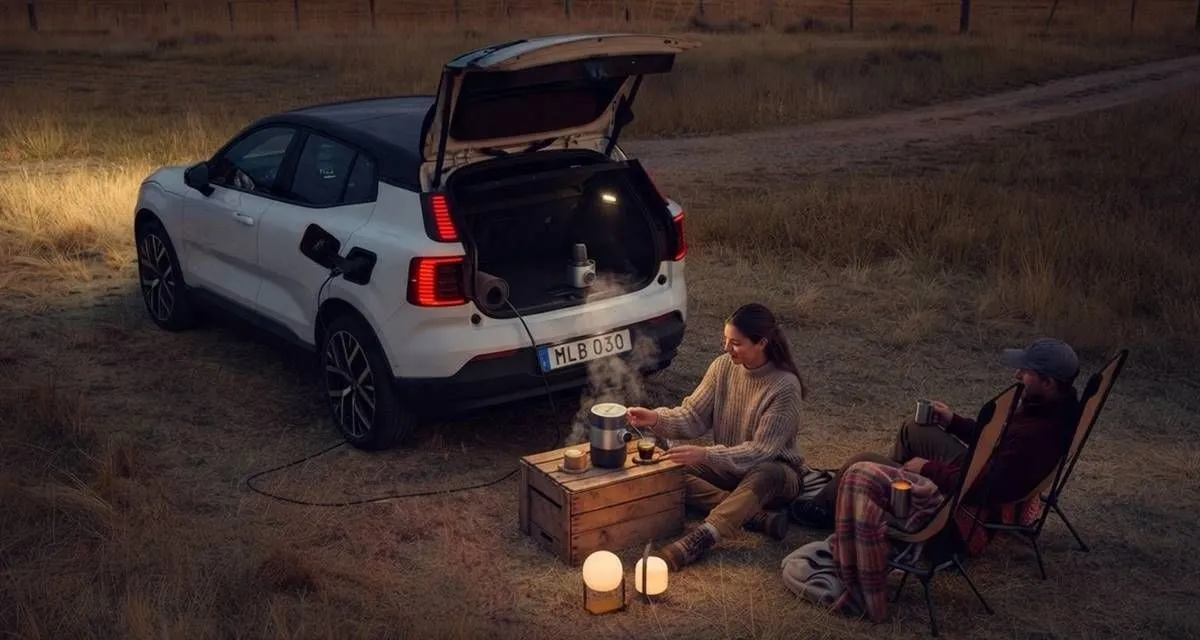
In 2026, there’s no longer a need to wait for a facelift for a car to improve. Over-the-air software updates allow manufacturers to add new features months after delivery, and Volvo has just demonstrated this with several of its electric models. The Volvo EX30 now comes equipped with one of the most practical features a electric car can offer: the ability to use its battery to power external devices.
The Volvo EX30 finally gets the V2L feature
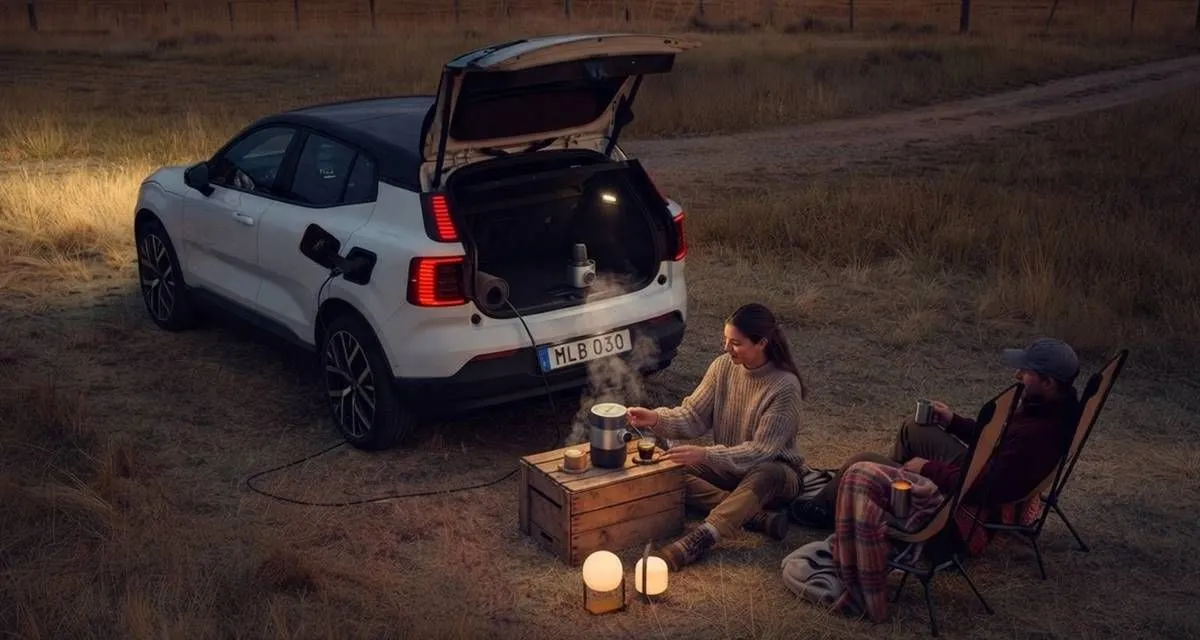
The main update applies to the Volvo EX30. A new software upgrade allows the car’s battery to be used as a power source to directly supply external electrical devices. To do this, it is necessary to connect the V2L adapter developed by Volvo to the charging port, after which devices such as a coffee maker, portable fridge, power tools, or kitchen equipment can be connected.
This function, known as V2L, can provide up to 3 kW of power at 16 amps, a figure sufficient for most devices we might need outside the home. The Volvo EX30’s battery thus becomes a kind of mobile power source, which is especially useful for outdoor activities, working in areas without electricity supply, or even to have power during a power outage.
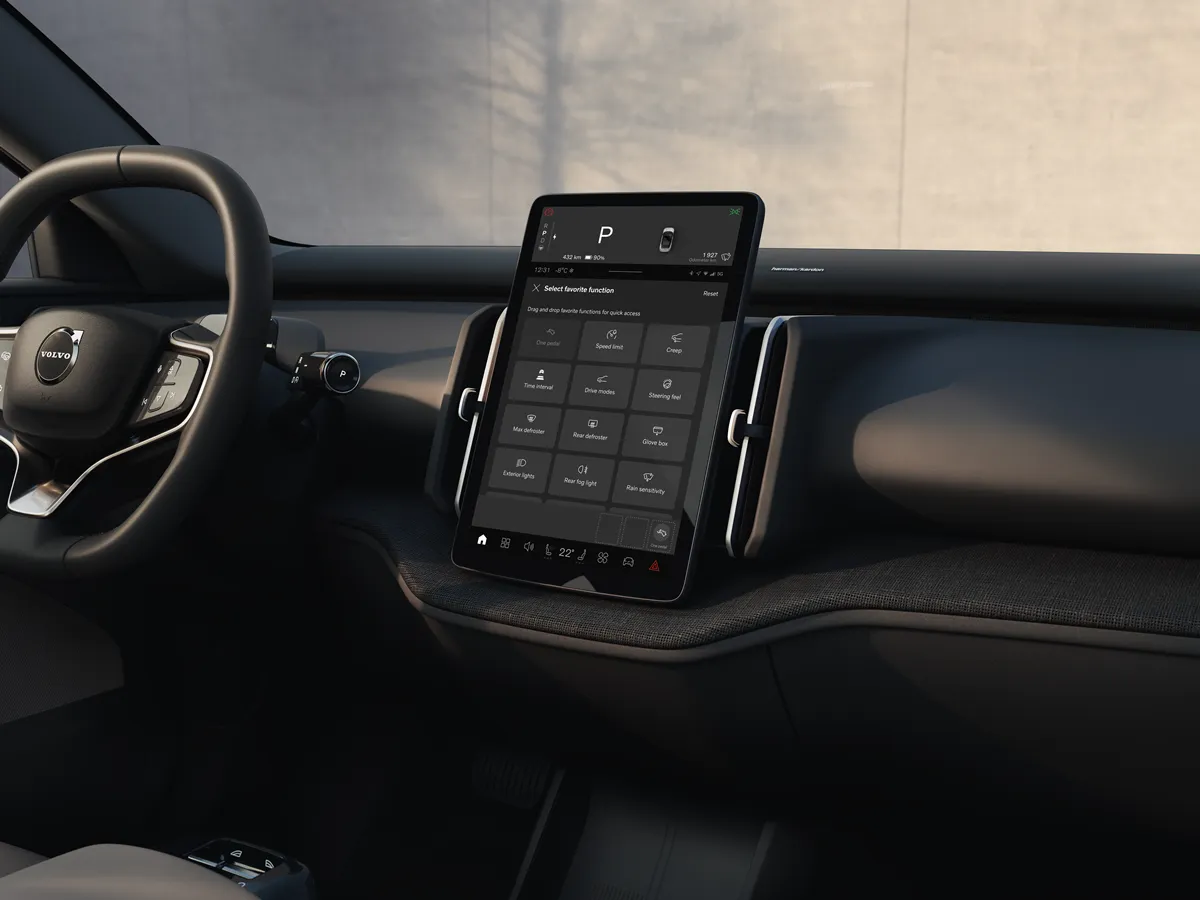
In addition, Volvo has implemented safeguards to prevent this feature from leaving the driver without power to continue driving. When the battery level drops below 20%, power supply to external devices is automatically cut off, preserving a reserve to keep the car functional. This feature is delivered via a wireless update and is being rolled out free of charge for both new EX30 models and those that have already been delivered.
The introduction of V2L allows the Volvo EX30 to catch up with some competitors that already offered this feature. The difference is that, in this case, Volvo can add this function to existing vehicles simply through software, without the need for any physical modifications beyond the adapter required to connect devices.
The EX30 also includes Plug & Charge in compatible markets and charging stations. Simply connect the cable to a compatible charger, and the car will automatically identify itself, authorize the session, and handle payment without the need to use a card or open an app. Volvo already offers this feature for the EX30 in Spain, though its functionality depends on both the service provider and the charging station being compatible.
There are also updates for the EX60, EX90, and ES90
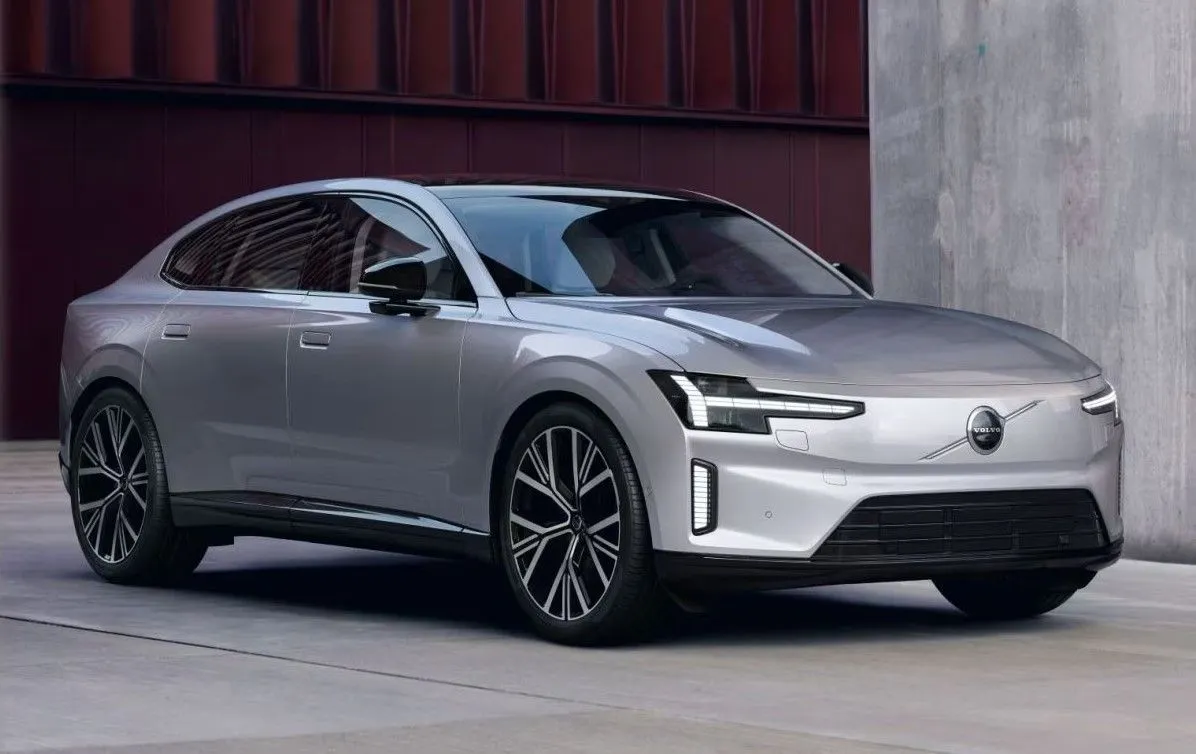
Volvo is also expanding the connected safety features of its latest models. The EX60, EX90, and ES90 now come with new alerts that can warn drivers about certain dangers ahead on the road. These include accidents, construction work, large animals, and detection of pedestrians and cyclists on the roadway.
The system operates by exchanging information between connected vehicles and other data sources. In this way, a vehicle that detects an accident or danger can help ensure that nearby cars receive the warning in advance. Volvo already used this system to share information about certain road conditions, and now it is expanding its capabilities.
In the case of the EX90, this philosophy of continuous improvement goes even further. Volvo has already introduced hardware and software upgrades to this model, including a more powerful central computer and new safety and assistance features. The brand has opted for an architecture that can accommodate additional functions over time, a feature that is becoming increasingly important in modern cars.
Finally, the Volvo EX90 and ES90 equipped with the Bowers & Wilkins sound system feature compatibility with Spatial Audio via Apple CarPlay. It’s not a feature that will change the way these models are driven, but it does enhance their multimedia capabilities and shows how software is playing an increasingly important role in the evolution of cars since its introduction to the market.
The interesting aspect of all this is that a car is no longer completely defined on the day it leaves the dealership. Volvo can introduce new functions, improve existing systems, and add features through updates—something that just a few years ago would have required taking the car to a repair shop or waiting for the next generation of the model.
Source | Volvo