
The most interesting Volkswagen ID.3 Neo is here now: Style trim with 410 km of range
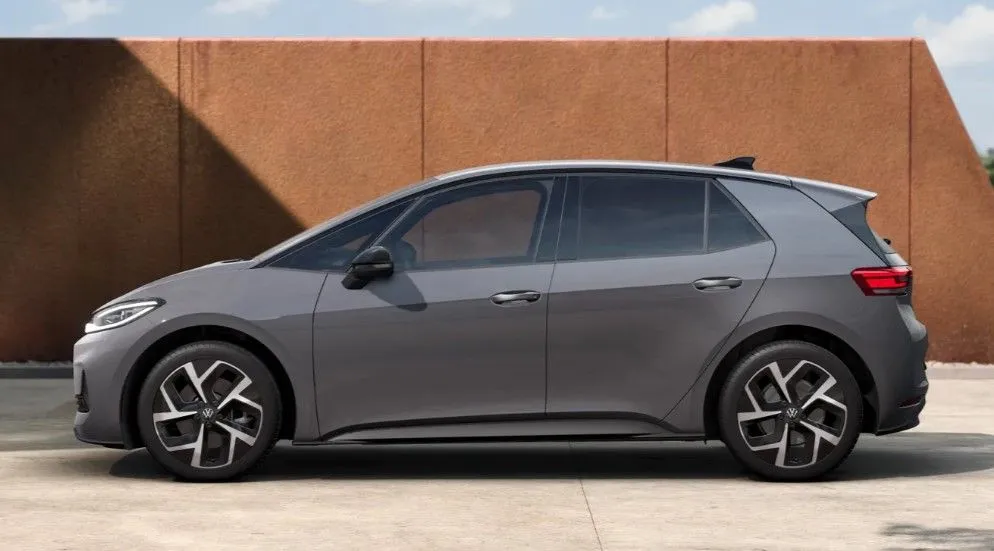
The Volkswagen ID.3 is passing almost unnoticed in Spain’s market, and the German manufacturer is trying to boost sales amid fierce competition from Chinese models with the ID.3 Neo. This upgrade, which improves upon what was previously offered and wasn’t particularly challenging to develop, is now making headlines because it introduces a new more basic trim that helps reduce its already high price. Will this be enough to compete?
The sales figures for the ID.3 in our market are quite poor. Throughout 2025, it managed to sell just over 1,000 units, falling even short of the ID.Buzz and far behind its Chinese rivals like the BYD Dolphin.
The arrival of this version aims to change things within the range. Until now, the Style finish was reserved for the most powerful configurations, so to enjoy all its features one had to pay a significantly higher price. The new 52 kWh ID.3 Neo Style costs 39,341 euros in Spain, falling below the psychological barrier of 40,000 euros before any discounts or promotions.
Volkswagen ID.3 Neo Style: more features without having to pay for a larger battery
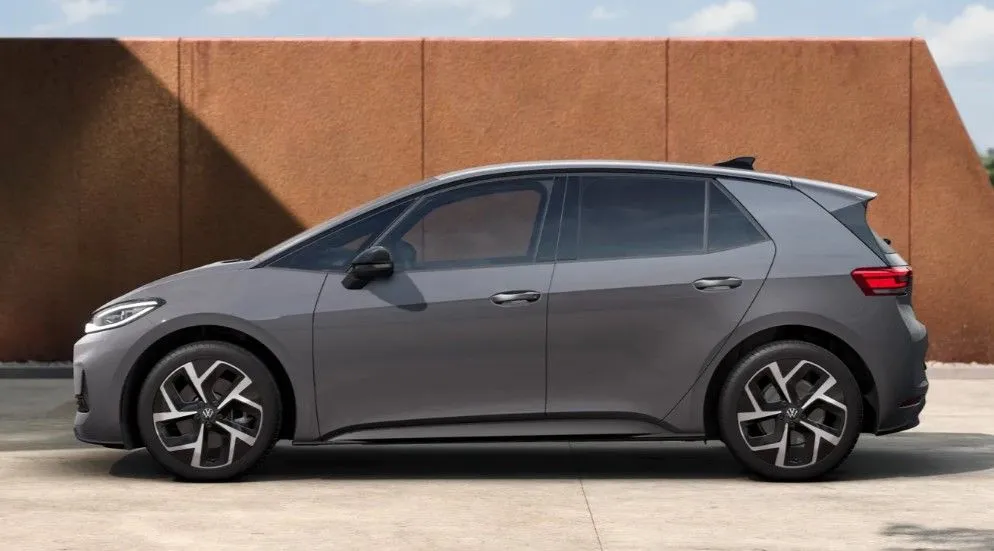
Volkswagen initially structured the ID.3 Neo range around the Life and Style trims. The Style version includes a particularly comprehensive set of features, with elements that were previously reserved for higher-end models. These include 19-inch alloy wheels, IQ.LIGHT Matrix LED headlights, LED rear lights with dynamic flashing functions, tinted rear windows, as well as electric, heated, and foldable mirrors.
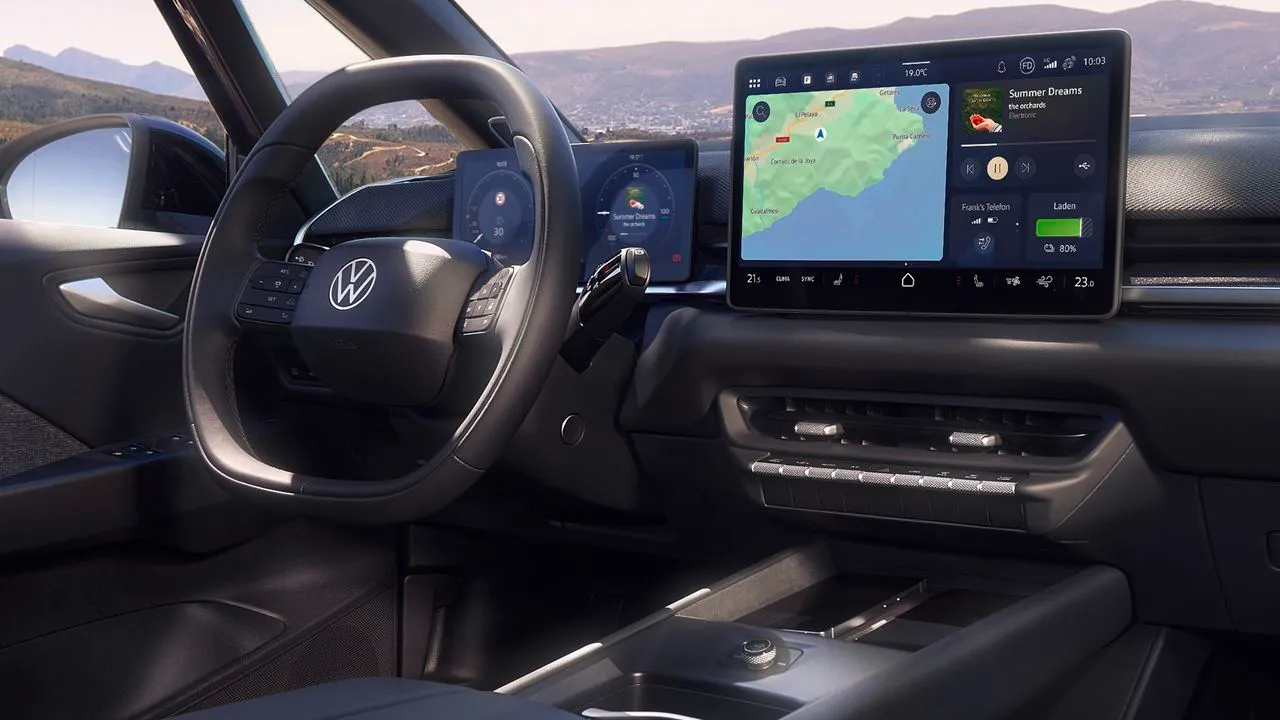
There is also a significant improvement inside compared to the previous model’s interior finish. The ID.3 Neo Style features a digital dashboard, 12.9-inch touchscreen, navigation system, Android Auto and Apple CarPlay, Bluetooth connectivity, and digital radio. It also includes a two-zone automatic climate control, heated front seats, heated multifunction steering wheel, and keyless entry and start system. Volkswagen has focused on this aspect specifically to address one of the most common criticisms of the earlier ID.3, offering a more refined interior and an easier-to-use interface.
The safety features are also comprehensive. The Style trim includes adaptive cruise control, front and rear parking sensors, a rear camera, lane change assist, unintentional lane departure warning, emergency braking with pedestrian detection, traffic sign recognition, and a fatigue and distraction detection system. It is therefore a configuration that allows for a reasonably complete set of features without the need for numerous additional options.
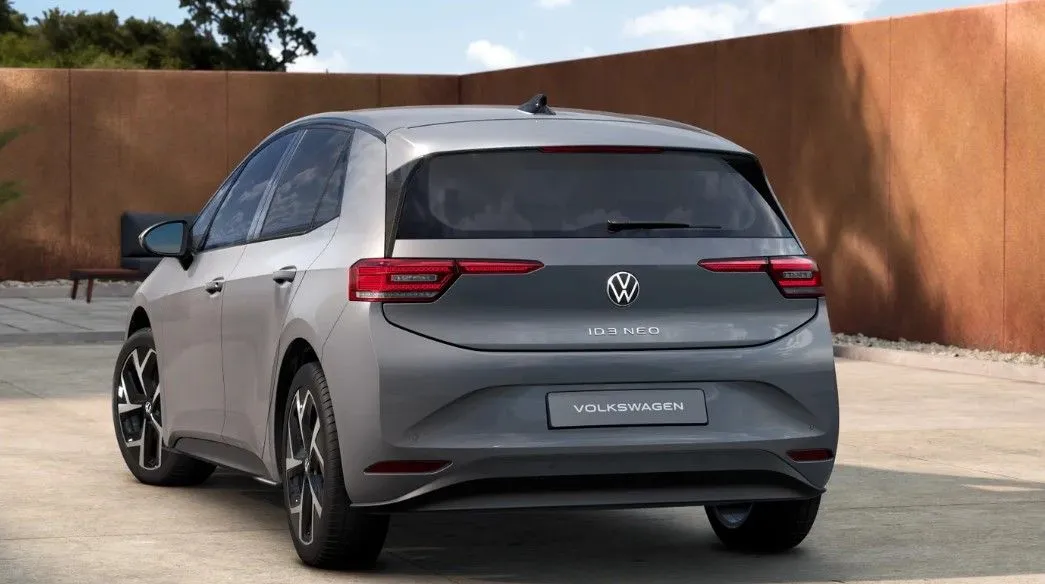
Exteriorly, the new ID.3 Neo retains the proportions of the German compact car, although Volkswagen has given its design a thorough overhaul. The front end is now much cleaner, with narrower light clusters visually connected by a new lighting signature, while the bumper and other body areas have also been redesigned. The model measures around 4.27 meters in length, 1.81 meters in width, and 1.56 meters in height, with a trunk capacity of about 383 liters.
Under the hood, there are no surprises. The 52 kWh Volkswagen ID.3 Neo Style uses an electric motor with 125 kW of power, equivalent to 170 horsepower, and 350 Nm of torque, paired with the rear wheels. It can accelerate from 0 to 100 km/h in around 8 seconds and reaches a top speed of 160 km/h—figures more than sufficient for a compact car designed for both city driving and highway use.
The battery has a capacity of 52 kWh and uses LFP chemistry, one of the key innovations introduced in this generation of the ID.3 Neo. The DC charging power can reach up to 105 kW depending on the configuration, while the AC charger provides 11 kW. Fast charging allows for a significant portion of the battery capacity to be restored in about half an hour.
With this configuration, the ID.3 Neo Style achieves a WLTP range of 410 kilometers, a figure that makes it suitable for daily use without sacrificing the ability to travel longer distances. It doesn’t match the performance of the 58 or 79 kWh versions, but it isn’t intended to either: the key advantage of this variant lies in combining a high level of equipment with a smaller battery, resulting in a more affordable price.
And here comes the interesting part of Volkswagen’s strategy. The 52 kWh ID.3 Neo Style costs 39,341 euros, while the 58 kWh Style is priced at 42,291 euros and the 79 kWh Style reaches 47,671 euros. This new version allows customers to get the most comprehensive specification set without having to pay nearly 3,000 euros extra for the intermediate battery or over 8,000 euros to go with the larger battery.
Volkswagen ID.3 Neo Style
Power
Battery
Autonomy
Price
Style
170 HP
52 kWh
410 km
39,341 euros
Style
190 HP
58 kWh
up to 485 km
42,291 euros
Style
231 HP
79 kWh
up to 627 km
47,671 euros
The decision makes even more sense considering the landscape that has emerged around this German compact car. The BYD Dolphin, MG4, and other similarly sized models have forced Volkswagen to adjust its offering, while the arrival of new electric compact cars from China is putting even greater pressure on traditional manufacturers.
The ID.3 Neo doesn’t aim to win this battle solely on price. Its advantage lies elsewhere: a compact body, rear-wheel drive, an interior that is much more refined than that of the previous model, a wide network of dealerships, and now the option to combine all these features with the Style trim without exceeding 40,000 euros.
That said, it should be noted that the 39,341 euros refers to the list price. Volkswagen currently offers promotional campaigns and financing options that can significantly reduce the cost of getting an ID.3 Neo, though in such cases it’s advisable to consider the total cost of ownership rather than just the monthly installment. The brand itself is currently advertising much lower prices for certain configurations when financing, promotions, and subsidies are applied.
With this new version, the German compact car now occupies a much more logical position compared to the BYD Dolphin, MG4, and other alternatives that are forcing price cuts in this segment. Yet it still faces the elephant in the room: the Tesla Model 3. Although larger, a car over 4.7 meters long isn’t suitable for everyone. The Tesla Model 3 is much more powerful, has significantly longer range (572 km WLTP), faster charging, and superior tech features. It’s also cheaper at 36,990 euros before the manufacturer’s promotion (a promotion that imposes no obligations), which is 2,351 euros less than the Volkswagen model, or 5,746 euros with the Tesla Bonus.
Source | Motor.es