
The Volkswagen ID. Polo is a huge success: it already has a 10-month waiting list due to high demand, forcing an increase in production in Barcelona
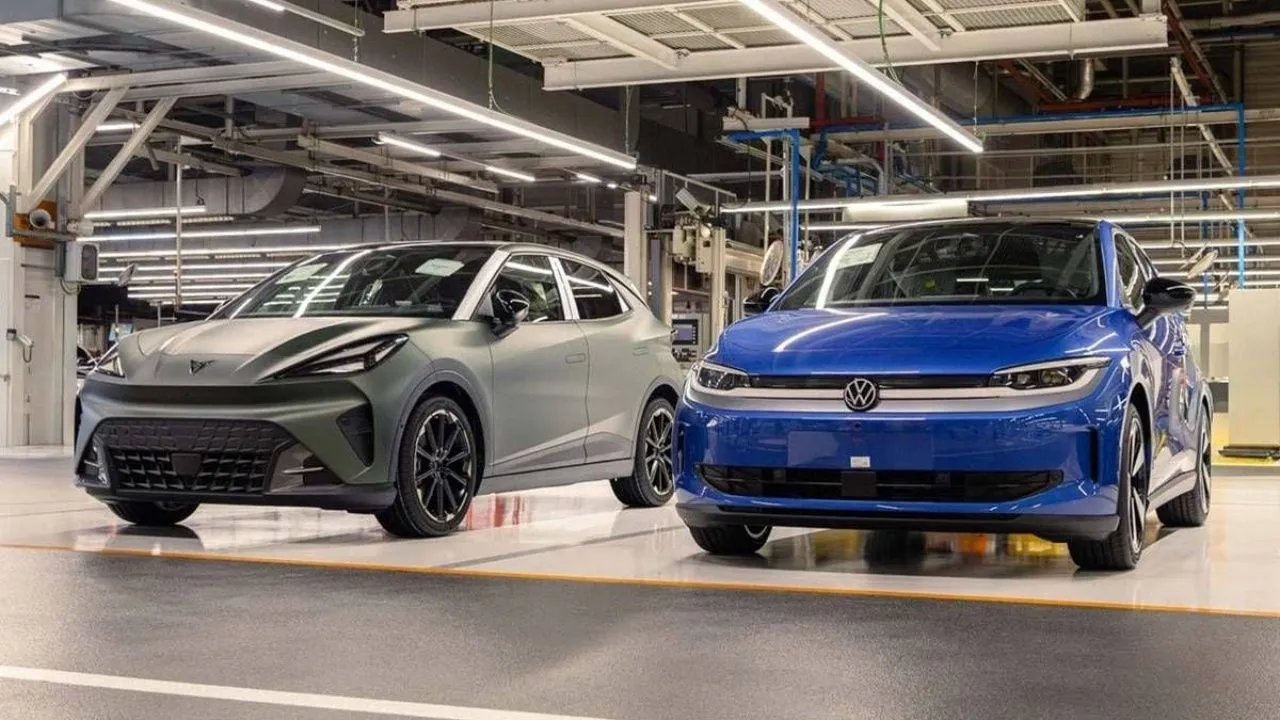
The Volkswagen ID. Polo has had a strong commercial start: with over 30,000 orders received since late April, the waiting list is at least 10 months long. The German company says the high demand is causing delivery delays beyond what was anticipated. What’s behind its success? A price much lower than that of other electric vehicles in its class.
The utility vehicle is manufactured at the Spanish plant in Martorell (Barcelona) alongside the CURPA Raval. SEAT S.A., which operates the factory, has increased production to meet demand that exceeds expectations. Volkswagen also notes that orders for the SUV ID. Cross, assembled in Landaben (Navarra), have been very strong as well.
The ID. Polo is Volkswagen’s first electric offering in the B-segment, a category already dominated by the other two major European automakers, Renault and Stellantis, through models such as the successful Renault 5 (currently the leader in the electric B-segment) and the Citroën ë-C3, FIAT Grande Panda, Lancia Ypsilon Elettrica, Opel Corsa Electric, and Peugeot E-208.
With a starting price slightly below 25,000 euros for its 116 CV (85 kW) version, equipped with a 37 kWh LFP (lithium-iron-phosphate) battery, the German hatchback leans more toward the aspirational approach of the Renault 5 than toward the openly low-cost strategy of the ë-C3 and Grande Panda, which also aim to compete with urban vehicles in the A-segment such as the BYD Dolphin Surf or Renault Twingo.
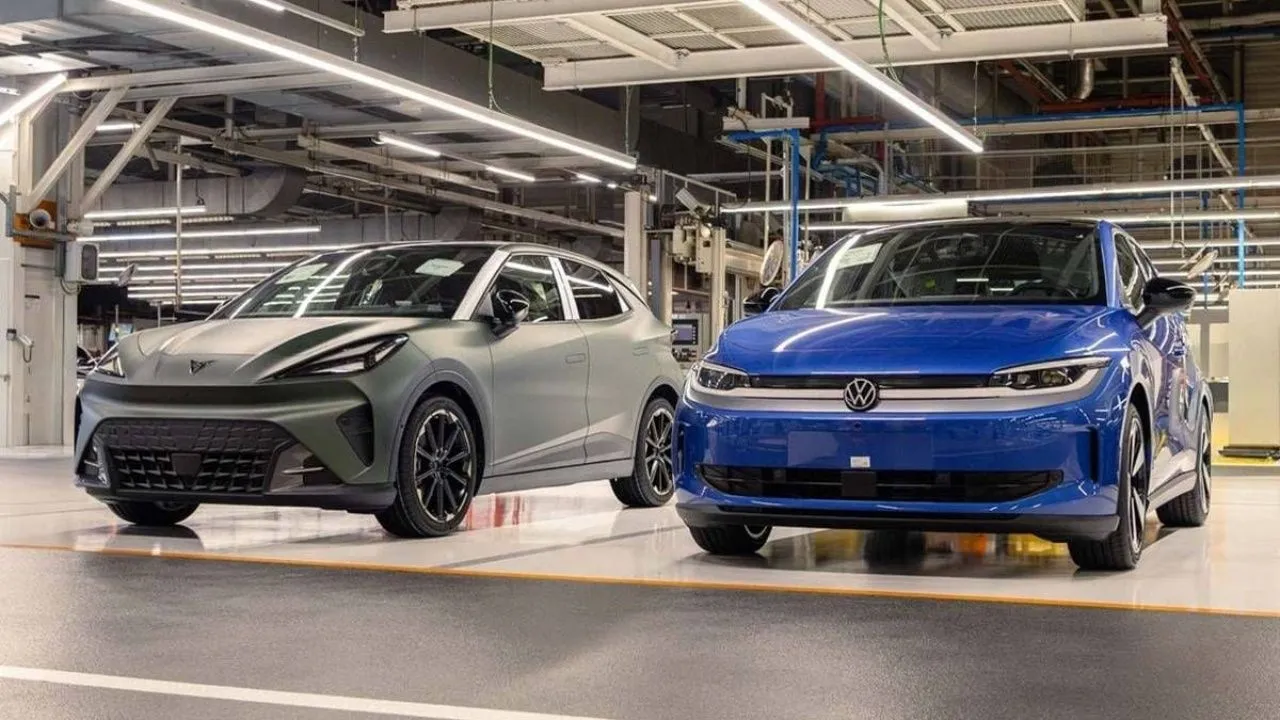
The Volkswagen ID. Polo is manufactured in Spain
The ID. Polo was the first Volkswagen model to incorporate the Pure Positive design language from its inception, representing a return to the company’s roots with sleek and conservative lines that quickly remind viewers of previous generations of the Polo and Golf. By leveraging this familiarity, Volkswagen aims to attract customers it failed to win over with earlier models like the ID.3.
Depending on the version, the range of the ID. Polo varies between 323 km and 449 km under the WLTP cycle. In addition to the aforementioned 37 kWh LFP battery, it is also available with a 52 kWh NCM (nickel, cobalt, manganese) battery pack. The less capacity battery is paired with two power levels (116 and 135 HP), while the larger battery comes with one level (211 HP).
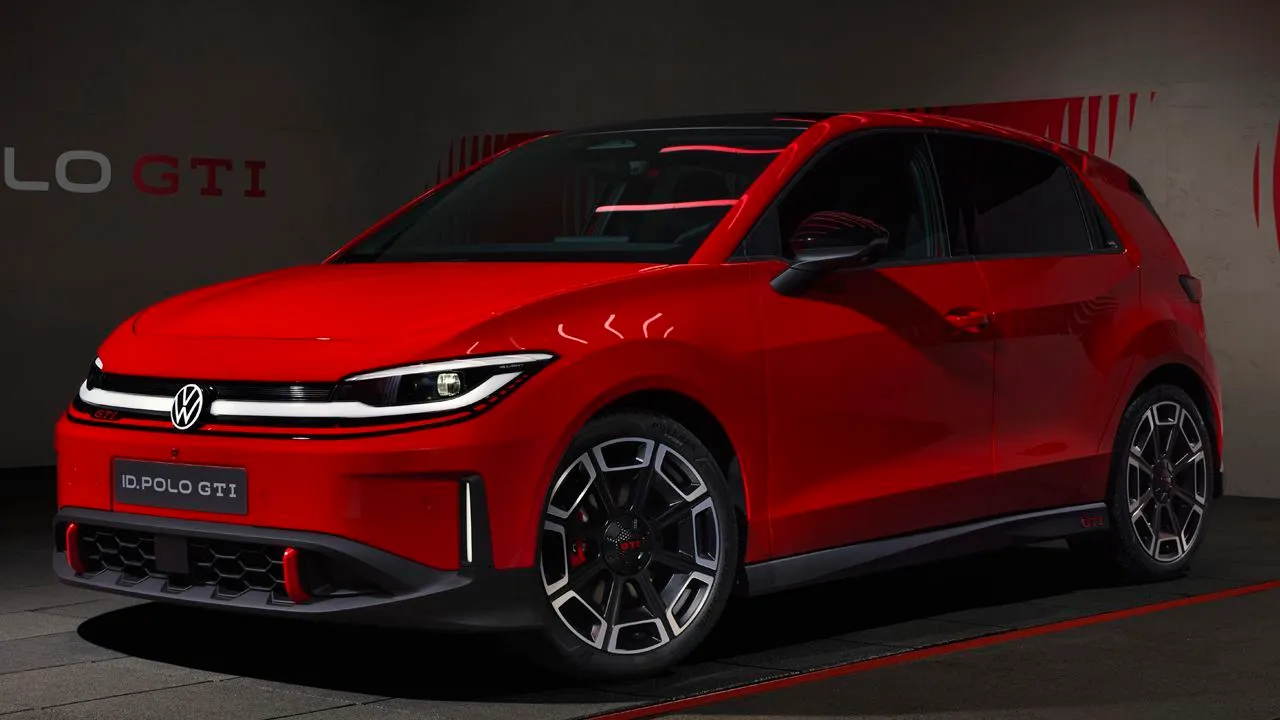
This will change with the arrival of the high-performance GTI variant, which will combine a 52 kWh battery with a more powerful 226 HP (166 kW) engine. It’s interesting to note that the ID. Polo will be Volkswagen’s first electric car to bear the GTI name, an acronym that will replace the previous GTX designation for the brand’s most sporty electric vehicles.
Source | Automobilwoche