
The 20,000 euro electric Volkswagen will enter pre-production without a fully developed prototype
The smaller it is, the harder it is. That seems to be what European manufacturers are telling us, having waited longer and longer before launching increasingly compact cars. The entry-level price poses a challenge to profit margins, which is why some companies have had to use creativity to shorten development timelines and costs.
This is evident from Volkswagen’s approach to developing its future entry-level model, where much of the design work focuses on simulations to cut down on time. The goal is to reduce the development period from 36 to 24 months. A change that may seem small, but it represents a significant achievement for large manufacturers with traditionally slow processes.
The idea is to test components physically, but separately. The first fully assembled car won’t arrive until the production lines are ready and pre-production can begin.
The novelty lies in the approach chosen to move toward production. According to Thomas Kamla, head of engineering for the MEB platform, as told to the industry publication Automobil-Industrie, the team aims to complete development in 24 months instead of the originally planned 36. This represents a one-third reduction in time for a project that also involves significant changes to the platform, engine, battery, and electronics.
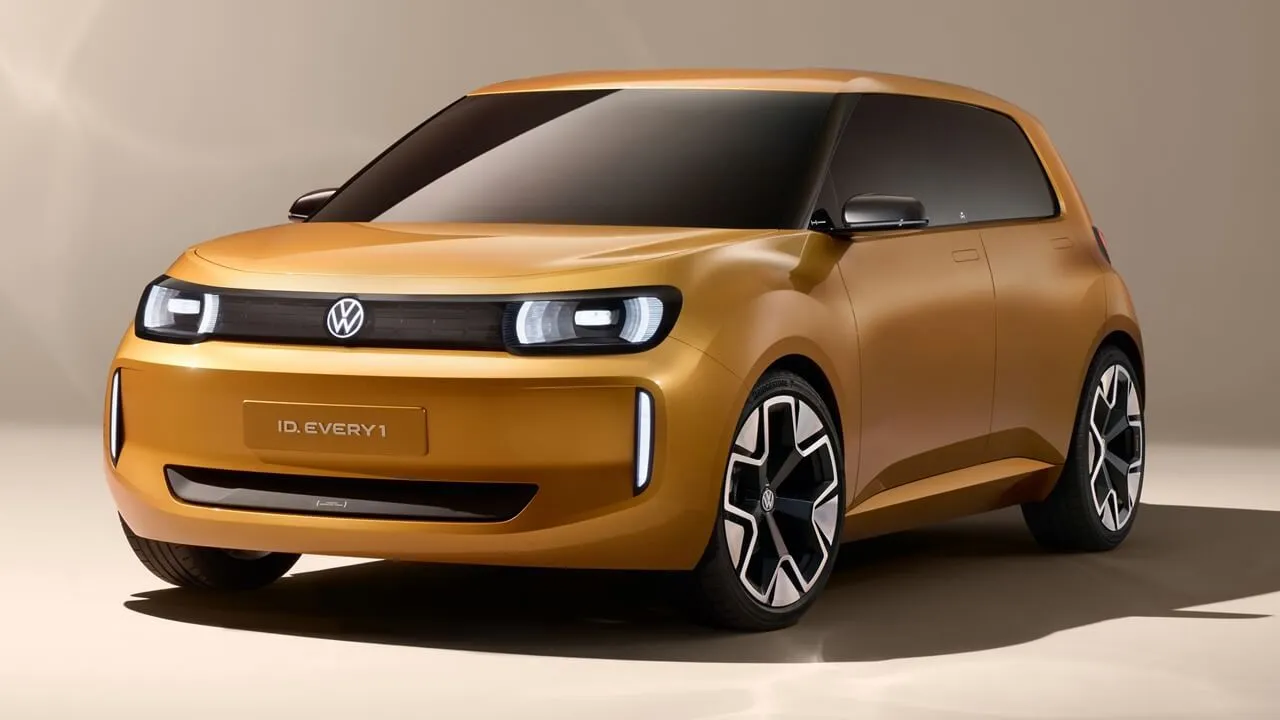
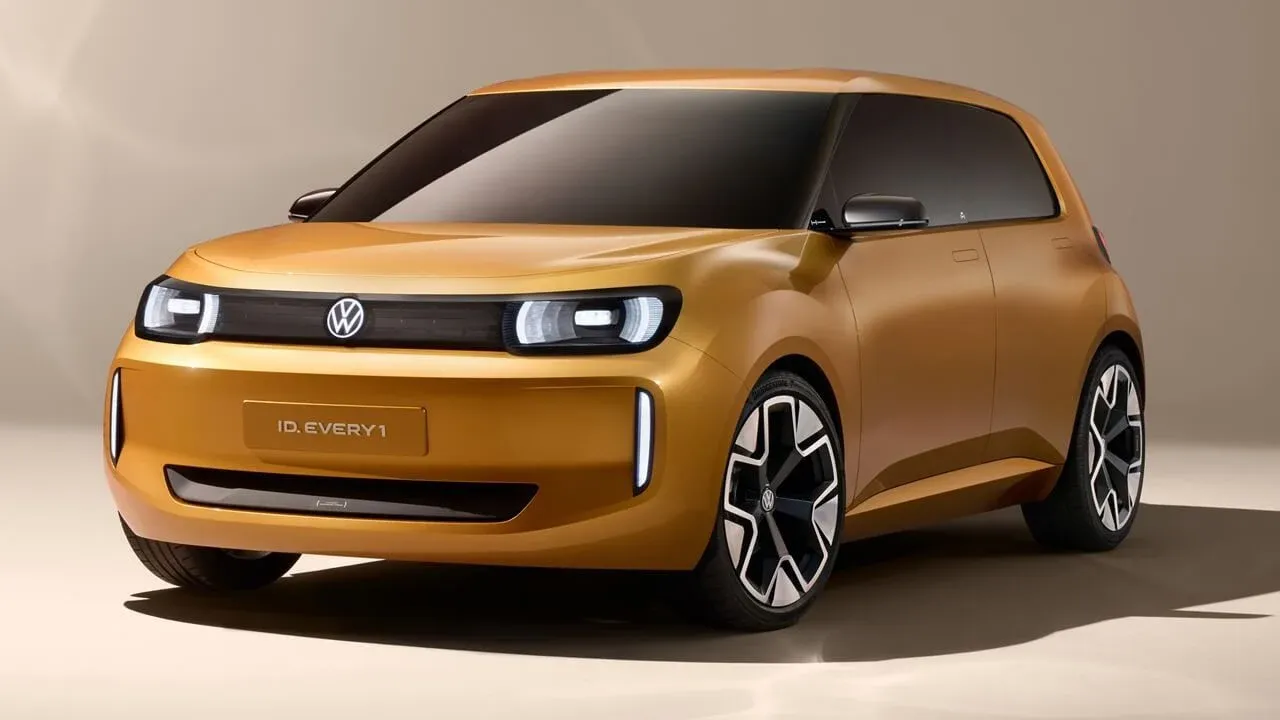
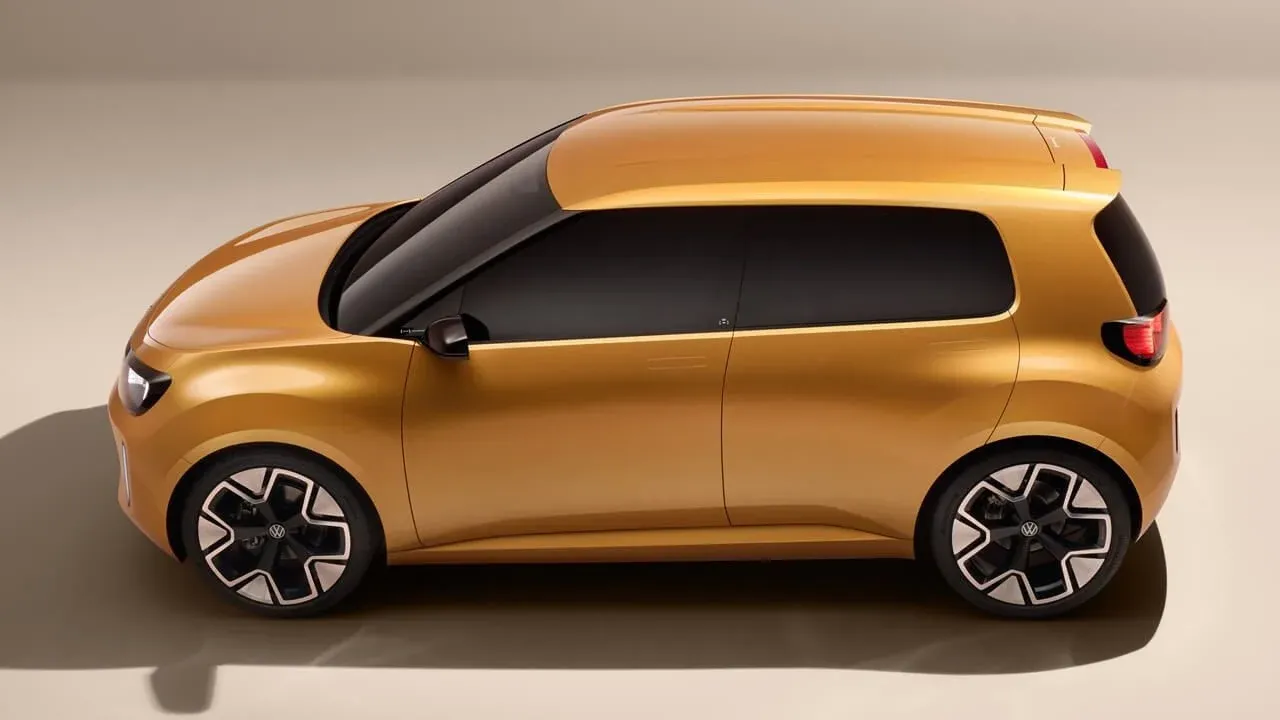
Volkswagen aims to do without a full development prototype before starting pre-production manufacturing. Much of the work that traditionally would have involved building and modifying test cars is being shifted to virtual environments. This does not mean the model will reach dealerships without physical testing, nor that the show prototype presented in 2025 equates to a fully functional development car.
In fact, the engine, battery, and thermal management have already been tested in modified Volkswagen ID.3 vehicles. These units allow components to be evaluated without waiting for the final body of the new model to be ready. The difference lies in when the entire system is put together: according to Kamla’s approach, the first complete car will emerge during the pre-series phase, and its manufacturing process has also been prepared virtually.
More simulation and fewer inter-departmental delays
Time savings don’t come solely from having better computer programs. Volkswagen has also brought together specialists in aerodynamics, design, and engineering under one team. According to Kamla, this organization has allowed the number of regular design review cycles to be reduced from four to two. Resolving issues between departments earlier prevents moving forward with a solution that another department would later have to redo.
The project has incorporated over a hundred new development methods using simulation. Some of these address very specific issues, such as evaluating reflections on the windshield. Kamla explains that she would review aspects of the car weekly on a large screen or using virtual reality glasses to observe the interior and make decisions before manufacturing the corresponding parts.
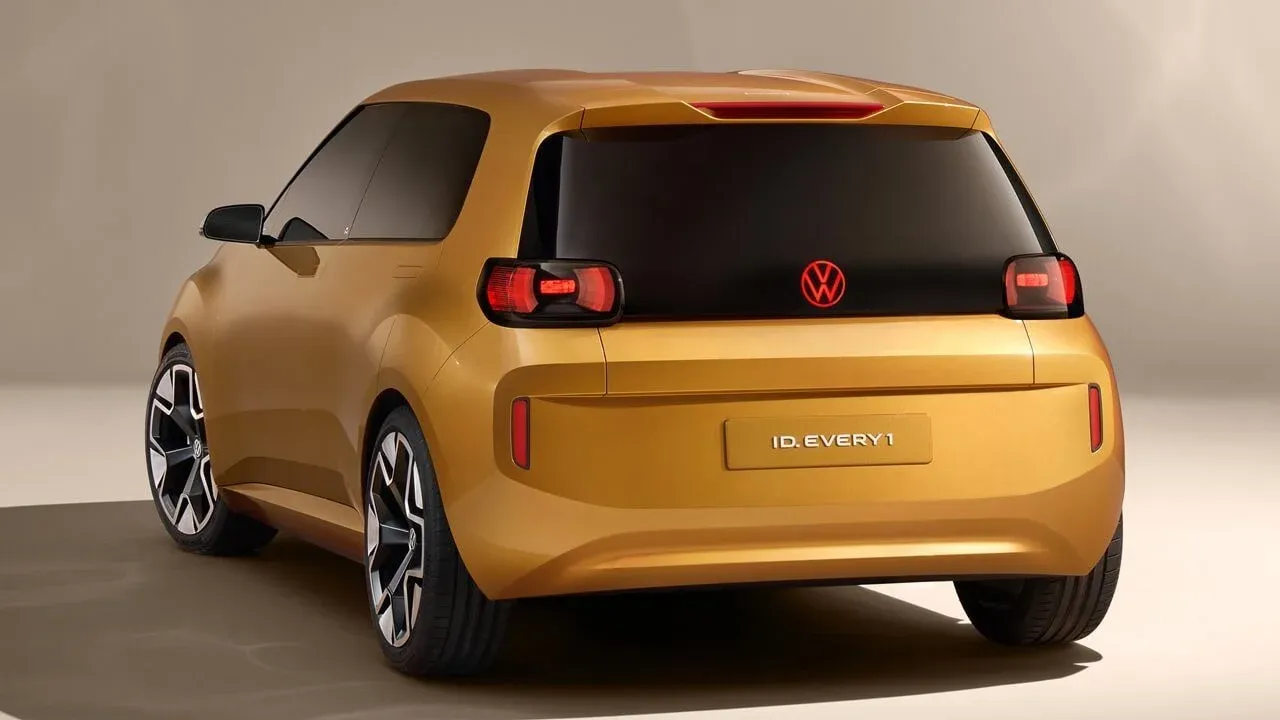
This is complemented by the electronic architecture developed in collaboration with Rivian. Volkswagen has confirmed that the production model derived from the ID. Every1 will be the first vehicle in the group to feature this technology. Its design combines central computers with a zonal electronic structure, aiming to facilitate the evolution of functions through updates. Thus, this compact electric vehicle will serve to establish a technological foundation that goes far beyond what’s typical for its segment.
It is a considerable responsibility for a car whose main selling point should be accessibility. The project faces pressure to keep costs low while introducing new components and systems. Shortening the development time can help reduce expenses, but 33% less time does not automatically mean 33% lower costs, nor does it allow the final price for Spain to be finalized.
Simulation also has its limits. Kamla points out winter testing as one of the remaining challenges: digitally replicating all situations that occur during cold-weather tests remains difficult. The availability of suitable locations and conditions affects the schedule, and artificial intelligence has not yet solved this issue. Physical validations still remain part of the process.
Indeed, the current role of artificial intelligence is much more concrete than what the idea of a car developed on a computer might suggest. In this project, it is primarily used for tasks related to text and images, such as extracting regulatory requirements from documents and preparing test cases. Converting the surfaces of a design into a viable structure, with its safety elements and manufacturing solutions, still requires engineering work.
The goal in the future is for those tools to be able to suggest components by using historical data and comparisons with previous designs. But Kamla doesn’t expect all development to become entirely virtual: the driver will still touch the materials, operate the controls, and feel how the car is built. A digital representation can help make decisions; the final result must also be convincing outside of the screen.