
The Tesla Roadster charges as fast as the best European electric cars, but it lags behind Chinese models.
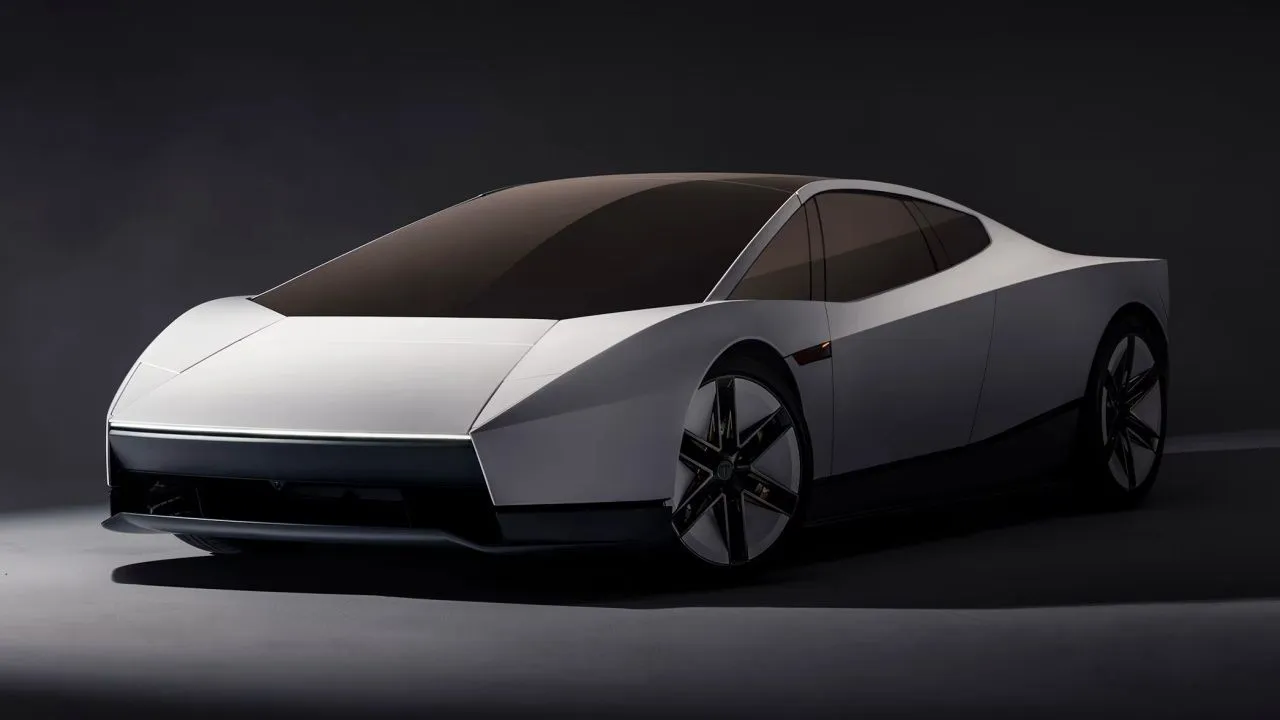
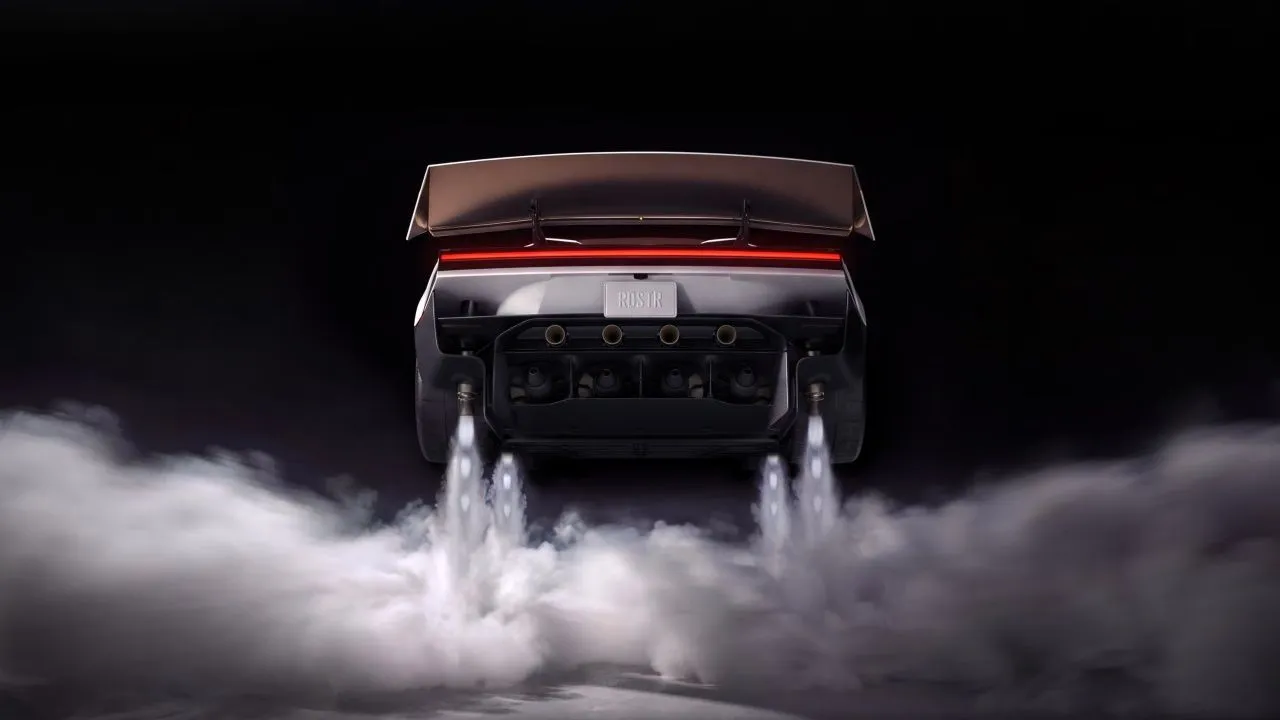
Elon Musk has achieved what he set out to do: the launch of the new Tesla Roadster has dominated headlines and become one of the most discussed topics on social media in recent days. Much of the credit goes to the stunts performed by the vehicle during the launch event, thanks to the use of cold gas thrusters similar to those used in SpaceX’s rockets.
The company claims its goal is to launch the model in 2028 (recall that when the first prototype was unveiled in 2017, it was announced it would hit the roads in 2020, meaning there has been at least an eight-year delay). Beyond the spectacle of the vehicle’s maneuvers (which some accuse are just a battery-free model, though this has not been confirmed yet), what specifications have been revealed?
Actually, not many. The acceleration data for the three available versions (Performance, Thrust, and Rocket) have been disclosed, along with the top speed of the latter (370 km/h). Tesla has also announced that range will exceed 480 km. For comparison, the 2017 prototype promised a range of around 1,000 km and speeds over 400 km/h.
Lars Moravy, Tesla’s vice president of engineering, provided additional details during a recent interview. Although he did not disclose the battery’s capacity, the executive confirmed that the pack will use internally developed 4680 type cylindrical cells. The Roadster also benefits from a custom chemistry that offers high energy density.
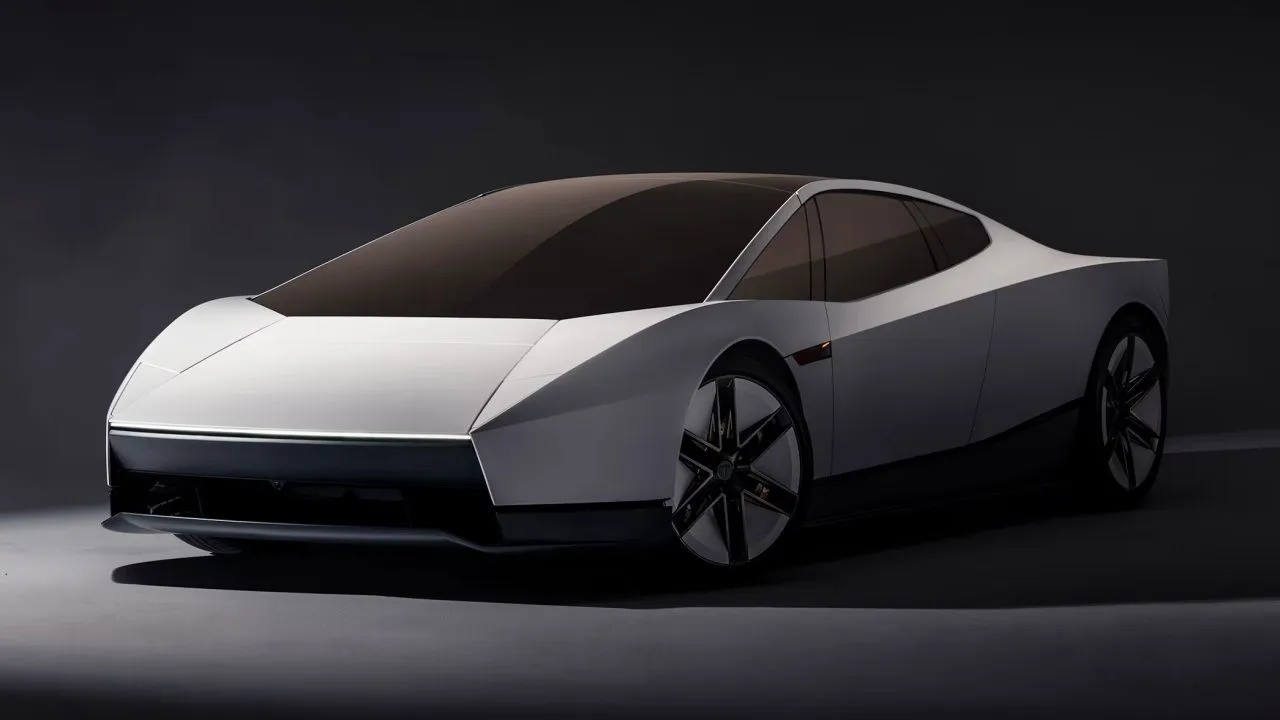
The Tesla Roadster can go from 15% to 85% charge in 10 minutes
To dissipate heat from the cells, double-sided cooling tubes have been chosen. The casings will be made of aluminum, a material lighter than steel (which also dissipates heat more effectively). Additionally, the battery features an upper plate of titanium, a material that provides better thermal insulation than steel. The lower plate remains aluminum.
Moravy states that the Roadster can charge from 15% to 85% in approximately 10 minutes. This puts it on par with models like the Mercedes-AMG GT 4-door Coupé and GT SUV, which can go from 10% to 80% in 11 minutes. However, Chinese models such as the Denza Z can charge from 10% to 70% in 5 minutes and from 10% to 97% in 9 minutes.
The executive explains that the maximum charging power ranges from 500 kW to 1 MW, while the electrical system operates at between 800 and 1000 volts. As can be seen, Tesla remains very secretive about the car’s specific specifications, likely because there are still two years left before it hits the roads... if Tesla meets the promised deadlines.
Source | InsideEVs