
The Tesla Cybercab has a problem: it cannot drive on highways, making trips much longer.
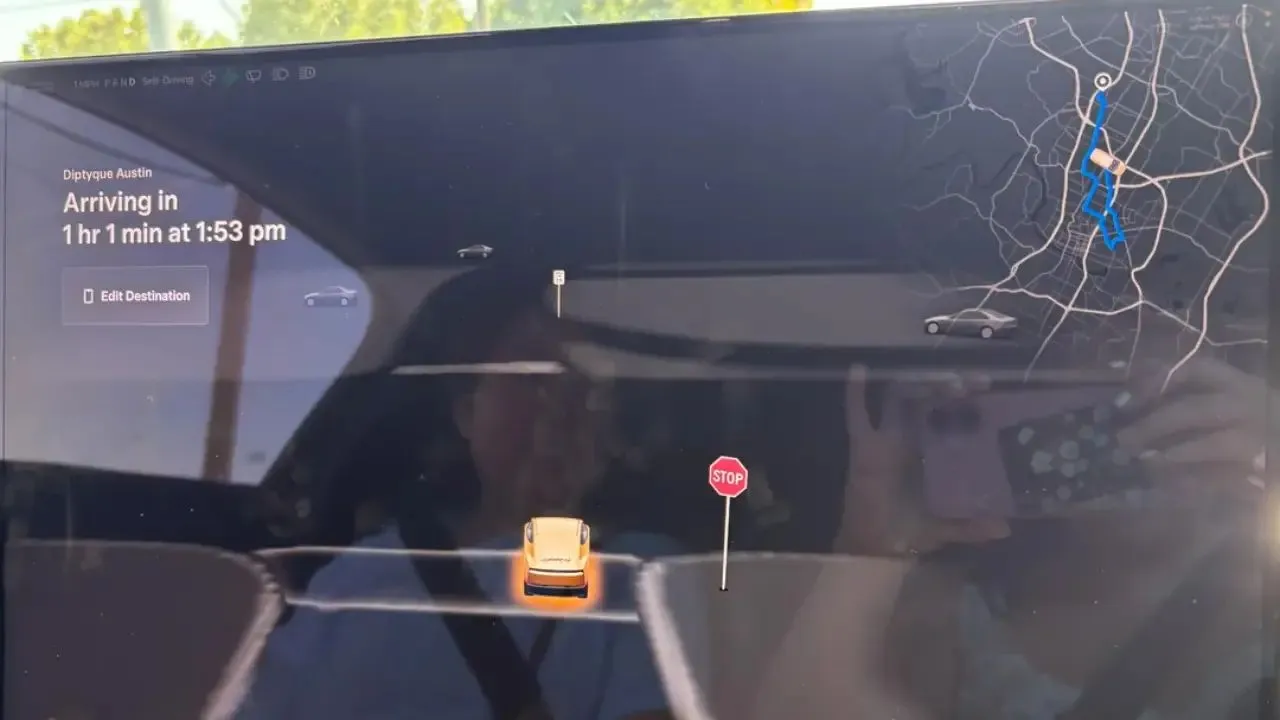
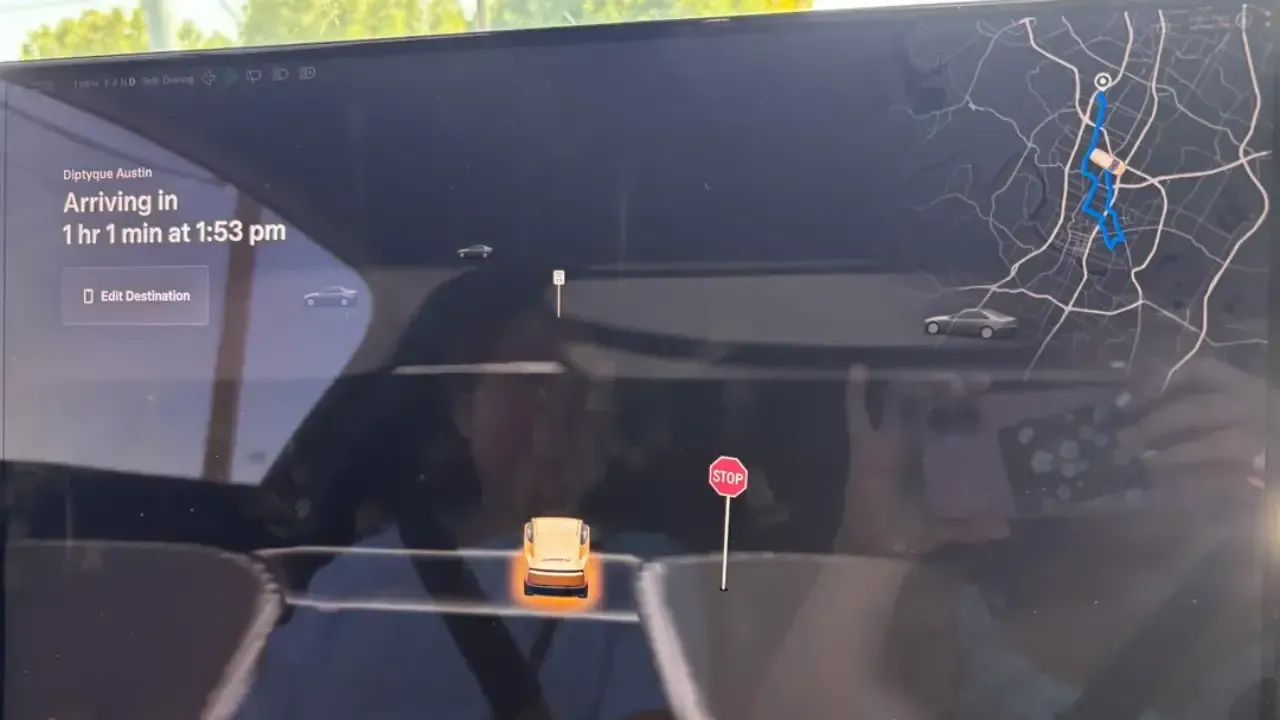
According to Electrek, a user of Tesla’s ride-hailing service in Austin, Texas, witnessed a trip that usually takes 10 minutes turn into a 70-minute journey because the vehicle, unable to use the highway, had to take a huge detour through the city.
The problem? Although Tesla’s app shows the estimated cost of the ride in advance (20 dollars in this case), it does not provide an estimate of the time it will take to complete the trip. As a result, the user is unaware that the vehicle will have to take a long detour until they get in. In any case, it is possible to end the service at any time to avoid an unwanted detour. The affected person shared their experience on Reddit.
This is one of the biggest differences between Tesla’s autonomous driving system and Waymo’s, as Alphabet’s (Google) company already offers fully autonomous rides on highways. Tesla’s current proposal is less advanced and is limited to low-speed urban areas, highlighting the limitations of a technology that, although marketed as fully autonomous, is not yet mature.
Tesla itself seems aware of this, as it has not yet shared a timeline for the commercial launch of the Cybercab (it was previously announced that it would be available to private customers). While everything suggests it will soon arrive in other cities through Tesla’s robotaxi service, it does not yet seem ready for large-scale deployment.
The Tesla Cybercab under NHTSA investigation
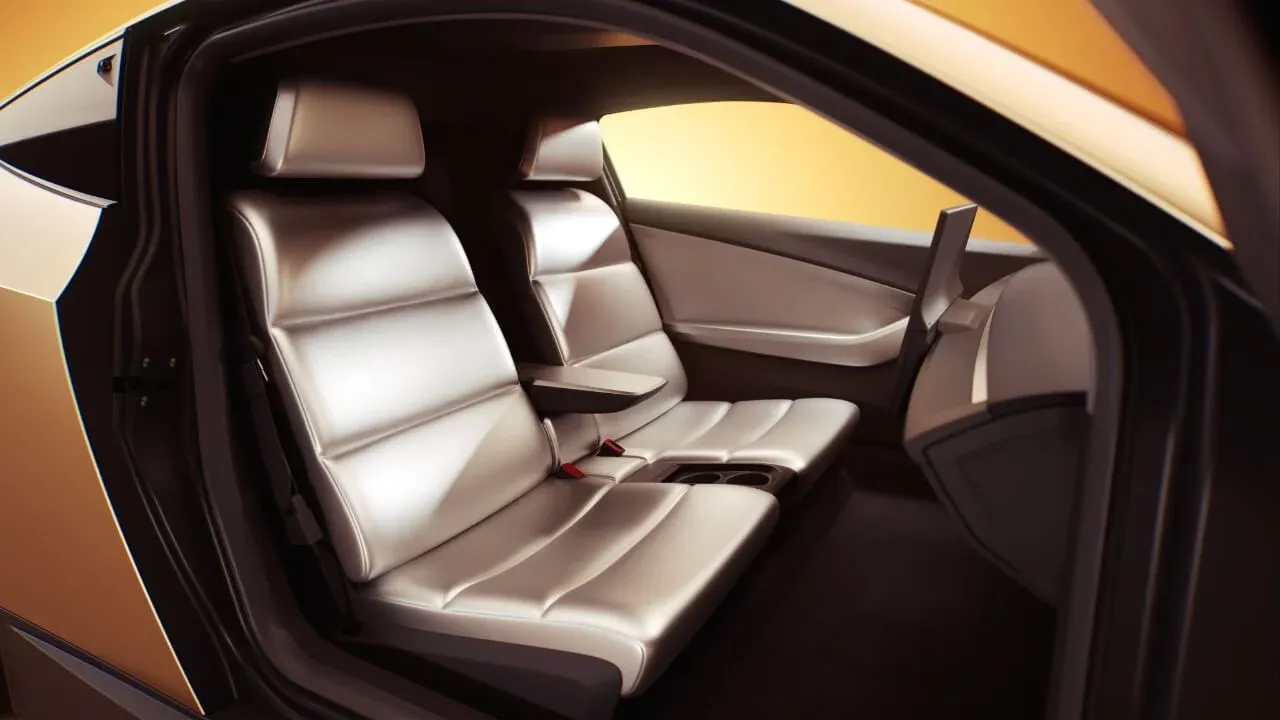
The Cybercab attracted massive media attention at its launch due to the absence of a steering wheel and pedals, but this has led the NHTSA (National Highway Traffic Safety Administration) to investigate how Tesla self-certified a vehicle with such features.
This is not the only front the company is currently working on, as investigations are also underway to determine whether its FSD (Full Self-Driving) system, which relies on cameras rather than redundant sensors such as radars or LiDAR, can operate safely in low-visibility conditions (fog, glare, etc.).
Tesla is betting everything on this vision to create an affordable and scalable autonomous driving system; however, many experts doubt that true full autonomy can be achieved safely without redundancies. Although Tesla’s robotaxis have remote operators to prevent accidents, their current accident rate is still significantly higher than that of human drivers.