
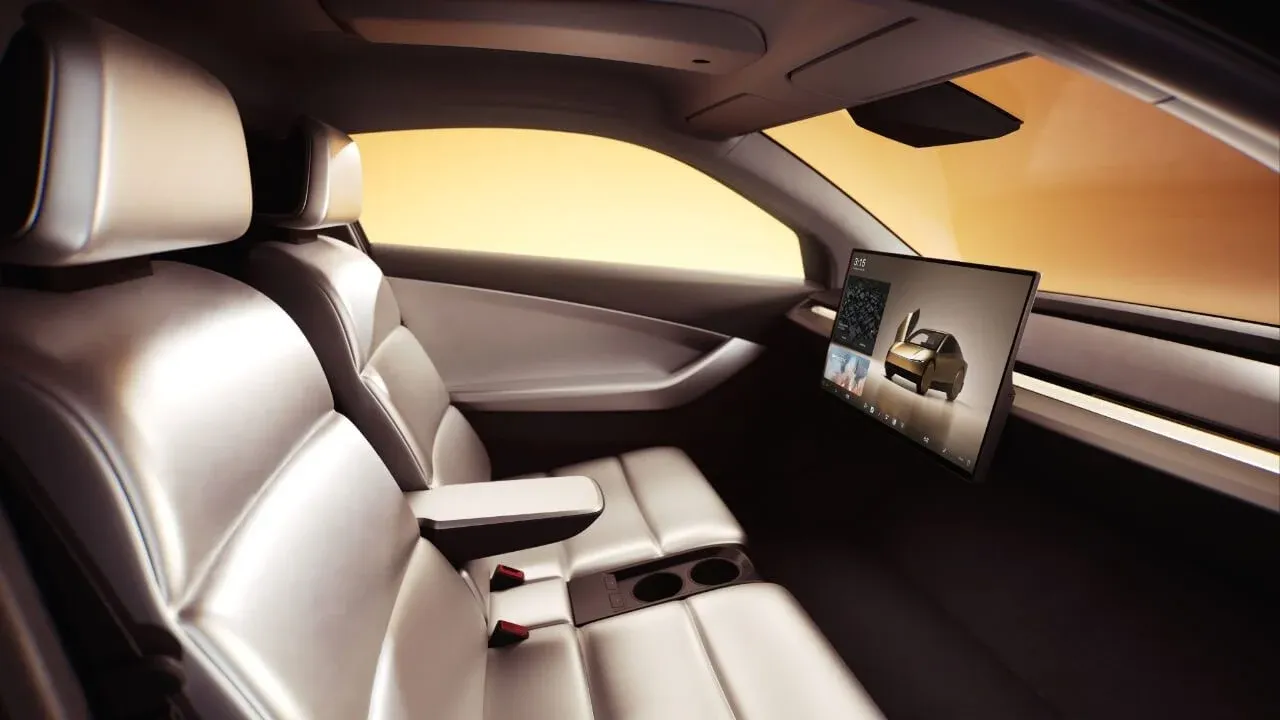
The Tesla Cybercab has no steering wheel or pedals, but it can be driven manually via its touchscreen.
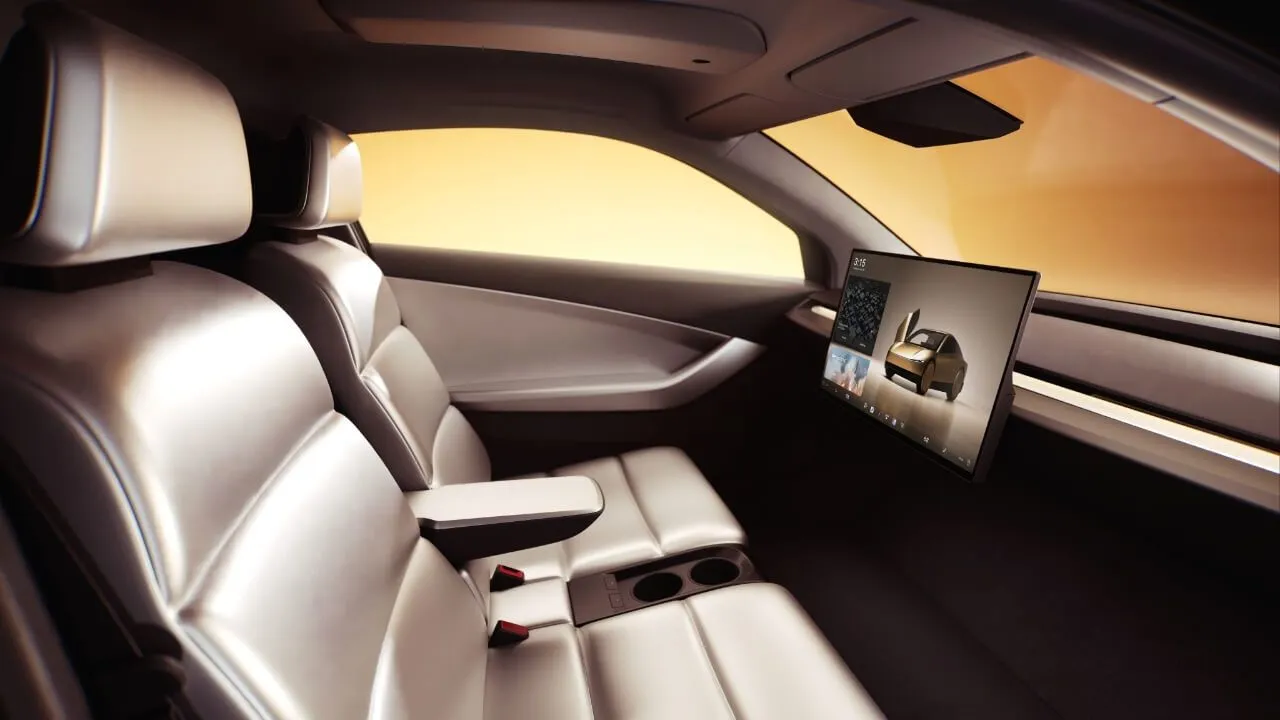
Last week, Tesla once again captured the attention of media and internet users with the launch of its long-awaited electric robotaxi, the Cybercab. It is a vehicle designed from scratch to be fully autonomous, to the point where it lacks a steering wheel and pedals. Therefore, there appears to be no way to drive it manually unless controlled by a remote operator.
However, there is actually a hidden manual control method: upon boarding a Cybercab, a user discovered a virtual joystick on the touchscreen, which allows for manual driving by sliding a finger across the panel. This mode was likely designed so that operators can move the car at low speeds (for example, to load it onto a truck).
All indications suggest that the manual mode appeared by mistake for the affected user, as this is the first time a customer has reported seeing this joystick. A video shared on social media platform X shows frozen images from the side cameras at a previous location on the right side of the screen, indicating it might be a glitch. Such an issue certainly doesn’t inspire much confidence in a Level 5 autonomous vehicle.
On the same day Tesla launched the Cybercab, NHTSA began an investigation to determine the process Tesla used to certify a vehicle without a steering wheel, pedals, or mirrors (in the United States, manufacturers can self-certify their models). It appears Tesla may have unilaterally decided that certain important safety standards do not apply to autonomous vehicles.
Is FSD ready for level 5 autonomy?
During its early testing phase, some Cybercab units were seen equipped with a steering wheel and pedals. Robyn Denholm, Tesla’s president (I’m sure you thought it was Elon Musk), recently stated that the vehicle could be fitted with a steering wheel and pedals if necessary. Therefore, it would not be surprising if the car comes equipped with both when it starts being sold to consumers.
Why? Because, in practice, it doesn’t seem like the FSD (Full Self-Driving) system is ready for level 5 autonomy without a remote operator who can take control if necessary. For example, Tesla is under investigation because, in low-visibility conditions, the FSD’s camera system can get confused and fail to detect obstacles on the road in time.
This is because, in an effort to cut costs and create the most affordable implementation system possible, Tesla has removed sensors such as radar or LiDAR that are present in the autonomous vehicles of many competitors, such as Waymo. This lack of redundancy may be acceptable in a simple driving assistant, but it could potentially become a problem for a vehicle aiming to be fully autonomous.
Source | Electrek