
The Renault Twingo vs. Honda Super-N: Which is the best cheap electric car?
The Renault Twingo has arrived to become one of the best options in the entry-level electric car segment. It features an attractive design, high-quality construction, and an outstanding price/performance ratio. However, competition is growing increasingly fierce, and aside from current models like the BYD Dolphin Surf, the Twingo will soon face a Japanese rival: the Honda Super-N.
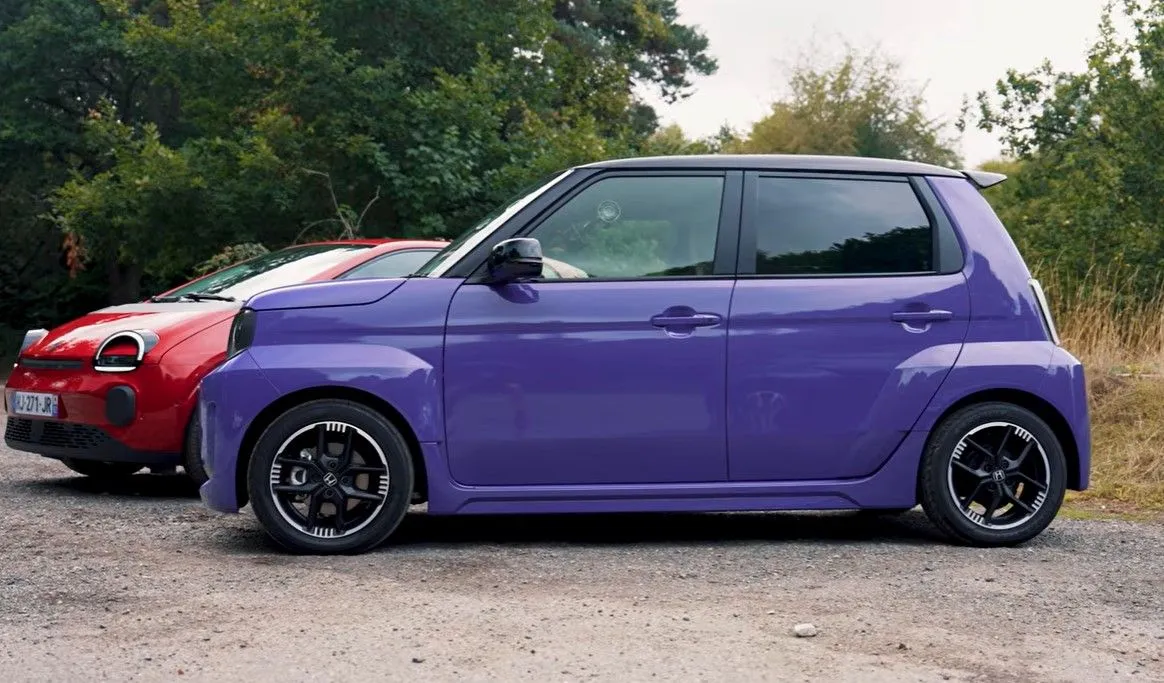
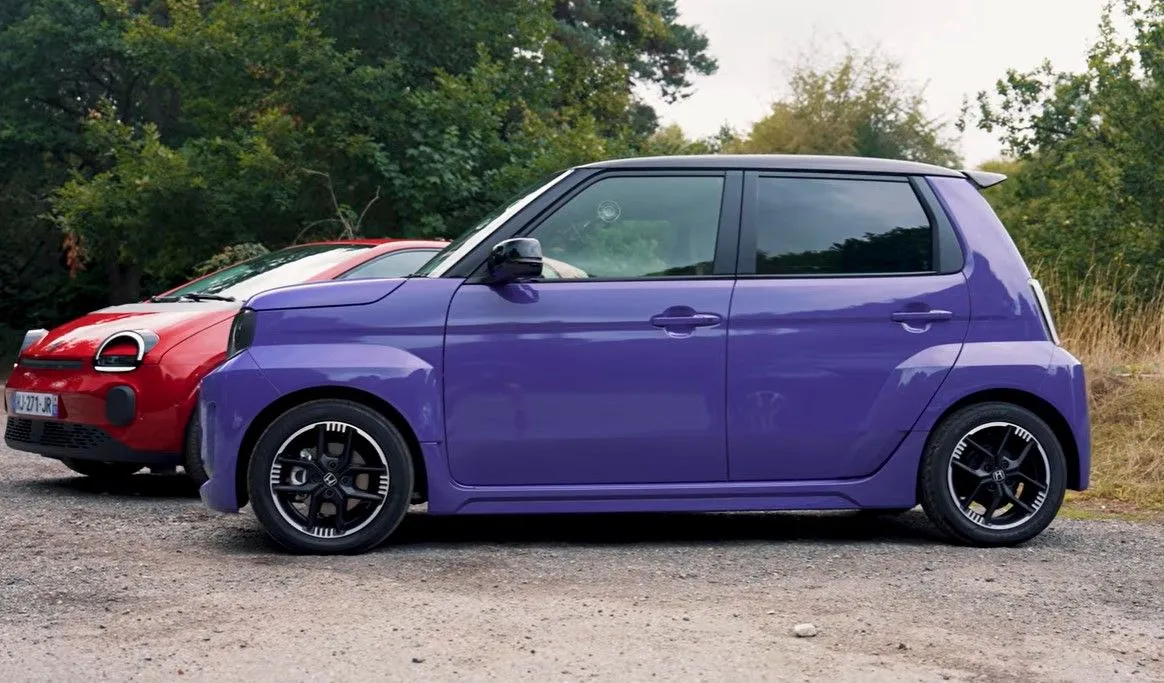
The Honda Super-N is built on a very simple concept. It’s an extremely compact car with a length of just 3.59 meters, four seats, and a 25.4 kWh usable battery. Its certified range reaches 206 kilometers, and its price in the UK starts at £18,995. The model is manufactured in Japan and is based on the small N1E originally intended for the Japanese market, though Honda has made some adjustments for the European market.
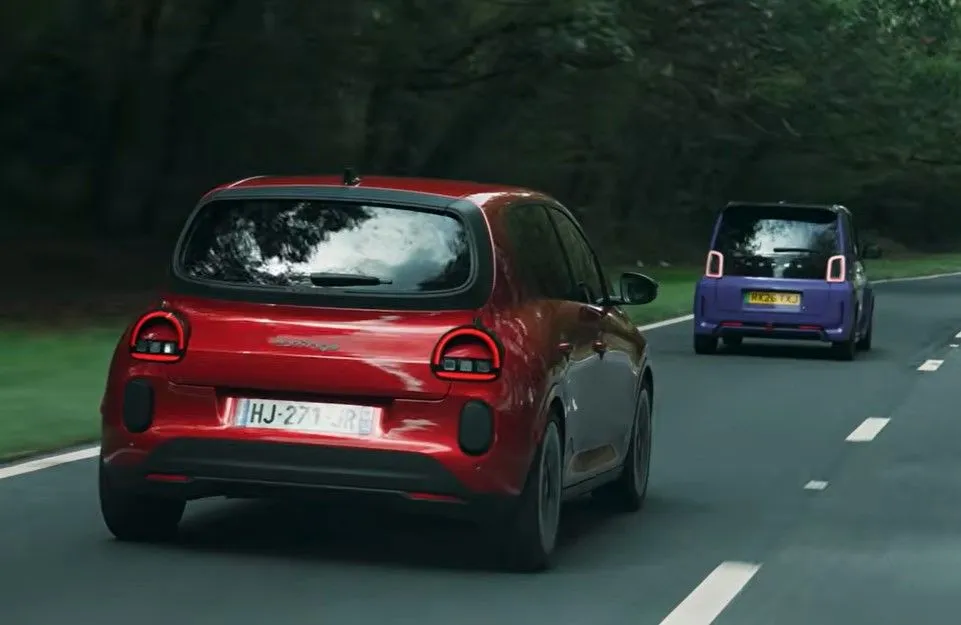
Opposing it is the Renault Twingo, another car designed primarily for city driving, but with a slightly longer body and a more practical approach. The French model is 3.79 meters long, has five doors, and uses a 27.5 kWh battery. In its Evolution version with 16-inch tires, it achieves an approved range of up to 263 kilometers under WLTP standards, while the tested Techno version, equipped with 18-inch tires, reduces this figure to around 251 kilometers.
The Renault’s battery uses LFP chemistry, an interesting feature for a car of this type as it allows for normal charging to 100% without having to worry much about degradation. The Techno version also includes a more comprehensive charging system, with up to 11 kW on alternating current and 50 kW on direct current. Its trunk offers a capacity that is quite impressive for its size, at 305 liters.
The Honda Super-N is a more compact model, measuring 3.60 meters in length but slightly taller. It is based on the Japanese N-One, features four seats, and has a 25.4 kWh usable battery that allows it to achieve up to 206 kilometers of WLTP range. Its engine delivers 63 horsepower under normal conditions and can reach 94 horsepower with the Boost function, achieving 0-100 km/h in 14.2 seconds. It supports fast charging at up to 50 kW, allowing it to go from 10% to 80% charge in about 30 minutes, while its trunk offers only 162 liters of space. Additionally, it stands out for its agile chassis, multiple driving modes, and a regenerative braking system that enables operation with just one pedal.
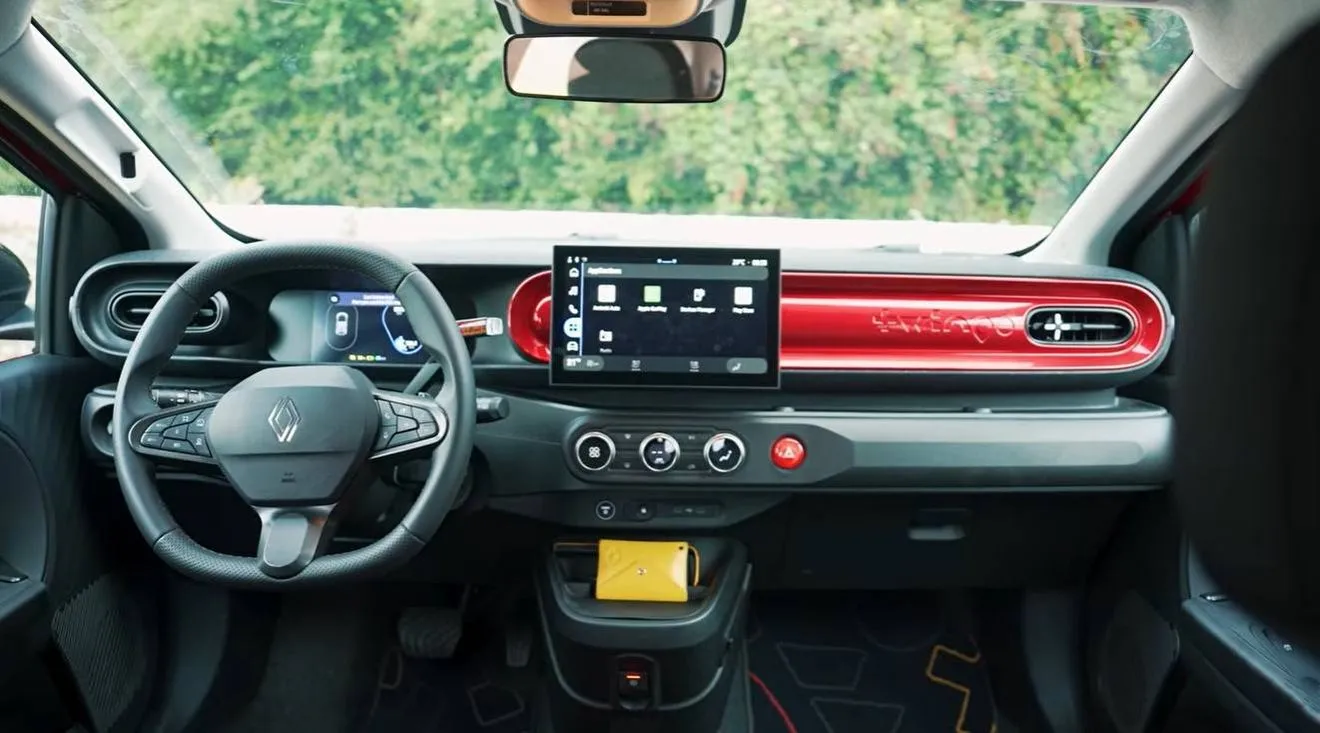
Inside, both models make it clear that these are cars designed to keep costs low. The Twingo uses plenty of hard plastics, and some materials clearly give off the impression of an economical vehicle. However, its design is more cheerful, and the Techno trim includes automatic climate control and a 10.1-inch screen with Renault’s Google-based multimedia system, featuring Google Maps and voice assistance.
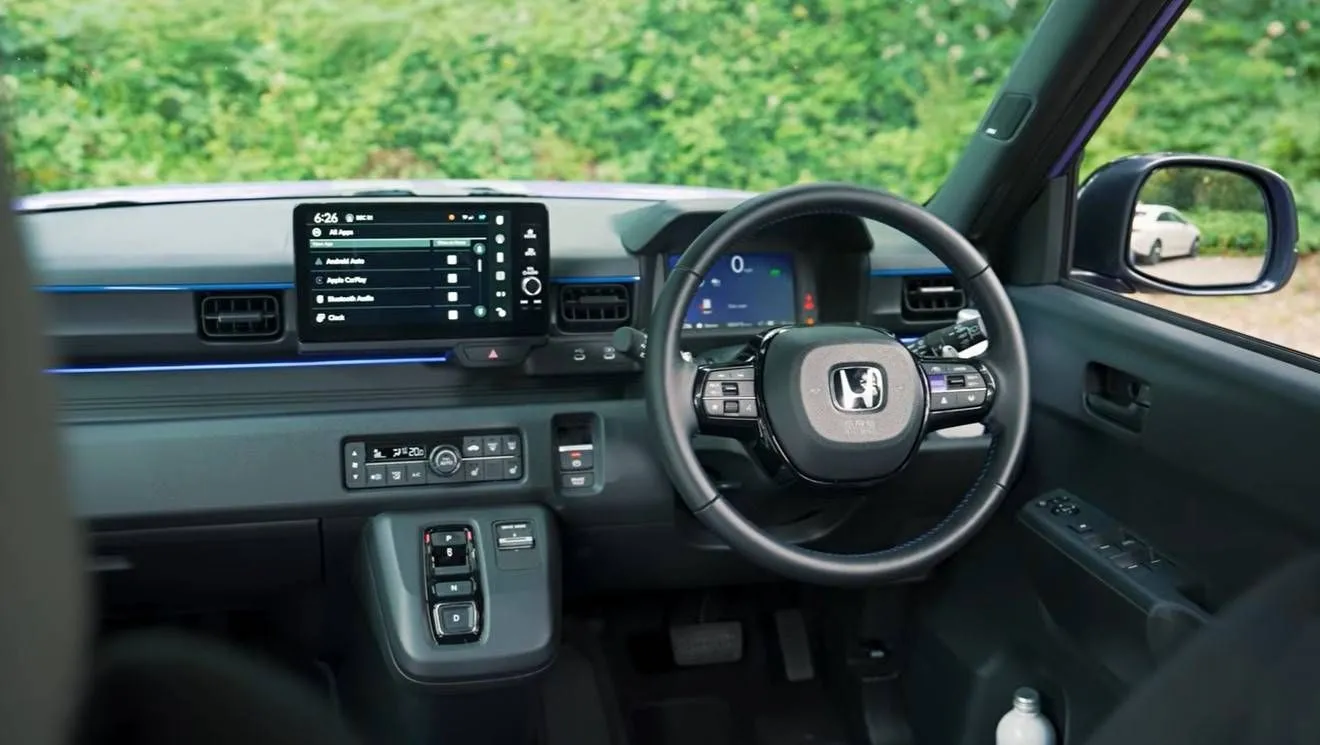
The Honda also doesn’t stand out in terms of material quality, though it offers a better driving position and seats with greater support. Its multimedia system uses a 9-inch screen and relies on Apple CarPlay or Android Auto, without built-in navigation. In contrast, the Super-N comes standard with features that are uncommon at this price point, such as heated seats and steering wheel along with a Bose audio system.
In the city, the differences are also interesting. The Honda offers a firm but well-controlled suspension, precise steering, and excellent visibility thanks to its compact size. The Twingo is a bit more comfortable when navigating potholes and has a smaller turning radius of about 9.87 meters, compared to Honda’s 10.6 meters. However, its front pillars somewhat reduce visibility at intersections and roundabouts.
When the road gets tough, the Honda regains its advantage. Its suspension handles body movements better, and the steering provides more feedback to the driver. It also features a Boost mode that temporarily increases its power to around 94 HP. With this, the Super-N can accelerate from 0 to 100 km/h in about 9.2 seconds, compared to the Twingo’s 12.1 seconds with its 80 HP. This isn’t a particularly significant difference for city driving, but it does greatly affect the character of each vehicle.
The Honda offers its so-called Magic Seats, which allow the second row to be configured in various ways. It also provides slightly more headroom in the rear seats, although the cabin is clearly narrower. Both are four-seater cars, so they’re not designed for regular use with five passengers.
Regarding actual fuel consumption, tests have shown that the Twingo is slightly more efficient. In a test conducted by the British channel What Car?, covering about 314 kilometers between London, Pevensey, and back, the Renault Twingo recorded a consumption of around 13.4 kWh/100 km including charging losses, compared to approximately 14.6 kWh/100 km for the Honda.
Based on the distance traveled and the remaining battery percentage, testers estimated a real-world range of around 214 kilometers for the Twingo, while the Honda achieved approximately 205 kilometers.
The actual difference in range is therefore not significant. This is particularly important because we are dealing with two cars designed mainly for urban driving that, in many cases, could serve as a family’s second car. In such a scenario, a few extra kilometers of range should not be the deciding factor.
The major challenge is price. The Honda Super-N starts at 18,995 pounds in the UK, which is 22,189 euros at current exchange rates. This is the price of the only version available initially, before any potential discounts or promotions. The pricing for the Renault Twingo in that market remains unknown, though it begins at 17,463 euros in Europe for the version without fast charging. For that version, the budget needs to rise to 19,500 euros for the Evolution edition.
The Twingo comes out on top in the comparison due to its design, interior space—especially in the cargo area—and lower price compared to a Honda. The Honda has advantages in terms of different design, more enjoyable driving dynamics, and better standard equipment.
At the same price point and purchase conditions, the Renault Twingo has a slight edge in overall value, mainly because of its lower purchase cost in a market segment filled with more and better competitors.