
The Renault 5 will soon have a range of 500 km and be cheaper, with the new version already in use before its launch.
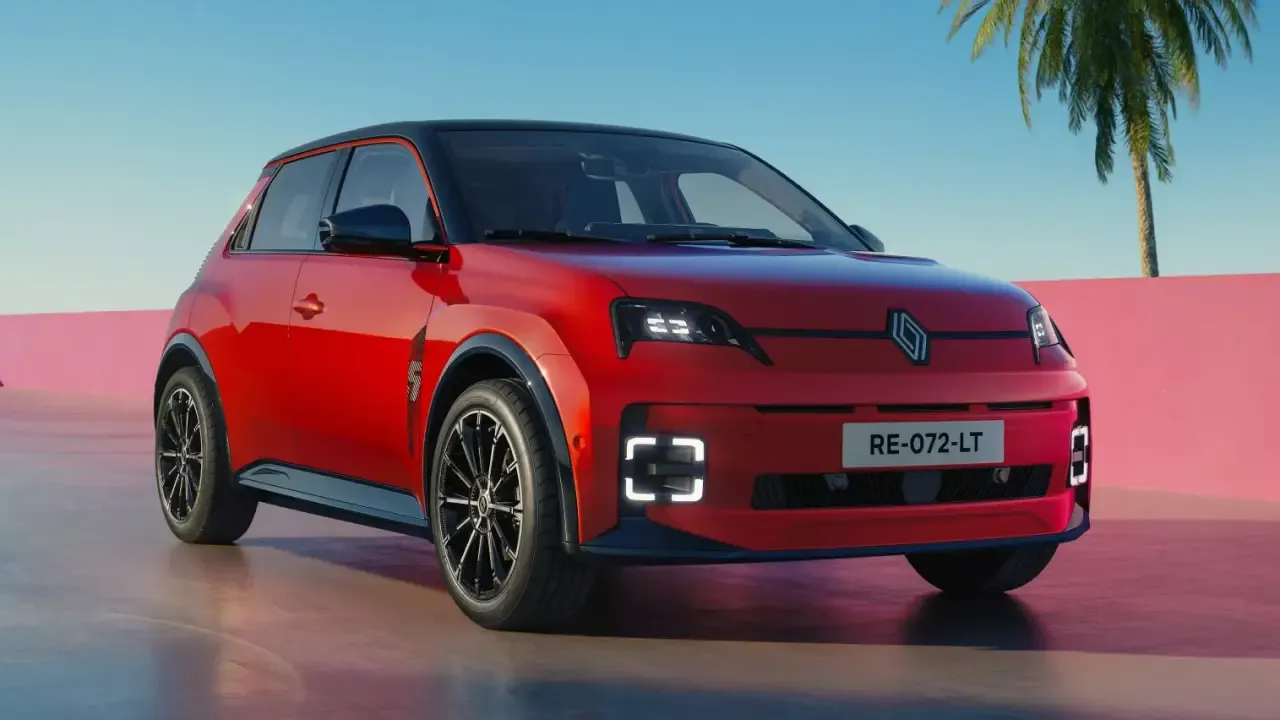
It’s no secret that Renault is preparing a major update for the R5 ahead of next year. With the arrival of new competitors such as the CUPRA Raval or the Volkswagen ID. Polo, the Renault brand will introduce several technical improvements to ensure its bestseller doesn’t fall behind the competition; after all, it is the best-selling electric vehicle in its category (segment B) across Europe.
Recently, the Five trim level received a series of improvements. Among other changes, it now features a more powerful and efficient engine (110 HP instead of 95 HP), along with a 36.5 kWh LFP (lithium-iron-phosphate) battery replacing the previous 40 kWh NCM (nickel-cobalt-manganese) battery pack. Despite its lower capacity, range decreases only slightly (305 km WLTP instead of 310 km WLTP) thanks to the higher efficiency of the propulsion system.
Another notable update is that 80 kW DC fast charging is now standard (it wasn’t even available as an option before), making the R5 Five a much more attractive and recommended choice. This refresh of this version sets the stage for the changes the rest of the lineup will undergo next year.
Our colleagues at Motor.es have photographed several units of the updated R5 during its development tests. Although it doesn’t seem to undergo any external changes (after all, this is a model that has only been on the market for a couple of years), significant improvements will be made underneath the hood.
The Renault 5 will get more fuel-efficient engines
The two remaining models (120 HP with a 40 kWh NCM battery and 150 HP with a 52 kWh NCM battery) will feature more efficient engines and larger LFP batteries. While the engine will still be a wound-rotor type (an improved version of the current 6AK), it will benefit from a series of enhancements to reduce its fuel consumption, thereby addressing one of the R5’s main weaknesses.
The mid-tier version will feature a 44 kWh LFP battery that will enable it to exceed 350 km WLTP range, while the top-tier model will use a 56 kWh LFP battery, allowing it to reach nearly 500 km WLTP range. As a result, it will be a much more versatile option suitable for long-distance trips, positioning it as one of the most capable electric SUVs in the market.
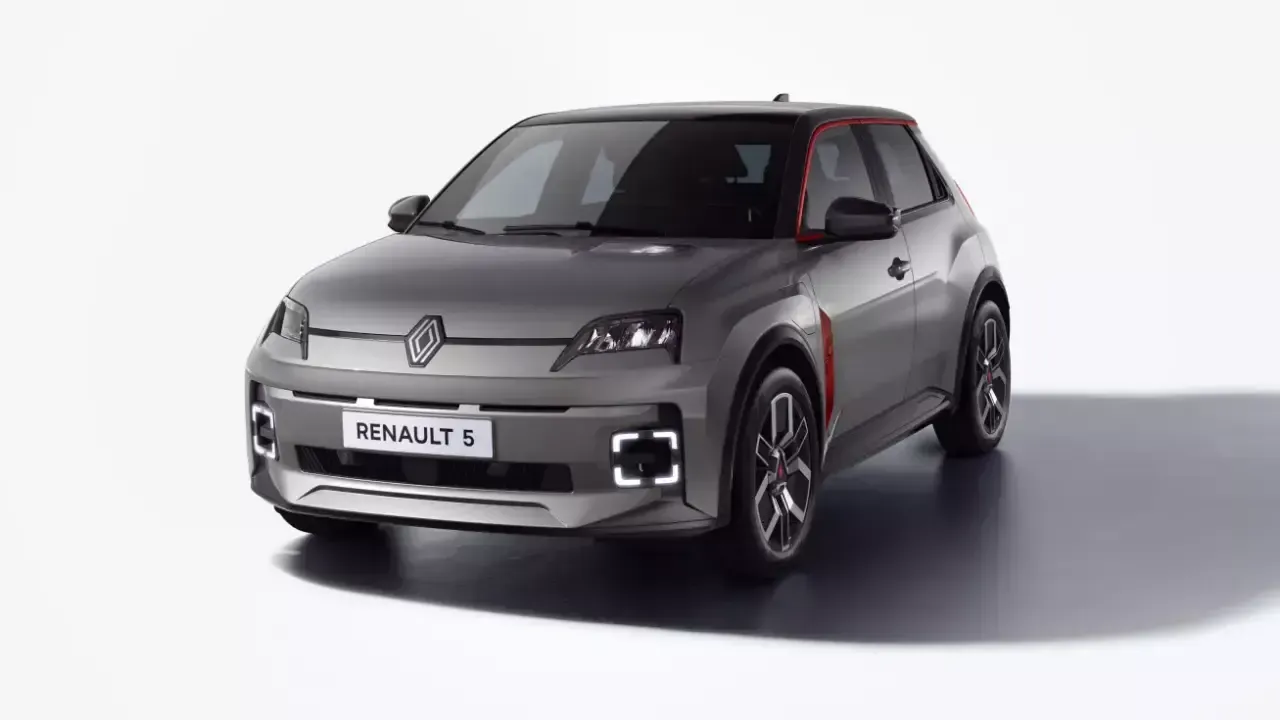
Charging times may also improve significantly (the recently refreshed Mégane and Scénic come equipped with a 67 kWh LFP battery that can go from 15% to 80% charge in 24 minutes). Finally, the shift to LFP chemistry is expected to lead to lower prices across the entire range.