
The Renault 5 is overwhelming Renault: its factory has resumed three shifts to try and reduce waiting times
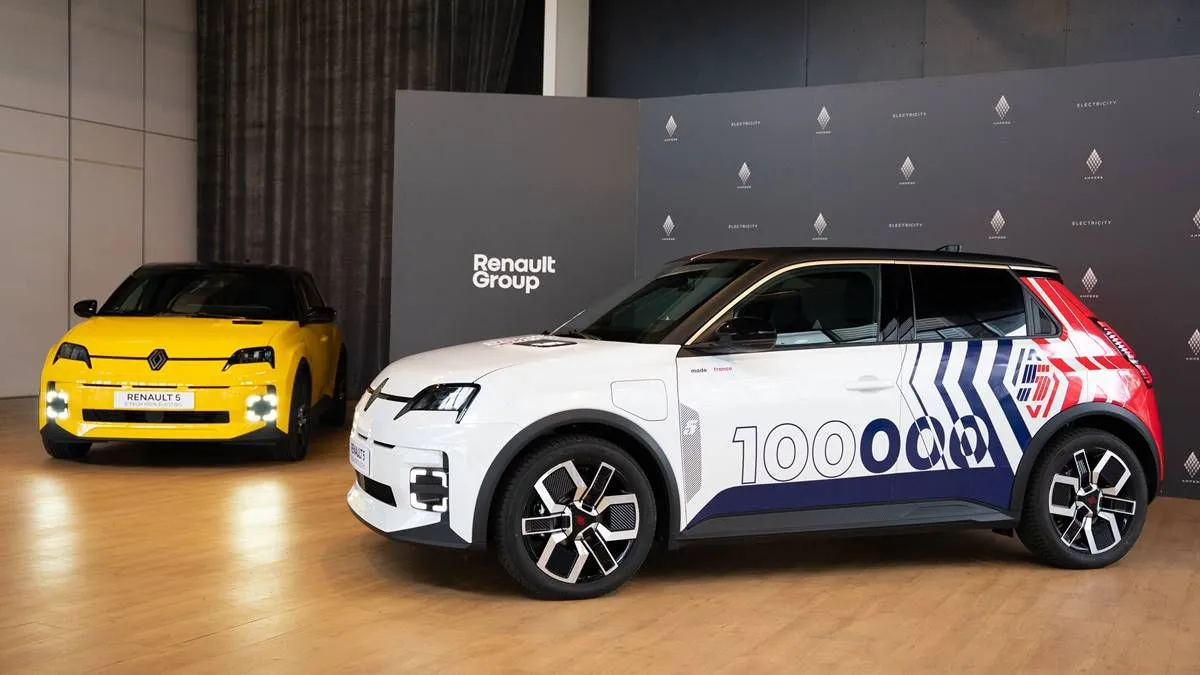
While much of Europe’s automotive industry is struggling, preparing plans to cut operations at its plants, or even considering selling them to Chinese groups, there are models facing a very different situation. This is the case in Douai, in northern France, where Renault must reorganize its production to meet demand for its new electric models.
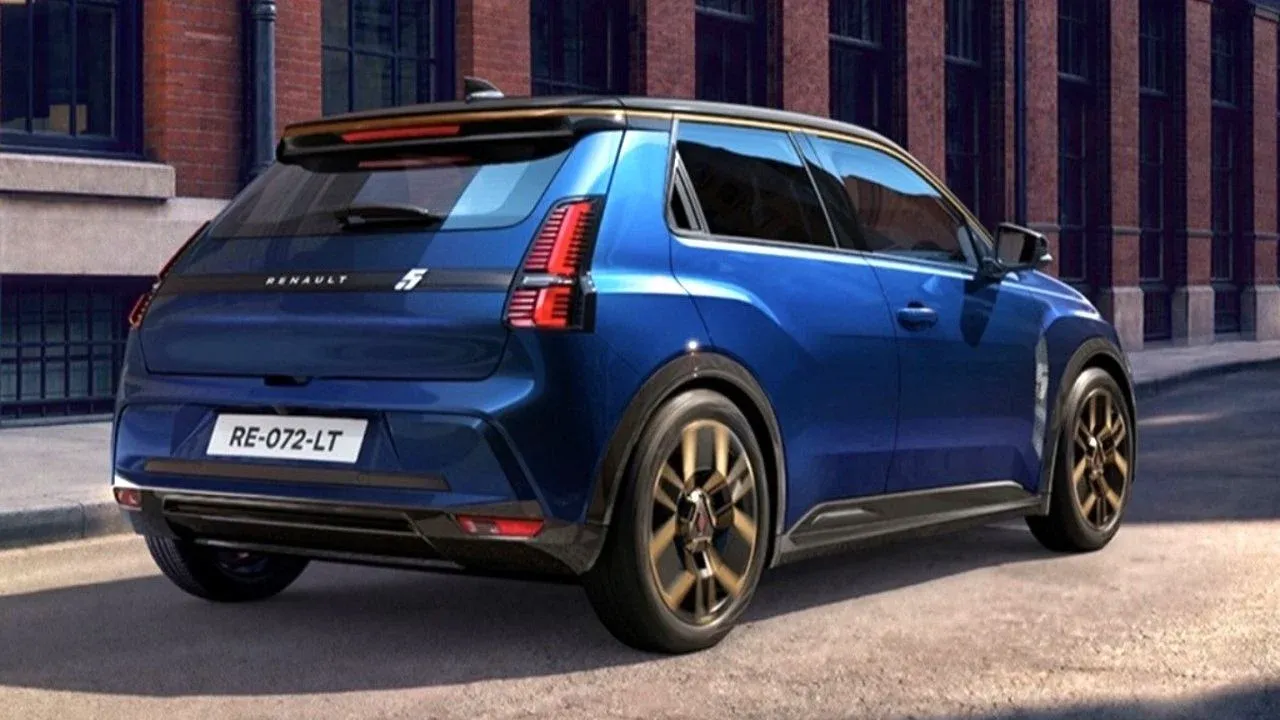
The star of this change is the Renault 5 E-Tech, one of the models performing best for the French brand. This compact electric vehicle has become a key part of Renault’s strategy, and its commercial success is leading to an unusually positive outcome these days: the factory needs to increase production speeds.
The Douai plant is part of ElectriCity, Renault’s major electrical industrial hub in northern France. Several models from the company and its partners are manufactured there, but the Renault 5 has been a key driver of increased activity. According to Europe 1, the factory is reverting to a three-shift system to handle the backlog of orders.
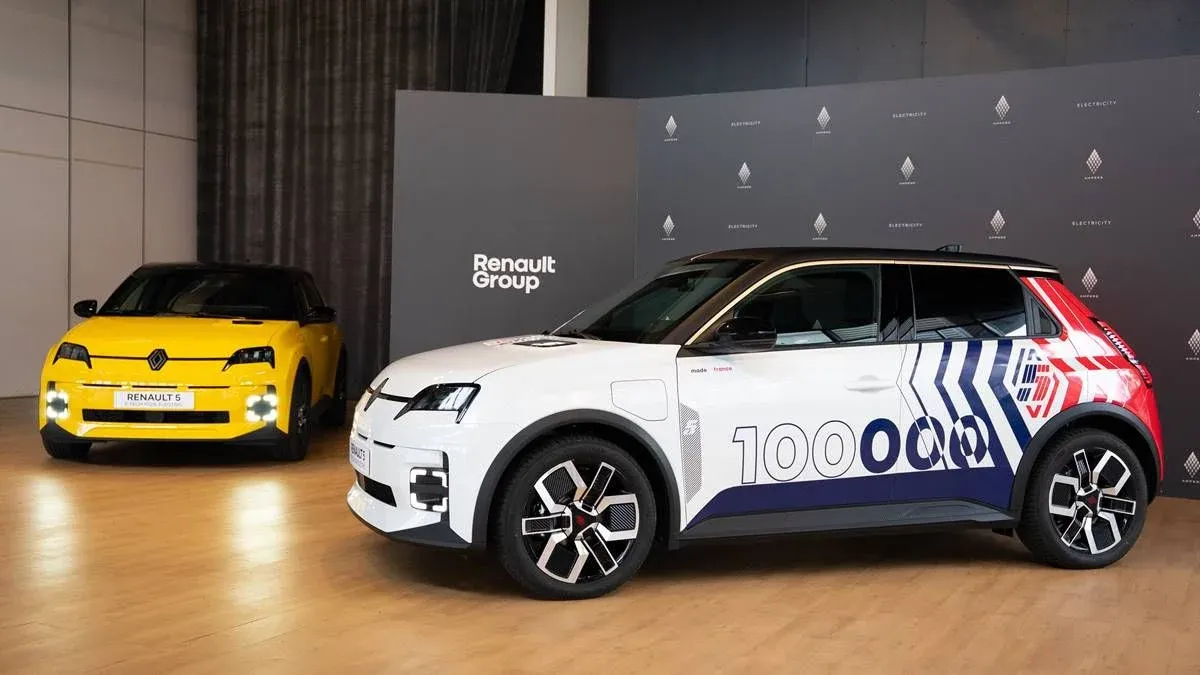
It’s not just about keeping a production line running for a few extra hours. Renault has had to expand its workforce and fill the night shift, which until now operated at half capacity. Since October 2025, around 550 temporary workers have been hired, and nearly another 350 have joined to cover that night shift.
The goal is quite ambitious. The factory would need to produce around 1,200 cars per day, though this figure could rise to between 1,300 and 1,400 units daily if demand remains high, resulting in an annual production of over 300,000 units. In that case, Renault might need even more workers to strengthen the day shifts as well.
The Renault 5 forces Renault to step on the accelerator
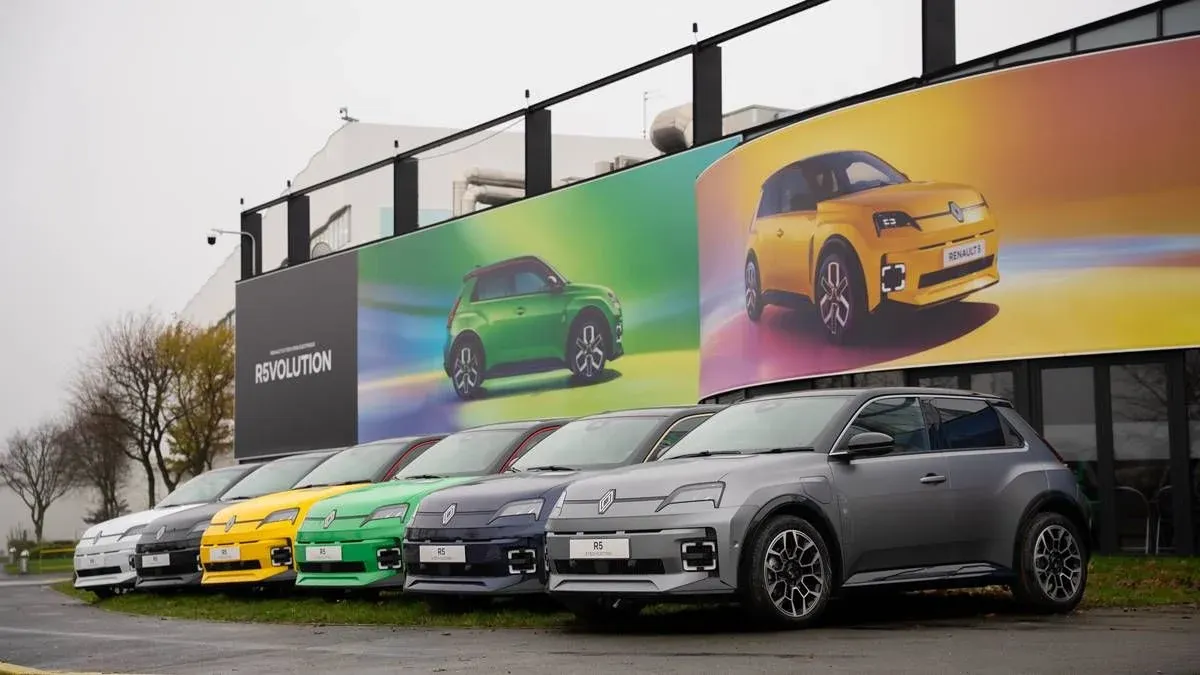
The registration figures help explain why the factory needs to act so quickly. According to data from Europe 1, the Renault 5 E-Tech sold nearly 27,000 units in France during the first eight months of 2026, making it the second-best-selling electric vehicle in the French market during that period.
The problem for Renault is that increasing demand is much easier than immediately boosting production capacity. That’s why delivery times have started to lengthen. Some of the current orders for the Renault 5 now expect deliveries in early 2027, which is particularly noticeable for a car of this size.
This situation also arises at a time when Renault has updated the Renault 5 lineup for 2026. The company unveiled its new models at the end of August, pursuing a strategy focused on offering a small electric car at a relatively affordable price, while expanding customization options and improving the product.
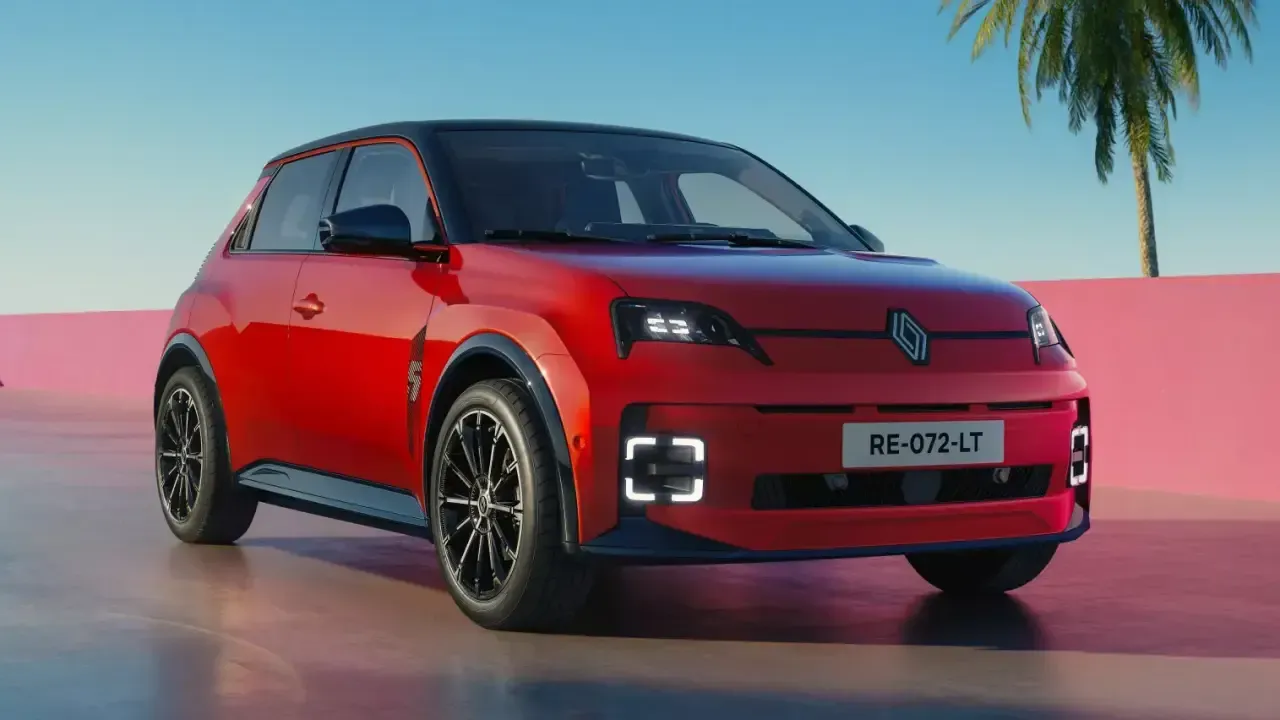
The pressure on Douai is not new. Renault had already announced during the summer that plant activity was increasing and that the night shift, which was operating at half capacity, would now run at full capacity. This change is now taking shape with the arrival of new workers and the return to a three-shift system operating 24 hours a day.
The factory also has a unique feature that is beginning to draw attention: among its workers is a robot named Calvin. Renault is testing it in Douai specifically to perform some of the most physically demanding tasks, such as handling tires. It can carry between 40 and 50 kilograms and is designed to handle repetitive work or tasks requiring the movement of heavy loads, thereby reducing the physical strain on workers.
But Douai doesn’t rely solely on the Renault 5. On the same production line, the Renault Mégane E-Tech, Renault Scénic E-Tech, and Alpine A290 are also manufactured, along with the Nissan Micra and Mitsubishi Eclipse Cross. The plant has thus become one of Renault’s most important industrial hubs for its electric vehicle push in Europe.
And this trend extends far beyond a single factory. Renault Group claims it has already produced over one million electric vehicles in France since 2010, with around 600,000 of those coming from the ElectriCity facility. Between 2022 and 2025 alone, 700 permanent jobs were created at this industrial complex, with another 300 positions planned by 2027.
In addition, ElectriCity is expanding its multi-brand scope. Alongside Renault and Alpine, it now includes production for Nissan and Mitsubishi, with the group planning to add future Ford models as well. Douai, Maubeuge, and Ruitz thus form an industrial network that holds increasing significance in France’s electric vehicle production.
The Renault 5 is therefore much more than just a new model for Renault. Its success is having a direct impact on a factory that has had to transform itself over the past few years to adapt to electric vehicles. Now, instead of reducing shifts due to lack of orders, Douai faces the opposite problem: it needs to produce faster to deliver all the cars it is selling.
Regarding the price, the Renault 5 E-Tech currently starts at 24,990 euros, while Renault cites a price of 18,810 euros for the urban version after applying the 6,180 euro incentive from the brand’s promotional program.