
The electric Range Rover Sport already has a price: 118 kWh, 600 km of range, and an 800V system.
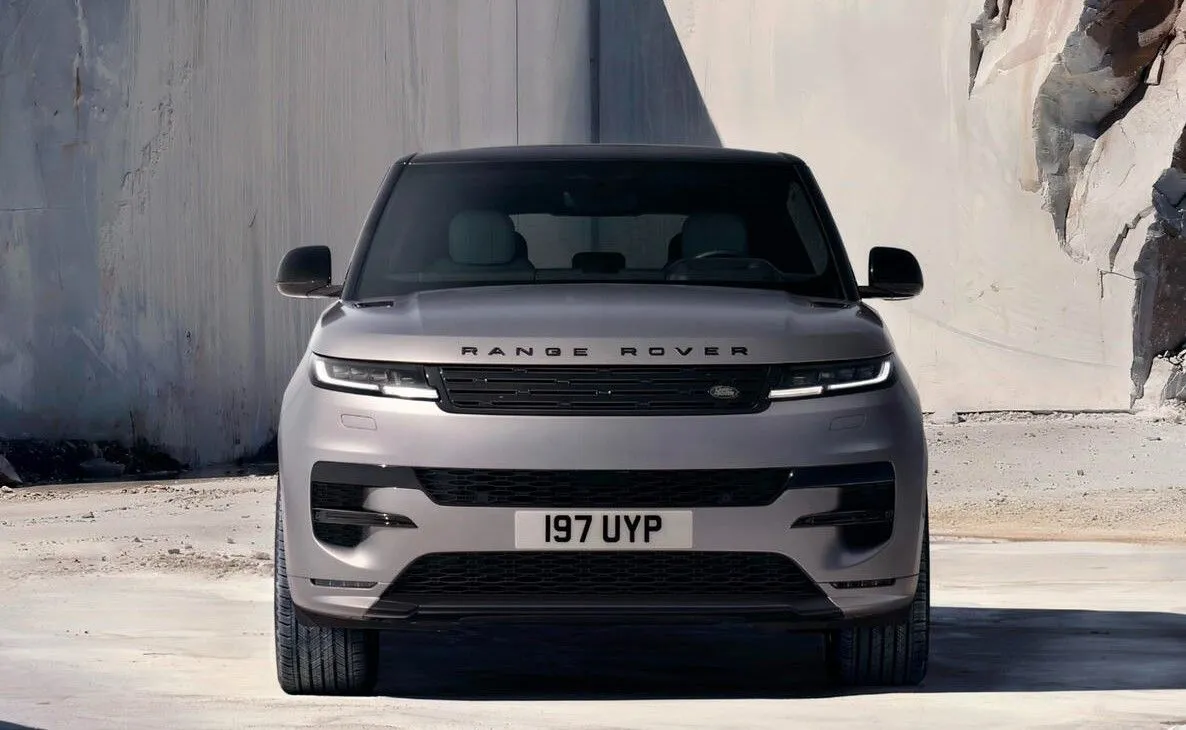
The Range Rover Sport takes a significant step toward electrification with a version that retains much of the British SUV’s distinctive features while replacing the internal combustion engine with an electric powertrain. The goal is to preserve the model’s sporty character without sacrificing comfort and off-road capabilities that have made the Range Rover Sport one of the brand’s most renowned models.
Land Rover developed this model for those seeking a luxury SUV capable of combining high performance, design, quality, and zero emissions. To achieve this, it didn’t just install a large battery under the floor; it also worked on the chassis, suspension, and power delivery system.
The result is a Range Rover Sport that, on paper, comes much closer than usual to the driving behavior of its combustion-engine sport versions. In fact, the brand itself claims that this electric variant was developed to offer a balance between performance, comfort, and off-road capability—three characteristics that until now seemed particularly difficult to combine in an electric SUV of this size.
An electric Range Rover Sport with 542 horsepower and 800 volts
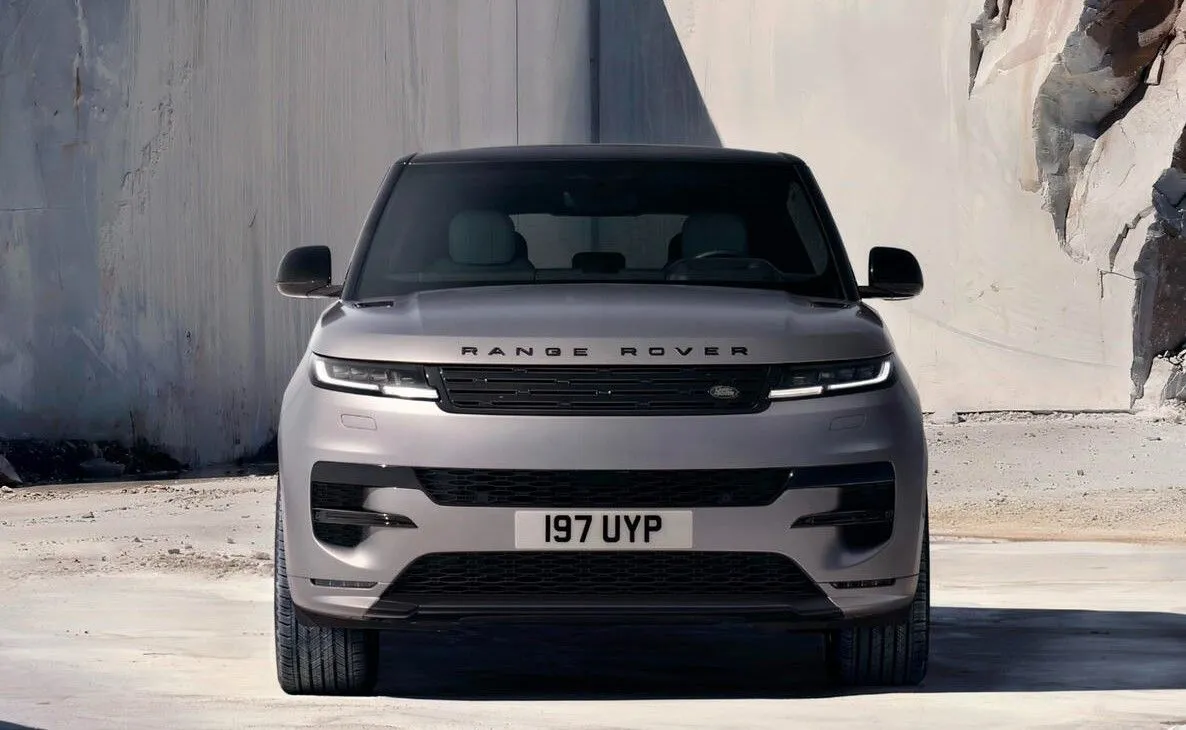
In terms of design, the electric Range Rover Sport retains almost exactly the same appearance as its gasoline-powered version. The differences mainly lie in a slightly modified front grille and specific tires, so one will need to look closely to distinguish it from its siblings in the same range.
The biggest difference is, logically, under the chassis. The electrical system uses two motors, one per axle, which together deliver a power output ranging from 450 to 550 horsepower depending on the version, along with a maximum torque of 850 Nm. This configuration allows the Range Rover Sport to accelerate from 0 to 100 km/h in just 4.3 seconds in its most powerful version, a figure that clearly places it among sports SUVs and on par with the Porsche Cayenne S, which has 544 horsepower. However, the German model features a Boost mode that temporarily increases its power to 665 horsepower.
The 550 CV version comes standard with rear-wheel steering and Dynamic Response Pro, an active system designed to limit body roll. The air suspension and adaptive shock absorbers also benefit from specific adjustments for this electric version. At speeds up to 50 km/h, the rear wheels can turn 7.3° in the opposite direction to the front wheels, reducing the turning radius to less than 11 meters despite the vehicle’s 4.95-meter length.
Range Rover has even differentiated the way power is delivered to the wheels. In Dynamic mode, torque is delivered 50% faster than in the Range Rover Electric, in just five milliseconds, according to the manufacturer. Obviously, all of this technology needs to be experienced behind the wheel, especially considering that electrification increases the curb weight to… 2770 kg! But this shows that JLR hasn’t simply transferred the electric propulsion system from its Range Rover to a sports car chassis.
The battery has a useful capacity of 118.5 kWh, one of the highest figures currently available in a production electric car. It is located under the floor of the cabin, which helps lower the center of gravity compared to the gasoline-powered Range Rover Sport and improves dynamic performance. This configuration gives the most powerful version a WLTP range of 609 kilometers, while the 450 HP version achieves 611 kilometers.
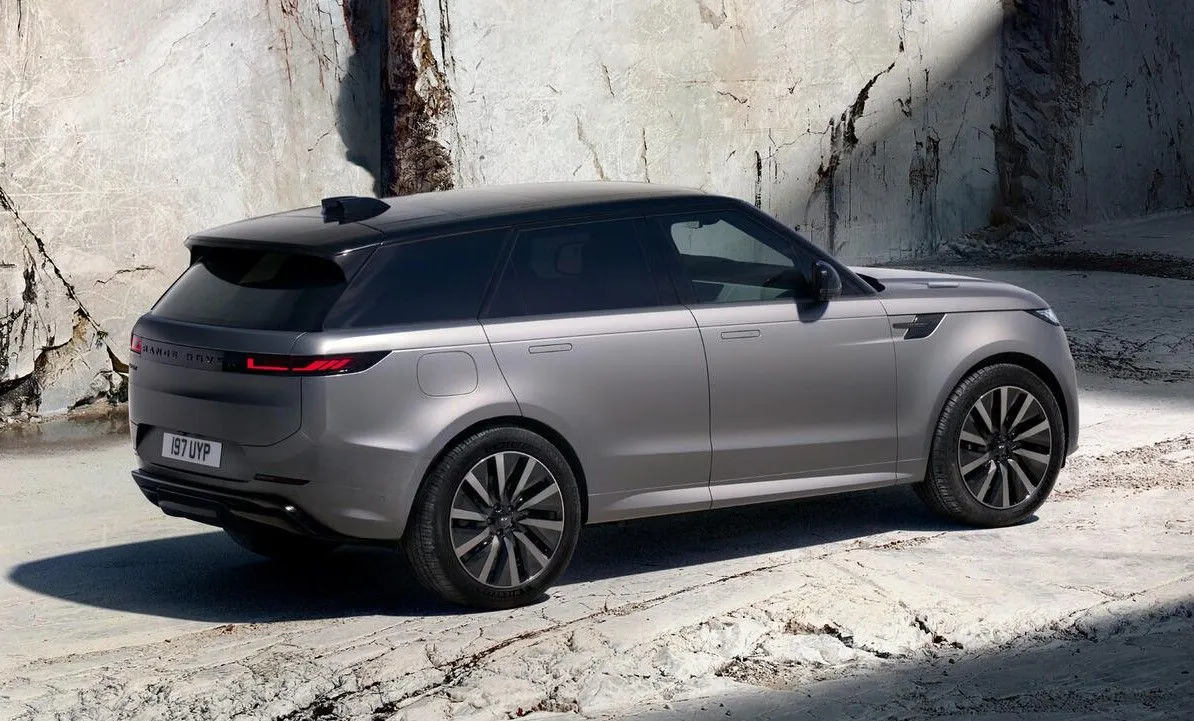
The model also features an exceptionally rigid structure along with a set of solutions designed to control body movements. These include rear-wheel steering, adaptive suspension, and an active roll stabilization system, all aimed at making the large SUV more agile when driven on roads.
Land Rover has also worked to ensure this variant retains the off-road capabilities expected of a Range Rover. The battery is fully sealed, and the electrical system has been designed to allow the vehicle to navigate through deep water, which is particularly important for a model that aims to maintain its versatility even after ditching the internal combustion engine.
The electrical architecture uses an 800-volt system, allowing for a maximum charging power of up to 350 kW. This enables it to go from 10% to 80% charge in about 22 minutes, while a ten-minute stop can add up to 220 km of WLTP range. AC charging reaches 22 kW, with a charging time of less than eight hours to go from 0% to 100%.
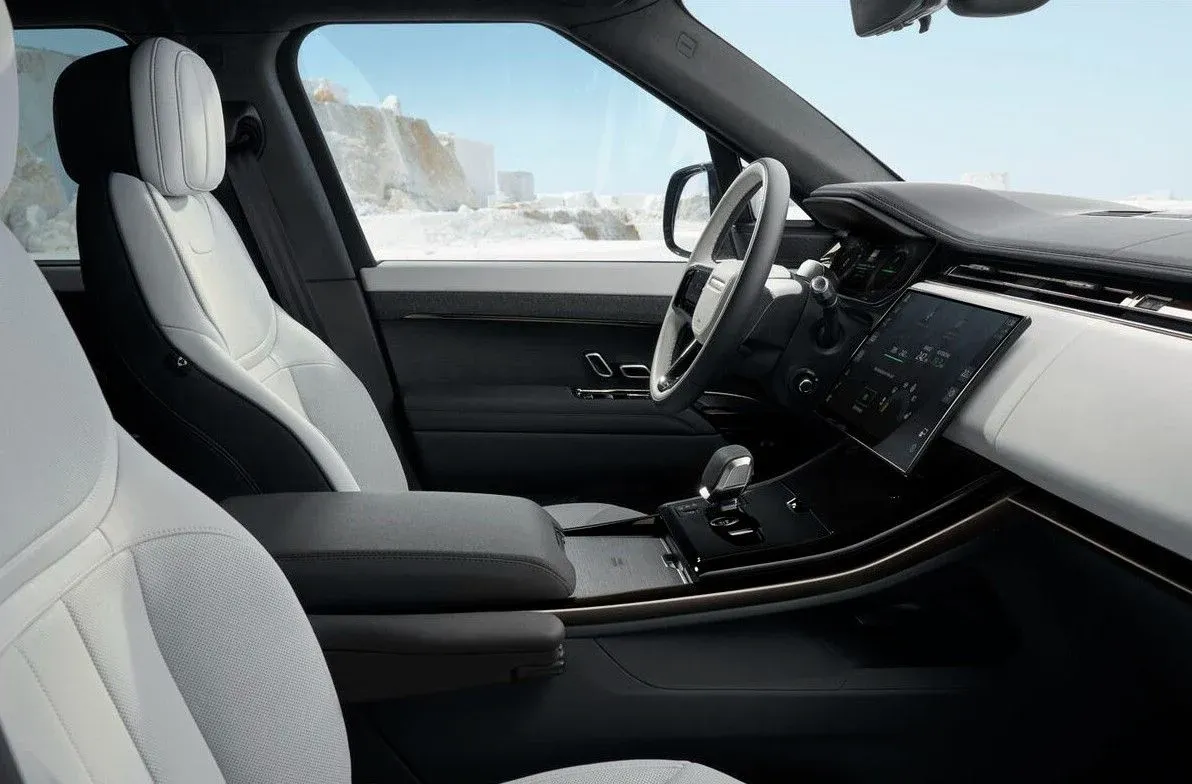
The range will initially be available in the Dynamic SE trim, which will serve as the entry point to the model, though the Autobiography version and a limited First Edition will also be offered. For now, Land Rover has not confirmed any new mechanical configurations for the electric Range Rover Sport.
Regarding prices, the Range Rover Sport Electric will have an initial price of 119,100 euros for the EV450 Dynamic SE version. The range will also include the Dynamic HSE and Autobiography trims, as well as a First Edition edition.
This price is not particularly competitive when compared to the Porsche Cayenne S Electric, which starts at 107,600 euros, meaning it is 11,500 euros cheaper.
Prescriptions for the electric Range Rover Sport are already open, with first deliveries expected next year. It is a model aiming to secure a niche through its design and prestige, although Land Rover has set a very high price that places it even above Porsche’s exclusive offering.