
The Range Rover GT is a crossover that breaks with tradition: lower, sportier, and designed for traveling.
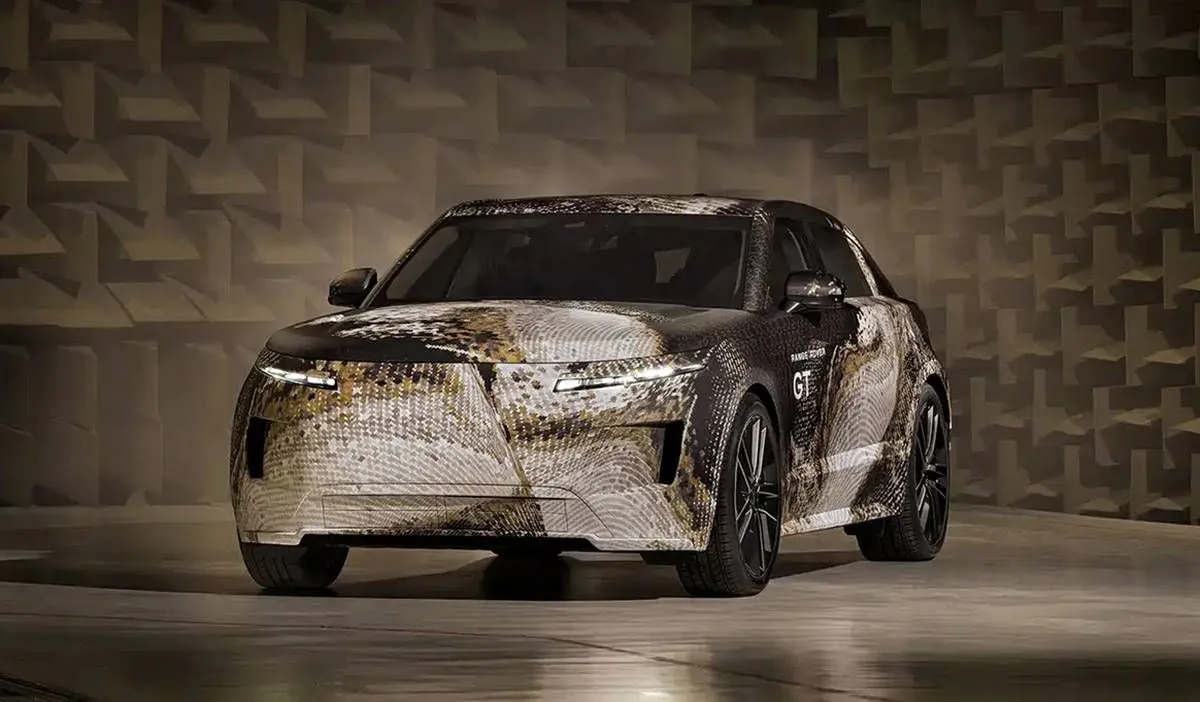
Range Rover has spent decades building its reputation around luxury large SUVs, but its next release is heading in a different direction. After the surprise of the Type 01, the British brand is preparing something much more commercial and interesting. It’s a lower model than usual in the range, with a streamlined silhouette designed for comfortable long-distance travel.
It’s called the Range Rover GT. It will be the fifth member of the range and one of its most unique offerings: an electric grand tourer that combines proportions typical of a sedan with some features from the brand’s SUVs. Although its appearance might suggest a model halfway between these two categories, Range Rover emphasizes its focus on travel capabilities.
The prototypes continue with their testing program. In one of their most recent trips, they covered the route from the UK to Belgium and Germany, including a visit to the Nürburgring circuit. The goal is to refine the chassis performance and test how the car responds under the conditions it will face during journeys, where comfort, insulation, and performance are all equally important.
A lower and more aerodynamic Range Rover with a different approach
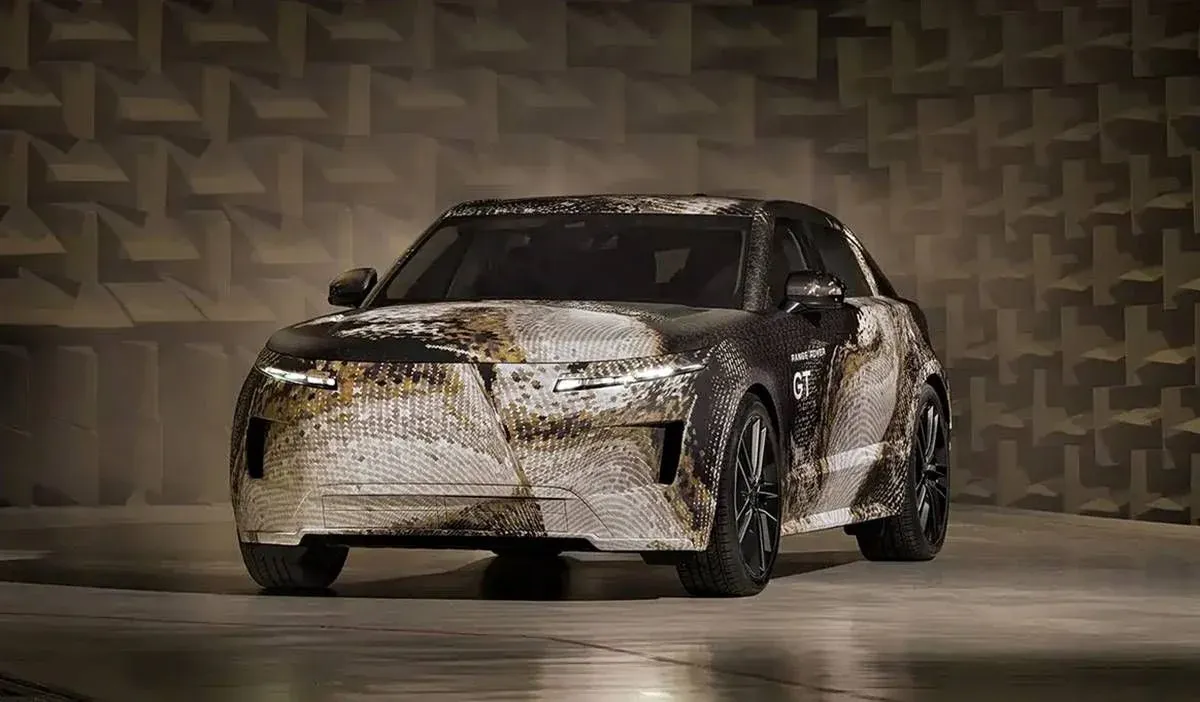
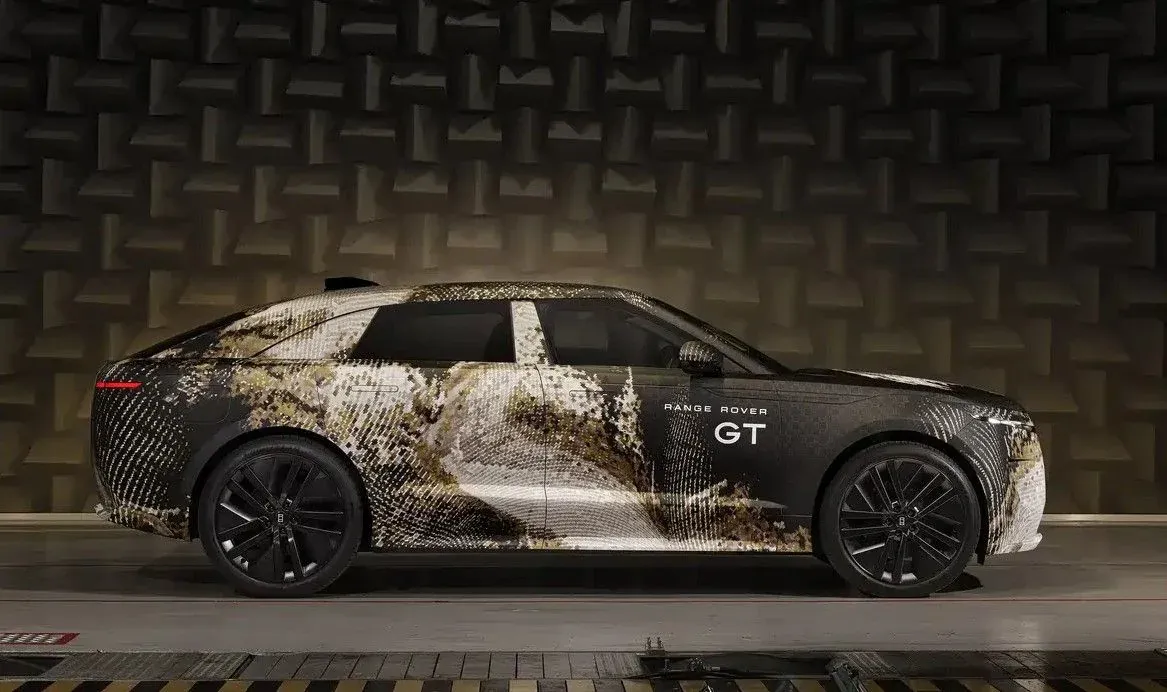
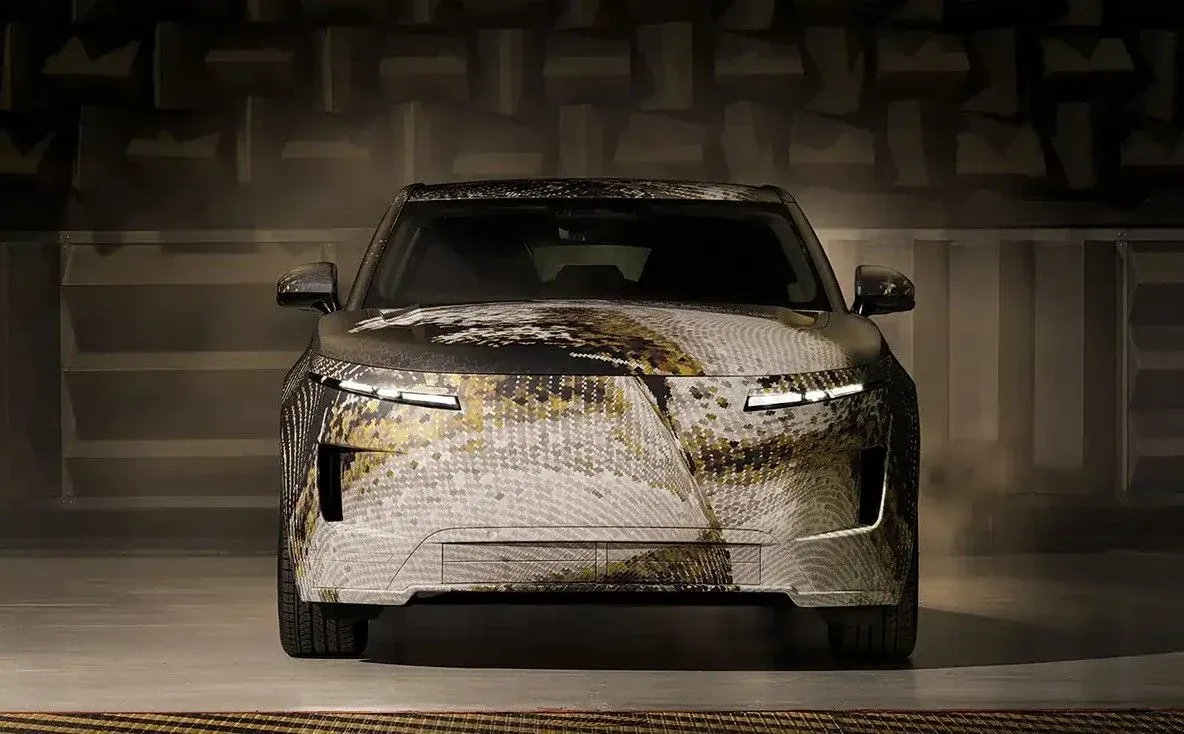
The design retains recognizable elements from the family, such as the shapes of the light groups, clearly defined wheel arches, and clean body surfaces. However, its lower height and sloping roof significantly alter its appearance. Visually, it resembles a Velar with a lowered body and a silhouette closer to that of a raised sedan.
According to the information released about the model, the GT will have the lowest center of gravity and the best aerodynamics in the Range Rover family. These are two particularly important features for an electric vehicle of this type: the lower center of gravity helps to control body movement, while better aerodynamics are essential for reducing fuel consumption on the road and minimizing wind noise at highway speeds.
The brand insists that this transformation does not mean abandoning its off-road capabilities. Its goal is to offer a level of versatility rarely seen in large SUVs, though more data is needed to assess how far it can go. A lower body design requires special attention to ground clearance and vehicle angles, even though electronics help manage traction.
The cabin will also differ from what’s found in other Range Rovers. The interior draws inspiration from the design cues of the Jaguar Type 01. The goal is to create a cleaner interior with fewer visible elements, aligned with its grand tourer approach, though without the extreme minimalism of the concept car.
It will feature elements such as hidden ventilation outlets and a textile dashboard trim that incorporates the speakers. Range Rover also emphasizes legroom in the second row, a logical priority for a vehicle aiming to make long-distance comfort one of its main selling points.
In terms of technical specifications, the Range Rover GT will debut the brand’s EMA platform and will first be available as an electric model. It will be manufactured in Halewood, United Kingdom. This architecture will play a key role in the next generation of models from the group, although the final details of this launch are still unknown.
Regarding propulsion, reports suggest a two-motor configuration, likely with all-wheel drive, rather than the three-motor system used in the Jaguar Type 01. For now, this is just a possibility, not a confirmed feature—no details on the Range Rover GT’s power, torque, or acceleration have been announced.
The same applies to the battery and charging. Rumors suggest it might feature an 118 kWh battery pack and an 850 V architecture, with a fast charging capacity of over 350 kW. These are details yet to be confirmed, and there is still no official figure for range or charging times that would allow an assessment of its travel capability.
As of now, neither the price nor the release date has been announced, with delivery not expected before 2028. Interest lies in seeing how this blend of sedan, grand tourer, and SUV translates into the final model. Range Rover aims to retain its identity while altering proportions that seemed inseparable from it, and the GT will serve as a good test of how far this transformation can go.