
Auto+ Plan finally arrives for professionals: incentives to buy an electric or hybrid car starting October 1
29/09/2026 12:00
Updated to
29/09/2026 12:43
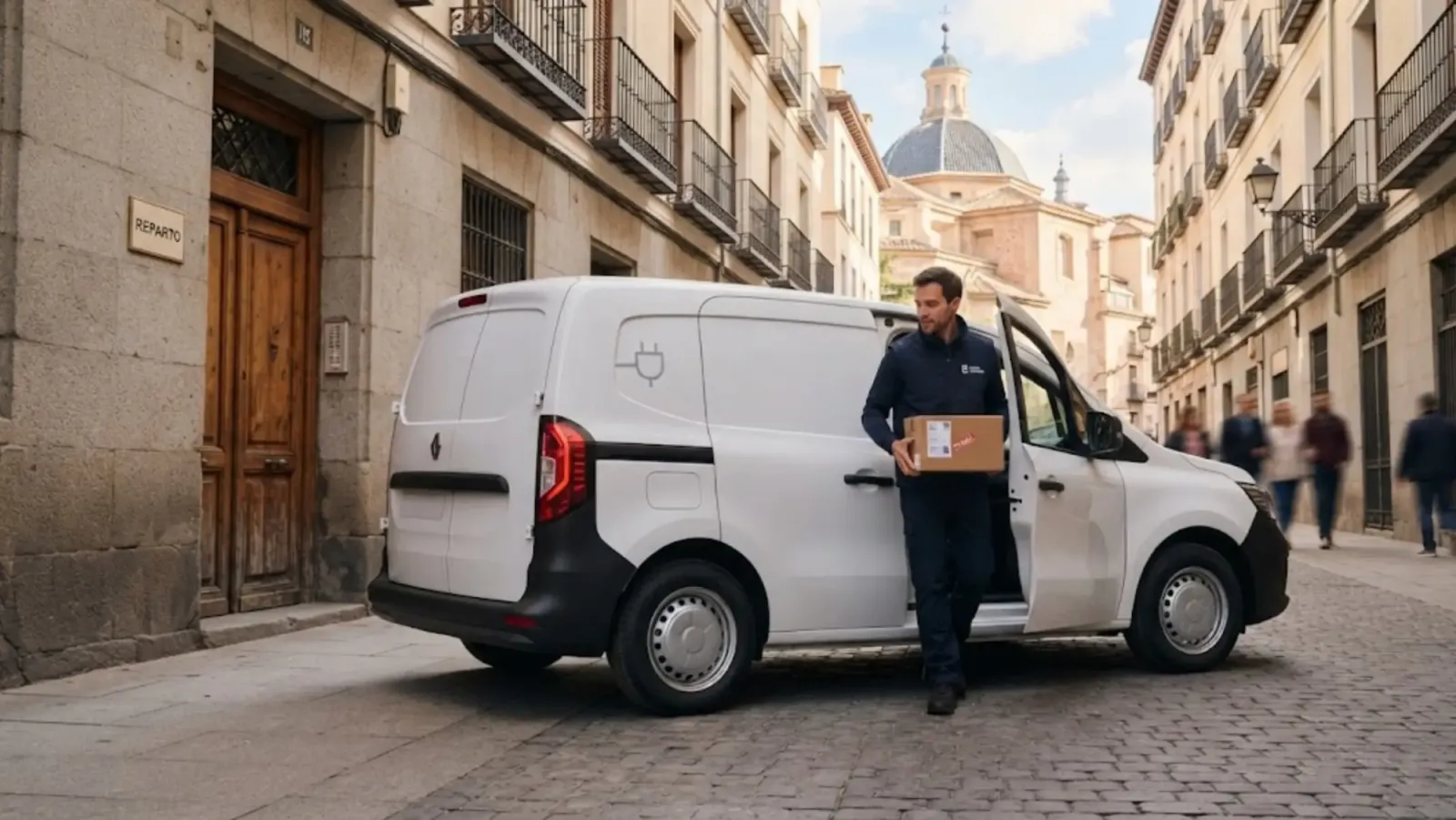
After months of uncertainty regarding government subsidies for corporate fleets and self-employed individuals, things are finally becoming clear. Starting October 1st, businesses and freelancers will be able to access the incentives under Phase Two of the Auto+ Plan to accelerate the transition toward zero-emission and low-emission mobility in corporate settings.
This measure aims to get fleet renewal projects moving again, which had been stalled waiting for a clear subsidy framework. Including legal entities and professionals in this support scheme not only seeks to boost the purchase of vehicles with ZERO labels but also to reduce the operational and environmental impact of commercial transportation.
Key points of the Auto+ plan for self-employed and businesses
The most important aspect of what is known as Line 2 of the plan is the amount of funding available, which can reach up to 7,500 euros per vehicle. The final amount allocated depends on the vehicle category, the chosen propulsion system, and whether the scrapping of an old vehicle is included.
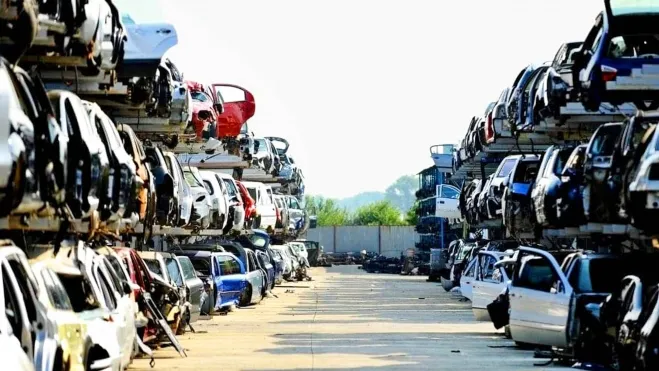
To qualify for the maximum subsidy of 7,500 euros, regulations require the delivery of a vehicle over ten years old for dismantling, thereby achieving a dual benefit: the introduction of zero-emission technology and the effective removal of the most polluting vehicles.
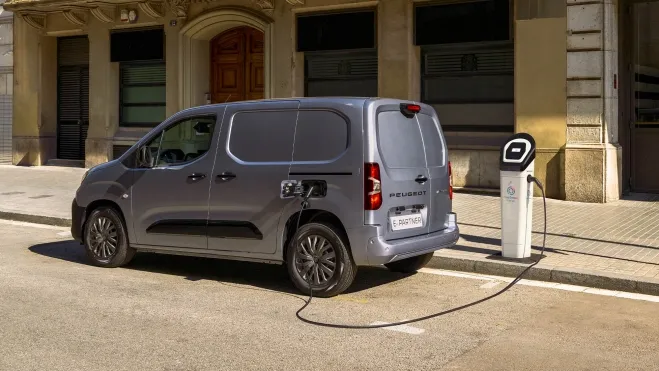
For SMEs and large companies, the amounts vary depending on the size of the enterprise, in line with community guidelines regarding state subsidies. However, this Auto+ Plan is designed to simplify bureaucratic procedures compared to previous calls, addressing one of the main demands from professional sectors.
Technical requirements and types of vehicles eligible for subsidies
To qualify for an acquisition under the Auto+ Plan, vehicles must meet certain criteria specified in their technical data sheets. The categories included range from passenger cars to light commercial vehicles, with different specifications depending on the powertrain:
Battery Electric Vehicles (BEV): They qualify for the higher level of subsidies, given the complete absence of local emissions during operation.
Plug-in Hybrids (PHEV): They must meet a minimum range in electric mode according to the WLTP certification cycle to be eligible for equivalent subsidy amounts.
Fuel Cell Vehicles (FCEV): They are included in the zero-emission category with an identical technical priority level.
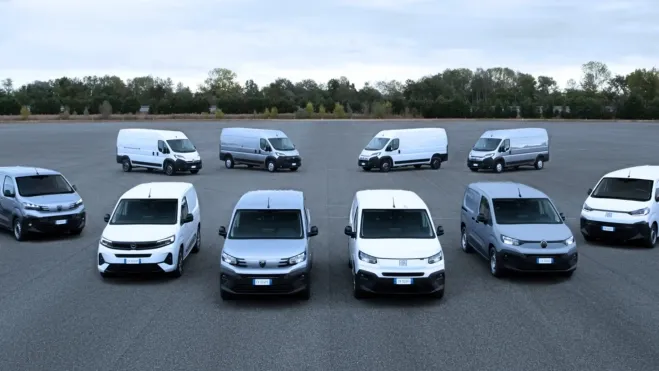
In addition to the engine type, the program sets a limit on the pre-tax selling price to prevent public subsidies from funding high-end or luxury models. This price cap ensures that funds are directed toward volume segments, commercial vehicles, and affordable corporate mobility options.
Application process starting October 1
The start of the deadline on October 1 marks the official beginning for submitting applications. Processing can be carried out either directly by the interested party or company, or through the dealer networks affiliated with the program, which in many cases offer the option to receive an early discount on the purchase invoice or handle the documentation.
To ensure the proper issuance of the incentive, it is essential to retain the vehicle purchase invoice dated after the entry into force or in accordance with the time limits specified in the call for applications, the vehicle’s technical specifications sheet, the vehicle registration certificate, and, if applying for the maximum amount, the destruction certificate for the scrapped vehicle issued by an authorized treatment center.
Through this measure, the administration aims to give a final push to the channel for businesses and self-employed individuals, a key factor in renewing the vehicle fleet and achieving the decarbonization goals set for the coming years.