
The Auto+ plan for electric cars is starting to concern the industry, with Dacia warning: “A shutdown must be avoided.”
18/09/2026 13:00
Updated to
18/09/2026 13:00
The new wave of electric cars entering the Spanish market shares one common factor that is starting to concern manufacturers: a significant portion of their retail prices are based on government subsidies. The Auto+ program allows for a reduction of up to 4,500 euros on the purchase of an electric sedan, but its budget is limited, and several brands are already demanding that there be no gap if the funds run out before the end of the year.
The issue is particularly significant because the program has only been in operation for a few weeks. The call for individuals opened on August 4 with 350 million euros and will remain active until December 31, unless the available funds are exhausted earlier. Sources in the industry cited by La Tribuna de Automoción said that by early September, nearly 50% of the budget had already been allocated, although Industria claims there are still resources left.
Dacia and Volkswagen start to closely examine how much money remains
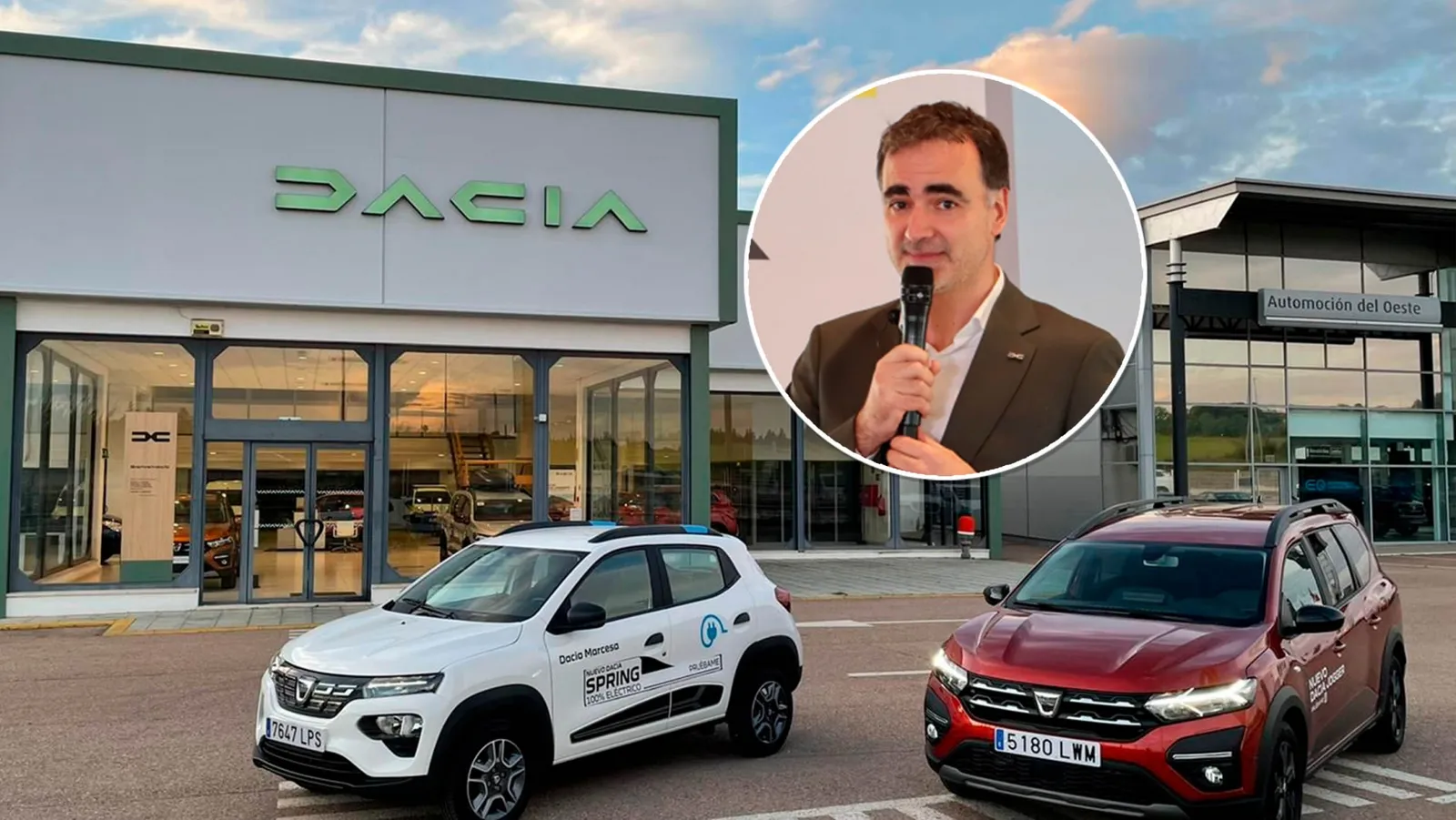
Dacia is one of the companies that has called for avoiding sudden changes in this type of incentives. Its CEO in Spain, Laurent Sengenes, argued during the presentation of the company’s strategic plan for the need to have a stable and simple framework, especially now that the manufacturer is entering a new phase in its electric vehicle push. The brand fears that there could be an interim period without subsidies if the current ones run out before an alternative is available.
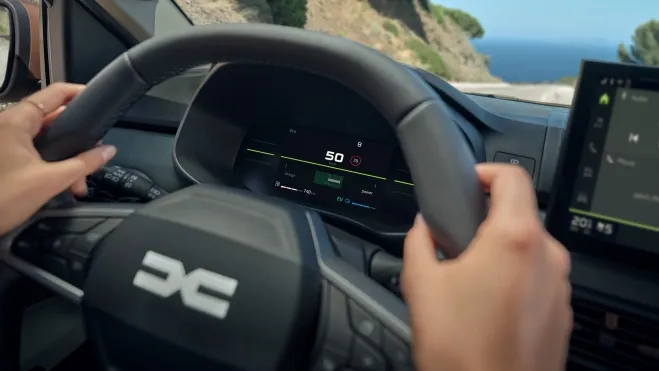
The manufacturer has just introduced the second generation of Spring, which is now produced in Europe and better meets the criteria set by the Auto+ Plan. The scheme does not grant a fixed amount to all vehicles; instead, it calculates the subsidy based on factors such as propulsion technology, price, and industrial ties to Europe. For electric cars, the maximum amount available for private individuals is 4,500 euros.
Volkswagen is in a similar situation with its new electric vehicles and is also incorporating these subsidies into its business strategy. The company itself reports in Spain that grants of up to 4,500 euros are available for certain electric vehicles manufactured in Europe, explicitly stating that they depend on approval and the availability of funds. Enrique Pifarré, Volkswagen’s CEO in Spain, added that it will be necessary to monitor budget developments over the coming months.
Industry rules out immediate exhaustion for now
In light of these warnings, the Ministry of Industry maintains that the program still has funds available. Alberto Ruiz, director general of Industrial Programs, assured this week on Capital Radio that there are still funds available and conveyed a message of confidence regarding the progress of the initiative. For now, therefore, there is no official announcement about a suspension or exhaustion of the funds designated for individuals.
The Auto+ Plan has 400 million euros allocated for 2026. Of this amount, 350 million is designated for individuals, while the remaining 50 million is reserved for businesses and self-employed people. The program limits its subsidies to vehicles with a ZERO label and sets different percentages depending on whether it is a pure electric vehicle or a plug-in hybrid, its price, and whether the vehicle and its battery are linked to European production.
Manufacturers are thus less concerned about the current situation and more focused on what might happen in the coming months if the volume of requests remains high. With new models arriving at dealerships and offers already providing early discounts on these subsidies, the industry is demanding that any potential transition to an expanded or new system occur without leaving a gap period with no incentives.