
The new Zeekr 7X hits the market: 900 volts, 10-minute charging to 795 CV, and a new 85 kWh battery
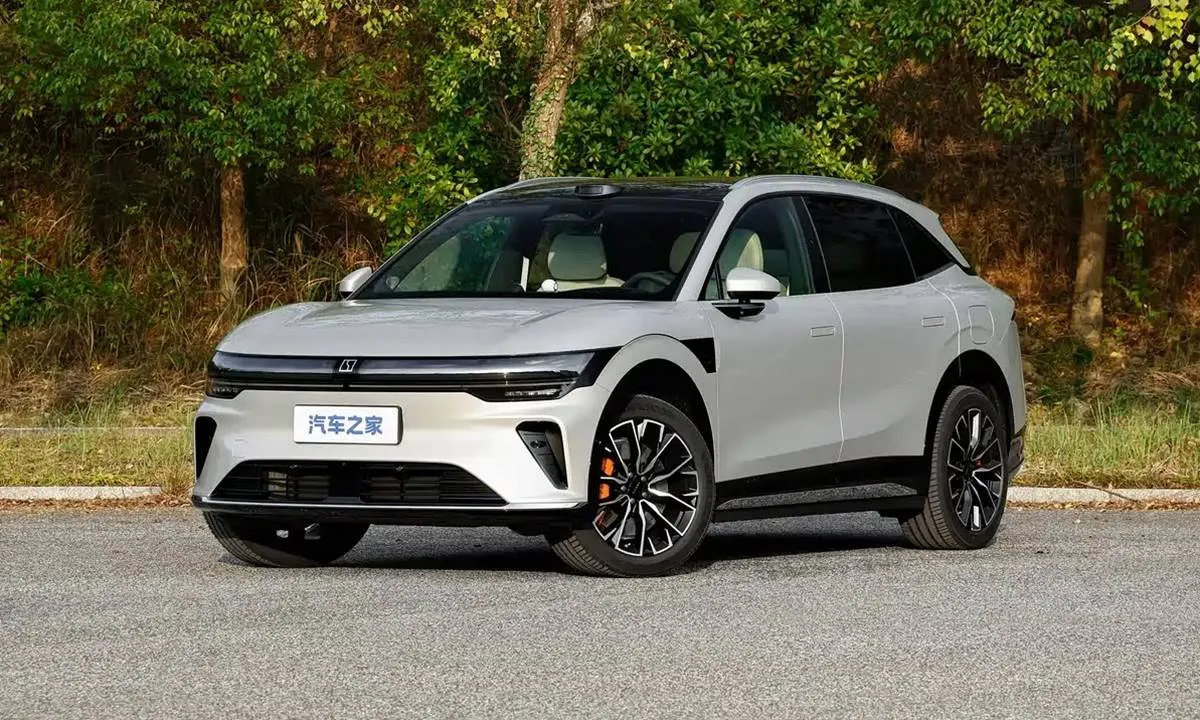
The Zeekr 7X has been updated again in China, where the rapid turnover of electric vehicles leaves little time to catch up. The Geely Group’s brand has opened reservations for its new lineup, featuring improvements to comfort, technology, and the propulsion system. This evolution also deserves attention from Spain, though it’s important to distinguish between what was just introduced in its home market and what we can purchase here.
Reservations for the Zeekr 7X 2027 began on November 5. The offering is available in three versions: RWD Max, RWD Max+, and AWD Ultra, with a new intermediate option that expands choice options without requiring a switch to the most powerful trim.
Exteriorly, the SUV retains its appearance and proportions, with a length of 4.83 meters, a width of 1.93 meters, and a height of around 1.67 meters, along with a wheelbase of 2.93 meters.
Inside, Zeekr announces 15 upgrades including a new color combination, changes to the steering wheel and door panels, Nappa leather upholstery, and a velvet-textured ceiling finish. The layout remains enveloping, but the updates aim to enhance the quality feel and comfort for passengers.
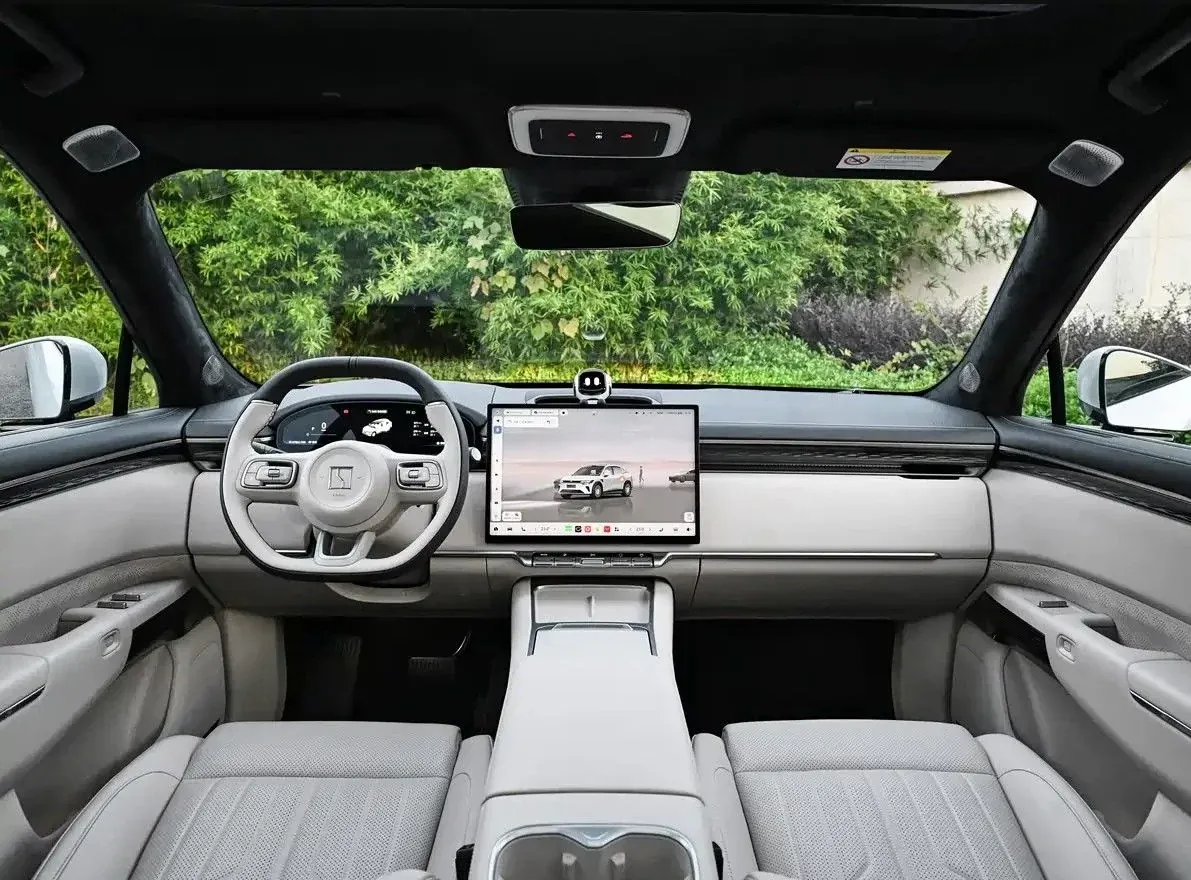
The front seats feature a “zero gravity” recline position and a 12-point massage system with eight programs and three intensities. In the back, the seats can recline up to 134 degrees, and the seats offer up to 21.5 centimeters of longitudinal movement, along with graphene heating and pneumatic massage. The headroom in the second row reaches 1.02 meters.
Sound insulation is also well-cared for. The brand mentions 125 measures to reduce noise, including double-layer acoustic glass and standard active noise cancellation for road noise. This is supplemented by a CCD electronically controlled suspension damping system designed to adjust the suspension’s response and improve comfort while driving.
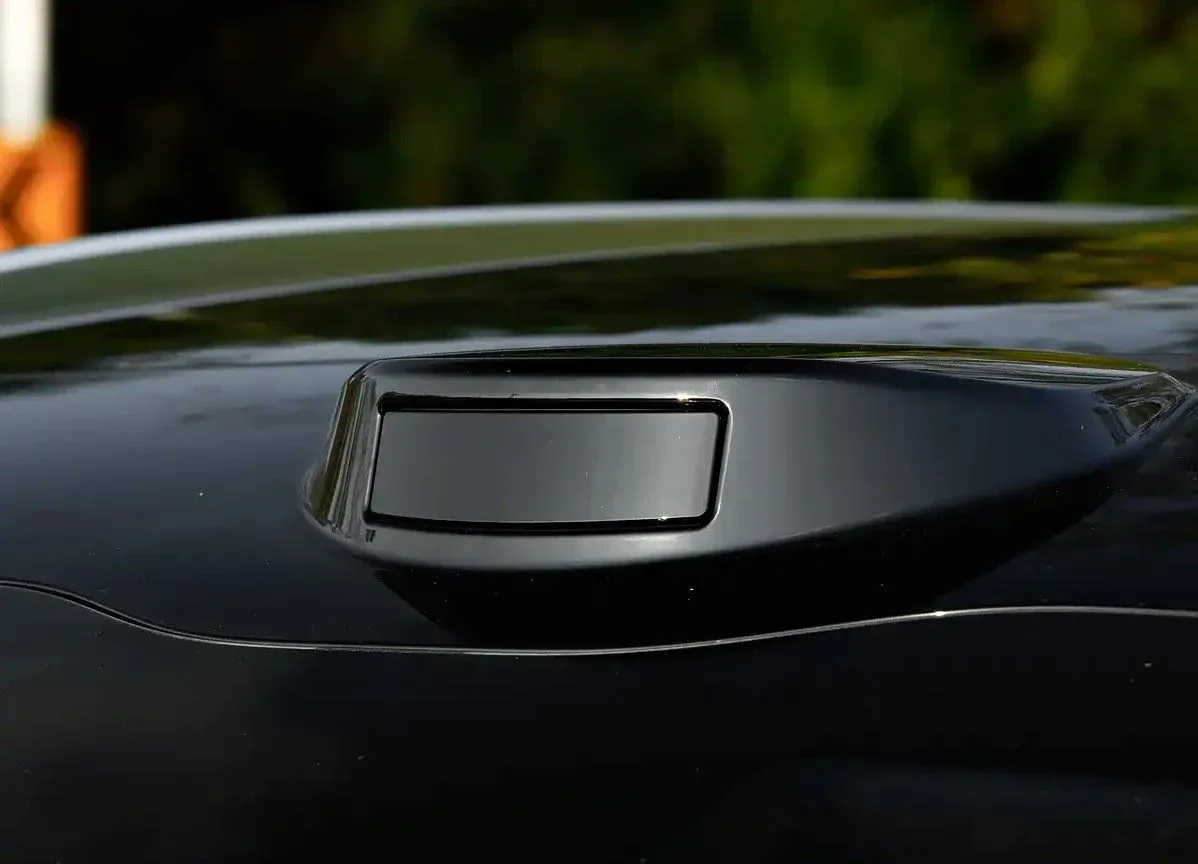
In terms of technology, the new 7X features 31 sensing elements, including a LiDAR sensor, and introduces the G-ASD G-Pilot 4.1 system. In its Chinese version, it offers navigation assistance, door-to-door autonomous driving, and parking navigation without relying on high-definition maps. It remains to be seen whether Zeekr will bring these advanced systems to Europe this time.
The safety features include high-strength steels with a strength of up to 2,000 MPa and a standard blowout stabilization system. According to Zeekr, this system can help maintain control even during tests at 240 km/h. This is a capability claimed by the manufacturer under specific conditions, not a guarantee that any blowout can be resolved without consequences.
New mid-size battery and 900-volt architecture
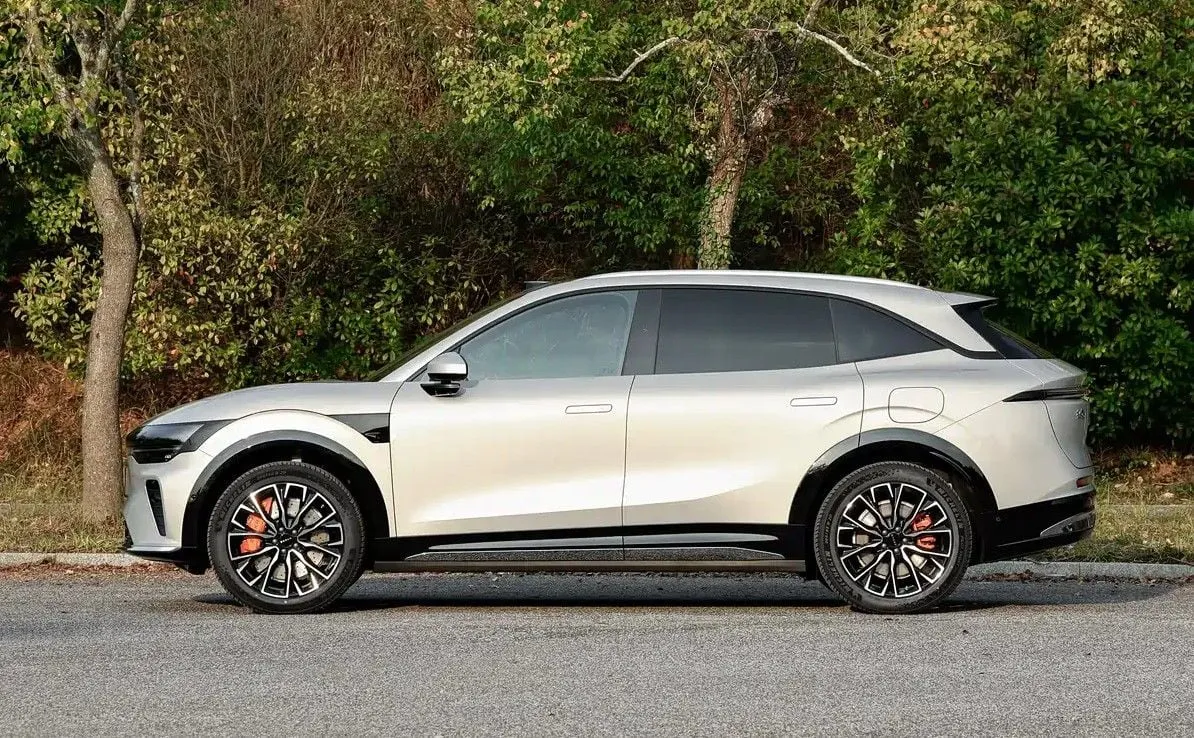
The RWD Max and RWD Max+ versions are equipped with a rear motor producing 370 kW (503 HP). Above them is the AWD Ultra, which offers all-wheel drive and a combined power output of 585 kW (795 HP), sufficient to accelerate from 0 to 100 km/h in 2.98 seconds.
Regarding batteries, the entry-level version, RWD Max, uses the same 75 kWh LFP battery and claims 620 km of CLTC range; in Europe, the current version achieves 482 km according to WLTP standards. It remains to be seen if the new model has improved efficiency and increased range figures.
The main addition is the RWD Max+, which features an 85 kWh LFP Golden Brick battery and 680 km of CLTC range; our estimate suggests it would have around 550 km of WLTP range. This version occupies the mid-tier position in the Chinese lineup and might be attractive to those looking to extend driving range between charges while sticking with this battery chemistry.
The AWD Ultra is equipped with a 103 kWh CATL Qilin ternary battery and offers 715 km of CLTC range; in Europe, the current version achieves 545 km according to WLTP standards. The same battery pack can also be installed optionally on the RWD Max+, boosting its range to 802 km CLTC; based on our estimates, it might approach 630 km under WLTP conditions. In both cases, these figures are approximate and subject to potential European homologation.
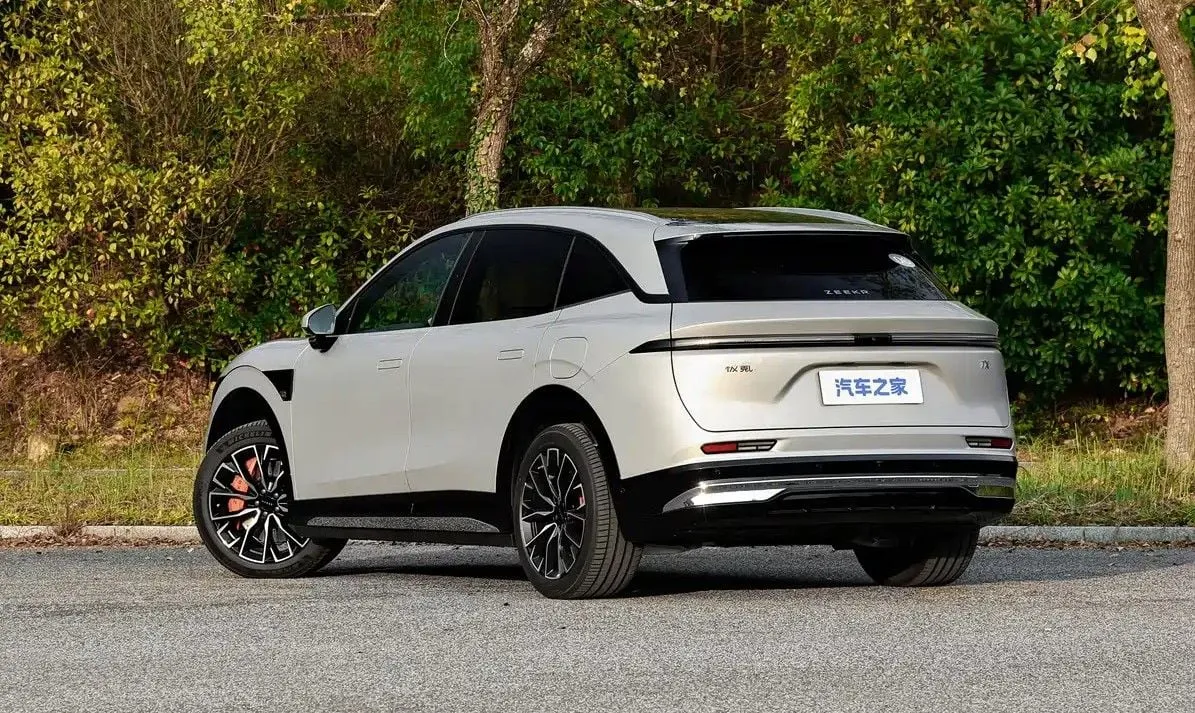
The entire Chinese lineup features a 900-volt architecture that encompasses the propulsion system, control electronics, and thermal management. The new intermediate battery supports a charging rate of 5.5C and, according to the manufacturer, can go from 10% to 80% charge in 10.5 minutes. Of course, this assumes we have a charging station capable of delivering such high power levels.
As for prices, we don’t have figures available in Europe yet. There, the current generation, before any discounts or promotions, starts at 52,990 euros for the 75 kWh Core RWD model and 55,990 euros for the 100 kWh Long Range RWD model. The Privilege AWD version, also equipped with a large battery and all-wheel drive, costs 62,990 euros.
With that in mind, a future 85 kWh version would logically fit between the two rear-wheel-drive variants, although the difference between them is quite small at 3,000 euros. So we might see two scenarios: either the 75 kWh version disappears and is replaced by the 85 kWh version, or the entry-level model sees its price drop below the 50,000 euro psychological barrier, allowing for a more gradual and reasonable pricing structure.
Our prediction would be as follows: (prices before any discounts or promotions)
Zeekr 7X Core (75 kWh): 49,990 euros
Zeekr 7X RWD Max+ (85 kWh): 52,990 euros
Zeekr 7X RWD Max+ (100 kWh): 54,990 euros
Zeekr 7X AWD Ultra: 62,990 euros