
The new Renault Scenic is now available in Spain with a range of up to 642 km.
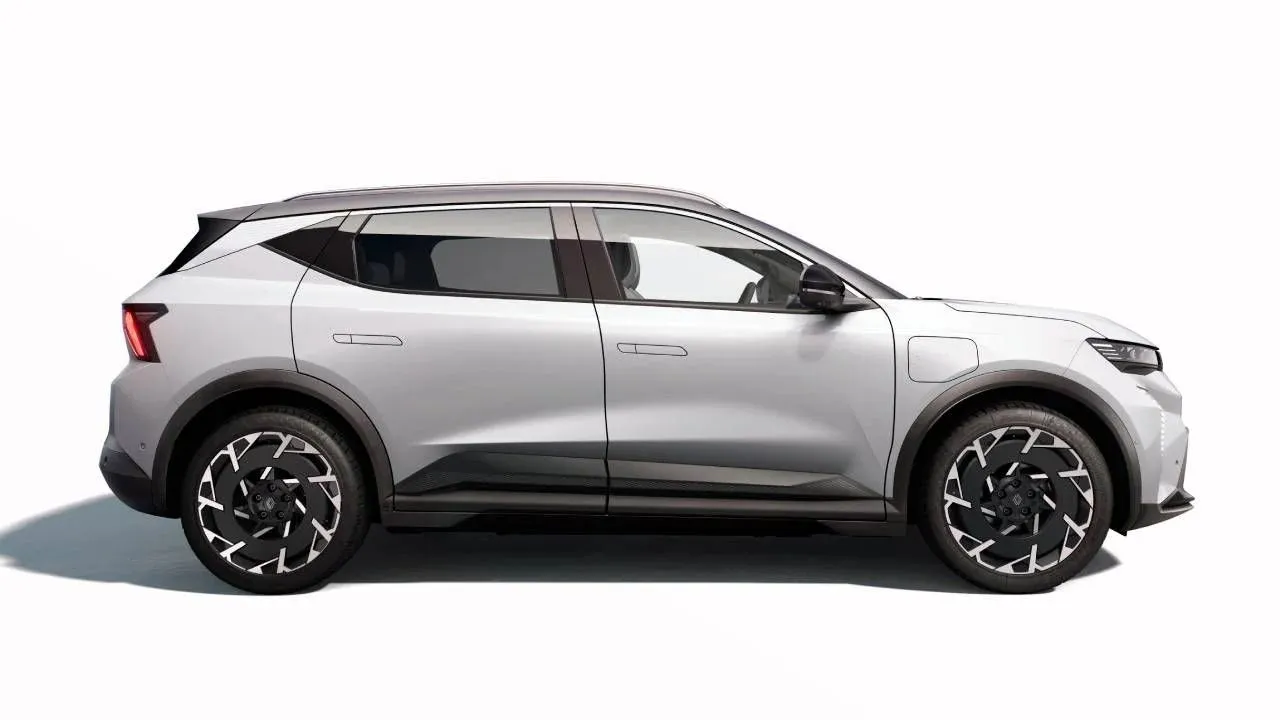
In addition to the new R5 and Mégane, Renault has also launched the updated Scénic in Spain. This update brings significant improvements in technical aspects as well as equipment, making the compact SUV an even more competitive option in its category. What advancements has this brand’s most family-oriented electric vehicle seen?
Firstly, the 220 HP (160 kW) engine is now standard across all versions. This powertrain can be paired with two batteries. Initially, the only option available will be an 89 kWh NCM (nickel, cobalt, manganese) battery, replacing the previous 87 kWh pack. The range reaches 642 km according to WLTP standards. Additionally, charging times are reduced by 25%.
With a peak of 150 kW in DC, this version takes 28 minutes to go from 15% to 80% charge. A later variant equipped with a 67 kWh LFP (lithium-iron-phosphate) battery will follow. In that case, the range is 467 km WLTP; however, it charges faster (15% to 80% in 24 minutes, with a peak of 165 kW in DC).
The LFP battery uses pouch cells and a CTC (Cell to Pack) architecture to improve energy density (the packaging efficiency is 53%). The cells are supplied by LG Energy Solution, a partner of Renault for over a decade and a half. So far, the company has not specified when this battery, which is already available in the Mégane, will be launched.
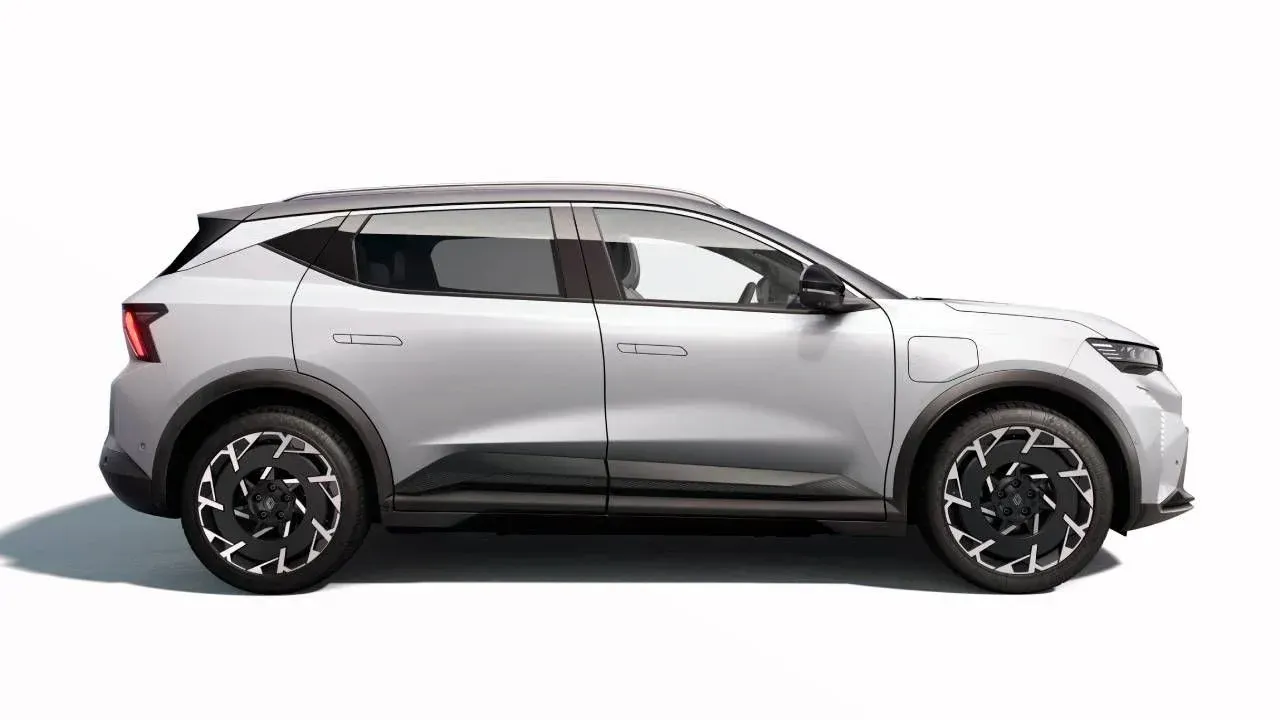
The new Renault Scénic features numerous equipment upgrades
The Techno trim includes a new PET fabric with over 95% recycled fibers, combined with a textured finish that contains at least 12% recycled material. The dashboard has a black finish. The top-of-the-line Esprit Alpine trim features an interior decoration with a 'spectral titanium' effect, using at least 75% recycled material.
Outside, we find two new colors (Satin Anthracite Blue and Exo Galaxy Gray). The 19-inch and 20-inch tires feature a new design. Additionally, the Adaptive Cruise Control and Active Driver Assist have been upgraded to provide a more detailed analysis of the surroundings. The Multi Target function, among other things, tracks multiple vehicles simultaneously to better anticipate merges, lane changes, or decelerations.
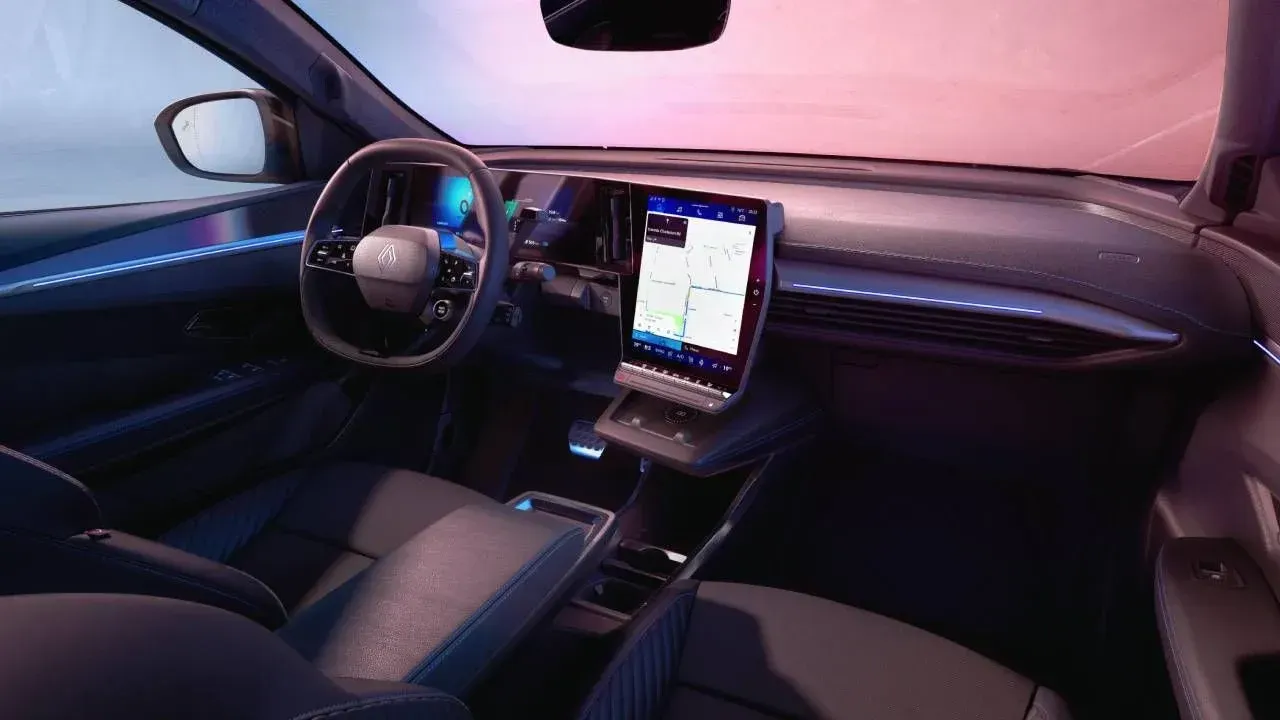
The new Smart driving mode replaces the previous Perso and can intelligently switch between Eco, Comfort, and Sport modes. A driver monitoring system has also been introduced, which can detect fatigue and distraction using a camera. Additionally, the camera allows for adjusting various vehicle parameters by recognizing the person at the wheel.
Last but not least, we must mention the inclusion of Google Gemini’s artificial intelligence assistant, as well as a Qi2 standard wireless charger for smartphones. The 67 kWh version starts at 39,900 euros (30,660 euros after promotional campaigns, financing discounts, CAE, and Plan Auto+ incentives), while the 89 kWh version costs 45,085 euros (35,330 euros after promotional campaigns, financing discounts, CAE, and Plan Auto+ incentives).
Source | Renault
