
The new problem with electric cars isn’t the batteries: repair shops can’t fix them.
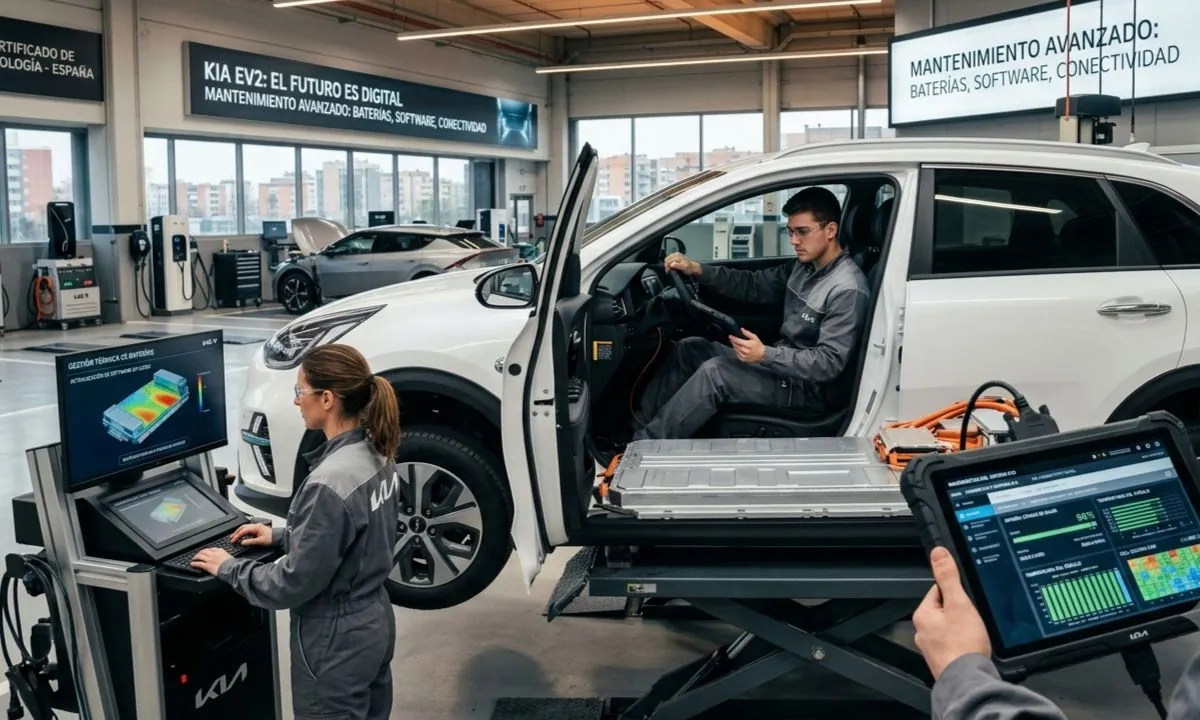
An increasing number of independent garages are starting to turn down jobs on electric and hybrid vehicles. This might seem strange at a time when such vehicles are becoming more common on roads, but there’s an underlying issue that goes far beyond simply having a lift and the right tools.
According to the latest data published in the UK by LKQ Euro Car Parts, nearly 9 out of 10 independent garages have had to reject or refer jobs related to electric and plug-in hybrid vehicles over the past six months. The reason isn’t necessarily that they don’t want to work on them, but rather that in many cases they lack access to the necessary data, diagnostic equipment, or technical information to do so.
Current electric cars are much more sophisticated machines from an electronic standpoint. In addition to traditional automotive systems, they include high-voltage batteries, electric motors, inverters, battery management systems, numerous electronic modules, and an increasing amount of software. And working on certain high-voltage components requires specific training and procedures.
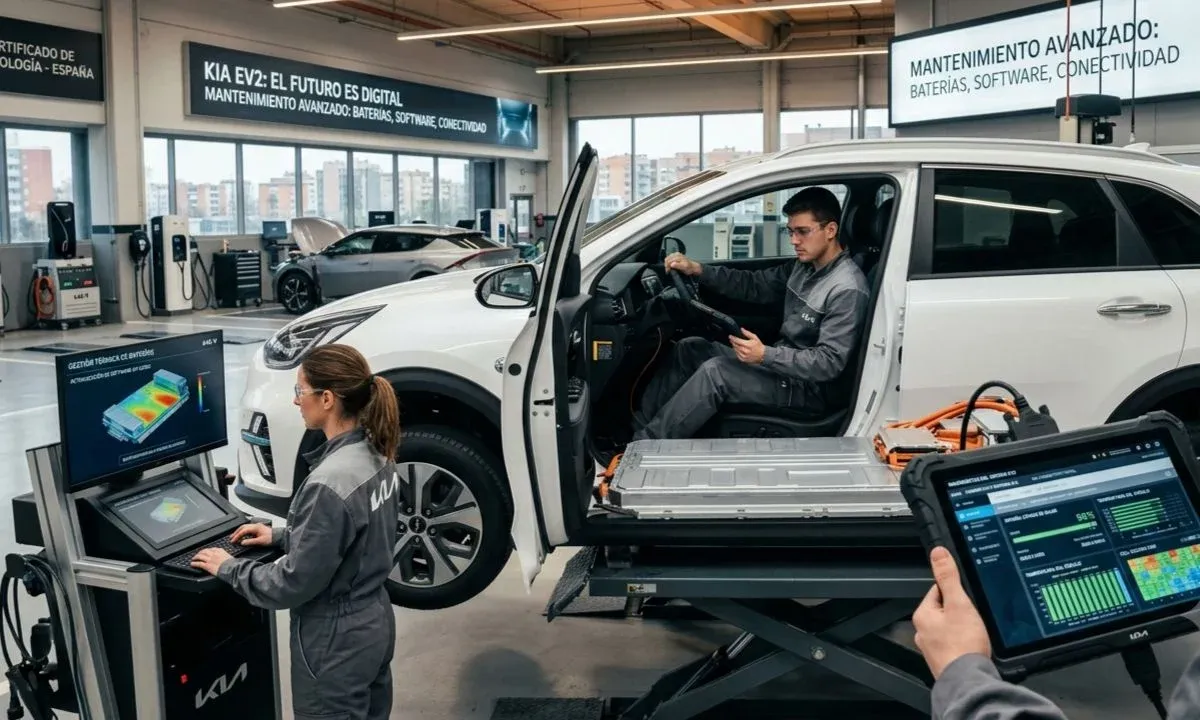
Therefore, it cannot be assumed that any shop that has been repairing gasoline and diesel cars for decades can automatically work on electric vehicles. A skilled mechanic may have extensive experience yet still lack the training or equipment needed to safely work on certain systems in an electric car.
The problem becomes even more complicated when an electrical fault occurs. In some models, especially those from newer brands, independent shops struggle to access the data and diagnostic systems required to identify the source of the issue. As a result, a car that could previously go straight to the owner’s trusted mechanic might end up being sent to the official service center.
And here too, there is a part of the responsibility that falls on the drivers themselves. Just because a repair shop refuses an electric car does not mean it cannot be repaired. It means that particular establishment lacks the necessary tools, information, or expertise to do so. In such cases, the alternative is to turn to the manufacturer or find an independent shop specialized in electric and hybrid vehicles.
In the UK, for example, there are specific qualifications from the Institute of the Motor Industry (IMI) for working with high-voltage systems. Its level 4 training focuses on diagnosing, testing, and repairing high-voltage electrical systems and components, including work on systems that may still be energized.
The issue is that this entire adaptation process requires time and money. An independent workshop must train its employees, acquire specific tools, protective equipment, and diagnostic systems, and also cover the time their workers spend away from work while receiving such training. A report by Autotech Training highlights exactly the cost involved for these businesses in sending a technician for training.
This partly explains the current situation. Shops know that electric vehicles will account for an increasingly larger share of their business, but many are still going through the process of deciding how much and when to invest. As more electric and hybrid vehicles arrive at their facilities, the economic incentive to have trained staff and specialized equipment will also increase.
In fact, the industry itself is already working to meet this need. The Independent Garage Association offers specific programs to train professionals in diagnosing and repairing high-voltage systems, while organizations like HEVRA bring together specialized shops that already have the training, tools, and technical support needed to work on electric and hybrid vehicles.
But there is another issue that may prove even more difficult to resolve: access to technical information. LKQ data shows that more than one in four independent repair shops believes the difficulty in accessing diagnostic systems for newer brands is hindering new investments in their facilities.
This directly affects the owner. If an independent repair shop cannot access the necessary information to diagnose a fault, the usual alternative is to send the car to the manufacturer or a shop that does have such tools. The result can be more expensive repairs and, most importantly, less freedom to choose where to service or repair the vehicle.
LKQ estimates that this situation could force British drivers of electric and plug-in hybrid cars to bear hundreds of millions of pounds in additional maintenance costs by having to use official dealerships. The company initially estimates the impact at over 260 million pounds and warns it could rise to 550 million pounds if the price gap between independent shops and official services persists.
That doesn’t mean independent workshops are ignoring the arrival of electric cars. On the contrary, industry insiders claim that investment in training, tools, and equipment is already underway, but such investment only becomes feasible if professionals also have access to the technical data and information they need to work.
This suggests that government or EU action may be necessary to regulate this area, ensuring that the maintenance and repair of electric cars are not reserved solely for dealerships, which would reduce competition and likely raise prices for consumers.