
The new Polestar 2 will be completely transformed: 800 volts and greater range
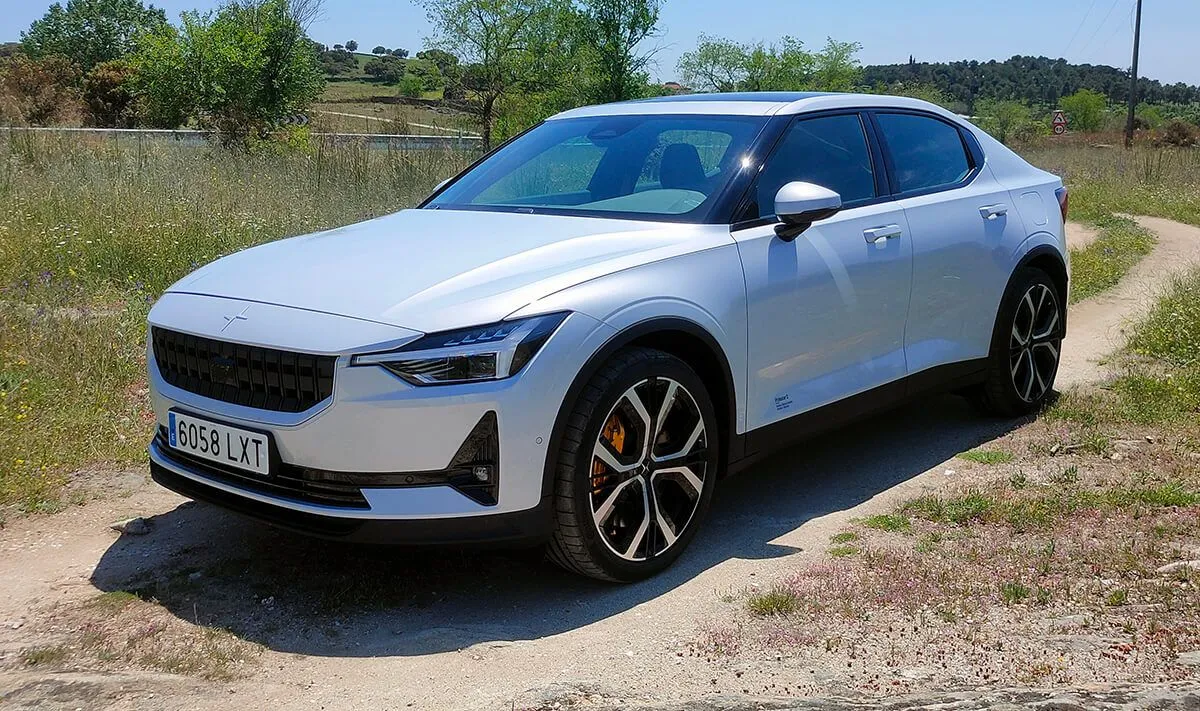
The Polestar 2 is set to undergo one of its most significant updates since it entered the market. This electric sedan from the Swedish brand has been on sale for several years, and although it has received various upgrades over time, the advancement of technology in its competitors is putting it at a more difficult position compared to models like the new BMW i3.
The next generation will bring much more substantial changes. Polestar is preparing a new platform, new engines, and a new generation of batteries, along with a design that will abandon many of the features from the current model to align more closely with the look of the brand’s latest releases.
And there is a rival who clearly stands in its crosshairs. The new Polestar 2 aims to compete with the BMW i3, an electric sedan that will come equipped with particularly advanced technology, forcing Polestar to make a significant leap forward.
A completely new Polestar 2 to take on the BMW i3
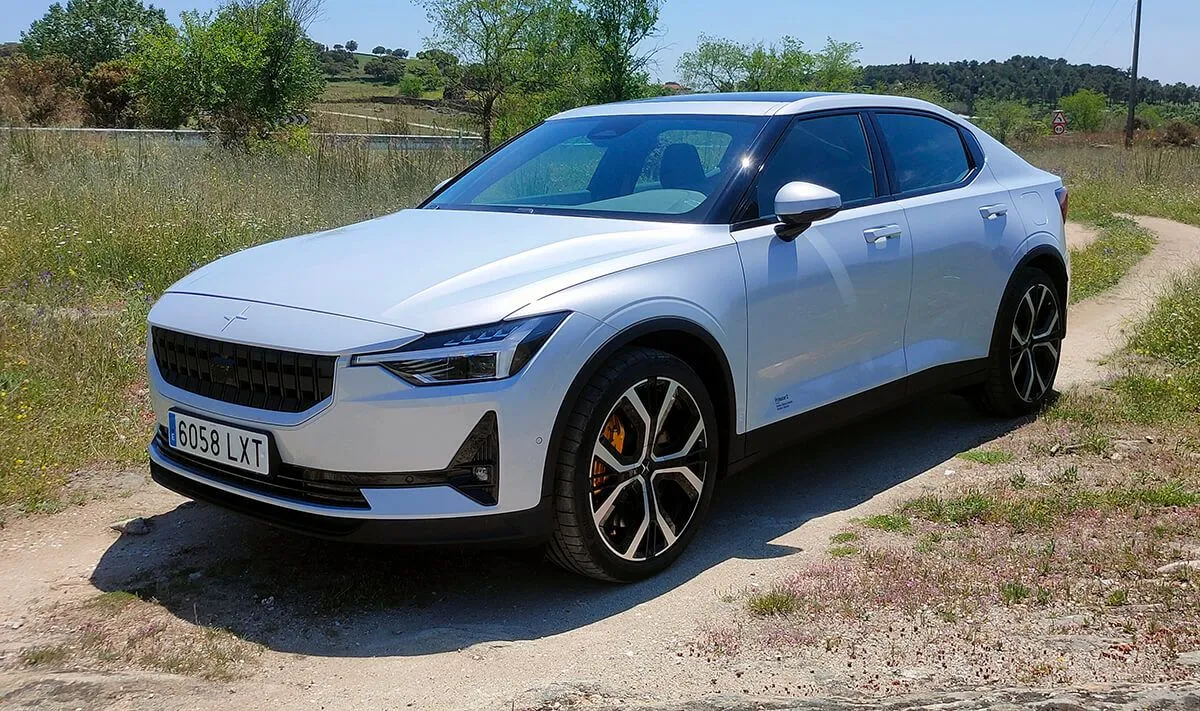
The current Polestar 2 traces its origins back to 2016, when it was still known as the Volvo Concept 40.2, a prototype developed before Polestar became an independent brand. The production model finally arrived in early 2019, and since then it has received various updates to remain competitive.
But the market has changed a lot since then. When it arrived, the Polestar 2 positioned itself as a technological and design alternative to models like the Tesla Model 3. Over the years, however, competitors have emerged with more modern platforms, higher-capacity batteries, advanced electric architectures, and significantly shorter charging times.
The second generation aims to address many of these shortcomings. Polestar has already shown an early preview of the new model, and everything suggests it will be lower, wider, and visually closer to recent Polestar models, especially the Polestar 4 and Polestar 5.
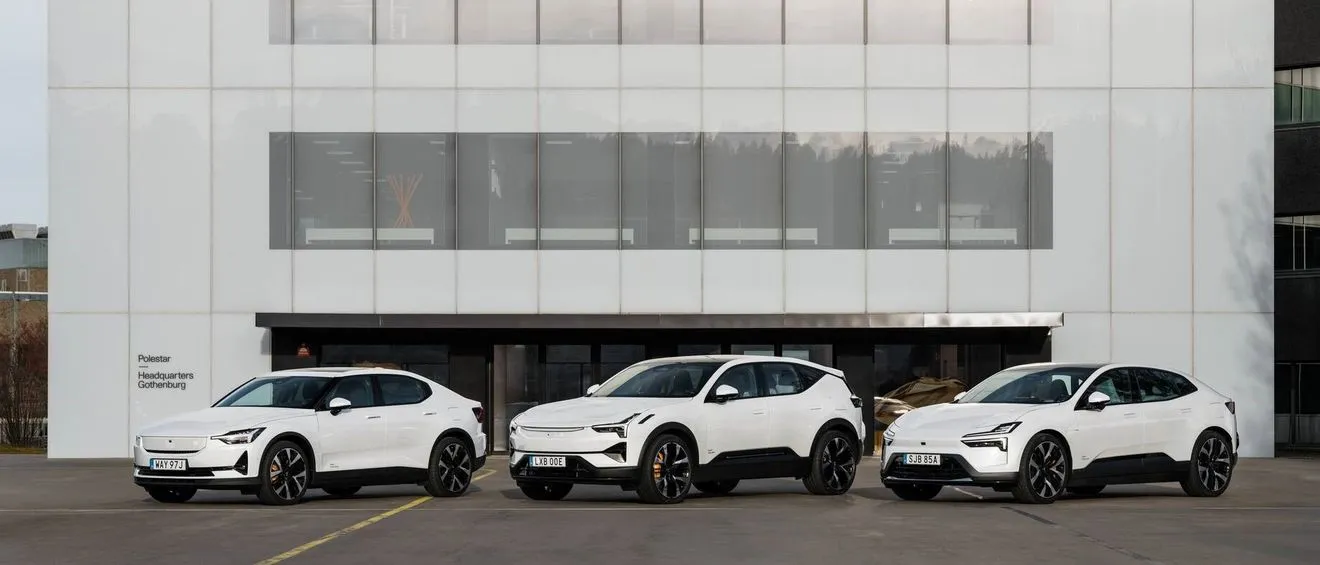
The brand will also use a new flexible platform that won’t be limited to the Polestar 2. This architecture will serve as a foundation for other future models, including the Polestar 7 SUV scheduled for 2028, allowing much of the technology to be shared and development costs reduced.
But the most interesting change will be under the hood. Polestar will apply the experience gained from developing the Polestar 5 to the new model, especially in areas related to dynamic performance. The brand is working on new steering solutions and active suspension systems, technologies that should enable the new sedan to have more precise handling without needing to become an extremely aggressive vehicle.
Polestar’s driving dynamics lead, Joakim Rydholm, has made it clear that the BMW i3 plays a significant role in the development of the new model. The company wants the new Polestar 2 to be able to compete with the next generation of this German sedan, especially in terms of driving dynamics.
Charging technology will represent another major advancement. The new Polestar 2 will feature an 800-volt electric architecture, a solution that will allow for significantly faster charging speeds compared to the current model. So far, Polestar has not confirmed the maximum power it will support, though one of its benchmarks is the new BMW i3, which can achieve charging speeds of up to 400 kW.
The final figures for the power, battery capacity, or range of the new Polestar 2 are still unknown. The benchmark remains the BMW i3, which can achieve a WLTP range of up to 900 kilometers. This figure sets a very high standard for any competitor aiming to operate in the same segment.
For now, Polestar has not confirmed that the new 2 will reach such a range, so we will have to wait until its launch to learn the final specifications. What is clear, however, is that the brand does not intend to settle for just a cosmetic update to the current model.
The new Polestar 2 will be a completely revamped car, featuring a different platform, advanced electric technology, and significant improvements in design. The arrival of the BMW i3 has raised expectations for premium electric sedans, and Polestar seems determined to respond with a generation that must compete in a market vastly different from the one the original model entered in 2019.
The launch of the second generation is scheduled for 2027. Until then, some key specifications that will determine the new model’s capabilities remain unknown, especially its power output, battery capacity, certified range, and maximum charging speed.
