
BMW's new leader wants a faster-moving brand: less bureaucracy, 8,000 fewer employees, and the Neue Klasse as its driving force.
25/10/2026 13:00
Updated to
25/10/2026 13:00
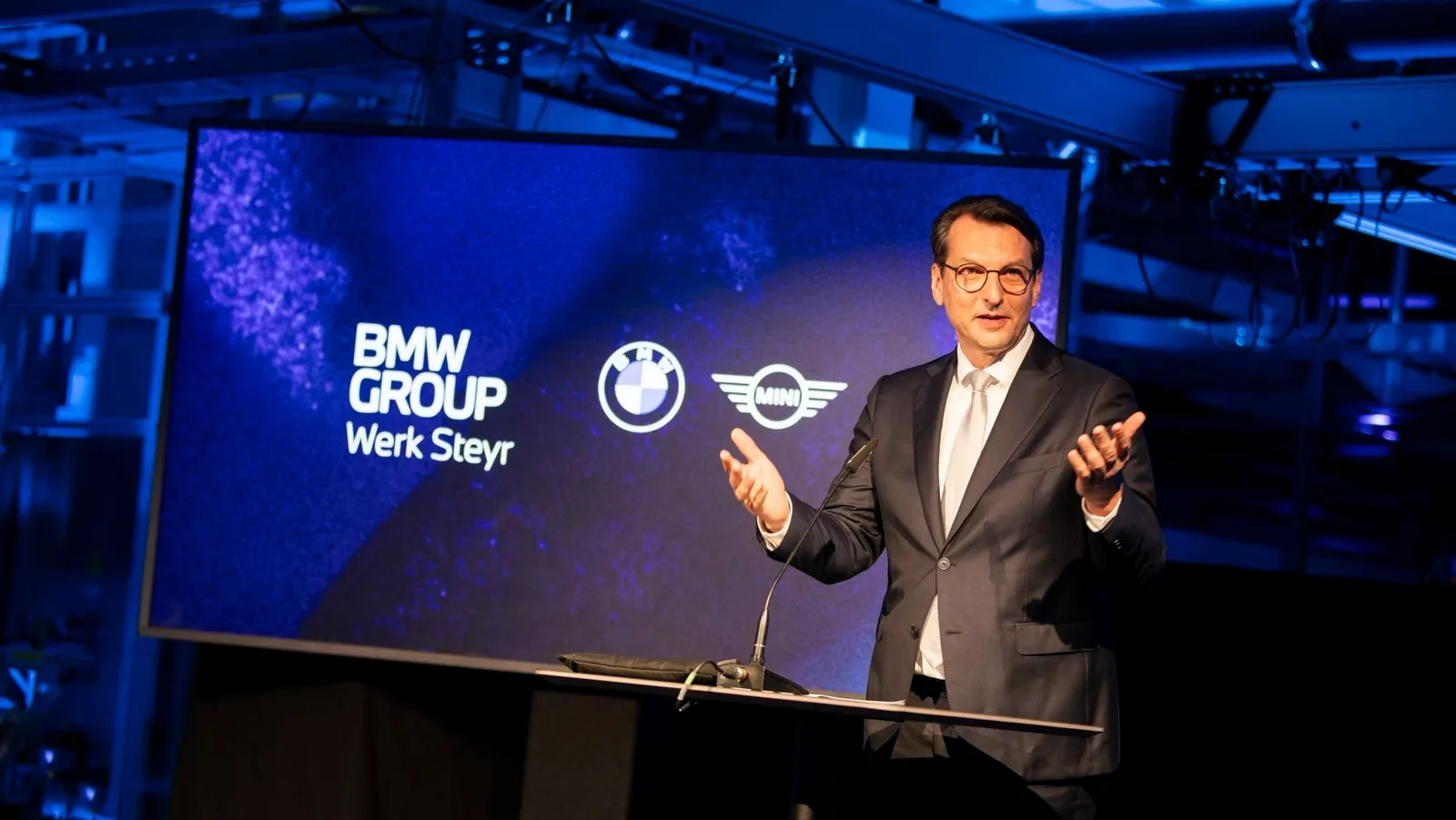
Getting a Munich giant to move with the agility of a young company is not easy, but that is exactly what Milan Nedeljković, BMW’s new CEO, has set out to achieve. The engineer, who replaced Oliver Zipse on May 14 after years as the group’s production head, wants to transform processes, streamline the management structure, and give more responsibility to each employee. He summarizes it in one sentence: “My main goal is to make BMW more agile.”
Why now? According to him, the environment has changed drastically and new competitors have entered the market. The adjustments will not be cheap: the plan includes cutting up to 8,000 jobs worldwide, mainly in administration, development, and project planning. Factory workers are excluded from these cuts, and an agreement with the workforce rules out forced layoffs.
The Neue Klasse sets the pace
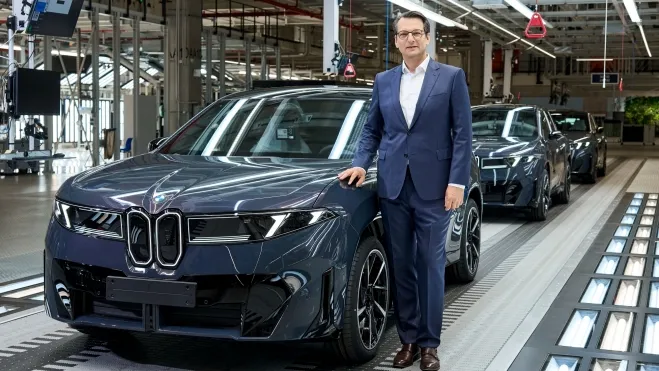
The core of the future plan are the technologies of the Neue Klasse, designed primarily for electric cars. The first model to feature them was the BMW iX3, and by the end of 2027, the brand plans to launch 7 new models.
Nedeljković wants to accelerate development and use artificial intelligence to achieve this. However, he sets a limit: he won’t accept speeding up at the expense of quality, safety, or innovation. Designing a car in 18 months doesn’t seem like the right approach to him. BMW is expected to perform better than its competitors, and the brand doesn’t want nor can it lose that reputation.
China exerts pressure, including on Mini
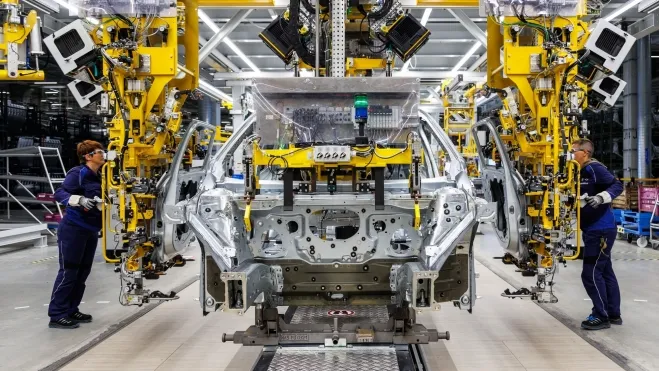
Nevertheless, the situation in China is very delicate. BMW faces strong pressure from competition and price wars, which are affecting its profits. Still, the brand is confident it can make money there with the Neue Klasse. The iX3 has already started selling in China, and the new BMW i3 will follow soon, having already set several records.
Mini’s subsidiary is also feeling the impact of price wars in the Chinese market. Nedeljković notes that the brand has a large fan base there and wants to give it a new boost. He refused to offer any hints about possible changes in its next generation of models.
Nedeljković argues that some Chinese cars are sold in Europe at prices that make no economic sense. But he doesn’t call for more barriers. He opposes new tariffs and prefers voluntary agreements based on fair rules for everyone. The European Union has already been imposing additional tariffs of up to 35.3% on electric vehicles made in China since late 2024, and it now plans to apply similar rates to hybrids and plug-in hybrids from the Far East.
A plea to Germany and Europe
Beyond his own company, BMW’s leader calls for better conditions for research, development, and industrialization in Germany and Europe. His list includes well-targeted subsidies, attractive labor costs, more flexible working hours, and cheaper energy. He also criticizes the 35-hour work week, arguing it hinders new industries competing globally to get there first. “We need speed,” he insists, referring to technologies such as chips and autonomous driving systems.
Source: Faz.net