
The new Hyundai Tucson hybrid reveals its fuel efficiency: 5.75 liters/100 km and more power than the current model
22/09/2026 15:00
Updated to
22/09/2026 15:00
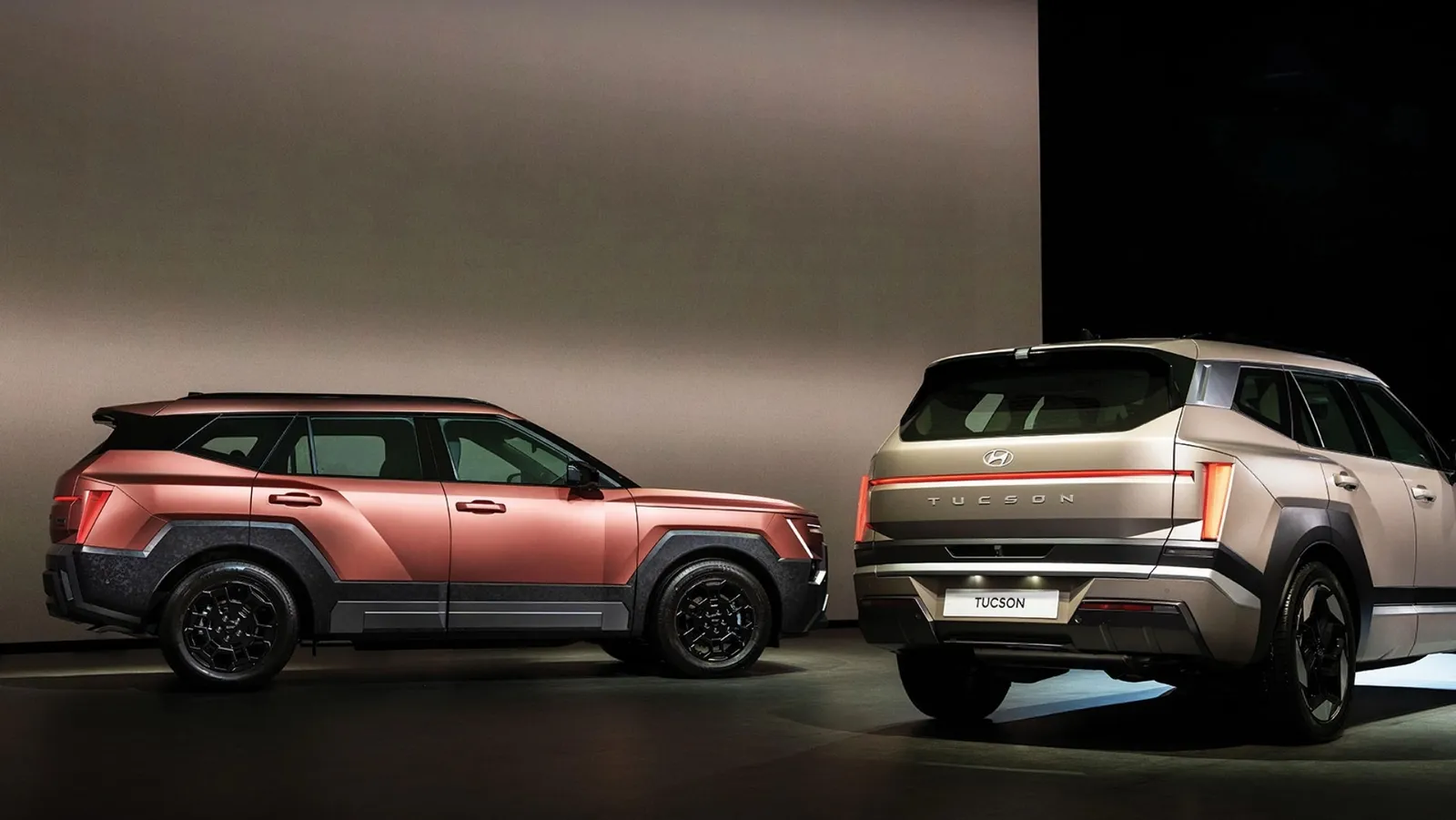
When a brand’s sales decline sharply, it isn’t always necessary to launch a revolutionary car to reverse the trend—sometimes simply updating the model that already performs best is sufficient. This is Hyundai’s strategy with the fifth generation of the Tucson, unveiled in Paju, Gyeonggi province, six years after the previous version arrived. This compact SUV is Hyundai’s most important vehicle worldwide, a true sales success that faces fierce competition from Chinese rivals.
The launch comes at a particularly delicate time for the Korean manufacturer. Hyundai’s sales in South Korea dropped by 41.1% in August compared to the previous year, reaching their lowest level in 11 years, largely due to production disruptions caused by a prolonged labor strike. In this context, having a high-volume model with a relatively affordable price like the Tucson is crucial for providing an immediate boost to the brand’s global sales.
Two powertrains, with the hybrid as the star
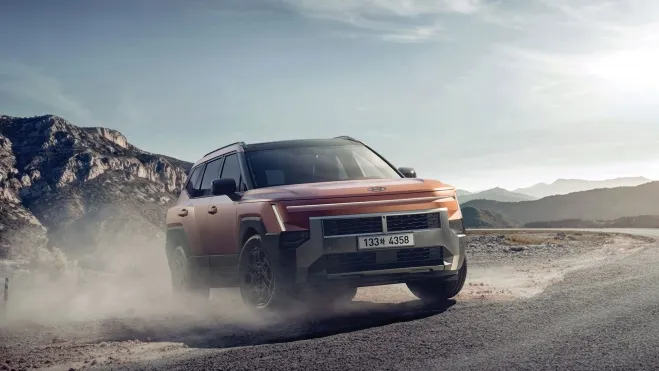
In terms of mechanical specifications, the new Tucson will be available with a 1.6-liter turbocharged gasoline engine and a hybrid version featuring the same 1.6-liter turbocharged engine. According to data provided by the manufacturer, the hybrid version delivers a maximum combined power of 245 horsepower, just 6 horsepower more powerful than the current model, and achieves a combined fuel consumption of 17.4 kilometers per liter, or 5.75 liters per 100 kilometers.
The hybrid system also includes a “Stay Mode” that allows the air conditioning and infotainment system to remain operational with the engine off while the vehicle is stationary. According to Hyundai, this feature aims to bring the driving experience of a gasoline SUV closer to that of an electric car. The current Hyundai Tucson hybrid has an official combined fuel consumption range of 5.6 to 6.5 liters per 100 kilometers, depending on the selected version.
Enhanced safety features, focusing on maneuverability
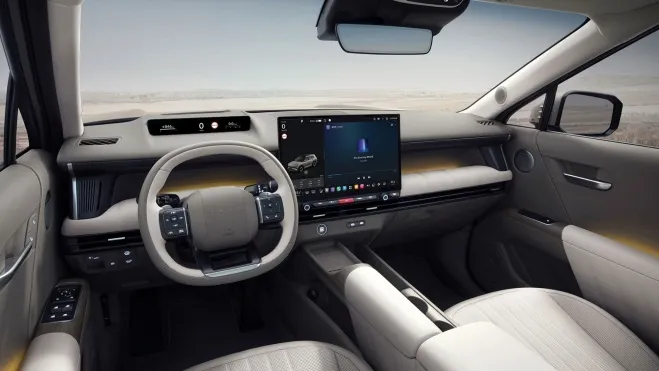
Safety is another key aspect of this renewal. The Tucson features a dual-power system for unlocking doors, allowing occupants to open them using backup power even if the main supply is cut off after a collision. Standard across all trims are also pedal misstep safety assistance and forward driving collision prevention assist. Additionally, it includes a reverse parking assist system that can remember the vehicle’s previous trajectory and automatically control steering, designed to make it easier for larger SUVs to maneuver in tight spaces.
Beyond its mechanical aspects, the Tucson represents a significant step in Hyundai’s strategy toward software-defined vehicles. It is the first SUV from the brand to feature Pleos Connect, the group’s latest connected platform, along with the generative AI assistant Gleo AI, which can engage in continuous conversations and handle tasks beyond basic vehicle control, such as information searches or travel recommendations. Prior to the Tucson, Hyundai had already integrated this platform into the refreshed Grandeur and the redesigned Avante.
Prices in October, arrival in 2027
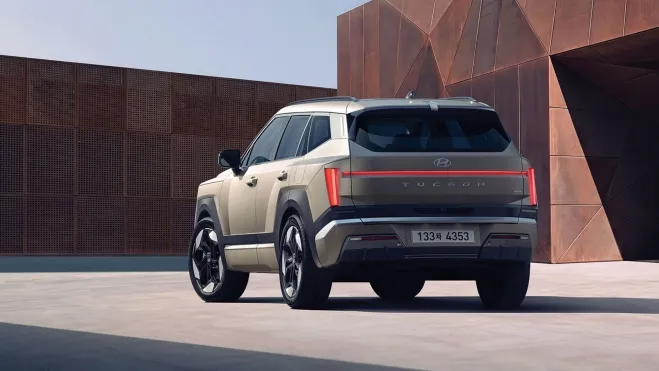
Aesthetically, the new Tucson shares design lines with the Avante, both following Hyundai’s “Art of Steel” philosophy, which gives the SUV a more angular and muscular appearance. Hyundai has combined these aesthetic changes with tangible improvements that benefit buyers, including a larger interior space and a wider range of standard safety and comfort features.
Hyundai plans to announce the price of the new Tucson in October, when sales will begin in the domestic market. It won’t be until the end of the year that we’ll know the prices for Spain. It won’t arrive at dealerships until early next year. According to a brand official, “with this complete model change, the new Tucson has managed to innovate in design, space, electrification, and digital technology,” aiming to “set a new standard in the compact SUV market with the highest product competitiveness in its class.”