
The new Hyundai Kona makes its debut in Spain, revealing what the next generation of this popular compact SUV will look like
When the first Hyundai Kona was introduced in 2017, it was a relatively small B-SUV, measuring just over 4.16 meters in length. Almost from the start of its commercial production, it came with a 100% electric variant, as the Korean brand was focusing on multi-energy platforms through models like this one and the first Ioniq.
Although the introduction of Hyundai’s E-GMP electric platform with the IONIQ 5 marked the beginning of its dedicated electric vehicle lineup, the second-generation Kona (2023) remained a multi-energy vehicle. The main difference from its predecessor is its size, as it is now a C-SUV measuring 4.35 meters in length.
All indications suggest that the third-generation Kona will grow significantly again. With the launch of the new Tucson, which measures 4.70 meters in length, the Kona will need to fill the gap left by its larger sibling in the heart of the C-segment market. The B-segment will be covered by the Bayon, whose next generation is also currently in development.
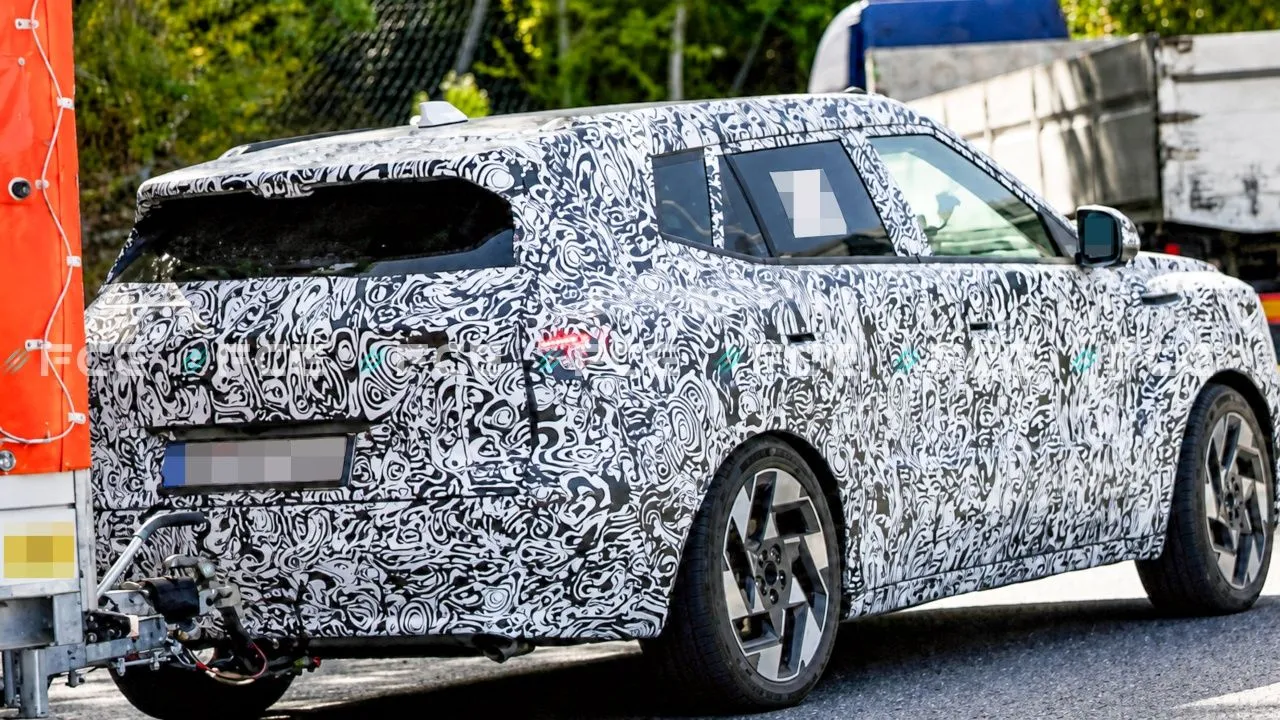
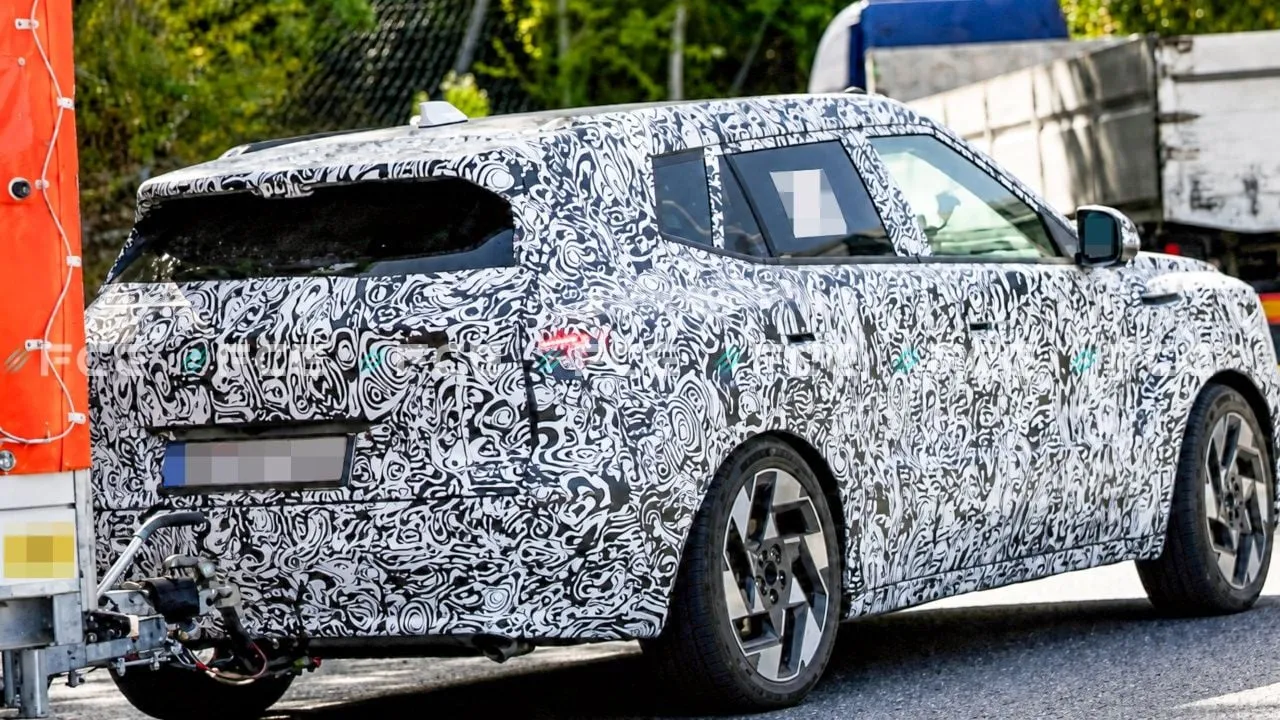
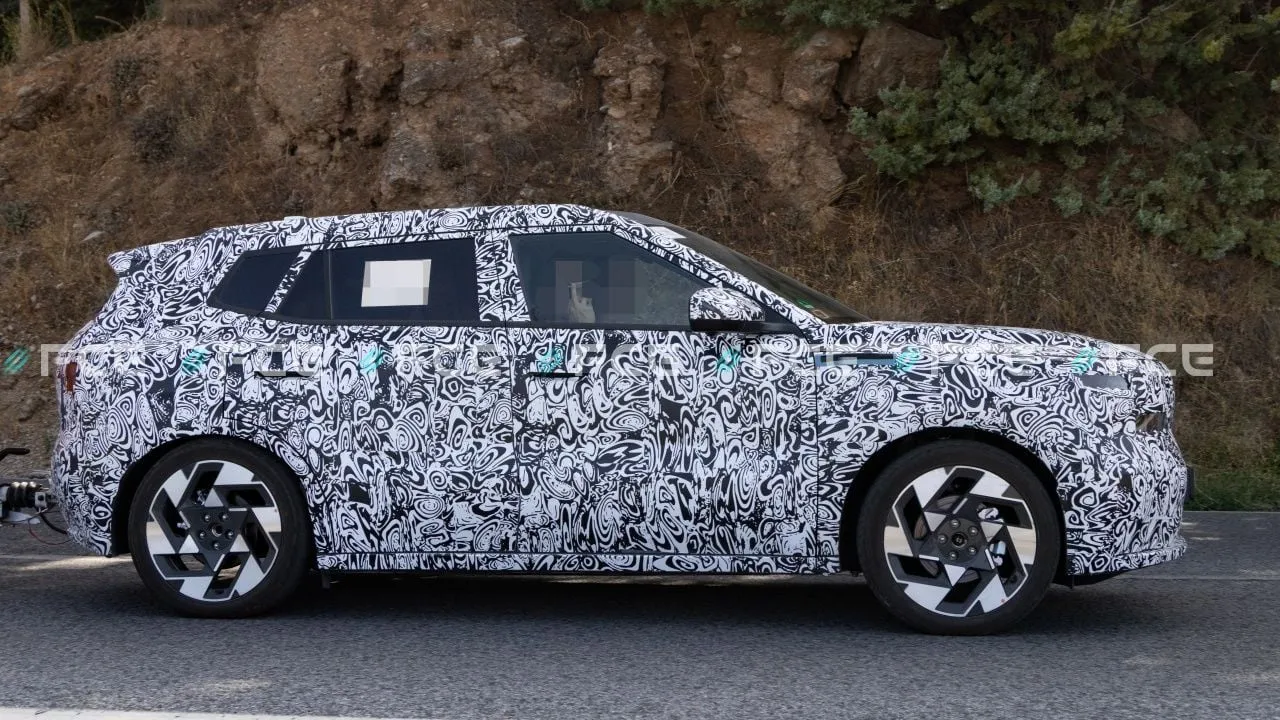
In the spy photos we present to you today (taken in Spain), it is clear that the new Kona will not only get larger but will also feature a design very different from the current model. Hyundai’s design philosophy is known for being little consistent from one generation to another, so such a radical change shouldn’t come as a surprise.
Will there still be an electric version of the Hyundai Kona?
The new Kona will have more straight-line shapes than its predecessor, featuring a bulkier and less organic silhouette. It will have a relatively high front end with a very horizontal hood designed to give it a more robust appearance. That said, aerodynamics will still be well considered, as shown by the use of recessed handles on the doors.
What is still unclear is whether a fully electric version will continue to exist or if, as has recently happened with the KIA Niro, only hybrid powertrains will be pursued. Currently, Hyundai has no models between the IONIQ 3 and IONIQ 5; however, a hypothetical IONIQ 4 could well fill the gap left by the electric Kona.
That said, we shouldn’t rule out the possibility that the electric Kona could be indirectly replaced by a plug-in hybrid Kona, a technology that is beginning to gain traction in certain markets and would allow Hyundai to offer an intermediate option between the hybrid Kona and a hypothetical electric C-SUV in the IONIQ lineup.