
Fiat’s new CEO attacks Euro NCAP and its 5-star rating: “Very few manufacturers take it seriously.”
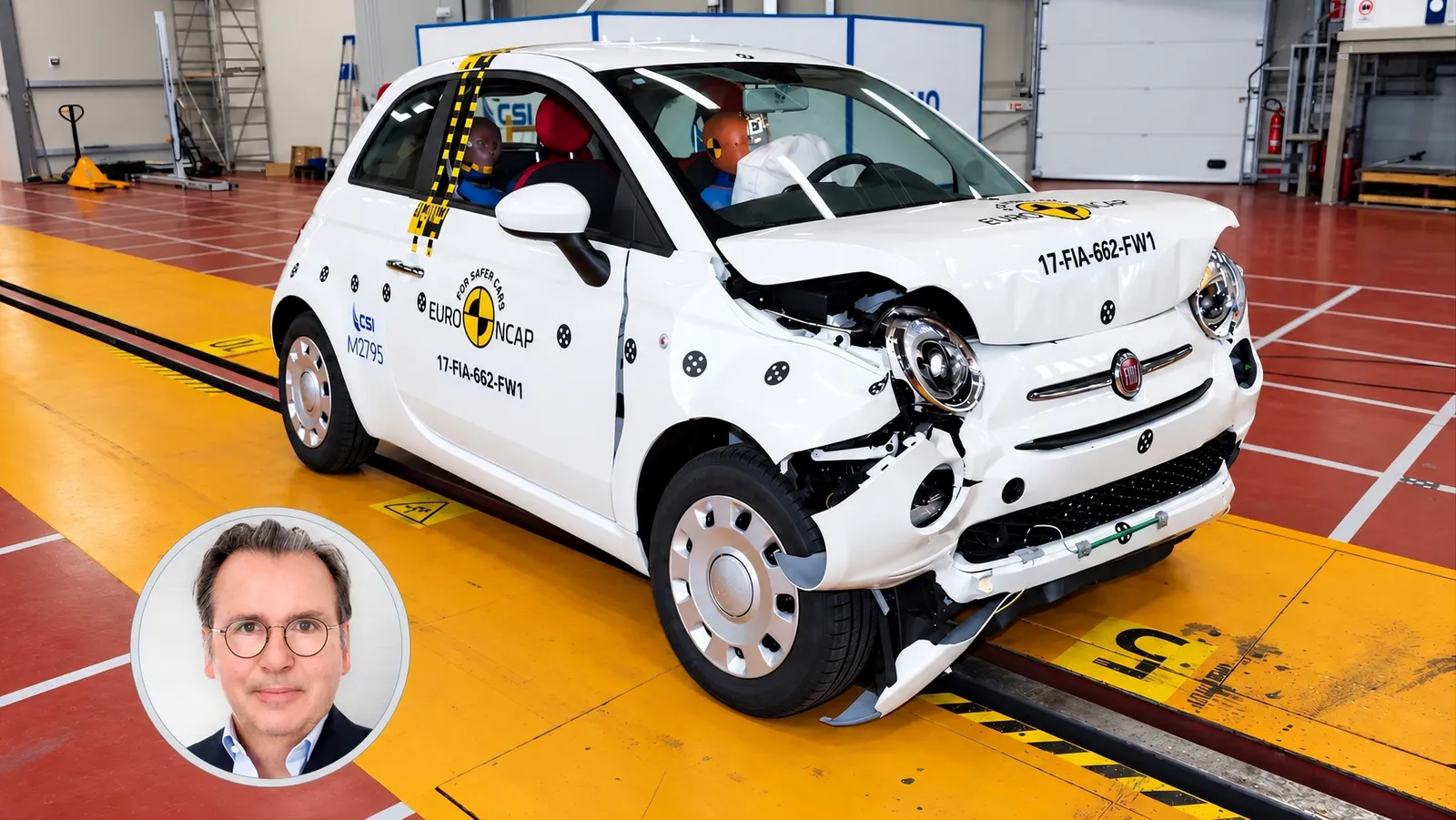
Euro NCAP safety tests have become one of the key benchmarks for assessing the level of protection offered by new cars in Europe. Achieving the highly sought-after five stars is often a source of pride for manufacturers, who use these results as a marketing advantage to highlight the safety of their models. However, Fiat’s new top executive has questioned the importance that the industry itself attaches to these ratings.
Arnaud Belloni, appointed CEO of Fiat, Abarth, and Lancia last September, has made particularly strong statements about Europe’s vehicle safety assessment system. In an interview with the British publication Autocar, he claimed that Euro NCAP ratings no longer carry the same weight as in previous years, and that the constant changes in its criteria have ended up confusing consumers.
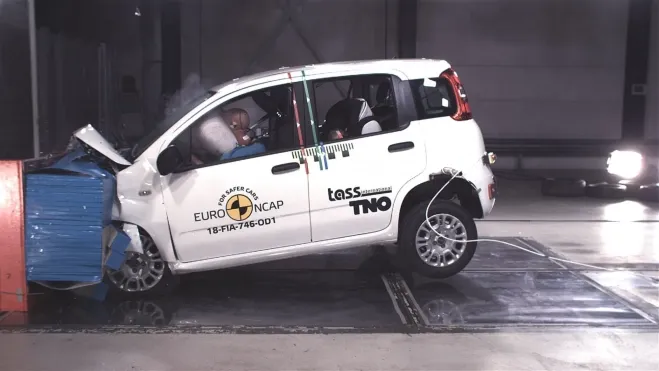
"I have been working in this industry for 35 years, and Euro NCAP has existed almost from the beginning. I can assure you that very few manufacturers take it seriously," said Belloni. The executive claims that brands do not shape their strategies based on their rankings in these assessments, and he believes consumers also do not fully understand the results.
Fiat’s CEO questions Euro NCAP’s five stars
Fiat’s new leader has not hidden his dissatisfaction with the evolution of European safety testing. In his view, one of the main problems lies in the periodic changes to the evaluation protocols, which cause vehicles previously considered very safe to receive lower ratings when tested under more stringent criteria.
"I don’t know how to be politically correct, but Euro NCAP exists and customers no longer understand it. They’re completely lost," explained Belloni. The executive attributes this situation to the organization’s revised requirements, which can cause a car that previously received five stars to get three or even two stars in a later evaluation.
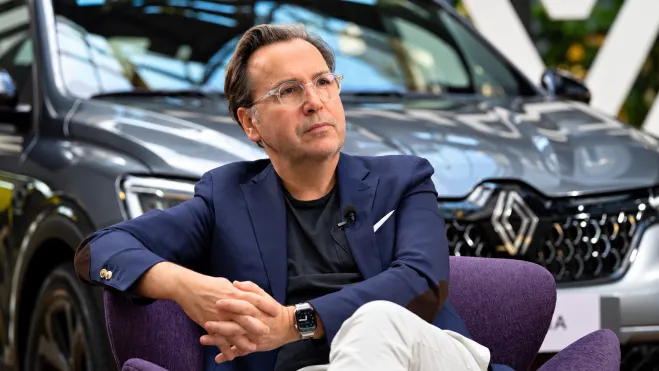
For Fiat’s CEO, this development has ultimately reduced the usefulness of ratings as a reference for buyers. “Manufacturers don’t base their strategy on their rankings. Customers aren’t aware of this because they’re confused, so it’s not important,” he added. These words directly question the commercial value of a system that has contributed to improving car safety for decades.
The ratings are particularly noteworthy because Euro NCAP does not merely assess a vehicle’s resistance during an accident. Its protocols also take into account the protection of occupants, the safety of vulnerable road users, and the effectiveness of various technologies capable of preventing accidents. Indeed, the growing importance of these assistive systems is one of the factors that can influence the scores of even the most affordable cars.
Fiat is developing an even cheaper electric car
Belloni’s statements come at a particularly important time for Fiat’s strategy, which is working on developing a small electric car aimed at entry-level markets. This future model could fit into the new European category for affordable electric vehicles, an initiative designed to facilitate the sale of cheaper cars and reduce barriers to entering the electric mobility market.
One of the main challenges for manufacturers is keeping production costs down without violating the safety requirements set by European legislation. To achieve more competitive prices, these vehicles might include fewer driving assistance systems or omit certain advanced features, a decision that could result in lower Euro NCAP ratings compared to more expensive models.
In fact, the new Fiat CEO’s remarks came when he was asked precisely about this possibility: whether developing an affordable electric vehicle would mean accepting a lower score in safety tests. His response suggests that the company does not believe achieving the top five-star rating necessarily has to dictate the creation of a vehicle aimed at offering a lower purchase price.
Belloni also believes that consumers trust that modern cars provide adequate levels of protection thanks to regulatory requirements. In his view, buyers are aware that manufacturers have been improving both the safety and environmental impact of their vehicles for years, so they don’t need to rely solely on a star rating to assess these advancements.
However, it’s important to distinguish between the homologation requirements that every new car must meet and the independent tests conducted by Euro NCAP, whose protocols may demand protection levels higher than the legal minimums. A car can be sold legally even if it doesn’t earn five stars, but that doesn’t mean all vehicles offer exactly the same level of safety.
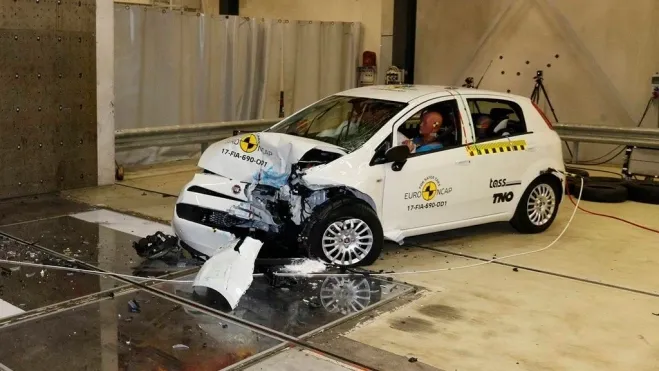
Belloni’s remarks have sparked a debate of particular relevance to the future of affordable electric cars in Europe. As manufacturers seek ways to reduce prices and compete with new Chinese brands, Euro NCAP continues to raise its standards to encourage the adoption of safety technologies. These two goals are not necessarily incompatible, but reconciling them could become one of the major challenges in the years to come.