
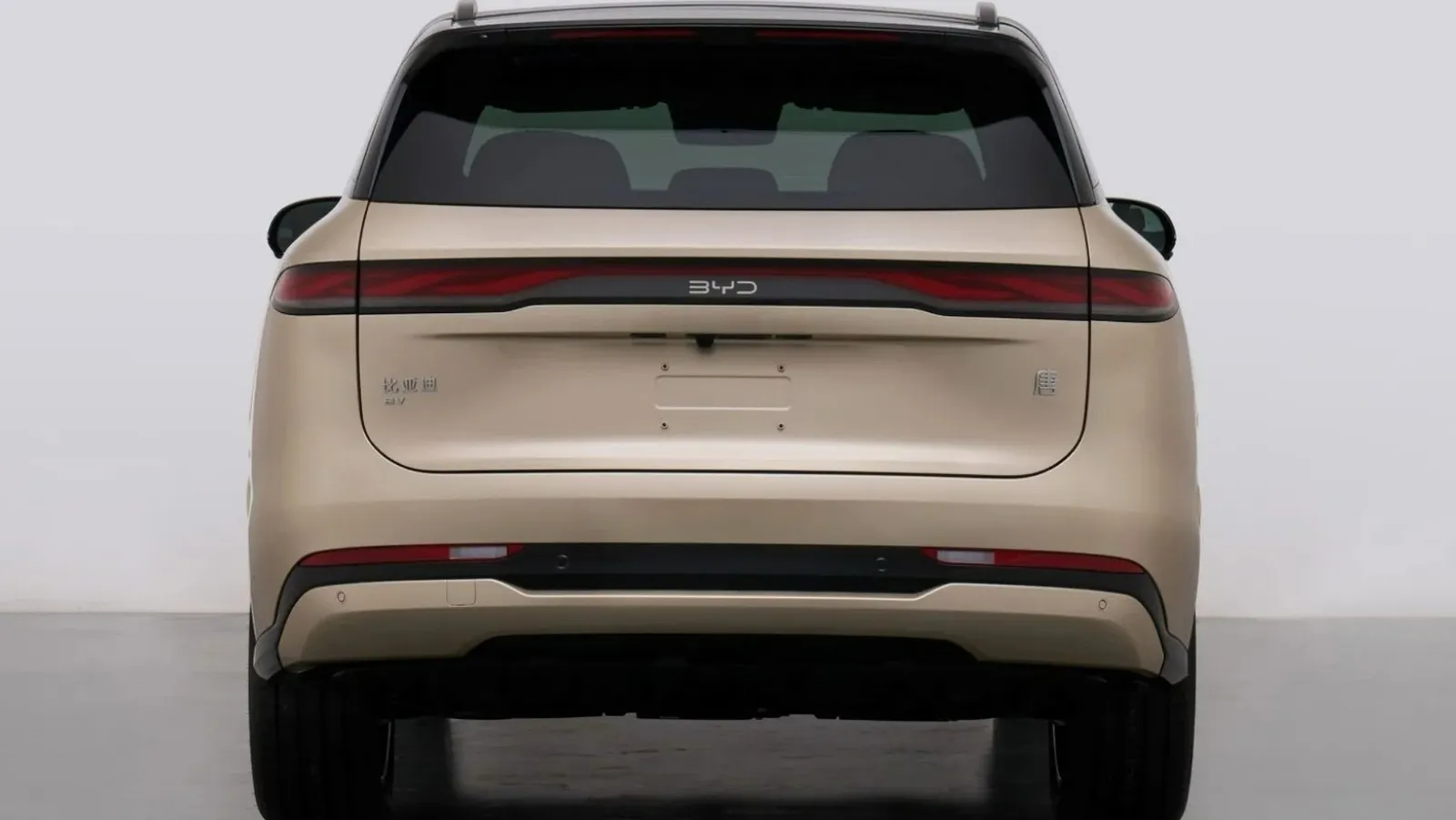
The new BYD Tang electric model is 145 mm longer, features two 700 CV engines, and achieves a top speed of 250 kilometers per hour.
19/10/2026 14:00
Updated to
19/10/2026 14:00
Although the Tang is no longer BYD’s largest SUV, with that title now belonging to the BYD Da Tang, it doesn’t prevent its next generation from growing in every aspect. Its upcoming electric version has just appeared on China’s Ministry of Industry and Information Technology (MIIT) listing, a prerequisite for sales, in a dual-motor all-wheel-drive configuration.
The details show a clear shift in focus. The new Tang EV gains more power, speed, and size, but it loses the third row of seats, leaving it with only five seats. It’s important to note that this is a proposed listing, not an official approval for production, so some details may still change. Given its dimensions, it would be unusual for BYD not to offer a version with three rows of seats.
Two Different Engines to Combine for 700 HP
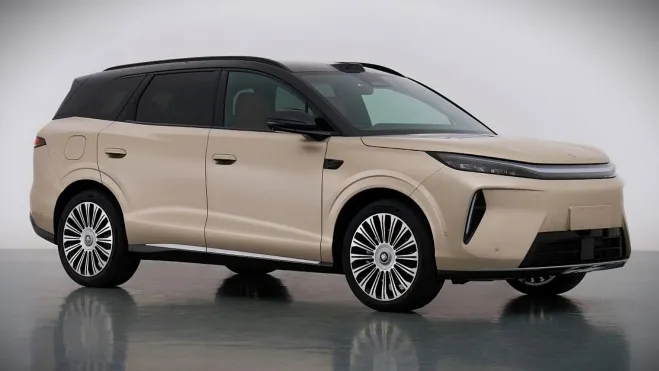
According to its official specifications, the combined maximum power is 700 horsepower. The front axle features an asynchronous engine with a peak power of 292 horsepower and 102 hp at rated conditions, manufactured by FinDreams, BYD’s components subsidiary. At the rear is a permanent magnet engine with a maximum output of 408 horsepower and 204 hp at rated conditions, produced at BYD’s factory in Xi’an.
Mixing the two types of motor is a common solution in high-performance electric vehicles. The asynchronous motor generates little resistance when not in use, allowing the car to move forward at low speeds using just the rear motors, with the front motors kicking in when needed. Together, they enable a certified top speed of 250 kilometers per hour, 70 km/h higher than the current all-wheel-drive version.
Larger in length and width, with five seats
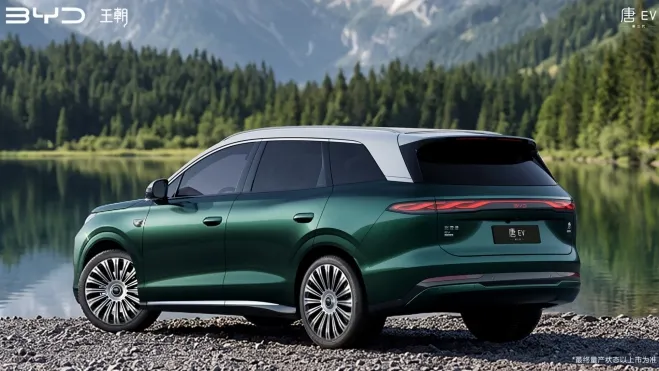
The new Tang boasts dimensions of 5,045 mm in length, 1,980 mm in width, and 1,740 mm in height, with a wheelbase of 2,950 mm. It is 145 mm longer and 130 mm wider than the previous generation. The track width is 1,700 mm on both axles, with fenders measuring 985 mm at the front and 1,110 mm at the back.
It weighs 2,520 kilograms in running order, with a maximum authorized weight of 2,975 kilograms. Its attack and departure angles of 18 degrees and 21 degrees respectively confirm that it is an SUV designed primarily for road use. It features 245/45 R21 tires, with the option to install wider rear tires sized 265/45 R21. The specifications also list Bosch as the supplier of the stability control system.
LFP battery offering up to 850 km of range

As BYD itself announced a few days ago, the new Tang will feature larger batteries, now equipped with the second generation of BYD’s well-known Blade batteries. The new Tang comes with batteries available in two capacities: 88,682 kWh and 105,792 kWh. Depending on the configuration, its CLTC-certified electric range is 730, 830, and 850 kilometers, which corresponds to 591, 672, and 689 kilometers under the European certification standard WLTP. The new Tang also supports BYD’s ultra-fast charging systems, allowing it to regain 10% to 70% of its battery charge in about 5 minutes.
When it arrives and its role in the lineup
It is expected to reach the Chinese market in the fourth quarter of 2026. The price of the all-wheel-drive version is not yet known. Its arrival completes a range that already includes the BYD Da Tang, introduced last July 2026. This model is 5,263 mm long, has a wheelbase of 3,130 mm, offers seven seats in three rows, and starts at 239,900 yuan, approximately 31,200 euros. In Spain, the current electric Tang is sold in a single trim for 72,000 euros, also with seven seats. BYD has not stated whether the new generation will arrive in Europe or when. If it does, the key factor to watch will be the battery, as with a weight of 2,520 kilograms and 700 horsepower, the actual range will determine its performance.