
The new BYD Seagull becomes the fastest-charging small electric car: 10-97% in 9 minutes
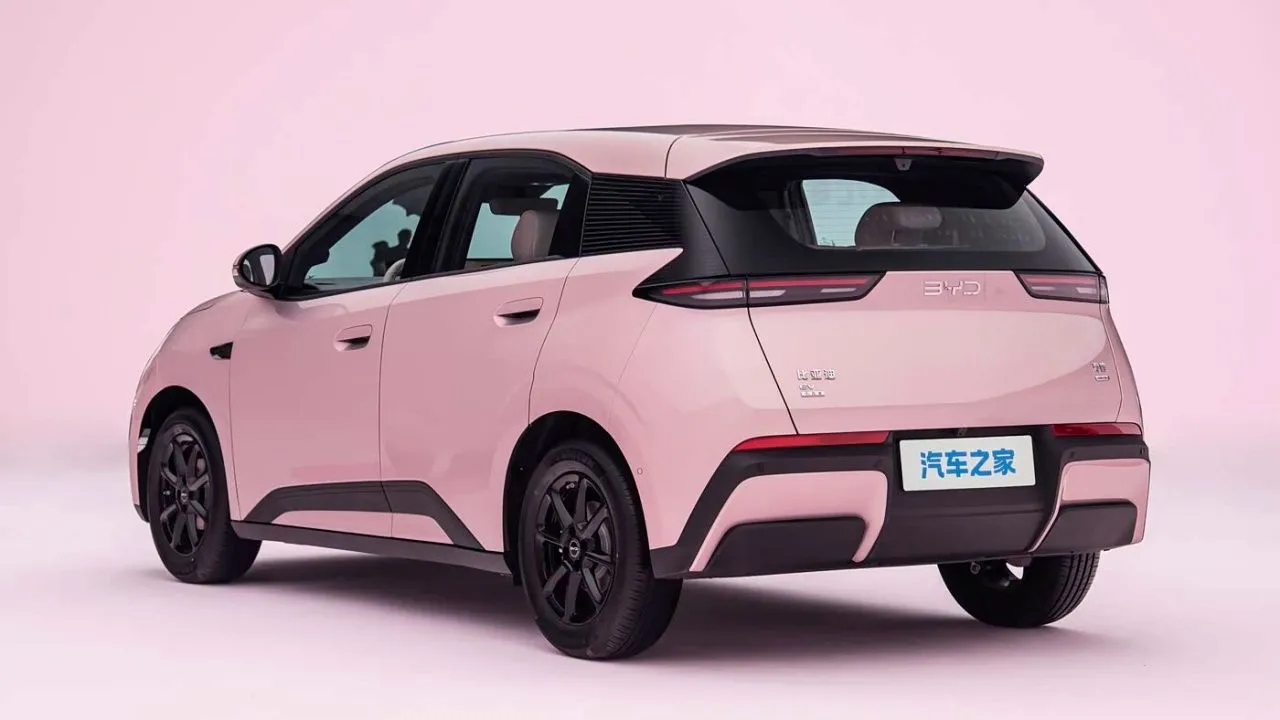
It’s official now: the new BYD Seagull, known in Europe as Dolphin Surf, can be charged from 10% to 97% in just 9 minutes. According to our friends at TestCoches, the first official videos of the model reveal it features Flash Charging 2.0, as there’s a small blue lightning bolt on the charging port—a symbol identifying BYD vehicles equipped with this technology.
This means that at least one of the two battery options available (a 30 kWh pack and a 39.2 kWh pack) will use BYD’s second-generation cells, which are the only ones compatible with Flash Charging. Since first-generation cells are still in production, it’s possible the lower-capacity pack might use them, resulting in slower charging speeds.
In any case, the confirmation that the new BYD Seagull will benefit from Flash Charging 2.0 makes it, on paper, the fastest-charging electric car in its class, as it should be able to go from 10% to 70% in 5 minutes and from 10% to 97% in 9 minutes; additionally, at -30 °C it will take only about 12 minutes to charge from 20% to 97%.
For comparison, a Volkswagen ID. Polo takes between 23 and 24 minutes (depending on the version) to charge from 10% to 80%, while a Geely E2, which is set to become the main rival of our subject car, takes 25 minutes to go from 30% to 80%. The advantage of the new BYD Seagull over its main competitors is more than obvious.
Will the new BYD Seagull arrive in Europe?
The new Seagull is significantly larger than its predecessor: it measures 4,205 mm in length, 1,810 mm in width, and 1,570 mm in height, with a wheelbase of 2,650 mm. As a result, it is 425 mm longer and 150 mm wider. It’s unclear whether this shift from the A-segment (urban cars) to the B-segment (utility vehicles) will result in a name change in Europe or if it will retain the Dolphin Surf designation.
All versions are equipped with the same 129 CV (95 kW) engine in the rear axle. As is typical of a next-generation BYD, it can be fitted with a LiDAR sensor on the roof to support the advanced version of the God’s Eye driving assistant. The initial color options will include six shades: green, orange, pink, gray, white, and blue.
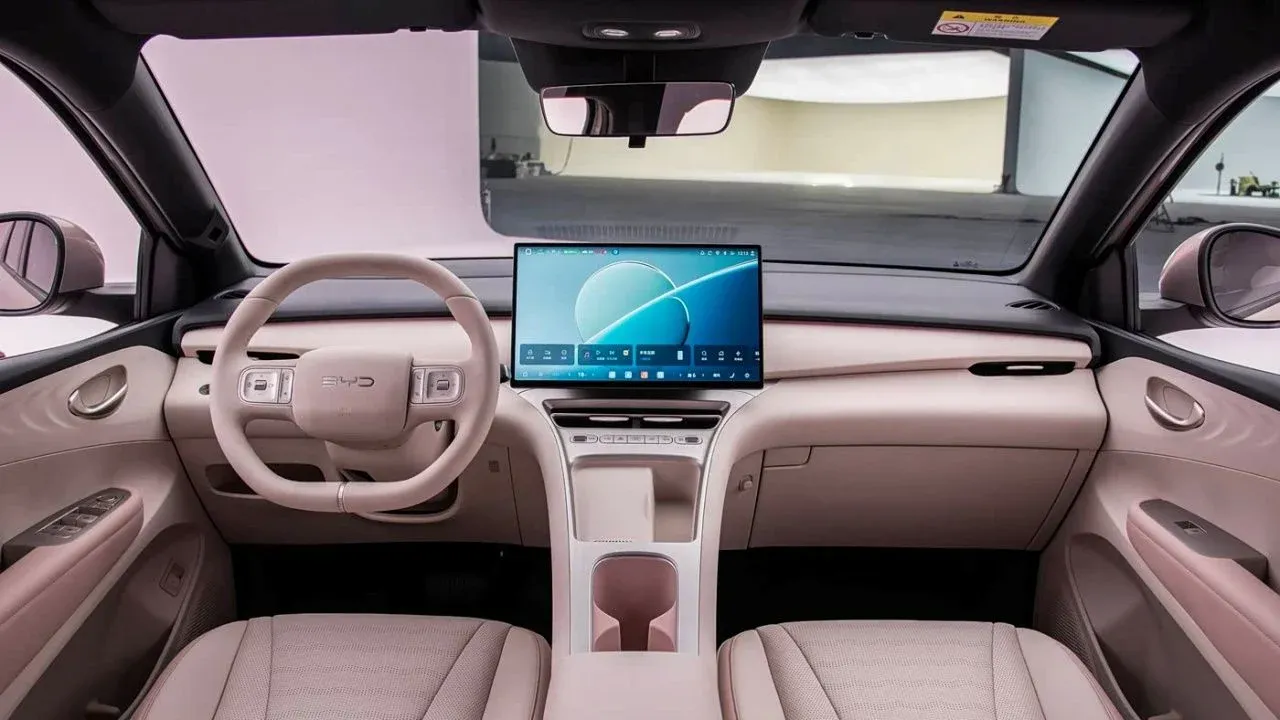
The final specifications for the vehicle are expected to be released tomorrow, when its official debut is scheduled. In any case, its potential arrival in Europe is likely to be delayed; however, since it will compete in one of the most important categories on the old continent, we can almost be certain it will appear on European soil.