
The new BYD Great Seagull makes a technological leap: it introduces LiDAR and a completely new interior.
BYD is preparing a major overhaul of its compact electric vehicle, which will be called Great Seagull in China. The new model is significantly larger than the current Seagull, features a completely redesigned interior, and includes numerous advanced technological upgrades.
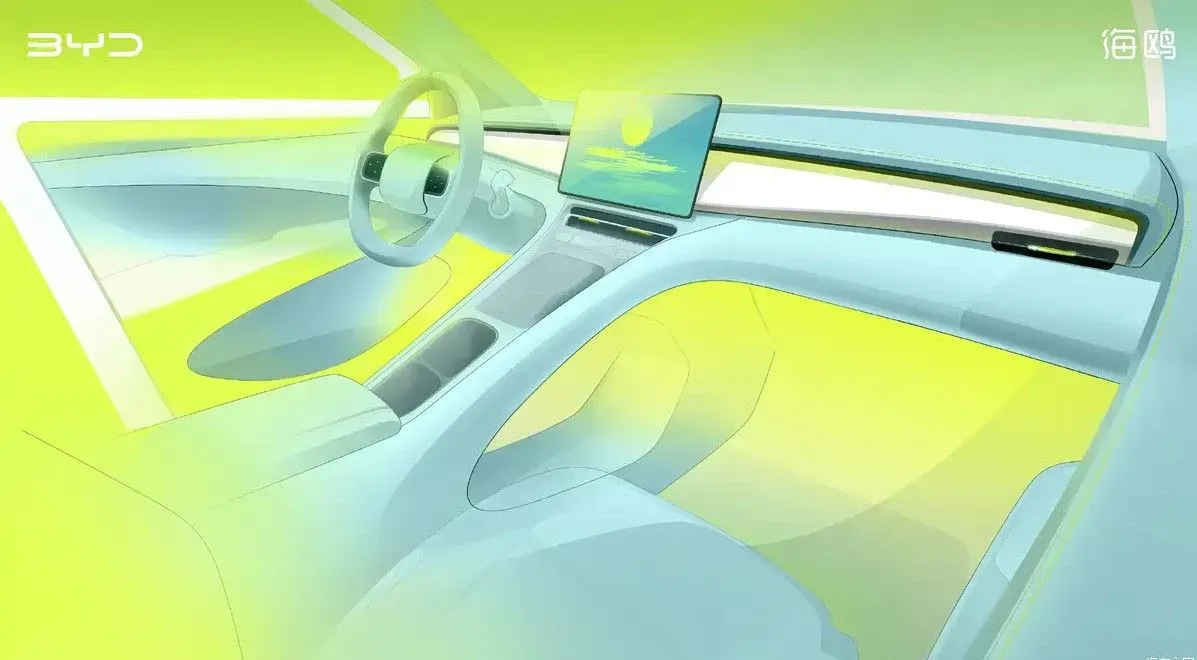
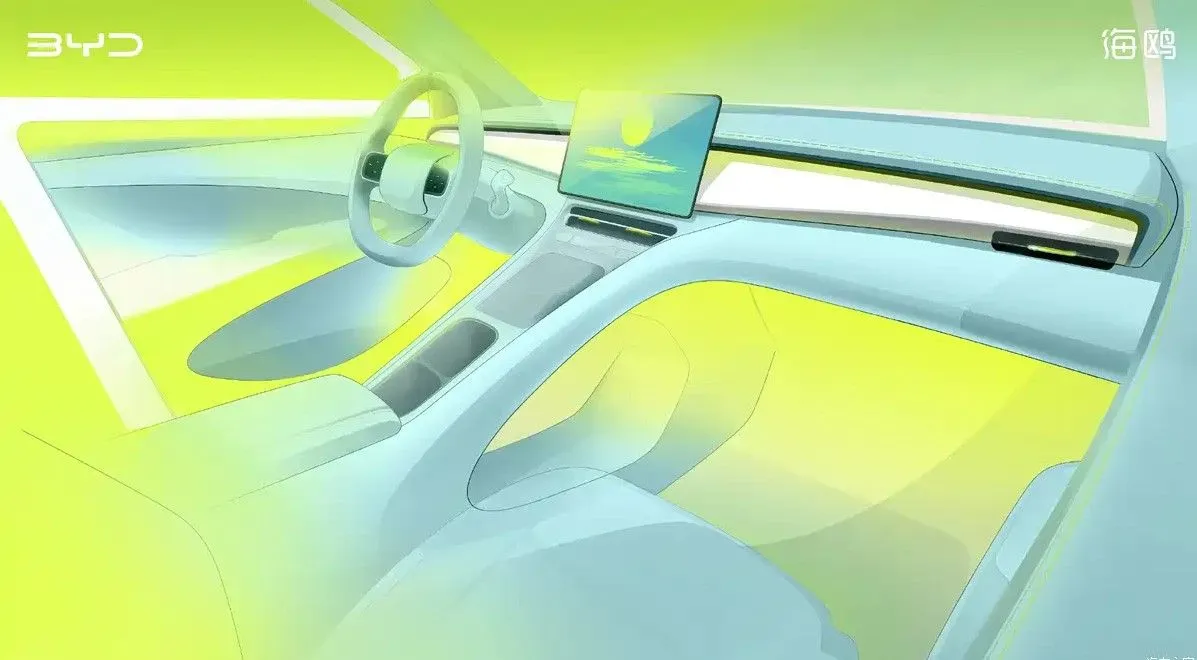
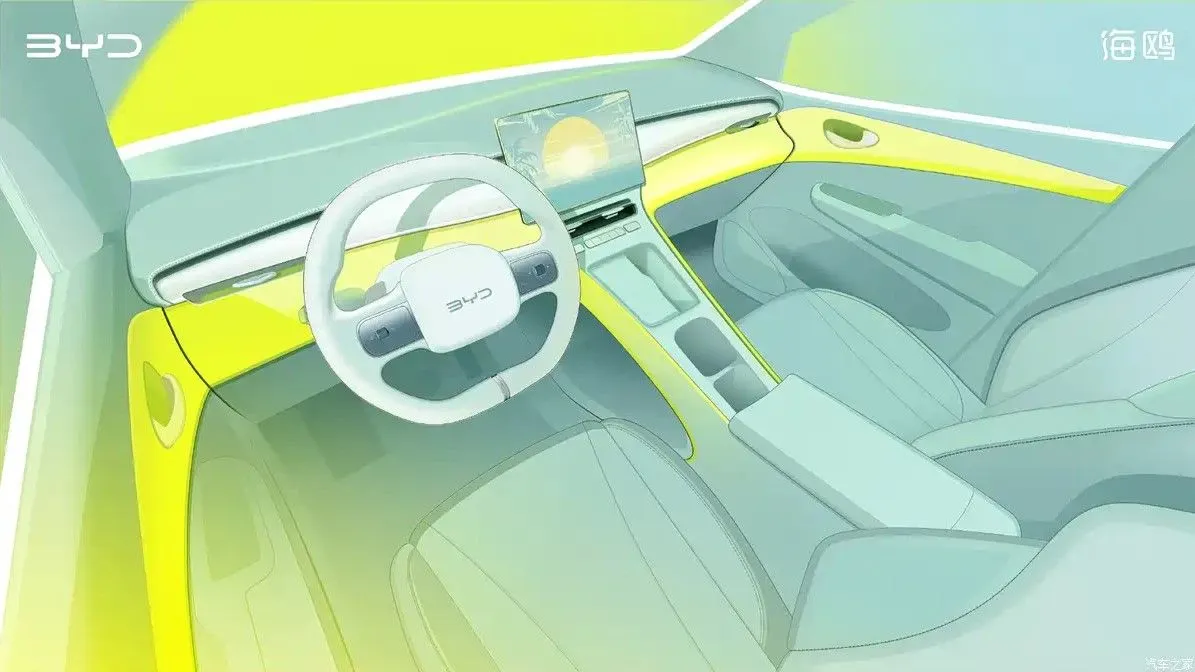
The first images of the cabin show that BYD has opted for a much more modern and casual design. The dashboard uses multiple colors and eliminates the traditional instrument panel, while the steering wheel features a two-spoke design. In the center is a large floating screen for the multimedia system, a solution that has become standard in the brand’s recent models.
The central console features several physical controls, which will be appreciated by those who prefer not to rely constantly on the screen to operate certain functions. It also includes a surface for wireless phone charging and, right below it, a large storage area. The doors, on the other hand, retain conventional-designed handles.
Aux exterior, the Great Seagull retains some of the identity from the current model, though with a much larger body. The front end keeps the characteristic design language of the series, but features new lighting units with projectors and three-element position lights. The hood has more pronounced ribs, and the front bumper has been redesigned, including functional air intakes at the edges.
One of the most striking elements is found on the roof, where a LiDAR sensor is present, suggesting that BYD might offer advanced driver assistance systems in this model. However, the specific functions available or whether these features will be included in all versions have not been detailed yet.
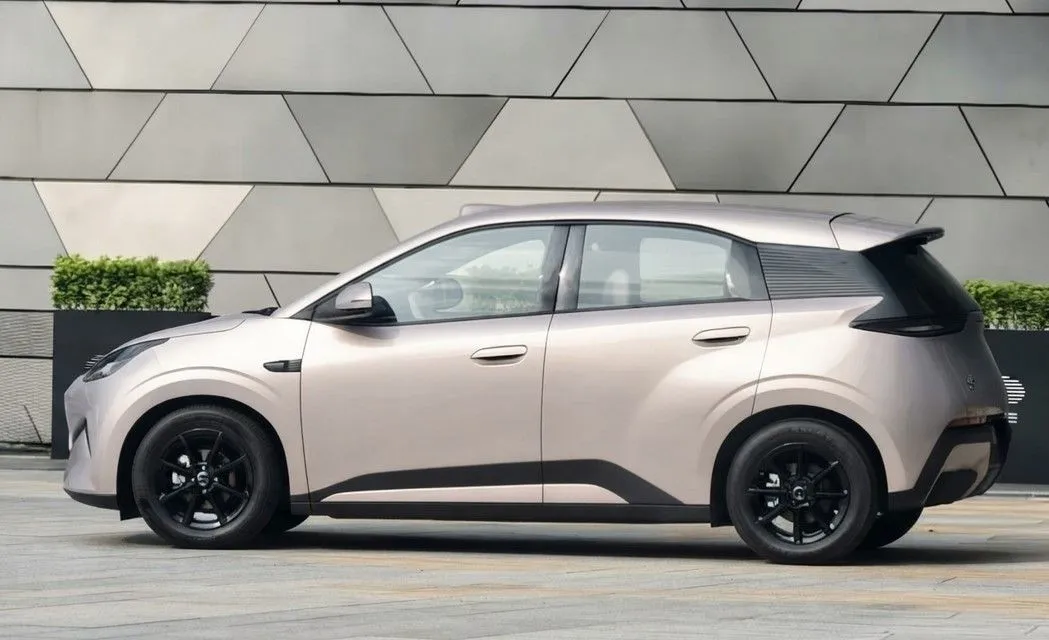
The side profile retains the distinctive window layout of the Seagull, though the body lines have been simplified. The result is a silhouette with a more forward-leaning visual position and, most notably, proportions vastly different from those of the current model.
The new Great Seagull is 4.2 meters long. This is significantly longer than the current model, which measures 3.99 meters in Europe.
This growth has an obvious consequence: BYD seems to have aimed to turn the Great Seagull into a much more practical car for everyday use. The increased wheelbase should allow for more space inside the cabin, especially for passengers in the rear seats, while the greater width can also enhance the sense of interior openness.
At the rear, the design has also evolved. The rear glass area has increased, and the roof extends backward to form a small spoiler. The headlights remain visually integrated with the windshield, but the current continuous rear lighting setup is gone. The bumper is also completely new and features a cleaner design.
The available information does not yet disclose all details regarding the battery or range. It has been confirmed, however, that it will use an LFP chemistry battery.
As of now, the battery capacity, official range, and charging times have not been officially announced. These figures are particularly important for a model that, in terms of size and performance, seems quite different from the traditional urban electric vehicle concept represented by the current Seagull.
The next European Dolphin?
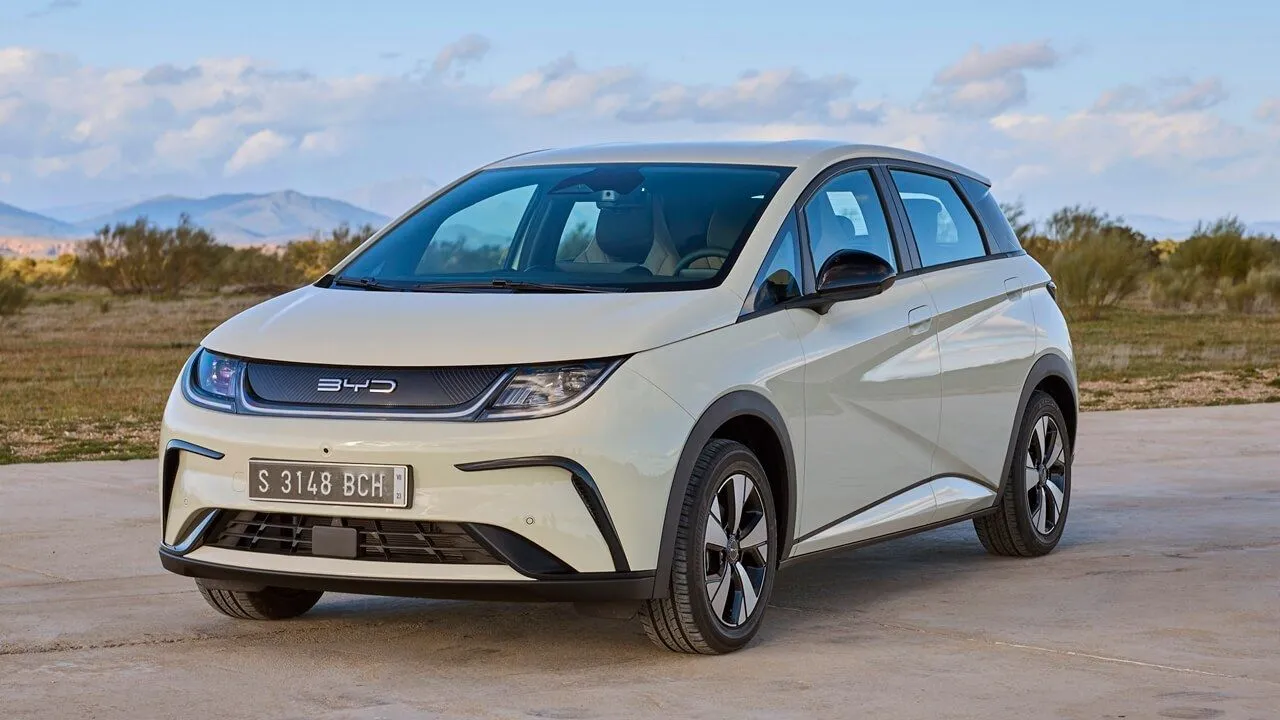
It is clear that BYD is significantly transforming the original design of the Seagull. The Great Seagull will be much larger, offer a more spacious interior, have greater power output, and incorporate technologies that were not previously associated with this model. If it eventually arrives in Europe as the Dolphin, it could also trigger a fascinating reorganization within BYD’s electric vehicle lineup, as it will almost certainly render the current model obsolete.