
The new BMW plug-in hybrid takes 100 kilometers to activate its gasoline engine, but it costs a fortune.
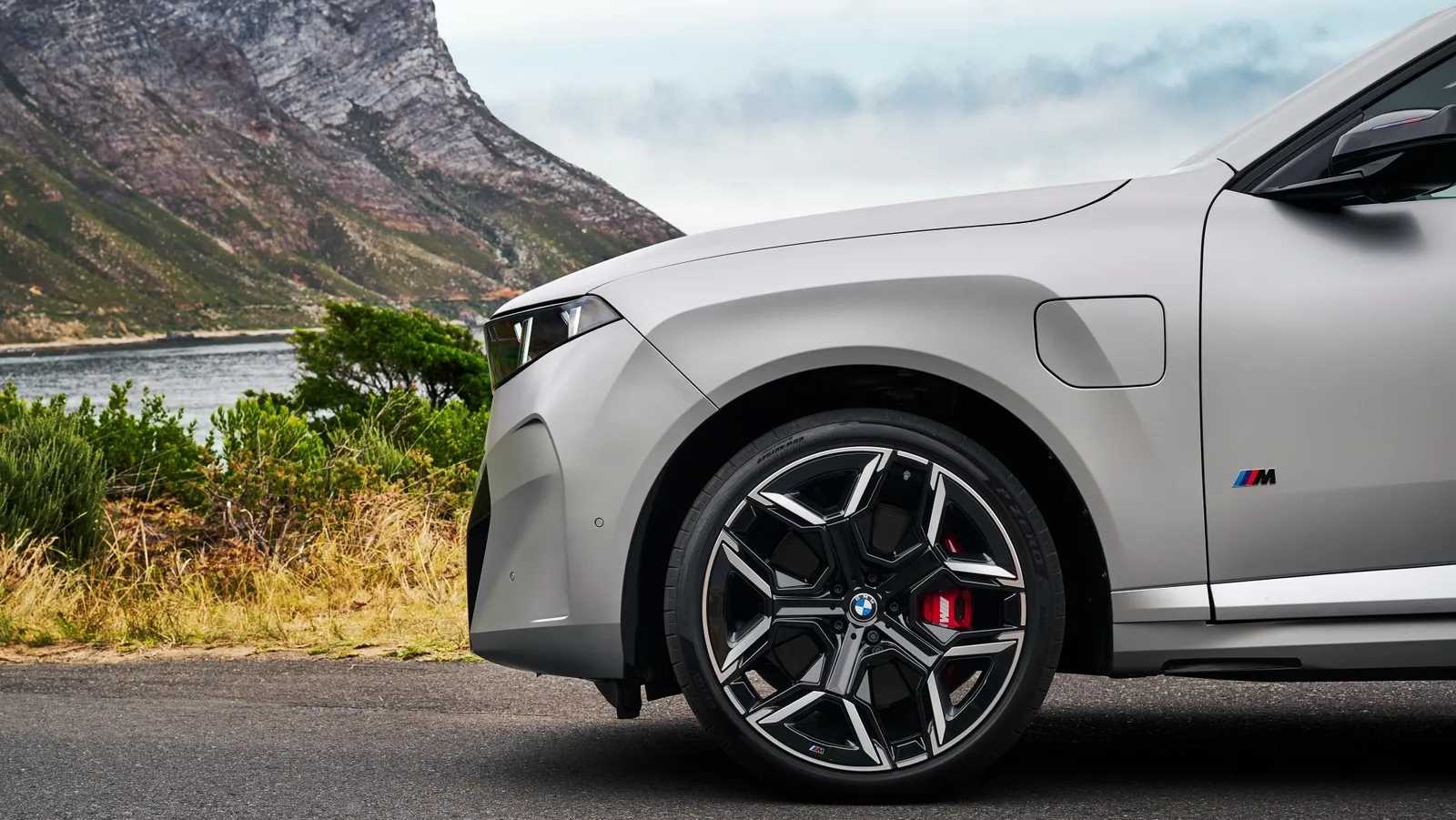
With over 100 kilometers of electric range for daily use and a six-cylinder gasoline engine for long trips, the new BMW X5 plug-in hybrid is the most versatile version of this Bavarian brand’s large SUV, and prices in Spain are already available. The range consists of two versions: the X5 50e xDrive, starting at 106,150 euros, and the sportier X5 M60e xDrive, beginning at 121,650 euros, though deliveries won’t start until early 2027.
Its arrival completes the fifth generation of the BMW X5, which was introduced a few months ago with a significant redesign and, for the first time, a 100% electric variant, the BMW iX5. However, BMW hasn’t abandoned internal combustion engines and continues to offer multiple powertrains within the same model. Later in 2027, the Germans plan to launch a hydrogen version with a range of 750 kilometers.
A six-cylinder engine with two power levels
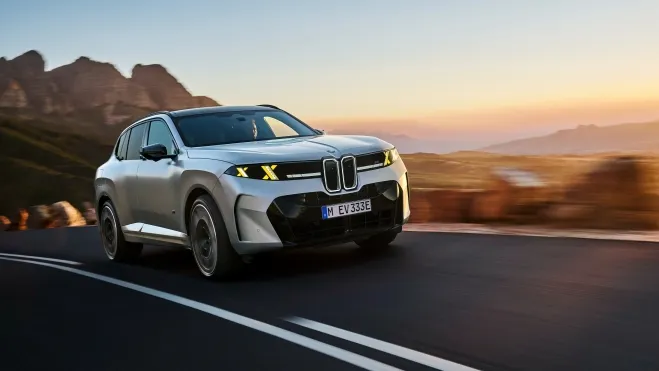
The two plug-in hybrid versions share the same mechanical foundation, featuring a 3.0-liter six-cylinder in-line TwinPower Turbo gasoline engine, an electric motor, xDrive all-wheel drive, and an eight-speed automatic transmission. In the X5 50e xDrive, this combination delivers 489 horsepower and 700 Nm of torque, with the gasoline engine contributing 313 horsepower and the electric motor adding 197 horsepower and 280 Nm. The brand claims a 0 to 100 kilometers per hour acceleration time of 5.0 seconds for this version.
The X5 M60e xDrive uses the same layout, but its six-cylinder engine boosts performance to 426 horsepower, resulting in a total power output of 612 horsepower and 800 Nm of torque. With these figures, it accelerates from 0 to 100 kilometers per hour in 4.2 seconds.
Battery, range, and charging
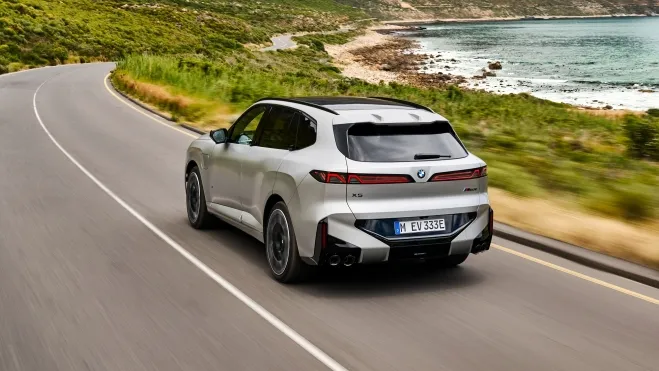
Both versions are equipped with a 29.5 kWh lithium battery using nickel-manganese-cobalt (NMC) chemistry. According to BMW’s official specifications, the 50e can travel up to 102 kilometers in electric mode under the WLTP testing cycle, while the M60e achieves up to 98 kilometers. Both can operate without gasoline up to 140 kilometers per hour and are charged via AC at a maximum of 11 kW.
With that level of autonomy, both models carry the DGT’s 0 Emissions label, offering the traffic and parking advantages available in many cities. In practice, it covers most daily trips adequately, as long as there’s an outlet available at home or at work.
Chassis and Equipment
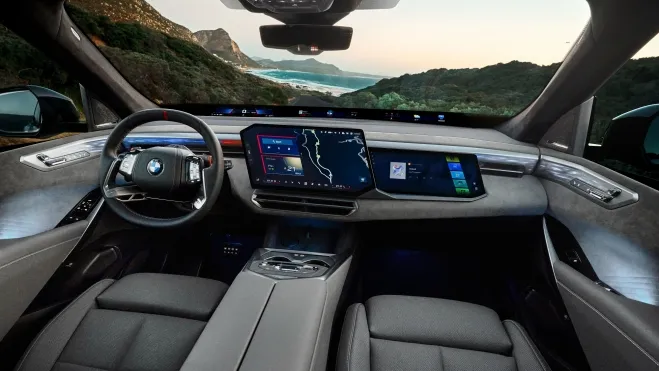
The new X5 is 4,994 millimeters long, with a wheelbase of 3,035 millimeters and a trunk capacity ranging from 525 to 1,680 liters, while the 50e weighs 2,640 kilograms. Adaptive suspension is standard, and as an option, BMW offers air suspension on both axles with rear-wheel steering that can turn up to 3.2 degrees, reducing the turning radius by about 0.8 meters—a significant advantage for a car nearly five meters long.
The range is available in four finishes: Base, M Sport, M Sport Pro, and BMW M. Even the entry-level model comes standard with 21-inch wheels, LED headlights, a panoramic sunroof, electric sports seats with heating and memory functions, a hands-free power tailgate, adaptive cruise control, and the Parking Assistant Plus parking aid. The new X5 50e xDrive costs 106,150 euros, 2,400 euros more than its predecessor, which started at 103,750 euros. The first units of this plug-in hybrid X5, manufactured at BMW’s plant in Spartanburg, United States, will reach Spanish customers in early 2027.