
The Nissan Wave is an electric car priced at 20,000 euros, but it has a problem: no one wants Nissan electric cars.
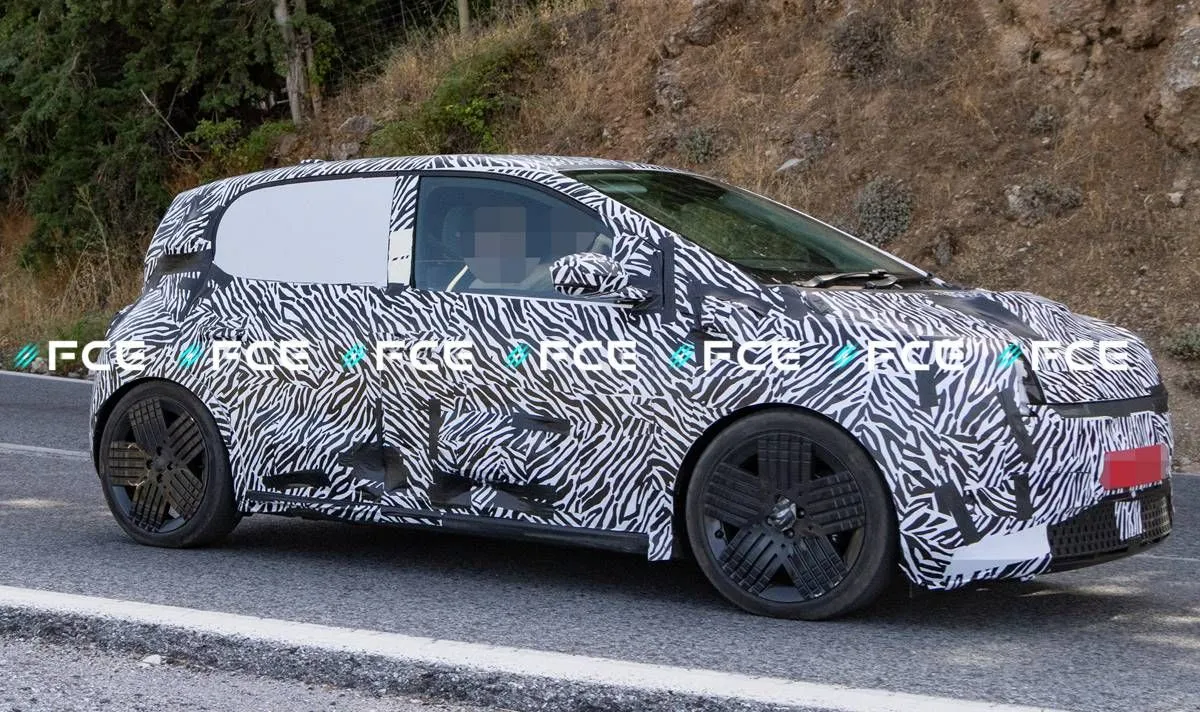
Nissan continues to work to rebuild its electric car lineup in Europe by sharing technology with Renault. After launching the new Micra based on the Renault 5 platform, the Japanese brand is now preparing an even smaller and more affordable model that will arrive in 2027. It will be called Nissan Wave and essentially serve as the Japanese counterpart to the Renault Twingo electric vehicle.
On paper, the specs seem hard to criticize: compact size, affordable price, existing technology, and a small battery that helps cut costs. The problem is that Nissan enters this competition with a rather heavy burden. The new Micra, which was supposed to be one of the pillars of its recovery in Europe, has seen surprisingly low registrations, while the Renault 5 it is based on has managed to become one of the benchmark electric cars in the European market.
And this is where the big question arises: if Nissan can’t sell the Micra, what chances does it have of succeeding with an even smaller model that will compete directly for the same type of customers?
The figures for Spain are particularly difficult to justify. As of early September 2026, 627 Nissan Micras had been registered in Spain, up from only 54 units in August. Its share among electric cars is barely 0.7%.
The contrast with the Renault 5 is evident. The French model had 2,234 units registered in Spain from January to August, more than three times the number of Micras registered during that period, with another 165 units added in August. Yet even the Renault 5 is not seeing growth in Spain this year compared to the previous one.
Outside Spain, the story is even more interesting. Renault claims that the Renault 5 was the best-selling electric car in the B-segment in Europe during the first half of 2026. From January to July, it reportedly sold around 54,115 units in Europe, a result that shows Renault’s approach has indeed found buyers.
This puts Nissan in a difficult position. The shared technology seems to work, but the Japanese brand isn’t managing to turn it into sales. And the Wave was developed precisely through that same cost-cutting strategy of using products created jointly with Renault.
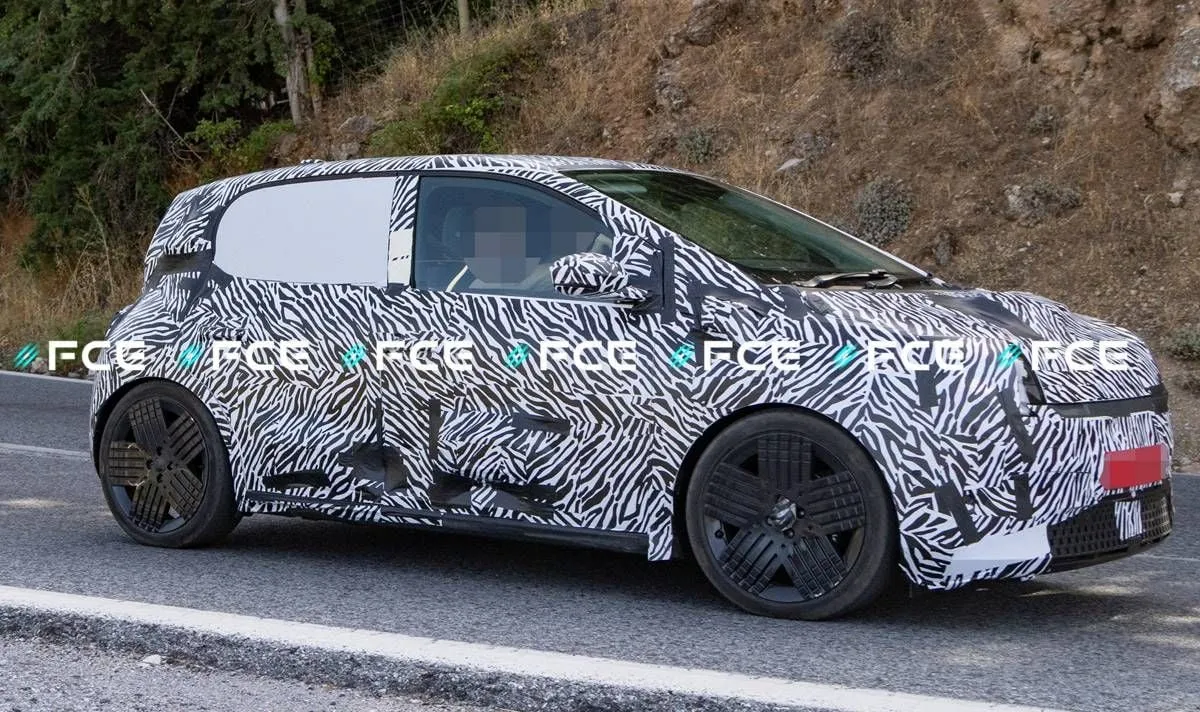
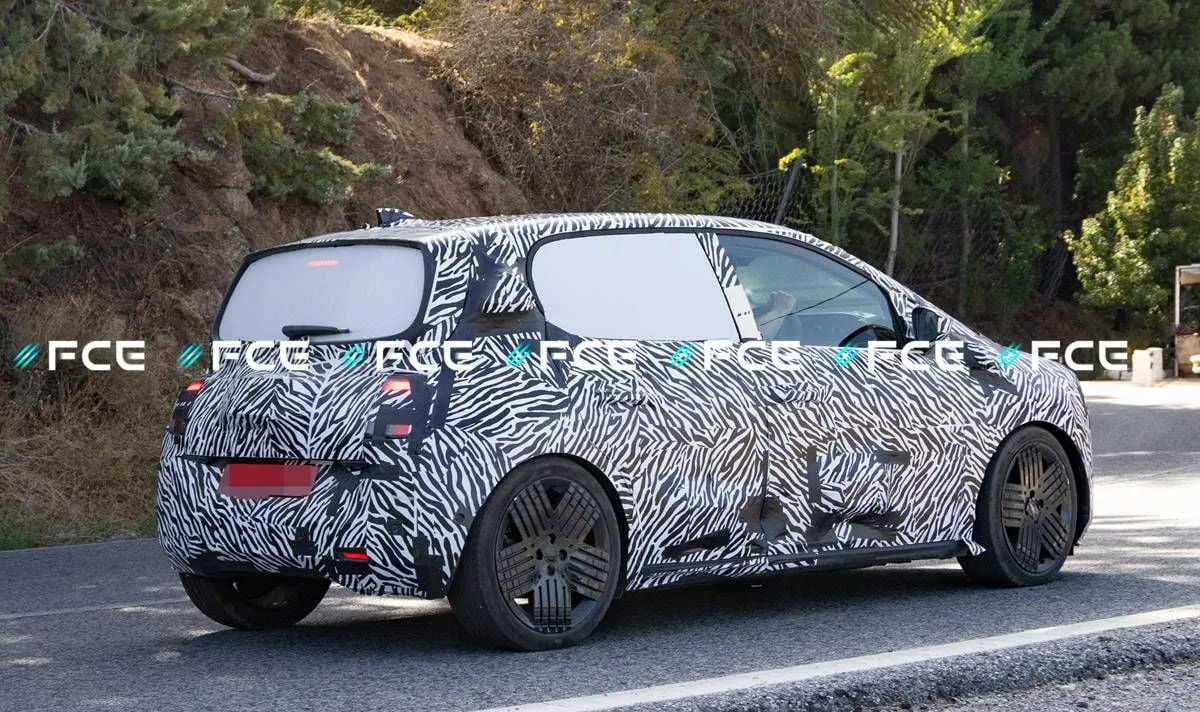
The new Nissan Wave has already been photographed during road tests, with a launch scheduled for 2027. Unlike the Micra, which is based on the Renault 5, the Wave will be built on the electric Renault Twingo. The goal is to position it below the Micra in the lineup and make it Nissan’s most affordable car in Europe.
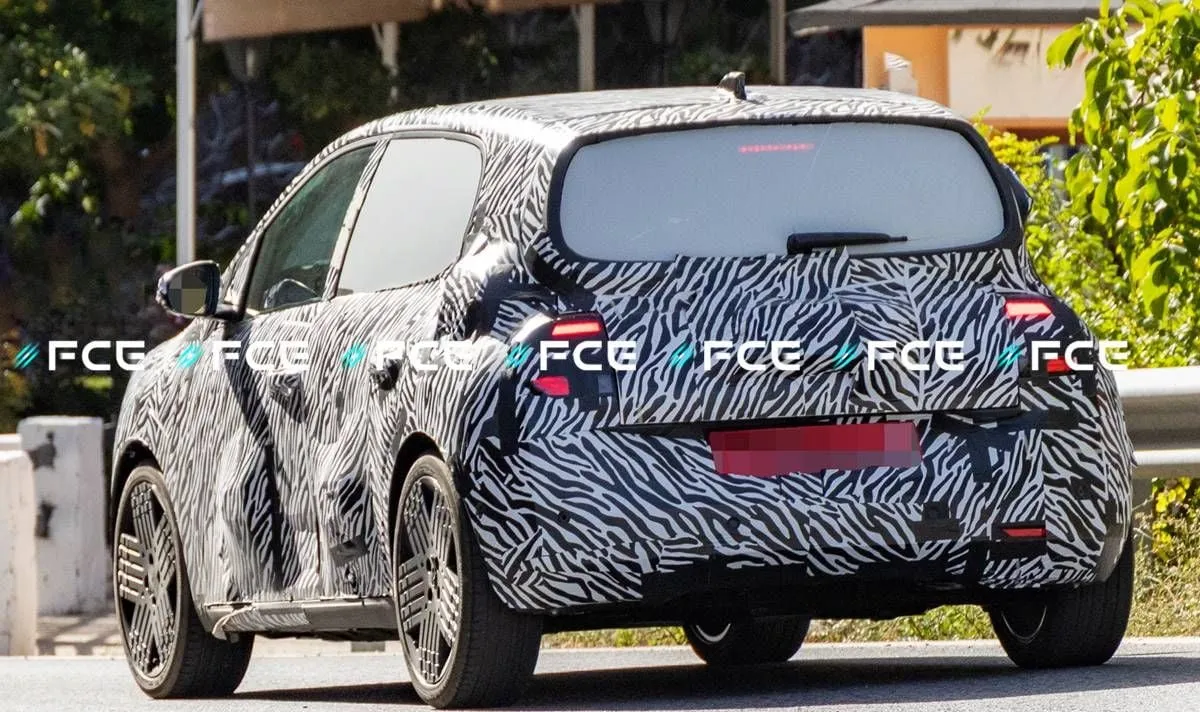
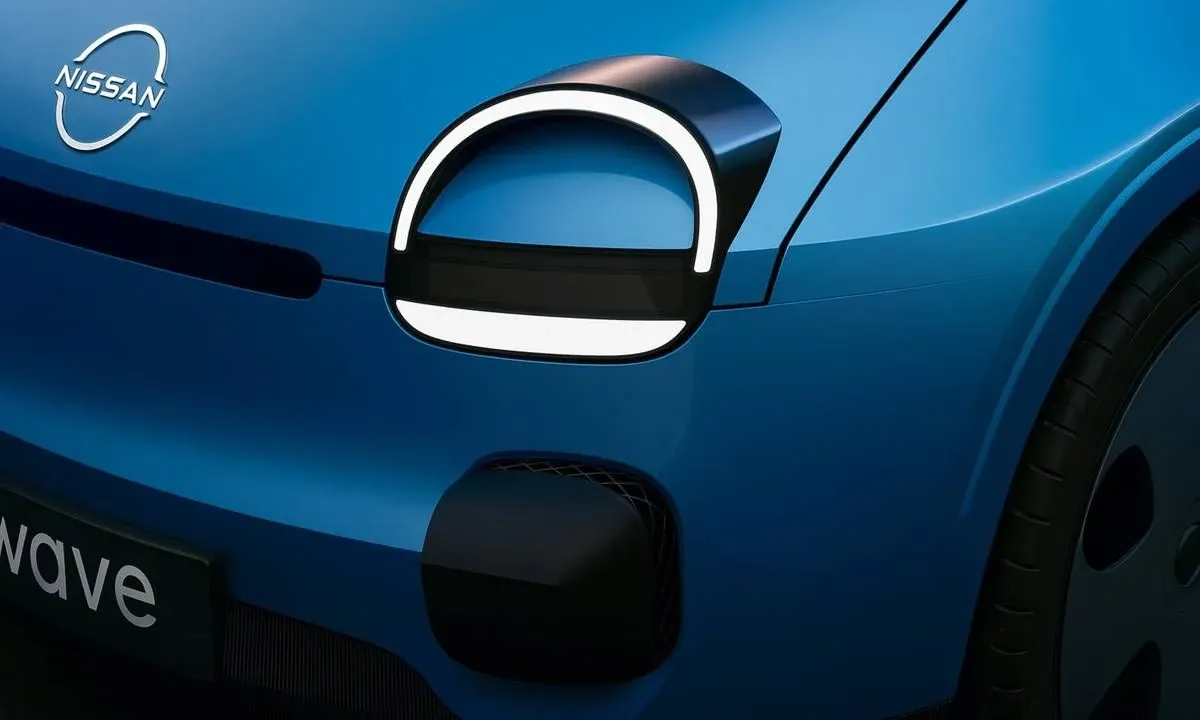
Regarding the exterior design, the initial images show a body style very similar to that of the Twingo, although Nissan will introduce enough changes to give it its own distinct identity. At the front, there are square-shaped lighting units integrated into a C-shaped light bar, along with a redesigned air intake featuring square elements. The side view appears to remain almost unchanged, while the rear will feature more conventional taillights and a cleaner design.
The result could be interesting, especially since Nissan has a rather unique history with small cars. The brand aims to revive some of the philosophy from its old Pike models, such as the Be-1, Pao, and Figaro, which stood out precisely for their strong individuality. It’s a logical strategy in a category where visual differentiation can be just as important as offering a few extra kilometers of range.
Inside, expect a dashboard with curved shapes and a separate infotainment screen. The layout will be very similar to that of the Twingo, featuring a 7-inch digital dashboard and a 10-inch central screen. Nissan will need to keep costs in check, so don’t expect a level of technology comparable to that found in higher-tier models.
The propulsion system will also come directly from the Twingo. Available information suggests an electric motor with 60 kW (82 hp) and 175 Nm of torque, sufficient to accelerate from 0 to 100 km/h in 12.1 seconds and reach a top speed of 130 km/h. These figures are clearly aimed at urban use rather than making it a small car for frequent highway travel.
The battery will have an approximate capacity of 27.5 kWh, likely using LFP lithium battery technology to keep costs low. The certified range is expected to be around 263 kilometers, a reasonable figure for a car designed primarily for city and surrounding areas. The Twingo uses a battery of this size and offers up to about 263 kilometers of WLTP range.
The price is likely to be the main selling point of the Wave. Nissan aims for a price around 20,000 euros, though the final European price has not yet been confirmed. The goal is to compete with a new generation of low-cost urban electric cars, including the Twingo itself, the future Volkswagen ID.1/ID.Up, and various alternatives from Chinese manufacturers.
And here lies Nissan’s underlying problem. The company needs far more than cheap cars: it needs to regain the trust of European consumers. The story of the first-generation LEAF remains a sensitive issue when discussing the brand’s electric vehicle history.
The original Nissan LEAF was one of the pioneers of modern electric cars, but it also became one of the most well-known examples of premature battery failure. Yet that was just the tip of the iceberg, as Nissan’s poor after-sales service, which blatantly mistreated its customers, has plagued the company ever since, as evidenced by its dismal sales figures.
It is unfair to say that a problem from over a decade ago alone determines Nissan’s current sales. But it would also be naive to think that the early years of the LEAF left no impact on the brand’s perception. Nissan was one of the manufacturers that invested in electric cars early on, and precisely for this reason, it was also among the first to publicly face the degradation issues that were still little known at the time.
The current problem is that Nissan cannot afford another failure. The Micra should have been a relatively straightforward venture: using the platform and technology of the Renault 5, adding Nissan’s design, and building on a formula that had already proven successful. However, in Spain, sales remain very low, with only 600 units sold from January to August, compared to 2,296 units for the Renault 5.
And perhaps that is the real question. Nissan has a product, access to Renault’s technology, and a rocky history in electric vehicles. The Wave could be a new opportunity, but it also risks becoming just another decent, cheap, and well-designed Nissan electric car that goes unnoticed in dealerships.